Digging Barriers Along a Beagle Fence Line
It’s a tale as old as time for Beagle owners: you put up a fence, you think your yard is secure, and then one day you look out and see that tell-tale nose to the ground, a blur of brown, black, and white, and then poof – your beloved hound has tunneled right under and is off on an adventure. The frustration is real, the worry is immense, and the thought of them getting lost or hurt is enough to keep you up at night. This guide is all about tackling that exact problem, arming you with practical, effective solutions to install digging barriers along your Beagle fence line, turning your escape artist's favorite trick into a thing of the past.
Understanding Why Your Beagle Digs Under the Fence
Before we grab our shovels and start digging, it's crucial to understand why your Beagle is so determined to create an underground escape route. It’s not about being naughty; it’s deeply ingrained in their DNA, and acknowledging that helps us address the root cause, not just the symptom.
First and foremost, Beagles are hounds. They were bred for centuries to hunt small game, primarily rabbits and hares, by following a scent trail. This means they have an incredible drive to explore, to follow their noses wherever they lead, and to get to whatever tantalizing scent lies beyond your property line. If they smell a rabbit, a squirrel, or even just another dog’s scent wafting in from the next street over, their instinct tells them, "Go get it!" A fence, to a Beagle, is often just a suggestion, a minor inconvenience blocking the path to the next great olfactory discovery. They don't see it as a permanent barrier but merely an obstacle to be overcome. You might have seen your Beagle walking with its nose to the ground, completely absorbed, a trait that makes them formidable scent hounds but terrible candidates for off-leash adventures in unfenced areas. This intense focus means that even if you've done all the Beagle training around 220 million scent receptors, their innate drive often overrides learned behaviors when a strong scent is present.
Secondly, Beagles are intelligent and can get bored easily if not adequately stimulated. While their primary job might have been hunting, a bored Beagle will find its own job, and often that job involves excavating. Digging can be a form of self-entertainment, a way to expend pent-up energy, or even an attempt to create a cool spot to lie down on a hot day. If they aren't getting enough physical exercise, regular mental stimulation, or engaging scent work, they will invent their own activities. This is why Beagle Escape Artistry and How to Contain It often stems from a combination of scent drive and boredom. It's a testament to their cleverness and determination, but it certainly doesn't make things easier for us owners!
Finally, some Beagles are anxious. If your dog suffers from separation anxiety, digging out could be a desperate attempt to rejoin their "pack" (you!) when left alone. This isn't just about boredom; it's a genuine distress response. While physical barriers are necessary, addressing the underlying anxiety is equally important. Knowing these motivations helps you choose the right type of barrier and implement it with the greatest chance of success. It's a combination of physical security and understanding your dog's needs.
Types of Digging Barriers: From DIY to Professional Solutions
Once you’ve braced yourself for the inevitable, it's time to explore the various methods available to stop your Beagle from becoming an escape artist. There's a solution for nearly every budget and DIY skill level, so let's dig in.
L-Footing Barriers: The Classic Solution
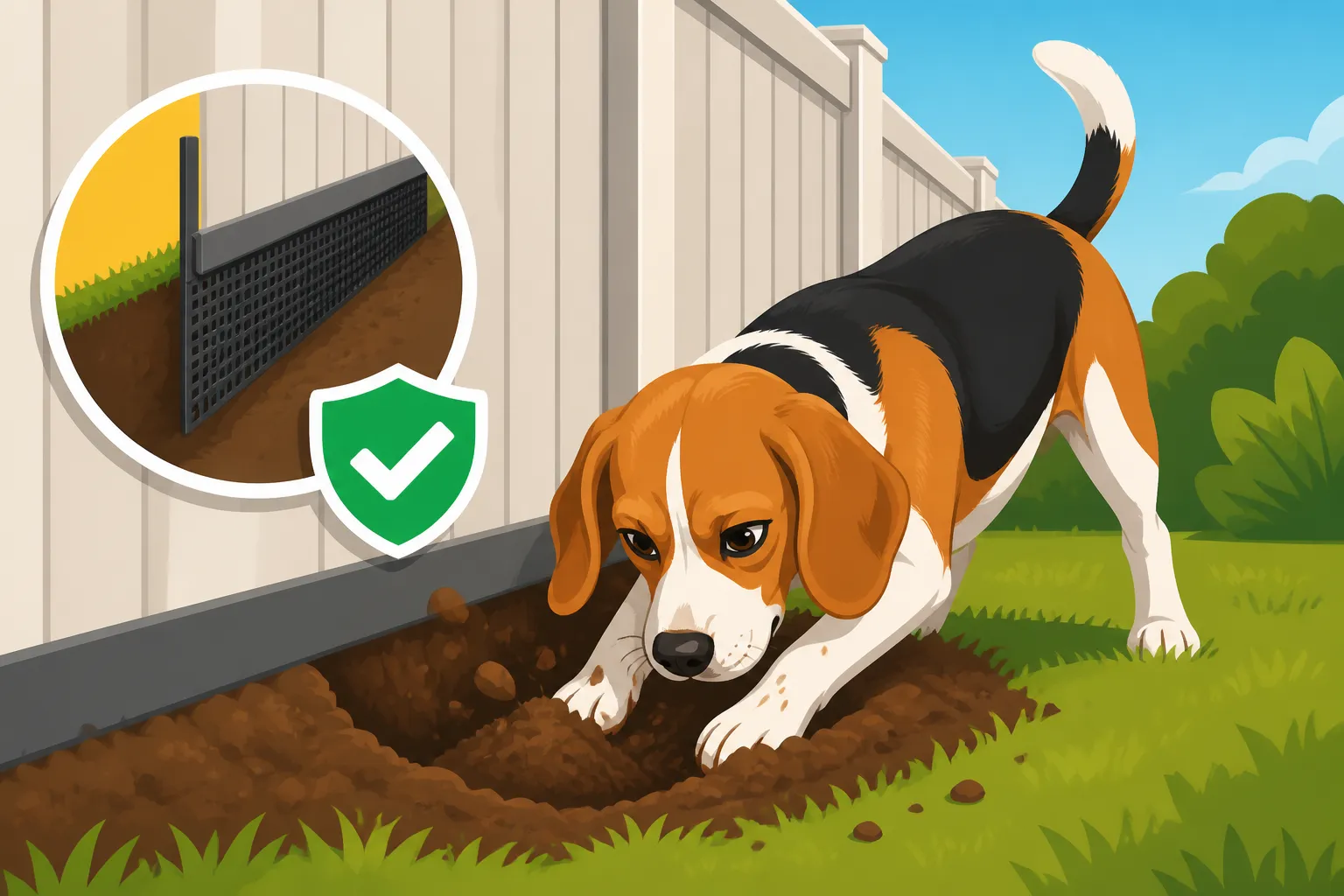
This is perhaps the most common and effective method for preventing digging under fences. The concept is simple: you extend the fence line horizontally underground, forming an "L" shape. When your Beagle attempts to dig down, their paws will hit the horizontal barrier, which discourages them from continuing their excavation.
To install an L-footing barrier, you'll need to dig a trench along your existing fence line. This trench usually needs to be about 12-18 inches deep and then extend horizontally into the yard by another 12-18 inches. The material you use for the L-footing can vary:
- Hardware Cloth or Chicken Wire: This is a popular choice for DIYers. It's relatively inexpensive and easy to work with. You'll cut strips of hardware cloth (galvanized, heavy-gauge is best for durability) to the desired width. Attach one edge to the bottom of your existing fence, then lay the rest flat into the trench, extending into your yard. Secure it with landscaping staples or by burying heavy rocks on top of it before backfilling the trench. The key here is to ensure the wire extends far enough that your Beagle can't simply dig past the horizontal section. The sharp edges of the cut wire can also deter digging. When purchasing, look for galvanized options on sites like Chewy to ensure longevity against the elements.
- Concrete or Poured Cement: For a truly permanent and robust solution, some owners opt for pouring a concrete footing. This is more labor-intensive and costly but provides an unyielding barrier. You'd dig a similar trench, lay a rebar mesh for reinforcement, and then pour concrete. This is often done when the fence itself is being installed.
- Paving Slabs or Bricks: Another method involves laying paving stones, bricks, or even large rocks directly into the trench. This works best if the trench is wide enough to accommodate the width of the slabs, creating a solid, impenetrable floor. The weight of these materials makes them difficult for a dog to dislodge, and they offer an instant, firm deterrent.
Regardless of the material, the principle remains the same: create a horizontal extension that your Beagle hits when it tries to dig down. This often leads them to give up and try a different, less effective strategy.
Burying Mesh or Solid Barriers Vertically
While L-footing is about going out, this method is about going down. Some fences, especially chain-link, can be problematic because the bottom edge can be easily lifted or dug under. In this scenario, burying a vertical barrier can be incredibly effective.
- Wire Mesh Skirts: Similar to hardware cloth for L-footing, you can bury a section of heavy-gauge wire mesh vertically along the entire fence line. Dig a narrow trench, deep enough to bury 18-24 inches of the mesh, leaving a few inches extending above ground. This creates a solid underground wall that your Beagle cannot tunnel through. This is particularly good for older fences where the bottom has sagged or become compromised. It essentially acts as a deeply buried extension of your fence. This also helps with issues like Beagle fence height and whether they climb, as it reinforces the bottom.
- Landscape Timbers or Boards: For a more aesthetic or sturdy option, consider burying landscape timbers or pressure-treated wooden boards vertically. These need to be sunk deep enough (again, 18-24 inches) to prevent digging underneath and should ideally be connected to the fence posts or to each other to create a continuous wall. This can be a bit more work but provides a very durable and visually appealing solution if done correctly.
When implementing any buried barrier, remember that Beagles are relentless. A few inches won't cut it. Aim for at least 18 inches of buried material to truly deter them. Also, keep in mind the potential for wear and tear. Periodically walking the Beagle fence line every spring to inspect for new weak points or erosion is a must.
Practical Installation Steps and Considerations
Implementing a digging barrier isn't just about picking a material; it's about thoughtful execution. Neglecting key steps or practical considerations can lead to wasted effort and a still-escaping Beagle.
Step-by-Step Installation Guide (Hardware Cloth Example)
Let's walk through the process using hardware cloth, a common and effective DIY choice:
- Gather Your Materials: You'll need heavy-gauge, galvanized hardware cloth (at least 24 inches wide, depending on your desired depth and horizontal extension), wire cutters, a shovel, work gloves, zip ties or hog rings (for attaching to chain link), and landscaping staples or heavy rocks. If your existing fence is wood, you'll also need a staple gun or screws.
- Clear the Area: Remove any debris, overgrown weeds, or loose soil along the fence line. This will make digging easier and ensure a cleaner installation.
- Dig the Trench: This is the hardest part. Dig a trench along the inside of your fence line, 12-18 inches deep. Then, extend this trench horizontally 12-18 inches into your yard, creating that L-shape. The depth is crucial; remember, Beagles are determined.
- Prepare the Hardware Cloth: Cut sections of hardware cloth to the desired length. If your fence is 6 feet long, cut a 6-foot section. The width of your hardware cloth should correspond to the total depth + horizontal extension (e.g., if you want 12 inches down and 12 inches out, you need 24-inch wide hardware cloth).
- Attach to the Fence: Place one edge of the hardware cloth at the very bottom of your fence. If it's a chain-link fence, use heavy-duty zip ties or hog rings to secure it firmly to the bottom wire. For a wooden fence, use a staple gun or screws with washers. Ensure it's snug against the fence bottom with no gaps.
- Lay the Horizontal Section: Gently bend the hardware cloth at a 90-degree angle so the remaining portion lies flat along the bottom of your trench, extending into your yard. This is your L-footing.
- Secure and Backfill: Before backfilling, you can add extra security. Place heavy rocks or large landscaping staples along the horizontal section of the hardware cloth to hold it down. This prevents your Beagle from simply lifting it. Then, carefully backfill the trench with the soil you removed, compacting it firmly as you go.
- Monitor and Reinforce: After installation, keep a close eye on your Beagle. They might try to find new weak spots, so be prepared to reinforce any areas if needed. This process also applies if you're burying vertical mesh or laying pavers, though the attachment and shaping will differ slightly.
Important Considerations Beyond Installation
Beyond the physical act of putting in a barrier, there are several other elements that contribute to a truly secure perimeter and a happy, contained Beagle.
- Cost vs. Effectiveness: Materials like chicken wire or hardware cloth are budget-friendly, but might require more frequent checks for rust or damage. Concrete or buried heavy-duty steel mesh will be a higher upfront investment but offer superior longevity and peace of mind. Consider your budget for Fencing Costs That Actually Contain a Beagle when making your choice. Investing in quality materials from trusted suppliers like Chewy can save you headaches and repeated repairs down the line.
- Aesthetics: While security is paramount, you might also care about how your yard looks. Buried wire or an L-footing covered with soil is largely invisible. Landscape timbers or decorative stones can be integrated into your landscaping to look intentional.
- Maintenance: No barrier is set-it-and-forget-it. Regular inspection is key. Look for signs of wear, shifting soil, or new attempts at digging. Beagles are persistent, and they will exploit any weakness. This proactive approach helps avoid costly emergency situations and potential injury, which could lead to Beagle emergency vet costs every Beagle owner should expect.
- Beyond the Digging Barrier: Remember, digging is just one aspect of Beagle escape artistry. They can also jump, climb, or even open gates. Ensure your fence is tall enough, that there are no objects near the fence they can use as a launching pad, and that all gates have secure, Beagle-proof latches. Why Invisible Fences Fail With a Beagle is a good reminder that physical barriers are always superior for this breed. If, despite your best efforts, your Beagle manages to get out, having a reliable Beagle GPS collars and tracking tags can be a lifesaver. Products like those often found on Ollie can provide a strong foundation of good nutrition, potentially contributing to overall well-being, but even the healthiest Beagle will follow its nose.
- Enrichment and Training: A physical barrier stops the act of digging, but it doesn't address the motivation. Continue to provide ample exercise, engaging playtime, and scent work activities to keep your Beagle mentally and physically satisfied within the bounds of your yard. Regular training, focused on impulse control and recall within the secured area, can also help. After all, a tired Beagle is a good Beagle, and one whose brain has been engaged in productive scent games might be less inclined to seek illicit adventures. However, even with all the training in the world, the Beagle's nose will almost always win if there's an opportunity. That's why physical security is non-negotiable.
What to Do If Your Beagle Still Finds a Way Out
Despite all your efforts, sometimes a Beagle's determination (and an owner's momentary lapse in diligence) can result in an escape. It's a terrifying moment, and knowing what to do immediately can make all the difference.
Immediate Action Plan
If you discover your Beagle has escaped, time is of the essence. Don't panic, but act quickly and systematically.
- Call Their Name, But Don't Chase: Your first instinct might be to run after them, but for a scent-driven dog like a Beagle, this can often make them run further, interpreting it as a game. Instead, call their name loudly and cheerfully while moving away from them, if possible. Often, their natural curiosity will kick in, or they'll be accustomed to coming when called for a reward.
- Grab High-Value Treats: Beagles are notoriously food-motivated. This is where those extra-stinky, super-delicious treats come into play. Open a bag of something irresistible – cheese, cooked chicken, or even a can of wet dog food – and shake it, letting the aroma waft. This can often override their scent trail focus. If your Beagle is used to a particular high-value treat, make sure you always have some on hand.
- Alert Neighbors and Local Shelters: Immediately reach out to neighbors, especially those whose yards share a fence line with yours. They might have seen your Beagle or even be able to gently guide it back. Call your local animal shelters and humane societies to file a lost dog report, providing a detailed description and a photo. Many resources are available for The first hour after a Beagle goes missing.
- Post on Social Media: Utilize local lost pet groups on Facebook, Nextdoor, and other community platforms. Share clear photos, your Beagle's name, last known location, and any distinguishing features. The more eyes looking, the better your chances.
Preventing Future Escapes and Addressing Injuries
Once your Beagle is safely back home, it's time for a thorough post-mortem and reinforcement strategy.
- Identify the Breach: Examine your fence line meticulously. Where did they get out? Was it a new dig site? A weakened section of your existing barrier? Or perhaps they found a way around it entirely, like through an unlatched gate or a section of the fence that had collapsed. You might be surprised at their ingenuity. Take notes, even sketch a diagram.
- Reinforce the Weak Spot: Immediately fix the breach. If it was a digging spot, reinforce it with a more robust barrier or double up on your existing method. If your Beagle sustained an injury during its escapade, such as a cut paw, or even a muscle strain from digging, it's wise to get them checked by a vet. Even seemingly minor injuries can worsen, and a visit could prevent something more serious, potentially requiring Beagle physical therapy after a back injury down the line if they've strained themselves.
- Re-evaluate Your Routine: Is your Beagle getting enough exercise and mental stimulation? A tired Beagle is less likely to have the energy or inclination to mount an elaborate escape plan. Incorporate more structured play, longer walks, or dedicated scent games. For instance, brands like Ollie often emphasize the importance of high-quality nutrition to support overall energy levels and a healthy immune system, which can contribute to a more content and less anxious dog.
- Consider Professional Help: If your Beagle is a chronic escape artist, or if you suspect underlying issues like severe separation anxiety, consider consulting a certified professional dog trainer or a veterinary behaviorist. They can offer tailored strategies and help address behavioral components that simple barriers cannot. While physical barriers are fundamental, sometimes a multi-pronged approach combining physical security, behavioral modification, and ample enrichment is the most effective way to ensure your Beagle stays safe and sound in your yard.
Disclaimer
This article is for general informational purposes only and does not constitute professional advice. Laws, prices and regulations vary by location and change over time. Consult a qualified professional for guidance on your specific situation.