Beagle MRI Costs Before Back Surgery
When your beloved Beagle suddenly acts withdrawn, refuses to jump on the couch, or yelps when you pick them up, the fear that grips you is immense. Back problems in Beagles are unfortunately common, and often, getting to the root of the pain requires advanced diagnostics like an MRI. This guide will walk you through why an MRI is crucial for pinpointing the issue and what factors contribute to the cost, helping you prepare for these significant expenses.
Understanding Why an MRI is Essential for Beagle Back Problems
It’s heartbreaking to see your usually bouncy, happy Beagle in pain. Many Beagle owners know the distinct worry that comes with their breed's slightly long back, making them susceptible to conditions like intervertebral disc disease (IVDD). When a Beagle shows signs of back pain – maybe they're reluctant to move, have a hunched posture, or even exhibit a wobbly gait – a veterinarian will typically start with a physical exam and X-rays. However, X-rays primarily show bones and can't reveal the full extent of soft tissue damage, particularly to the spinal cord or discs. That's where an MRI comes in.
Pinpointing the Exact Location of Disc Issues
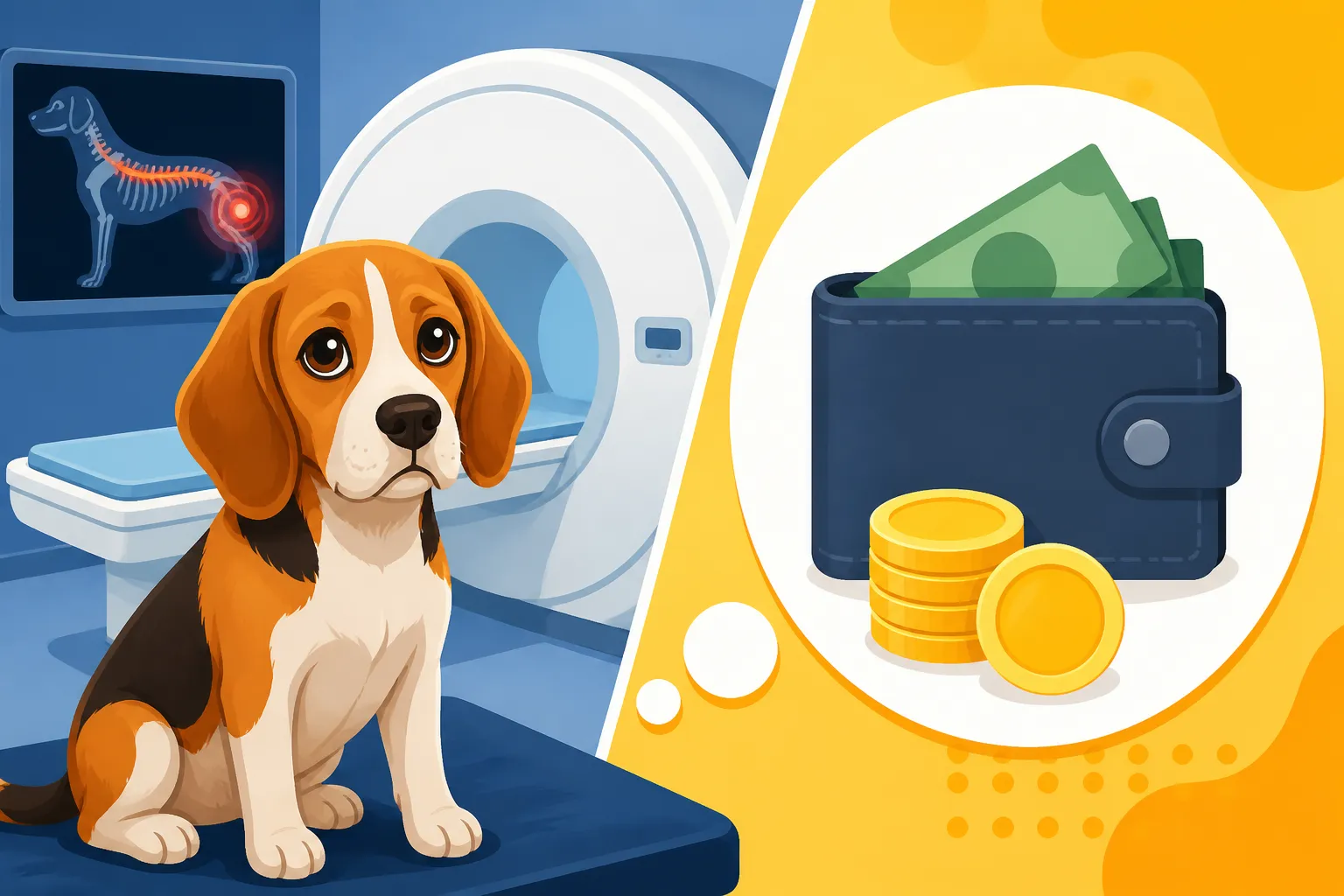
Imagine your Beagle, usually bounding around after every interesting smell, suddenly refusing to climb stairs or even lay down comfortably. You might notice early Beagle disc signs long before paralysis, like a hesitation to jump, a lowered head posture suggesting neck pain, or a general stiffness. While X-rays can show narrowed disc spaces or calcified discs, they don't give a clear picture of which disc is compressing the spinal cord or how severely. The spinal cord itself is a soft tissue structure, and X-rays simply pass through it. An MRI, on the other hand, provides incredibly detailed cross-sectional images of the spine, allowing veterinary neurologists to precisely identify the affected disc, the degree of compression, and any associated inflammation or fluid buildup. This level of detail is absolutely critical for planning effective treatment, especially if surgery is on the table. Without it, surgeons would be operating almost blind, which is not a risk anyone wants to take with their cherished pet.
Differentiating Between Spinal Conditions
Sometimes, what looks like a classic disc problem might actually be something else. Perhaps it's an infection, a tumor, or even a different neurological condition. For example, some Beagles can develop Beagle Pain Syndrome and the Meningitis Behind It, which presents with similar pain symptoms but requires entirely different treatment from IVDD. A full-body MRI or a specific spinal MRI allows veterinary specialists to distinguish between these various possibilities. The comprehensive view an MRI provides helps rule out other causes of pain or neurological deficits, ensuring that your Beagle receives the correct diagnosis and, consequently, the most appropriate and effective treatment plan. This diagnostic precision saves time, reduces suffering, and ultimately improves the prognosis for your dog.
What to Expect During a Beagle MRI Procedure
The idea of your dog undergoing an MRI can be daunting, especially since it involves anesthesia. However, understanding the process can help ease some of those anxieties. An MRI is a non-invasive imaging technique that uses a powerful magnetic field and radio waves to create detailed images of the body's internal structures. For a dog, this means a completely still patient is required, which necessitates general anesthesia.
The Anesthesia and Monitoring Process
Before your Beagle even gets close to the MRI machine, a thorough pre-anesthetic workup is essential. This typically includes blood tests to check organ function and an electrocardiogram (ECG) to assess heart health, especially vital for an older Beagle. This is crucial to ensure your dog is a good candidate for anesthesia. Once cleared, your Beagle will be intubated, and anesthesia will be carefully administered and monitored by a dedicated veterinary technician or anesthesiologist throughout the entire procedure. They will continuously monitor vital signs like heart rate, breathing, blood pressure, and oxygen saturation. The actual MRI scan itself might take anywhere from 30 minutes to an hour or more, depending on the complexity and the number of areas being scanned. While it's nerve-wracking to leave your dog, rest assured that specialized veterinary teams handle these procedures with the utmost care, focusing on patient safety above all else.
The MRI Scan Itself and Post-Procedure Care
Once under anesthesia and stable, your Beagle will be carefully positioned on a padded table that slides into the MRI machine. The machine makes loud thumping and whirring noises, which is another reason why anesthesia is necessary – not just for stillness but also to prevent stress and fear from the sounds. Contrast agents might be injected to highlight specific tissues or abnormalities, further enhancing the diagnostic clarity. After the scan is complete, your Beagle will be moved to a recovery area where the veterinary team will closely supervise them as they wake up from anesthesia. Recovery usually involves a quiet, warm space, and monitoring for any lingering effects of the medication. Most Beagles are ready to go home later that day, though they might be a little groggy for the next 24 hours. You'll receive clear instructions on post-procedure care, including monitoring for any changes in behavior or appetite. Knowing your Beagle's history, such as whether they've had Beagle Heart Disease and Murmurs, will also inform the anesthetic protocol.
Key Factors Influencing Beagle MRI Costs
When facing a potential spinal injury in your Beagle, the financial aspect can add a significant layer of stress. The cost of an MRI for your Beagle is not a fixed number; it's a dynamic figure influenced by several factors. Understanding these can help you better anticipate the expense and plan accordingly.
Geographic Location and Veterinary Specialty Centers
Just like human healthcare, veterinary costs can vary significantly based on where you live. A major metropolitan area with higher overheads for clinics and a higher cost of living will generally see higher prices for advanced diagnostics compared to a rural setting. Furthermore, MRIs are not typically performed at every general veterinary clinic. They require specialized equipment and trained personnel, meaning your Beagle will likely be referred to a veterinary specialty hospital or a university veterinary teaching hospital. These facilities often have state-of-the-art equipment and a team of board-certified veterinary neurologists and radiologists, which naturally comes with a higher price tag. The expertise and advanced technology at these centers are invaluable, but they do contribute to the overall cost.
Scope of the Scan and Anesthesia Time
The specific area of your Beagle's spine that needs to be scanned will also impact the cost. Is it just the cervical (neck) region because of Beagle Neck Pain and a Head Held Low? Or is it the thoracolumbar (mid to lower back) section where most IVDD cases in Beagles occur? Sometimes, if the neurological signs are ambiguous, a full spinal MRI might be recommended, which takes more time and resources. Longer scan times mean longer anesthesia times, and anesthesia is a significant component of the overall bill due to the constant monitoring and expertise required. If your Beagle has other health concerns, like Beagle Hypothyroidism and the Weight It Puts On, the anesthesia protocol might need to be adjusted, potentially adding to the complexity and cost. Each additional minute under anesthesia, and each extra set of images, contributes to the final price.
Ancillary Services and Post-MRI Consultations
Beyond the MRI itself, there are other services that contribute to the total expense. As mentioned, pre-anesthetic blood work and ECGs are standard. Post-MRI, you'll need a consultation with the veterinary neurologist or surgeon to discuss the findings and outline the treatment plan, which could involve Beagle Disc Surgery and the Odds of Recovery. This follow-up appointment is crucial for understanding the diagnosis and making informed decisions. Some facilities may include these consultations in a bundled price, while others may bill them separately. Additionally, if the MRI reveals the need for immediate surgical intervention, the hospital may require a deposit for the surgery itself, which would be separate from the diagnostic costs. It’s also worth considering the cost of any medications needed post-procedure, even if just for pain management as your Beagle recovers from the anesthesia.
Navigating the Financial Realities of a Beagle Back Injury
The sudden expense of an MRI and potential surgery for a Beagle back injury can feel overwhelming. It's a significant financial commitment, but there are ways to prepare and manage these costs. Thinking ahead can make a world of difference when your furry family member needs urgent care.
Pet Insurance and Emergency Funds
One of the most effective ways to mitigate the high costs of veterinary emergencies, like an MRI for a spinal issue, is to have pet insurance. Companies like Healthy Paws offer various plans that can cover a significant portion of unexpected medical bills. It's crucial to enroll your Beagle in an insurance plan before any symptoms of a pre-existing condition, such as back pain, arise, as most policies won't cover conditions diagnosed prior to enrollment or during waiting periods. If insurance isn't an option or you're already past that window, building a dedicated Beagle Emergency Funds Worth Building is a proactive step every pet owner should take. Even setting aside a small amount each month can accumulate into a life-saving fund for your Beagle. This financial cushion can alleviate the pressure of making difficult decisions based on cost during a crisis.
Exploring Payment Plans and Financial Assistance
Many veterinary specialty hospitals understand that these are substantial expenses for pet owners and are often willing to work with you. Don't hesitate to ask about payment plans or financing options they might offer. Some hospitals partner with third-party medical credit providers that allow you to spread out payments over time, often with deferred interest if paid within a certain period. Additionally, there are numerous charitable organizations and breed-specific rescues that sometimes offer financial aid for owners facing significant veterinary bills, especially for conditions common to their breed. While these grants or assistance programs are not guaranteed and often have specific eligibility criteria, they are certainly worth investigating. Every little bit of help can contribute to ensuring your Beagle gets the care they need.
Considering Preventative Measures and Lifestyle Adjustments
While an MRI helps diagnose an existing problem, preventing future issues or managing mild ones can reduce the likelihood of needing expensive diagnostics. Beagles are prone to disc issues, so maintaining a healthy weight is paramount, as How Extra Weight Raises Beagle Disc Pressure. Regular, appropriate exercise, paired with a balanced diet (perhaps from brands like Ollie or Chewy that offer carefully formulated dog foods), can contribute to overall spinal health. Using Ramps for a Beagle's Bed and Car can also prevent jarring jumps that strain the spine. Being vigilant for Beagle Back Pain Warning Signs and addressing them with your vet early on can sometimes prevent a minor issue from escalating into a full-blown emergency requiring an MRI and surgery. Simple changes in daily habits can have a profound impact on your Beagle's long-term spinal health and, in turn, your veterinary costs.
| Factor | Impact on MRI Cost | Considerations |
|---|---|---|
| Geographic Location | Higher in urban/high cost-of-living areas | Research specialist centers in your region; consider travel for savings. |
| Clinic Type | Specialty hospitals & university vets are more expensive | Offers specialized expertise, advanced equipment, and comprehensive care. |
| Scope of Scan | Partial vs. full spinal scan | Based on neurological exam; full scan is more expensive due to time. |
| Anesthesia Time | Longer procedures mean higher costs | Includes pre-anesthetic workup, monitoring, and recovery. |
| Contrast Agents | May add to cost if used | Used to enhance image clarity for certain conditions. |
| Neurologist Consultation | Often billed separately or as part of a package | Essential for diagnosis, treatment planning, and discussing What Beagle Disc Surgery Costs. |
| Emergency vs. Scheduled | Emergency MRIs can incur additional fees | Scheduled procedures are often slightly less expensive and easier to plan for. |
| Additional Diagnostics | Blood work, X-rays, medication | Necessary pre-MRI steps and post-procedure care; often separate charges. |
Disclaimer
This article is for general informational purposes only and does not constitute professional advice. Laws, prices and regulations vary by location and change over time. Consult a qualified professional for guidance on your specific situation.