What a Beagle Ear Infection Visit Costs
It’s a truly miserable experience when your sweet Beagle, usually so full of life and bounce, starts shaking their head, scratching relentlessly at their ears, and letting out little whines of discomfort. As a Beagle owner, you know those long, floppy ears are adorable, but they’re also a magnet for trouble, and an ear infection can strike seemingly out of nowhere, leaving you worried about your pup and, let's be honest, your wallet. This guide will walk you through what to expect when a Beagle ear infection lands you at the vet's office, from the initial examination to ongoing management, helping you understand the financial journey of getting your beloved hound back to health.
The Frustration of Recurring Beagle Ear Infections
If you’ve owned a Beagle for any length of time, you’ve probably either experienced an ear infection firsthand or heard another Beagle parent lamenting them. It’s a common, irritating, and often recurring issue that can feel like a never-ending cycle of vet visits and ear drops. This isn’t just bad luck; it’s deeply rooted in their unique anatomy and love for sticking their noses where they shouldn't. The frustration isn't just seeing your dog in pain; it's the feeling that you're doing everything right, and still, those ears flare up.
Why Beagles Are Prone to Ear Issues
Beagles, with their iconic long, pendulous ears, are unfortunately predisposed to ear infections. These magnificent floppy ears, which are so effective at funneling scents right up their incredible noses, also create a warm, moist, and poorly ventilated environment within the ear canal. This dark, humid space is the perfect breeding ground for bacteria and yeast, which thrive in such conditions. Think of it like a tiny, cozy sauna for microbes, constantly inviting trouble.
Beyond their ear structure, Beagles love to explore the great outdoors, often plowing their noses and ears through tall grass, muddy puddles, and whatever exciting scents they discover. This means they're constantly picking up dirt, pollen, and moisture, all of which can easily get trapped deep inside those long ear canals. Allergies, whether environmental or food-related, are also a huge culprit. If your Beagle is prone to itchy skin or paw licking, it's highly likely their ears will also be affected, leading to chronic inflammation that paves the way for infection. Preventing these issues often comes down to vigilance, regular cleaning, and knowing the specific challenges presented by Why Beagle Ears Trap Moisture So Well.
Recognizing the Early Signs
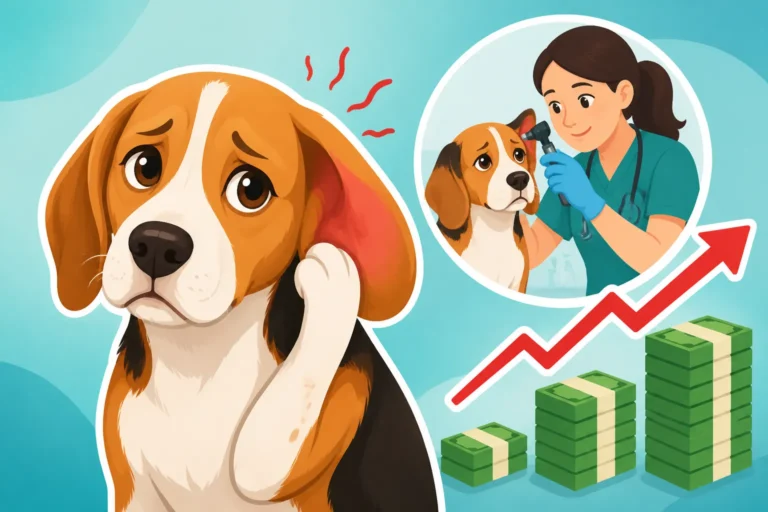
Catching an ear infection early can make a world of difference, not only for your Beagle's comfort but also for the cost of treatment. The moment you notice your Beagle shaking their head more than usual, scratching intently at one or both ears, or rubbing their head along the carpet or furniture, it's time to pay close attention. You might also notice a foul odor emanating from their ears, or a discharge that could be waxy, dark, or pus-like. The inner flap of the ear might appear red, swollen, or unusually warm to the touch.
Sometimes, the signs are more subtle. Your Beagle might become sensitive when you touch their head, or they might tilt their head to one side, favoring the unaffected ear. They might even seem a bit lethargic or withdrawn, simply because they're uncomfortable. Ignoring these early warnings can lead to the infection spreading deeper into the ear canal, causing more severe pain and making treatment more complex and, naturally, more expensive. Don't wait until it becomes an emergency; learning Beagle Ear Infection Symptoms to Catch Early is crucial for proactive care.
Breaking Down the Initial Vet Visit Costs
When you first suspect an ear infection, a trip to your primary care veterinarian is the first step. This initial visit is designed to diagnose the problem, assess its severity, and get your Beagle started on the path to recovery. While the actual numbers will vary greatly depending on your location and your vet's specific pricing, we can discuss the components that typically make up that bill. It’s rarely just a quick peek and a bottle of drops; a thorough diagnosis is essential for effective treatment.
Examination Fees and Diagnostics
The first thing you’ll pay for is the veterinary examination fee. This covers the vet’s time and expertise in assessing your Beagle's overall health, discussing their symptoms with you, and performing a physical exam, which includes a thorough inspection of both ears with an otoscope. This initial exam is fundamental, and it’s usually a flat fee. However, for an ear infection, the examination doesn’t stop there.
To determine the type of infection (bacterial, yeast, or both) and rule out other issues like ear mites or foreign bodies, your vet will almost certainly perform diagnostics. This typically involves an ear cytology, where a swab of the ear discharge is taken and examined under a microscope. This simple test is incredibly valuable for identifying the specific organisms present, allowing the vet to prescribe the most effective medication. In some cases, if the infection is particularly stubborn or chronic, they might recommend a culture and sensitivity test, which sends a sample to an external lab to grow the bacteria and determine which antibiotics will be most effective. This more advanced test adds a significant cost, but it can be a lifesaver for persistent infections. You might also encounter discussion around Telling Beagle Ear Mites From an Infection during this diagnostic stage.
Medications and Treatment Plans
Once the diagnosis is made, your vet will prescribe a treatment plan, which almost always involves medication. For a typical, straightforward ear infection, this will likely include a topical ear medication that contains antibiotics, antifungals, and/or steroids to reduce inflammation. These drops or ointments are applied directly into your Beagle's ear canal, usually once or twice a day for a specified period. The cost of these medications can vary depending on the specific drug, its concentration, and the duration of treatment.
In addition to topical treatments, your vet might also prescribe oral medications, especially if the infection is severe, deep-seated, or causing significant pain. This could include oral antibiotics to combat systemic bacterial infections, anti-inflammatory drugs to reduce swelling and discomfort, or even pain medication. You might also be sent home with a bottle of ear cleaner, which is vital for preparing the ear canal for the topical medication and for ongoing preventative care. Getting into a routine of Cleaning a Beagle Ear Before Infection Starts can significantly reduce the chances of needing these costly medications in the future.
Here's a general breakdown of potential initial visit costs:
| Item | Typical Cost Range (Initial Visit) | Notes |
|---|---|---|
| Veterinary Exam Fee | Moderate | Standard charge for the vet's time and physical examination. |
| Ear Cytology | Moderate | Microscopic analysis to identify bacteria, yeast, or mites. |
| Topical Ear Medication | Moderate to High | Drops or ointment, often a combination of antibiotics, antifungals, steroids. |
| Oral Medication | Moderate to High | Antibiotics, anti-inflammatories, or pain relief, depending on severity. |
| Ear Cleaning Solution | Low to Moderate | Essential for preparing the ear and ongoing maintenance. |
| Total Initial Visit | Moderate to High | Can increase with severity, type of infection, and location. |
Note: These ranges are general, and actual prices will depend on your specific veterinary clinic, region, and the complexity of your Beagle's condition.
Understanding the Cost of Chronic or Complicated Cases
Sometimes, an ear infection isn't a one-and-done deal. Beagles are unfortunately prone to chronic or recurrent ear infections, which can escalate both the severity of the problem and the financial strain on you as an owner. This is where things can get truly expensive, requiring more in-depth diagnostics, specialist care, and long-term management strategies. It’s a frustrating reality when you've done everything right, only for the infection to return again and again.
Specialist Referrals and Advanced Diagnostics
If your Beagle's ear infection keeps coming back, or if it doesn't respond to standard treatments, your primary vet might recommend a referral to a veterinary dermatologist or an internal medicine specialist. These specialists have advanced training and equipment to tackle complex ear issues. A specialist visit will naturally start with a consultation fee that is higher than a general vet visit, and then you'll delve into more advanced diagnostics.
This could include sedation for a thorough ear exam, often involving a video otoscope to get a magnified view of the entire ear canal, identify blockages, or even take biopsies. They might perform a deep ear flush under anesthesia to thoroughly clean out debris, wax, and discharge that simple cleaning can't reach. In very severe or chronic cases, imaging like a CT scan or MRI might be necessary to look for polyps, tumors, or damage to the middle or inner ear, which are significant expenses that quickly add up. These advanced steps are crucial for unraveling the mystery of Beagle Yeast Ear Infections That Keep Returning or other persistent issues.
Long-Term Management and Prevention Costs
Once a chronic issue is identified, the focus shifts to long-term management and prevention. This isn't just about treating the current flare-up but preventing future ones. This can involve ongoing medication, which might include daily or weekly maintenance ear drops, regular prescribed ear cleaners, or even continuous oral medications if an underlying condition like allergies is severe. The cost of these recurring prescriptions and preventative solutions can become a steady drain on your budget.
Beyond medication, long-term management might require a complete overhaul of your Beagle's diet, especially if food allergies are suspected. This could mean prescription hydrolyzed protein diets or novel protein diets, which are often more expensive than regular commercial foods. Furthermore, if environmental allergies are at play, allergy testing (like intradermal skin testing or blood tests) might be recommended, followed by immunotherapy (allergy shots or oral drops), which involves significant upfront costs and ongoing monthly expenses. This comprehensive approach is designed to break the cycle of infection, but it certainly comes with its own set of financial implications. Proactive care like The Five Minute Beagle Ear Routine can help, but sometimes deeper issues require more.
Budgeting and Planning for Beagle Ear Health
The unpredictable nature of veterinary costs, especially for something as common yet potentially chronic as Beagle ear infections, can be incredibly stressful. It’s not just about the current bill; it's about the "what ifs" down the road. However, with some smart budgeting and proactive planning, you can significantly ease the financial burden and ensure your Beagle gets the best possible care without breaking the bank.
The Role of Pet Insurance
Pet insurance can be a real lifeline when unexpected veterinary bills arise, and recurring ear infections are a prime example of where it can shine. Most comprehensive pet insurance policies, like those offered by providers such as Healthy Paws, cover diagnostic tests, medications, and even specialist visits for conditions like ear infections, as long as the condition isn't pre-existing (meaning it wasn't diagnosed before your policy started or during your waiting period). It's crucial to understand your policy's deductible, reimbursement percentage, and annual limits, as these will dictate how much you're ultimately responsible for.
While paying a monthly premium for pet insurance might seem like an extra expense, it can save you thousands of dollars over your Beagle's lifetime, especially if they develop chronic ear issues or other common Beagle health problems like Beagle Hypothyroidism and the Weight It Puts On or Beagle Hip Dysplasia and Everyday Joint Wear. Research different providers and plans, paying close attention to what's covered for chronic conditions and whether specific breeds have exclusions or higher premiums. Signing up for pet insurance when your Beagle is young and healthy is often the most cost-effective approach, as it helps avoid pre-existing condition clauses. You can research Beagle Insurance Premiums Provider by Provider to find a plan that suits your budget.
Saving on Supplies and Prevention
While a full-blown ear infection requires professional veterinary care, there's a lot you can do to prevent them and save money on routine supplies. Regular cleaning with a vet-approved ear cleaning solution is paramount, especially after baths or swimming, to keep moisture and debris from building up. You can often purchase these solutions directly from your vet, or sometimes find them at a lower price from online retailers like Chewy. Having a good quality ear cleaner on hand for weekly use can drastically cut down on emergency vet visits.
Furthermore, consider your Beagle's diet. If your vet suspects food allergies are contributing to ear issues, investing in a high-quality, potentially novel protein or limited ingredient diet can be a form of prevention. Some owners find that fresh food services, like Ollie, which provide custom-portioned meals, can contribute to overall skin and coat health, indirectly reducing allergy flare-ups that can lead to ear infections. While these might be more expensive upfront than traditional kibble, if they prevent costly chronic conditions, they can save money in the long run. Remember that proactive care, including regular ear checks and diligent cleaning routines like those covered in How Often a Beagle's Ears Need Cleaning, is your best defense against those recurring costs and your Beagle's discomfort.
Disclaimer
This article is for general informational purposes only and does not constitute professional advice. Laws, prices and regulations vary by location and change over time. Consult a qualified professional for guidance on your specific situation.