Why Beagle Ears Trap Moisture So Well
It's a frustrating but common reality for many Beagle owners: you adore those long, velvety ears, but they often seem to be a magnet for trouble. If you've ever found yourself asking why your Beagle's ears are constantly damp, prone to odor, or simply a recurring source of ear infections, you're not alone. The truth is, the very design of a Beagle's ear, combined with their active, curious nature, makes them exceptionally good at trapping moisture, creating a perfect breeding ground for bacteria and yeast. This comprehensive guide will delve deep into the unique characteristics that contribute to this problem and arm you with the knowledge and strategies to keep your beloved Beagle's ears as healthy and dry as possible.
The Unique Anatomy of a Beagle's Ear
To understand why Beagle ears trap moisture so effectively, we first need to look at their anatomy. It's not just a coincidence; their ears are practically designed for it, which, while endearing to us, can be a pain for our pups.
Pendulous Ear Flaps The Droopy Design
The most obvious feature of a Beagle's ear is its length and the way it hangs low, often reaching below their jawline. These are known as pendulous ears, and they are a hallmark of many scent hound breeds. While beautiful and iconic, this drooping design is the primary culprit in moisture retention.
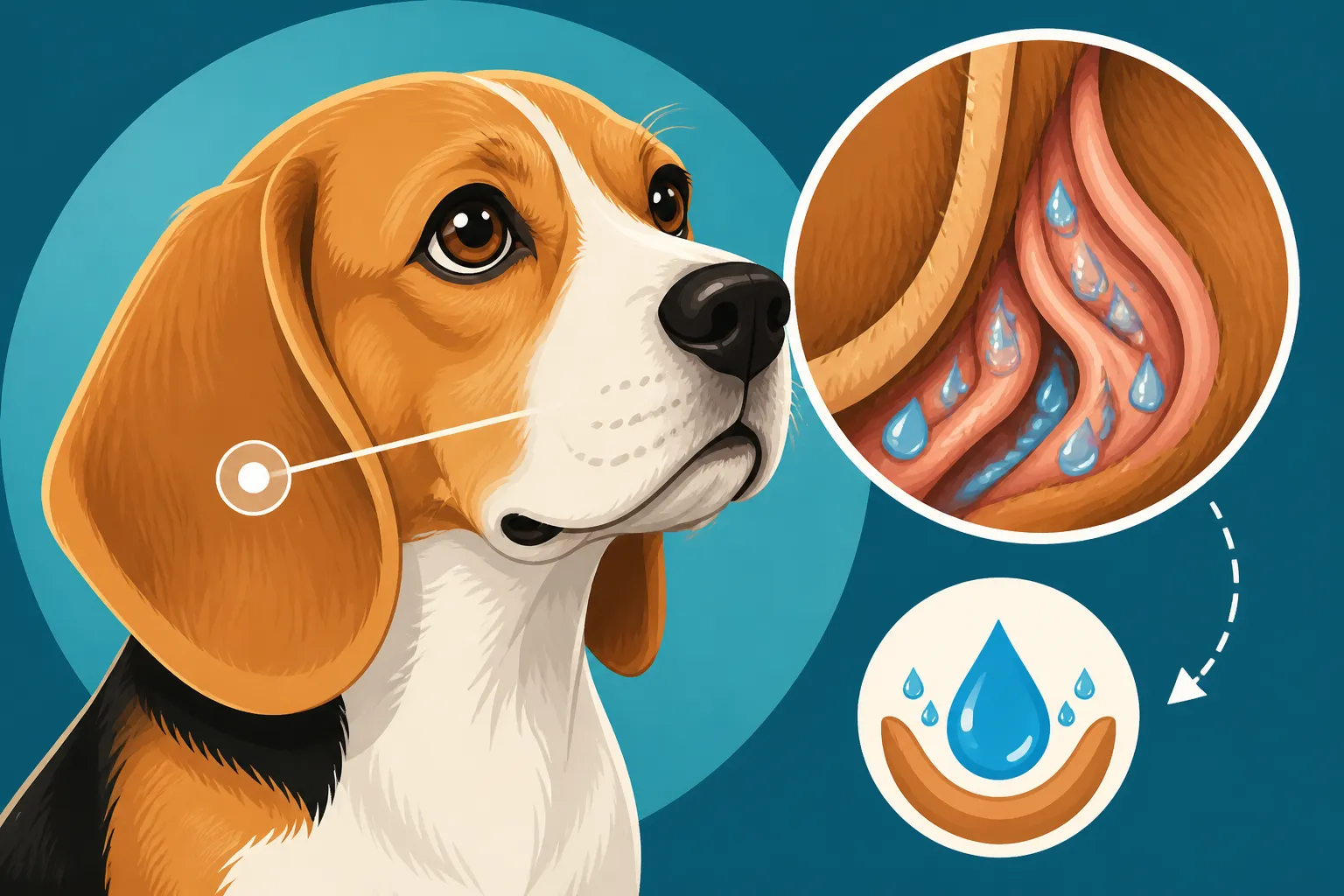
Unlike dogs with erect or semi-erect ears, which allow for better air circulation, a Beagle's ear flaps cover the ear canal completely. Think of it like a curtain drawn over a window – it blocks out the light, and in this case, it blocks out air. This lack of airflow means that any moisture that enters the ear canal, whether from a bath, a swim, or even just humidity in the air, has a much harder time evaporating. It creates a warm, dark, and damp microclimate inside the ear, which is exactly what yeast and bacteria love for a party. Owners often notice a distinctive smell, an early sign that this environment is taking its toll. It’s part of why tackling Beagle Ear Infections and the Drooping Ear Flap is such a persistent challenge for the breed.
Furthermore, the inside of these floppy ear flaps can also contribute to the problem. If they're not kept clean, skin folds can harbor debris or irritants. Over time, the repeated moist conditions can lead to skin irritation on the flap itself, compounding the issue of a happy, healthy ear. It's not just the canal we have to worry about, but the entire ear structure.
Narrow, Winding Ear Canals
Beyond the external ear flap, the internal structure of a Beagle's ear canal also plays a significant role in trapping moisture. Canine ear canals are shaped like an "L," starting vertically and then making a sharp bend horizontally towards the eardrum. In Beagles, this canal is often narrower than in many other breeds, and the bend can be quite acute.
This narrow, winding passage makes it difficult for moisture to drain out naturally. Gravity, which might help water exit a more open, vertical ear canal, is less effective here. Instead, water can sit and pool at the bend of the "L," creating a stagnant pocket. This area becomes an incubator for microorganisms. The tight space also makes it harder for owners to properly clean and dry the ear effectively, even with the best intentions. It’s a double whammy: easier for moisture to get in and harder for it to get out. You might even feel the warmth when you lift your Beagle's ear flap, confirming that moist, airless environment. When this environment gets out of control, you'll inevitably be dealing with Beagle Yeast Ear Infections That Keep Returning, which are notoriously difficult to clear up without veterinary intervention.
This architectural quirk means that even a small amount of water can cause significant issues. For an active Beagle who loves to explore, a quick dip in a puddle or an enthusiastic shake of the head after a drink of water can introduce enough moisture to start a cascade of problems. The structural peculiarities are something breeders can't really change; it's simply part of what makes a Beagle a Beagle.
Hair Growth Within the Canal
Adding another layer to the moisture-trapping dilemma, many Beagles also have a noticeable amount of hair growing inside their ear canals. This isn't unique to Beagles, but when combined with their other ear characteristics, it becomes particularly problematic.
This internal ear hair acts like a sponge. It absorbs moisture and holds onto it, preventing it from evaporating. It also traps dirt, debris, and wax, creating a dense, damp mat within the ear canal. This further obstructs airflow and drainage, exacerbating the humid conditions. Imagine trying to air out a thick, damp carpet in a small, enclosed space – it's a slow, difficult process. The same principle applies here. The hair also makes it harder for ear cleaning solutions to penetrate and work effectively, as they have to navigate through this furry barrier. Some owners consider whether Beagle Ear Hair and Whether to Trim It is a good idea, but it’s crucial to discuss this with a vet first, as improper trimming can cause irritation or push debris further in.
While some breeds benefit from plucking ear hair to improve airflow, this can sometimes cause micro-traumas to the skin, leading to inflammation and actually increasing the risk of infection. It's a delicate balance and usually best handled by a professional groomer or veterinarian who understands the specific needs of a Beagle's ear. If your Beagle has particularly dense ear hair, it’s a factor that definitely needs to be considered in your regular ear care routine.
Everyday Scenarios That Compound Moisture Issues
Beyond their built-in anatomical predispositions, a Beagle's active lifestyle and common routines often add fuel to the fire when it comes to ear moisture. Many daily activities can inadvertently introduce or trap moisture, making consistent ear care a critical part of their overall health.
Post-Bath and Swim Risks
One of the most common ways Beagles encounter excessive ear moisture is during bathing or swimming. While these activities are essential for hygiene and enjoyment, they pose a significant risk to ear health if not managed properly.
During a bath, water can easily seep under those floppy ear flaps and into the ear canal. Even if you try to be careful, a sudden shake from your Beagle can splash water directly into their ears. The problem is compounded if soap or shampoo gets into the ear, as these can irritate the delicate skin of the ear canal and disrupt its natural pH balance, making it even more susceptible to infection. For Beagles who adore water, like a splash in a lake or a doggy pool, the risk skyrockets. They might shake their heads furiously afterward, but that's rarely enough to dry the deep, L-shaped canals. This makes Drying Beagle Ears Thoroughly After a Bath or a swim absolutely non-negotiable. Many owners simply don't realize how much water can remain trapped, leading to a silent breeding ground for problems that only manifest days later.
The consequences of neglecting post-bath or post-swim ear care can range from a mild irritation to a full-blown, painful infection. It's a prime example of how quickly a fun activity can turn into a health issue if precautions aren't taken. Implementing a rigorous drying protocol immediately after any water exposure is not just a suggestion; it's a necessity for Beagle owners.
Outdoor Adventures and Environmental Factors
Beagles are scent hounds through and through, meaning their noses are almost always to the ground, pulling them through all sorts of environments. This love for exploration exposes their ears to various environmental factors that can introduce or perpetuate moisture.
Think about a Beagle romping through dewy grass on a morning walk or pushing through damp underbrush during a hike. Their long ears drag along, picking up moisture, dirt, pollen, and other debris, all of which can then be funneled directly into the ear canal. Even a rainy day walk can leave their ears significantly damp. The closed-off nature of their ears means these external elements, once introduced, have trouble getting out and can contribute to irritation and infection. If your Beagle is particularly keen on sniffing every blade of grass, they're essentially giving their ears a constant, moist sponge bath of the environment. This constant exposure is why keeping up with How Often a Beagle's Ears Need Cleaning is so important, regardless of whether they've been swimming.
Beyond direct contact with moisture, environmental humidity itself can be a factor. In hot, humid climates, the air alone can be enough to create a damp environment within a Beagle's covered ear canal, even without direct water exposure. This means that year-round vigilance is often required, not just after specific water-related events. For a Beagle, simply existing in a moist environment can be enough to trigger an ear issue if their ears aren't regularly checked and cared for.
The Role of Allergies and Underlying Conditions
While anatomy and environmental exposure are major players, it's crucial not to overlook the role of allergies and other underlying health conditions in exacerbating moisture-related ear problems. These can make a Beagle's ears even more prone to issues, even with diligent cleaning.
Allergies, whether environmental (like pollen, dust mites) or food-related, often manifest as skin inflammation and itching. The ears are a common target for these allergic reactions. When a Beagle's ears become itchy due to allergies, they might scratch, rub, or shake their head excessively. This trauma can cause micro-abrasions to the delicate skin inside the ear canal, making it easier for bacteria and yeast to take hold. Furthermore, allergic inflammation can lead to increased wax production and swelling within the ear canal, narrowing it even further and further reducing airflow and drainage. This creates an even more potent moist environment, a vicious cycle where allergies lead to infection, and the infection then causes more irritation. Sometimes, addressing Beagle Skin Allergies and Constant Itching can significantly reduce the frequency of ear infections.
Other underlying conditions, such as hypothyroidism or even certain autoimmune diseases, can also affect skin and ear health, making them more susceptible to problems. If your Beagle suffers from chronic, recurring ear infections despite your best efforts at cleaning and drying, it's absolutely essential to consult your veterinarian about investigating potential allergies or other systemic health issues. Treating the root cause, rather than just the symptoms, is often the key to long-term ear health for many Beagles. Pet insurance providers like Healthy Paws often cover diagnostic testing and ongoing treatment for allergies and chronic conditions if enrolled before the condition develops.
Proactive Strategies for Keeping Beagle Ears Dry and Healthy
Given all the factors working against a Beagle's ears, proactive care isn't just a good idea – it's absolutely essential. Establishing a consistent routine can dramatically reduce the frequency and severity of ear infections, saving both you and your Beagle a lot of discomfort and vet visits.
The Importance of Regular and Thorough Cleaning
Regular ear cleaning is the cornerstone of preventing moisture-related ear problems in Beagles. It’s not just about wiping them out when they look dirty; it's about systematically removing debris, excess wax, and any trapped moisture to disrupt that perfect breeding ground for microbes.
How often should you clean them? For many Beagles, a weekly cleaning is ideal. However, some Beagles, especially those prone to recurring issues or those who swim frequently, might benefit from cleaning every few days. The goal is to keep the ear canal clean and dry without over-irritating it. When choosing a solution, always opt for a veterinarian-approved ear cleaner. These are formulated to be gentle, non-irritating, and often contain ingredients that help dry the ear canal and maintain a healthy pH. Never use rubbing alcohol or hydrogen peroxide, as these can be irritating and damaging to the delicate ear tissues. Many owners find The Five Minute Beagle Ear Routine a manageable way to incorporate this crucial task into their week.
The cleaning process itself involves gently lifting the ear flap, applying the cleaning solution into the ear canal until it's full, and then gently massaging the base of the ear for about 20-30 seconds. You'll often hear a squishing sound, which means the solution is working its way down the canal. After massaging, allow your Beagle to shake their head (have a towel ready!). This helps dislodge debris. Finally, use a soft cotton ball or gauze wrapped around your finger to gently wipe out any visible debris and excess solution from the outer parts of the ear canal and the underside of the ear flap. Never insert cotton swabs deep into the ear canal, as this can push debris further down or damage the eardrum.
Effective Drying Techniques
Cleaning is only half the battle; drying is equally, if not more, critical for Beagles. If you clean their ears but leave them damp, you've essentially just created an even cleaner, more inviting home for yeast and bacteria.
After every bath, swim, or even a very wet walk, dedicate time to thoroughly drying your Beagle's ears. Start by using a clean, soft towel to blot the outside and underside of the ear flaps. Gently lift the ear flap and use another fresh cotton ball or a soft piece of gauze to meticulously dry the entrance of the ear canal. You want to absorb as much visible moisture as possible. For very wet ears, some vets recommend using a pet-specific ear drying solution. These are typically alcohol-based but formulated to be less irritating than pure alcohol, designed to evaporate quickly and help dry the ear canal after water exposure. These should not be confused with regular ear cleaners and are used after water exposure to aid drying.
Another helpful tip is to keep the ear canal open to the air for a while after cleaning or bathing. While you can't force air into the L-shaped canal, keeping the outer ear flap lifted or gently propped open for 10-15 minutes can improve air circulation at the entrance. This might involve distracting your Beagle with a favorite chew or a puzzle toy during this time. Remember, the goal is to eliminate that warm, dark, moist environment. Being diligent about Drying Beagle Ears After a Swim will dramatically cut down on ear infections.
Managing Allergies and Diet
While ear cleaning and drying tackle the immediate moisture issue, addressing underlying allergies and maintaining a healthy diet can significantly reduce inflammation and improve overall ear resilience. These are crucial components for Beagles prone to chronic ear problems.
If your Beagle suffers from recurrent ear infections, especially accompanied by other symptoms like itching, paw licking, or skin rashes, discussing allergy testing with your vet is a wise step. Identifying the specific allergens (whether environmental or food-related) allows for targeted management strategies. This might include allergy medications, immunotherapy (allergy shots), or dietary changes. For Beagles with suspected food allergies, a prescription elimination diet under veterinary guidance can be transformative. This involves feeding a novel protein or hydrolyzed protein diet for several weeks to identify and eliminate triggering ingredients. Improving gut health through a balanced diet can also strengthen the immune system, making your Beagle less susceptible to infections in general, including those in the ears.
Dietary supplements can also play a supportive role. Omega-3 fatty acids, for example, have anti-inflammatory properties that can benefit skin and ear health. Probiotics can help support a healthy gut microbiome, which is closely linked to immune function and can influence allergic responses. Always consult your vet before adding any supplements to your Beagle's diet to ensure they are appropriate and won't interact with any other medications. A holistic approach that combines diligent ear care with allergy management and proper nutrition provides the best defense against those persistent ear woes.
Recognizing the Signs of Trouble and When to Call the Vet
Even with the most diligent preventative care, Beagles can still develop ear problems. Their predisposition is simply too strong to completely eliminate the risk. Knowing how to spot the early signs of an infection and understanding when to seek professional veterinary help is paramount to their comfort and long-term health.
Early Warning Signals of Infection
Catching an ear infection early is key to successful treatment and preventing it from becoming a more severe, painful, or chronic issue. Beagles, being the stoic little hounds they are, might not always make their discomfort obvious until it's quite advanced, so regular checks are essential.
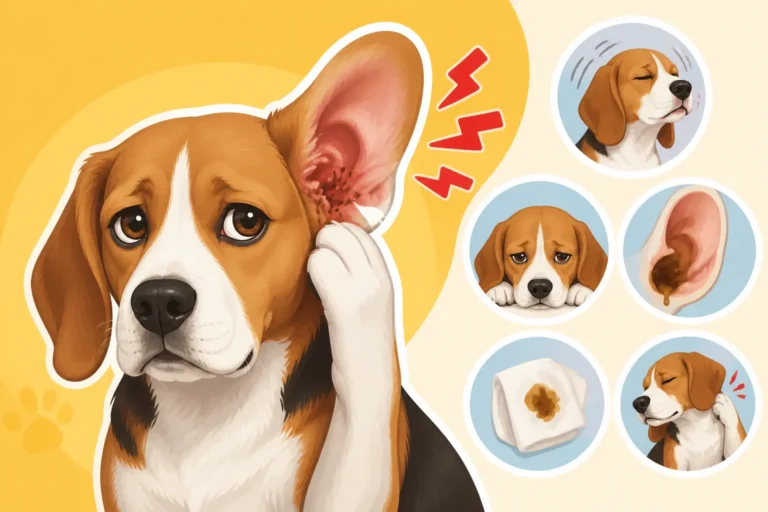
One of the first things you might notice is a change in behavior. Is your Beagle shaking their head more than usual? Are they scratching at their ears with their back paws or rubbing their head against furniture or the carpet? These are common indicators of itchiness or irritation. Another tell-tale sign is the smell. A healthy Beagle ear should have a very faint, neutral odor. If you detect a strong, yeasty, or foul smell when you lift their ear flap, it's almost certainly a sign of an infection brewing. Visually, look for redness or swelling inside the ear canal or on the underside of the ear flap. You might also see discharge, which can range from dark brown and waxy (often yeast) to yellow-green and pus-like (often bacterial). Sometimes, an ear hematoma, a swelling on the ear flap itself, can develop from vigorous head shaking, indicating severe discomfort.
Don't ignore these subtle clues. What starts as a mild irritation can quickly escalate into a painful infection that causes your Beagle significant distress. Regular, gentle inspections of your Beagle’s ears should be part of your routine. Lift those floppy ears, take a sniff, and visually inspect the canal. If you notice any of these signs, it's time to act. Delaying treatment can lead to deeper, harder-to-treat infections, and chronic problems that become much more difficult and costly to manage.
The Costs and Considerations of Chronic Ear Issues
Dealing with recurring ear infections can be incredibly frustrating and emotionally taxing for Beagle owners, not to mention expensive. If your Beagle is suffering from frequent ear problems, it's vital to consider the long-term implications and costs involved.
Chronic ear infections often require repeated vet visits, courses of antibiotics or antifungal medications, and specialized ear cleaning solutions. Each visit can involve an examination, cytology (looking at ear swabs under a microscope to identify bacteria or yeast), and sometimes even sedated ear flushes if the infection is particularly deep or stubborn. These costs can quickly add up, especially if the infections are happening multiple times a year. In severe, chronic cases where the ear canal has become permanently damaged and narrowed (a condition called End-Stage Ear Disease), surgery might even be recommended. Total Ear Canal Ablation (TECA) is a major surgical procedure that removes the entire ear canal and can cost thousands of dollars. Having pet insurance from a provider like Healthy Paws can offer significant financial relief for these unexpected and recurring medical expenses, covering a large percentage of vet bills for diagnostics, medications, and even surgery.
Beyond the financial burden, there's the emotional toll. Seeing your beloved Beagle in pain or discomfort, constantly shaking their head or scratching, is heartbreaking. Chronic infections can also affect their hearing and quality of life. It’s important to work closely with your veterinarian to develop a comprehensive management plan. This might involve identifying and treating underlying allergies, trying different medications, or even consulting with a veterinary dermatologist. The goal is not just to treat the current infection but to break the cycle and prevent future occurrences, ensuring your Beagle can live a happy, comfortable, and itch-free life.
| Factor | Contributes to Moisture Trapping | Helps Prevent Moisture Trapping | Key Action for Owners |
|---|---|---|---|
| Pendulous Ear Flaps | Yes | No | Regular lifting for air; diligent drying |
| Narrow Ear Canal | Yes | No | Proper cleaning technique; avoid cotton swabs deep |
| Hair in Ear Canal | Yes | No | Discuss professional trimming/plucking with vet |
| Swimming/Baths | Yes | No | Immediately dry ears thoroughly post-water |
| Outdoor Exploration | Yes | No | Clean ears after dirty/wet outings |
| High Humidity | Yes | No | Increase cleaning frequency in humid climates |
| Allergies | Yes (inflammation, wax) | No (if uncontrolled) | Work with vet on allergy management (diet, meds) |
| Regular Ear Cleaning | No | Yes | Weekly cleaning with vet-approved solution |
| Effective Drying | No | Yes | Towel blot, cotton ball wipe, possibly drying drops |
| Early Vet Intervention | No | Yes | Contact vet at first sign of irritation or odor |
Disclaimer
This article is intended for informational purposes only and does not constitute medical advice. Always consult with a qualified veterinarian for any health concerns or before making any decisions about your Beagle's medical care or treatment.