Drying Beagle Ears After a Swim
Oh, the sheer joy of a Beagle discovering a puddle, a stream, or even a shallow kiddie pool on a hot day! Their little tails start thumping, their noses go into overdrive, and next thing you know, they're splashing around like there's no tomorrow. It's truly heartwarming to watch. But as a Beagle parent, that joy can quickly turn into a tiny knot of worry, because while they adore the water, their adorable, long, floppy ears are absolute magnets for moisture and subsequent infections. Neglecting to dry those ears properly after a swim isn't just a minor oversight; it's practically an open invitation for discomfort, itching, and costly vet visits. This guide is all about giving you the practical, empathetic, and realistic steps you need to keep your Beagle's ears happy, healthy, and infection-free, no matter how many impromptu swimming sessions they indulge in.
Why Beagle Ears Are So Vulnerable After a Swim
It's not just a Beagle thing; many breeds with pendulous (droopy) ears face this challenge, but our Beagles, with their distinct ear structure, are particularly susceptible. Understanding why their ears are at risk is the first step to preventing problems. It's like knowing your house has a leaky roof before the storm hits; you can be prepared.
The Anatomy of a Beagle's Droopy Ears
Think about those beautiful, soft, low-set ears that frame your Beagle's sweet face. They're undeniably charming, but they're also designed in a way that creates a perfect little warm, dark, and often humid microclimate right next to their head. Unlike dogs with prick ears that allow for plenty of air circulation, a Beagle's ear flap, or pinna, hangs down, covering the opening of the ear canal. This means that once water gets in—whether from a swim, a bath, or even a very enthusiastic drink from their bowl—it doesn't easily evaporate. It just sits there.
Furthermore, a Beagle's ear canal isn't a straight shot like ours. It has a distinctive "L" shape, starting vertically and then taking a sharp turn horizontally towards the eardrum. This anatomical bend makes it incredibly difficult for trapped water, debris, or earwax to naturally drain out. Instead, it pools in that horizontal section, creating a damp, stagnant environment. You might even find yourself looking up information on Beagle Ear Infections and the Drooping Ear Flap because this anatomical quirk is such a huge contributor.
The Perfect Breeding Ground for Trouble
Now, combine that trapped moisture with the natural warmth of a dog's body, and you've got yourself a five-star resort for unwelcome guests: yeast and bacteria. These microscopic organisms are naturally present in small numbers on a dog's skin and in their ears, but when conditions become ideal—i.e., warm, dark, and damp—they proliferate rapidly. This overgrowth leads directly to ear infections.
Yeast infections, often caused by Malassezia pachydermatis, are incredibly common in Beagles. You'll notice a distinct, often sweet-ish or cheesy odor, along with reddish skin and a greasy discharge. Bacterial infections, on the other hand, can be even more painful and might produce a foul odor and pus. Both are incredibly uncomfortable for your dog, causing intense itching and pain. It's a frustrating cycle that can be easily triggered by a simple swim if proper post-swim care isn't a priority. Knowing how susceptible they are truly highlights the importance of thorough drying every single time. It's also why many owners eventually look into topics like Beagle Yeast Ear Infections That Keep Returning as it can be a persistent battle if not managed correctly.
The Essential Steps for Post-Swim Ear Care
Once the fun in the water is over, the real work for Beagle parents begins. This isn't a step you can skip or rush; it truly makes all the difference in preventing uncomfortable and painful ear infections. Think of it as an integral part of their swimming adventure, just like towel-drying their coat.
Gentle External Drying Techniques
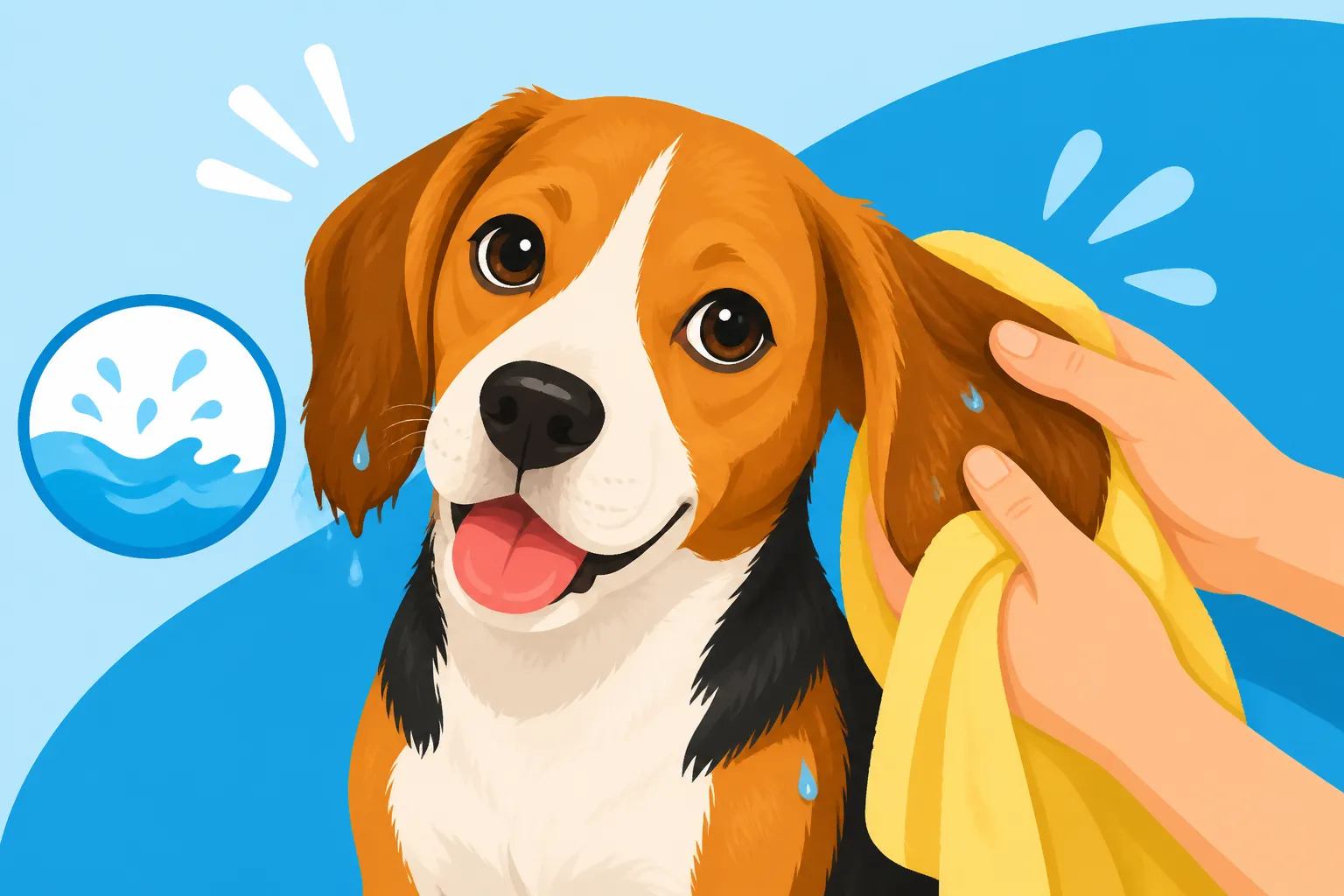
The first line of defense is getting rid of as much surface moisture as possible. As soon as your Beagle is out of the water, grab a soft, clean towel. Gently pat the outer part of their ear flap, focusing on the underside where it meets their head. Don't rub vigorously, as this can irritate the delicate skin or push water further into the ear canal.
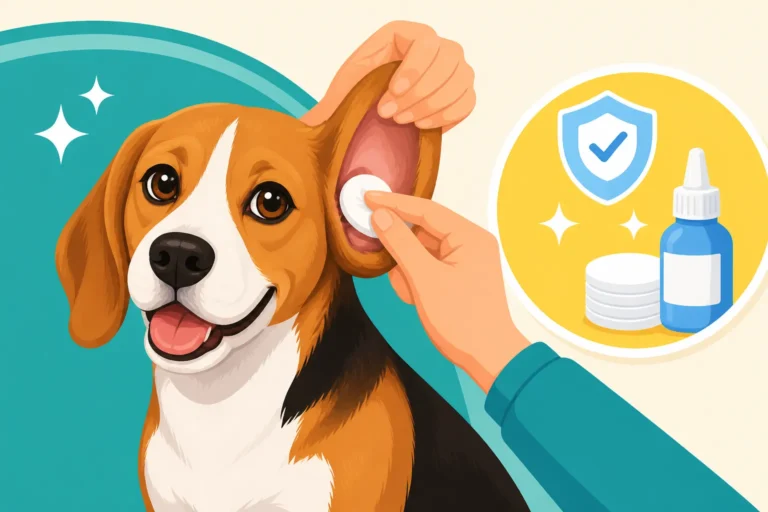
Next, you'll want to address the entrance of the ear canal. Take a clean cotton ball or a soft gauze square. Gently wipe the visible parts of the ear, including the folds and crevices just inside the ear opening. Remember, you're only wiping what you can see. Never insert anything deep into the ear canal, like a cotton swab (Q-tip), as this can push debris further in, damage the eardrum, or irritate the sensitive skin, potentially leading to inflammation or infection. Your goal is to absorb moisture, not to probe. Repeat with fresh cotton balls until they come out dry. This simple habit, performed consistently, is a huge part of The Five Minute Beagle Ear Routine that can save a lot of heartache.
Using a Canine-Specific Ear Cleaner
Even after external drying, there can still be residual moisture deeper in that "L"-shaped canal. This is where a good quality, canine-specific ear cleaner comes in. These cleaners are designed to help dry out the ear canal, acidify the environment (which discourages yeast and bacteria growth), and gently break down wax and debris.
When choosing a cleaner, look for one that is alcohol-free and has a drying agent. Many reputable brands offer excellent options, and you can often find a good selection on platforms like Chewy or Amazon. Always ensure the product is specifically formulated for dogs and, if your Beagle has a history of ear issues, it's a good idea to chat with your vet about their recommended brand.
To apply, hold your Beagle's ear flap straight up. Gently squeeze the bottle to fill the ear canal with the cleaning solution, making sure not to touch the tip of the applicator to the ear to avoid contamination. You'll probably hear a squishy sound. Once the canal is full, gently massage the base of their ear for about 20-30 seconds. You might hear more squishing and gurgling – that's a good sign, as it means the solution is working its way down and loosening debris. After massaging, let your Beagle shake their head vigorously – they'll naturally want to, and this helps dislodge and bring up the loosened gunk. Finally, use a fresh cotton ball or gauze to wipe away any cleaner and debris that comes to the surface. Again, only wipe what you can see. This process is critical for Cleaning a Beagle Ear Before Infection Starts.
Ensuring the Ear Canal is Truly Dry
After using the cleaner and letting your Beagle shake, you might think you're done, but the final, crucial step is ensuring the ear canal is truly dry. Even ear cleaners formulated with drying agents need a little help to work optimally.
After the cleaning solution has done its job and your Beagle has had a good shake, give their ears another gentle wipe with dry cotton balls. Then, for maximum dryness, consider using a very low setting on a hairdryer, held at a safe distance (at least 12 inches) and continuously moving, or a small, quiet fan. The air should be cool, not warm or hot, as heat can also create a favorable environment for bacteria or burn their delicate skin. Direct the airflow generally towards the ear canal opening, allowing it to gently waft into the ear. This should only take a couple of minutes per ear. The goal is to encourage evaporation, not to blast their ear with air. Always check the temperature with your hand first.
If your Beagle isn't a fan of the hairdryer, simply letting them air dry in a well-ventilated area for another 30 minutes to an hour can also help. Just avoid immediately confining them to a crate or a small, stuffy room where humidity might linger. A dry ear is a happy ear, and this careful attention to detail helps to ensure Keeping Moisture Out of a Beagle's Ear Canal.
Common Pitfalls and How to Avoid Them
Even with the best intentions, it's easy to make mistakes when it comes to Beagle ear care. Understanding these common missteps can help you avoid them and keep your furry friend's ears in top condition. We want to be proactive, not reactive, when it comes to their health.
Over-Cleaning or Using Incorrect Products
While regular cleaning after water exposure is vital, there's such a thing as too much of a good thing, or using the wrong thing. Over-cleaning a Beagle's ears, especially with harsh solutions, can strip the ear canal of its natural protective oils, leading to dryness, irritation, and inflammation. This can, ironically, make the ears more susceptible to infection because their natural defenses are compromised. Stick to cleaning only when necessary – after swims, baths, or if you notice a little dirt buildup. For general maintenance, a weekly check and occasional wipe with a dry cotton ball might be all that's needed for an otherwise healthy ear.
Furthermore, never use human ear drops, hydrogen peroxide, rubbing alcohol, or vinegar directly in your Beagle's ears unless specifically instructed by your vet. Human products often have different pH levels or ingredients that can be irritating or even damaging to a dog's ear canal. Alcohol can be very drying and painful on irritated skin, and hydrogen peroxide, while it bubbles, can also be quite irritating and doesn't effectively clean the deeper canal. Always stick to vet-approved, canine-specific ear cleaners. You can often find these reliable products from pet supply retailers, like those available through Ollie for dogs with sensitivities, or general pet stores found on Amazon.
Missing Subtle Signs of Trouble
Beagles are pretty stoic sometimes, and they might not always make it obvious when their ears are starting to bother them. Waiting until your dog is frantically scratching or holding their head at an odd angle means an infection is likely already well underway. The key is to be observant and check their ears regularly, not just after a swim.
Subtle signs of developing ear trouble include:
- Slight increase in head shaking: More than usual, even if it's just a little twitch here and there.
- Mild ear scratching: A quick scratch, not yet frantic or constant.
- Faint odor: A barely perceptible "off" smell when you sniff their ear flap.
- Slight redness: A hint of pinkness inside the ear flap or at the canal opening.
- More frequent rubbing of ears on furniture or carpet: A subtle attempt to relieve minor itchiness.
Catching these issues early can mean the difference between a simple cleaning solution at home and a full-blown course of antibiotics from the vet. Regular, gentle inspection of your Beagle's ears, perhaps as part of your weekly grooming routine, will make you attuned to their normal appearance and smell, so any changes stand out immediately. This proactive approach can prevent minor irritation from escalating into a serious problem that requires more intensive care, saving your Beagle discomfort and you expense.
The Dangers of Neglecting Ear Drying
It's easy to think, "Oh, it was just a quick dip, they'll be fine." But neglecting to thoroughly dry your Beagle's ears after any water exposure can quickly lead to a cascade of problems. As we discussed, the moist, warm environment is a petri dish for opportunistic pathogens.
When yeast or bacteria take hold, they cause inflammation and irritation. This makes the ear canal even more susceptible to damage from scratching and head shaking, which in turn can lead to further inflammation, pain, and even aural hematomas (blood blisters on the ear flap caused by vigorous shaking). Chronic infections can lead to thickening of the ear canal walls, narrowing the passage and making it even harder for air to circulate and for medication to penetrate effectively. In severe, prolonged cases, it can even lead to hearing loss or require extensive surgery.
Beyond the immediate discomfort and potential for serious medical issues, neglecting ear care often leads to repeat vet visits, diagnostic tests, medications, and specialized cleaning solutions, all of which add up financially. An ounce of prevention, in this case, truly is worth a pound of cure. Making post-swim ear drying a non-negotiable part of your routine ensures your Beagle stays happy, healthy, and avoids the pain and complications of neglected ear health. You want to avoid the situation where you're asking The Signs a Beagle Ear Needs a Vet every other week.
When to Call the Vet: Recognising an Ear Infection
Sometimes, despite our best efforts, an ear infection can still take hold. It's crucial to know when to stop trying home remedies and pick up the phone to call your veterinarian. Early intervention is always best to prevent escalation and greater discomfort for your Beagle.
Observable Symptoms of an Ear Infection
While we talked about the subtle signs, there are much more obvious indicators that your Beagle has a full-blown ear infection and needs professional medical attention. These symptoms often include:
- Intense and persistent scratching or rubbing of the ears: Your Beagle might scratch so hard that they break the skin around their ears or cause their ears to become raw.
- Frequent head shaking: This isn't just a casual shake; it's often vigorous, repeated, and can look quite uncomfortable.
- Strong, foul odor coming from the ear: A noticeable, unpleasant smell (often yeasty, cheesy, or putrid) that you can detect without even getting too close.
- Redness and swelling: The inside of the ear flap and the visible part of the ear canal may appear red, inflamed, and even swollen.
- Discharge: You might see dark brown, yellowish, or black discharge, which can be waxy, crusty, or pus-like.
- Pain or sensitivity: Your Beagle may cry out, flinch, or resist when you try to touch their ear. They might hold their head tilted to one side.
- Scabs or crusts: Around the ear opening due to scratching or discharge.
- Changes in behavior: Lethargy, loss of appetite, or general irritability can also be signs of discomfort.
If you observe any of these symptoms, especially if they are severe or rapidly worsening, it's time for a vet visit. Don't wait to see if it gets better on its own; a bacterial infection won't typically resolve without proper medication.
Why Prompt Vet Attention is Crucial
Delaying veterinary care for an ear infection can have significant consequences. What starts as a relatively straightforward outer ear infection (otitis externa) can quickly progress to the middle ear (otitis media) or even the inner ear (otitis interna). These deeper infections are much more serious, harder to treat, and can lead to permanent damage, including hearing loss, balance issues, facial nerve paralysis, and chronic pain.
A veterinarian will be able to properly diagnose the type of infection (bacterial, yeast, or sometimes even ear mites, though less common in adult Beagles who swim frequently). They will typically examine the ear with an otoscope to look down the canal, check the eardrum, and often take a swab to look at under a microscope (cytology) to identify the specific organisms causing the problem. This allows them to prescribe the correct medication – whether it's topical ear drops, oral antibiotics, antifungals, or anti-inflammatories.
Trying to self-diagnose and treat can lead to using the wrong medication, which might not only be ineffective but could also exacerbate the problem or cause antibiotic resistance. By seeking prompt professional care, you ensure your Beagle receives the most appropriate and effective treatment, alleviating their discomfort quickly and preventing long-term complications. Don't underestimate the importance of regular care for those expressive ears, and always be prepared to seek veterinary guidance when needed.
Beagle Ear Care After a Swim: Quick Reference
| Action | When to Perform | Key Technique | Purpose |
|---|---|---|---|
| Towel Dry | Immediately after exiting water | Gently pat outer ear flap and visible folds with a soft, clean towel. Avoid vigorous rubbing. | Removes surface moisture and prevents water from dripping into the canal. |
| Cotton Ball Wipe | After towel drying | Use dry cotton balls to gently wipe visible parts of the outer ear canal and folds. Never insert deep. | Absorbs residual moisture from the ear opening and superficial crevices. |
| Canine Ear Cleaner | After initial drying | Fill ear canal, massage base for 20-30 seconds, let dog shake head. Wipe away discharge. | Dries deep within the L-shaped canal, acidifies environment, helps break down wax/debris. |
| Air Dry/Low Fan | After cleaning solution and head shake | Allow natural air drying or use a cool, low-setting hairdryer (12+ inches away, constantly moving). | Ensures complete evaporation of remaining moisture in the canal to prevent microbial growth. |
| Regular Ear Checks | Weekly, and after any water exposure | Visually inspect ears, gently sniff, look for redness, discharge, or irritation. | Catches subtle signs of infection early, allowing for prompt intervention. |
| Vet Consultation | At first sign of strong odor, redness, excessive scratching, discharge, or pain. | Do not delay; seek professional diagnosis and appropriate medication. | Ensures accurate diagnosis and effective treatment, preventing severe complications and chronic issues. |
This article is for general informational purposes only and does not constitute professional advice. Laws, prices and regulations vary by location and change over time. Consult a qualified professional for guidance on your specific situation.