Beagle Ear Infections and the Drooping Ear Flap
There's nothing quite like the boundless joy a Beagle brings into your life, but if you're a Beagle parent, you know that joy can sometimes come with a chorus of head shakes, frantic ear scratching, and that unmistakable, often unpleasant, odor emanating from those beautiful, floppy ears. Beagle ear infections are a common, frustrating reality for many owners, and understanding why they happen and what to do about them is key to keeping your furry friend comfortable and healthy. This guide is here to walk you through the unique challenges of Beagle ears, from prevention to treatment, so you can tackle those tricky infections with confidence.
Understanding the Unique Anatomy of Beagle Ears
Beagles are renowned for their incredible sense of smell, and those long, velvety ears play a subtle but significant role in helping them keep scent particles close to their noses. However, what makes them such superb scent hounds also makes them uniquely susceptible to a host of ear problems. It's a classic example of a breed characteristic being both a blessing and a curse.
Why Droopy Ears Are a Double-Edged Sword
Think about it: those gorgeous, long, pendulous ear flaps, or pinnae, hang down, covering the ear canal opening. While this design is perfect for sweeping scents towards their powerful noses when they're tracking a trail, it creates a dark, warm, and wonderfully moist microclimate inside the ear canal. This environment is, unfortunately, an absolute haven for all sorts of opportunistic microorganisms – bacteria, yeast, and even mites – to flourish. Unlike dogs with prick ears that allow for natural air circulation, a Beagle's ear acts like a little incubator.
This isn't a design flaw in a faulty dog; it's simply a trade-off. Their hunting prowess relies on those ears helping direct scent, but as pet owners in a home environment, we bear the responsibility of managing the consequences. Many a Beagle owner has pulled back that lovely floppy ear only to be greeted by an angry, red, and irritated canal. It's a frustration many of us know all too well, especially when an infection seems to pop up just weeks after the last one finally cleared. The constant battle against moisture and lack of airflow is a never-ending task for us, but it’s crucial for their comfort.
The Ear Canal's Structure and Its Role in Infections
Beyond the external flap, the internal structure of a dog's ear canal is also fundamentally different from ours. Humans have a relatively short, horizontal ear canal. Dogs, however, have an "L-shaped" canal, consisting of a long vertical section that then takes a sharp 90-degree turn into a horizontal section leading to the eardrum. Imagine trying to drain water out of an L-shaped pipe – it's naturally going to pool in the bend.
This anatomical quirk means that fluid, debris, wax, and any unwanted microorganisms can easily get trapped deep within the canal, especially in that horizontal segment. Gravity, which helps clear our ear canals, actually works against a dog's ear, making it incredibly difficult for trapped moisture and debris to escape naturally. This trapped material then becomes a breeding ground, initiating or exacerbating infections. Without proper and consistent cleaning, or if an infection takes hold, the ear canal can become inflamed and swollen, further narrowing the passage and creating a vicious cycle where it's even harder for air to circulate or for medication to reach the affected areas. It's why a small irritation can escalate so quickly into a full-blown, painful infection for our Beagles.
Recognizing the Early Warning Signs of an Ear Infection
Catching an ear infection early is absolutely critical to prevent it from becoming more severe, more painful, and more difficult (and expensive!) to treat. Beagles, like many dogs, can be pretty stoic about discomfort, so knowing what to look for, both in their behavior and in the appearance of their ears, is incredibly important. Trust your gut if something seems off.
Behavioral Cues That Scream "My Ears Hurt!"
One of the most obvious signs that your Beagle's ears are bothering them is an increase in head shaking. It might start subtly, just a little twitch here and there, but as the discomfort grows, it can become vigorous and persistent, sometimes even causing the ears to slap against their head loudly. Along with head shaking, you’ll likely see them scratching at their ears, either with a back paw or by rubbing their head aggressively along the carpet, furniture, or even your leg. This scratching can sometimes be so intense that it causes raw spots, hair loss, or even leads to a painful ear hematoma if they burst a blood vessel in their ear flap. Beagle Ear Hematomas Caused by Head Shaking
Beyond these overt actions, there can be more subtle changes in their demeanor. A normally playful and energetic Beagle might become a bit more withdrawn, lethargic, or even irritable, especially if you try to touch their head or ears. They might flinch, whimper, or pull away if you approach their ears, which is a clear sign of pain. Some Beagles might hold their head tilted to one side, favoring the unaffected ear. If your Beagle, who usually greets you with a wagging tail, seems a bit "off" and you can't pinpoint why, take a closer look at their ears. It’s amazing how much a painful ear can impact their entire mood and energy level.
Visual and Olfactory Indicators You Can't Miss
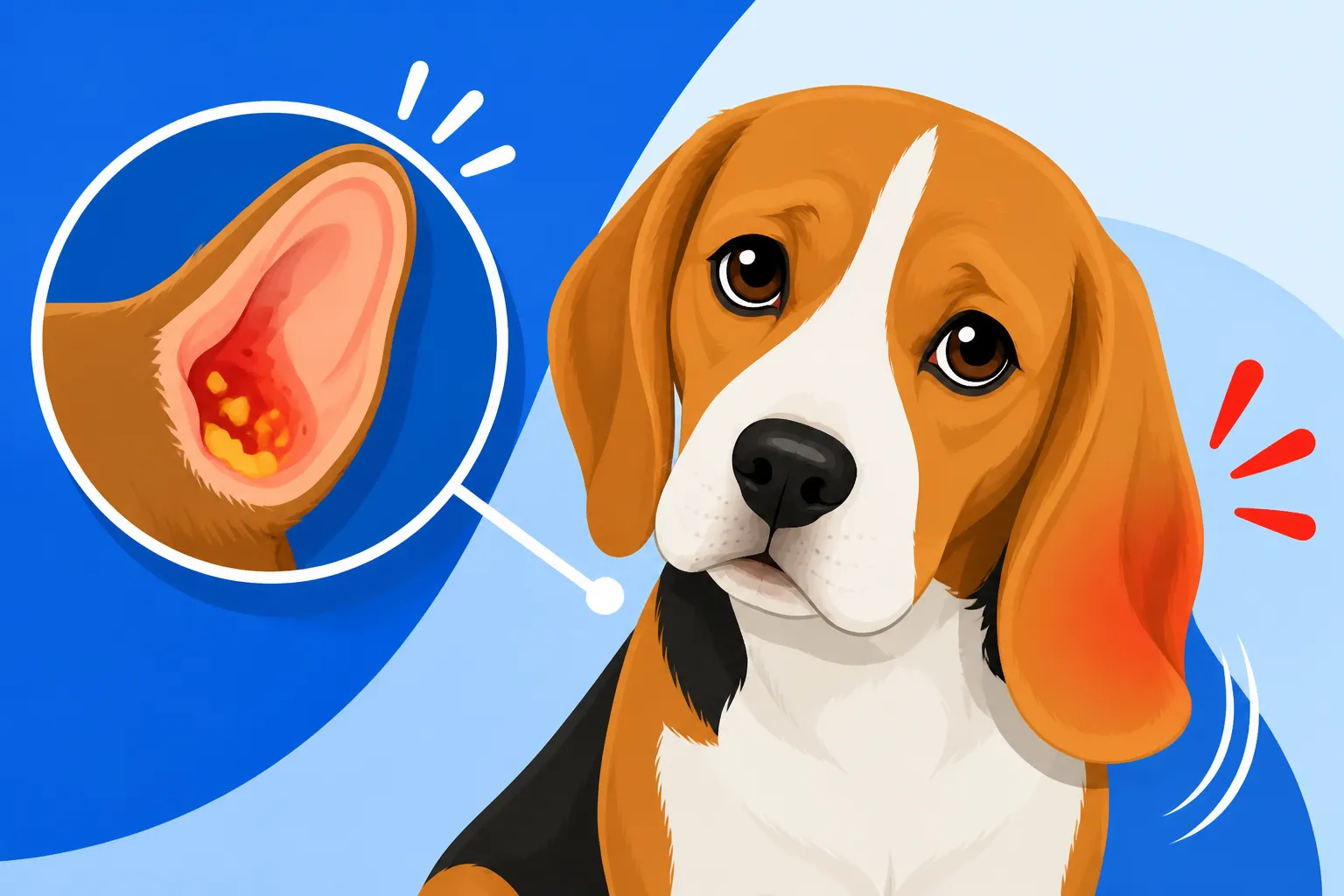
While behavioral changes are a huge clue, a direct inspection of your Beagle's ears will often confirm your suspicions. Gently lift that floppy ear flap and take a good look and a good sniff. You might immediately notice redness or swelling of the ear flap itself, or around the opening of the ear canal. The skin might look irritated, inflamed, and sometimes even thicker than usual due to chronic inflammation.
Perhaps the most telling sign is discharge. This can vary widely depending on the type of infection. You might see dark, waxy debris, often described as looking like "coffee grounds," which is a classic indicator of ear mites or a yeast infection. Other times, the discharge might be yellowish, greenish, or even bloody, suggesting a bacterial infection. Crusts or scabs might form around the ear opening from the dried discharge. And then there's the smell. Oh, the smell. Ear infections often produce a distinct, unpleasant odor. A yeast infection might smell sweet and yeasty, like old bread or corn chips, while a bacterial infection can be intensely foul or pungent. If you smell anything other than your Beagle's normal clean scent, or if it's noticeably stronger, assume an infection is brewing. Any of these Beagle Ear Infection Symptoms to Catch Early should prompt a call to your veterinarian.
Common Culprits Behind Beagle Ear Infections
Once you suspect an ear infection, the next crucial step is understanding what specifically is causing it. Because while the symptoms might look similar, the treatments can be vastly different depending on the underlying agent. It’s never a good idea to guess; a vet’s diagnosis is essential.
Yeast, Bacteria, and Mites: The Usual Suspects
By far, the most common culprits lurking in Beagle ears are yeast and bacteria, often working in tandem.
- Yeast (Malassezia pachydermatis): This fungus is a normal resident of a dog's skin and ears in small numbers. However, in that warm, moist, and poorly ventilated environment of a Beagle's ear, Malassezia can overgrow, leading to an infection. Yeast infections typically produce a brownish, waxy discharge and that characteristic sweet, yeasty odor. They are incredibly common, and many Beagles will experience Beagle Yeast Ear Infections That Keep Returning if the underlying cause (like allergies) isn't addressed.
- Bacteria: Bacterial infections often occur as secondary invaders after yeast has already taken hold, or when the ear's natural defenses are compromised. Common bacterial culprits include Staphylococcus and Pseudomonas. These can cause a more pus-like, yellowish, or greenish discharge and a truly foul odor. Bacterial infections can be more stubborn to treat and sometimes require specific antibiotics chosen after a culture and sensitivity test.
- Ear Mites (Otodectes cynotis): While less common in adult Beagles who live indoors, ear mites are a frequent problem in puppies or dogs who spend time with other mite-infected animals. These tiny parasites cause intense itchiness and produce a distinctive dry, dark, crumbly discharge that resembles coffee grounds. It’s important to know Telling Beagle Ear Mites From an Infection because the treatment for mites is quite specific and different from treating yeast or bacteria.
Your veterinarian will use an otoscope to look deep into the ear canal and often take a swab to examine under a microscope (cytology). This quick and relatively inexpensive test is the only way to accurately identify which of these organisms is causing the problem and guide the most effective treatment.
Allergies and Other Underlying Conditions
While yeast, bacteria, and mites are the direct agents of infection, they very often have an underlying reason why they're able to take hold in the first place. Addressing these root causes is paramount for preventing recurrence.
- Allergies: This is perhaps the biggest hidden culprit behind chronic or recurrent ear infections in Beagles. Just like people, dogs can suffer from environmental allergies (atopy) to things like pollen, dust mites, or molds, or food allergies to certain proteins in their diet. When a Beagle has an allergic reaction, their immune system goes into overdrive, leading to widespread inflammation, including in the ears. This inflammation makes the ear canal itchier, redder, and more susceptible to secondary yeast and bacterial infections. If your Beagle is scratching all over, or experiencing Beagle Skin Allergies and Constant Itching, their ears are often part of the problem. Managing allergies effectively is often the key to breaking the cycle of recurrent ear infections.
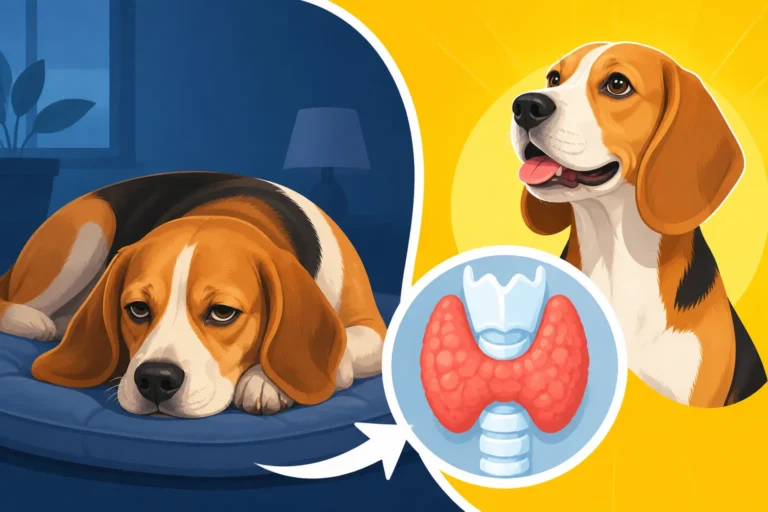
- Hypothyroidism: Beagles are unfortunately prone to hypothyroidism, a condition where their thyroid gland doesn't produce enough hormones. Beagle Hypothyroidism Symptoms Owners Notice First can include skin and coat issues, weight gain, and yes, recurrent ear infections. The changes in skin and ear health make them more vulnerable to microbial overgrowth. If your vet suspects this, a simple blood test can confirm it, and daily medication can often resolve many of these related issues.
- Foreign Bodies: Less common but always a possibility, especially for an active, nose-to-the-ground Beagle, is a foreign body getting lodged in the ear canal. Grass awns, seeds, or even tiny pieces of debris from rolling around outside can cause acute irritation, pain, and lead to infection. If your Beagle suddenly develops severe pain, scratching, and head shaking in one ear, a foreign body is a strong possibility that your vet will check for.
- Anatomical Abnormalities: In rare cases, structural issues within the ear canal, such as tumors or polyps, can also predispose a Beagle to chronic infections by blocking airflow and drainage. These are typically diagnosed during a thorough veterinary examination.
Understanding these underlying factors is crucial because simply treating the infection without addressing the root cause is like patching a leaky roof without fixing the hole – the problem will just keep coming back.
Proactive Prevention Strategies for Healthy Beagle Ears
Prevention truly is worth a pound of cure when it comes to Beagle ears. Investing a little time consistently can save you and your Beagle a lot of discomfort, stress, and vet bills down the line. It's about creating an environment where those opportunistic invaders simply can't thrive.
The Art of Regular, Gentle Ear Cleaning
Regular ear cleaning is the cornerstone of preventing ear infections in Beagles. Given their ear anatomy, it's not a luxury; it's a necessity. Aim for a weekly cleaning routine, and perhaps more often if your Beagle is particularly prone to infections or has just been swimming. How Often a Beagle's Ears Need Cleaning can vary, but a good baseline is once a week.
Here’s a simple, step-by-step approach to cleaning your Beagle's ears:
- Gather Your Supplies: You’ll need a vet-approved ear cleaning solution (your vet can recommend one, but common ones include brands like Epi-Otic, MalAcetic, or TrizEDTA), and plenty of cotton balls or gauze pads. Never use rubbing alcohol, hydrogen peroxide, or vinegar, as these can be irritating or even damaging to the delicate ear canal.
- Position Your Beagle: Find a comfortable spot where your Beagle is relaxed. Many owners find it easiest to have their dog lie down or sit calmly on a table. A few treats as positive reinforcement never hurt!
- Apply the Solution: Gently lift your Beagle's ear flap, exposing the ear canal. Hold the tip of the ear cleaner bottle over the ear canal and generously squirt the cleaning solution directly into the canal until it's full. Don't be shy – you need enough to flush things out.
- Massage the Base: With the solution in the ear, gently but firmly massage the base of your Beagle's ear for about 20-30 seconds. You should hear a squishy sound as the solution breaks up wax and debris. This part is crucial for loosening everything up.
- Let Them Shake: Stand back (or hold a towel over their head!) and allow your Beagle to shake their head. This action helps to dislodge the loosened debris and push it out of the ear canal. It might get a little messy, but it’s a vital step.
- Wipe Away Debris: Use a fresh cotton ball or gauze pad to wipe away any visible solution, wax, and debris from the outer ear flap and the opening of the ear canal. Never insert cotton swabs (Q-tips) into your Beagle's ear canal, as this can push debris deeper, damage the eardrum, or irritate the sensitive skin. You only want to clean what you can see. Cleaning a Beagle Ear Before Infection Starts properly makes a huge difference.
Making ear cleaning a positive, routine experience from puppyhood can make it much easier as your Beagle ages.
Environmental Management and Lifestyle Adjustments
Beyond direct cleaning, several other factors can significantly impact your Beagle's ear health:
- Drying After Water Exposure: Beagles love to explore, and for some, that includes splashing in puddles, ponds, or even enjoying a bath. But those floppy ears, once wet, will stay wet. After any water exposure – a bath, a swim, or even a walk in the rain – make sure to thoroughly dry the inside of your Beagle’s ear flaps and the opening of their ear canal with a soft towel or cotton ball. You can also use a small amount of ear drying solution specifically designed for dogs after swimming. Drying Beagle Ears Thoroughly After a Bath is essential to prevent moisture from becoming a breeding ground for infection.
- Dietary Considerations: If your Beagle suffers from recurrent ear infections, especially if accompanied by other skin issues, discussing their diet with your vet is a must. Food allergies often manifest as skin and ear inflammation. Your vet might recommend a limited ingredient diet or a prescription hydrolyzed protein diet to identify and eliminate potential allergens. This can be a long process, but it can dramatically improve ear health in allergic Beagles.
- Weight Management: Keeping your Beagle at a healthy weight isn't just good for their joints and overall Beagle Obesity Treated as a Health Problem; it can also impact ear health. Overweight dogs may have more skin folds, reduced airflow, and a generally compromised immune system, all of which can contribute to ear issues.
- Regular Vet Check-ups: Don't wait until there's an obvious problem. Routine vet visits allow your veterinarian to check your Beagle's ears as part of their overall physical exam. They can spot subtle changes, offer preventative advice, and catch issues before they escalate. If your Beagle has a history of ear infections, your vet might suggest more frequent ear checks, especially during peak allergy seasons.
- Pet Insurance: For Beagles prone to chronic ear issues, the costs of ongoing vet visits, diagnostics, and medications can really add up. Investing in pet insurance early, before any conditions are diagnosed, can be a huge relief. Companies like Healthy Paws offer comprehensive plans that can cover these unexpected and recurring veterinary expenses, allowing you to focus on your Beagle's health without financial worry.
By combining diligent home care with smart lifestyle choices and regular vet involvement, you can significantly reduce the frequency and severity of ear infections in your beloved Beagle.
When to Call the Vet: Professional Diagnosis and Treatment
While home care and prevention are crucial, there will absolutely be times when a professional veterinary intervention is necessary. Trying to guess what's going on or using old medications without a fresh diagnosis can do more harm than good, especially with something as sensitive as the ear canal.
The Importance of a Proper Veterinary Exam
When you notice any of the warning signs – head shaking, scratching, discharge, or odor – it's time to call your vet. They are equipped to perform a thorough examination and accurately diagnose the problem. Here’s what a typical vet visit for an ear infection entails:
- Otoscopic Examination: Your vet will use an otoscope, a specialized instrument with a light and magnifying lens, to look deep into your Beagle's ear canal. This allows them to visualize the ear canal walls, check for redness, swelling, debris, foreign bodies, and most importantly, assess the condition of the eardrum. It's vital to know if the eardrum is intact, because certain medications can be toxic if applied to a ruptured eardrum.
- Cytology: This is a quick and simple test where a cotton swab is used to collect a sample of the discharge from the ear. The sample is then smeared onto a slide, stained, and examined under a microscope. This allows your vet to identify the presence and type of yeast, bacteria, or mites, which directly guides the choice of medication.
- Culture and Sensitivity: In cases of severe or recurrent bacterial infections, your vet might recommend a culture and sensitivity test. This involves sending a sample to a lab to grow the specific bacteria present and then test which antibiotics are most effective against them. This ensures the prescribed antibiotic is truly the best one for the job.
- Additional Diagnostics: If underlying conditions are suspected (like allergies or hypothyroidism), further tests such as blood work or allergy testing might be recommended. In very severe or chronic cases, imaging like X-rays or even an MRI might be used to check for deeper issues.
Never attempt to treat an ear infection with medications from a previous infection or with over-the-counter human products without veterinary guidance. The wrong medication can be ineffective, cause resistance, or even damage your Beagle's hearing if the eardrum is compromised.
Treatment Options and Managing Chronic Infections
Once your vet has a diagnosis, they will prescribe the appropriate treatment plan. This typically involves a combination of cleaning and medication.
- Cleaning: The vet will often perform a thorough cleaning of the ear canal in the clinic to remove built-up debris and allow topical medications to work more effectively. They will then advise you on how to continue cleaning at home.
- Topical Medications: For most mild to moderate ear infections, topical ear drops are prescribed. These usually contain a combination of an antibiotic (for bacteria), an antifungal (for yeast), and an anti-inflammatory (steroid) to reduce swelling and pain. You will need to administer these drops diligently, usually once or twice a day for a specified period.
- Oral Medications: In more severe or widespread infections, or if there's significant pain and swelling, oral antibiotics, antifungals, or anti-inflammatory drugs (like steroids) may be prescribed in addition to topical treatments.
- Addressing Underlying Causes: If allergies are the root cause, your vet will discuss strategies like diet changes, antihistamines, immunotherapy (allergy shots), or other anti-itch medications. If hypothyroidism is diagnosed, daily thyroid hormone replacement medication will be necessary.
- Surgical Intervention: In very rare, chronic cases where medical management fails, and the ear canal has undergone irreversible changes (such as severe thickening and narrowing), a surgical procedure called a Total Ear Canal Ablation (TECA) might be considered. This radical surgery removes the entire ear canal, leaving the inner ear intact. While it eliminates the source of chronic infection, it does result in permanent hearing loss in the affected ear and is only considered as a last resort for Beagles in extreme pain with no other options.
Managing chronic ear infections can be a long-term commitment. It requires patience, consistent follow-through with your vet's instructions, and often, some financial planning. This is another area where pet insurance, like Healthy Paws, can be invaluable. The costs of repeated vet visits, specialized diagnostics, prescription medications, and potentially even allergy testing or long-term management therapies for chronic conditions can quickly accumulate. A good insurance policy can help alleviate the financial burden, ensuring your Beagle gets the consistent, high-quality care they need without you having to make difficult choices based on your budget. For instance, if your Beagle ends up needing medication for years to control allergies that cause ear issues, or if an ear hematoma requires surgery, having pet insurance can make a significant difference.
| Ear Infection Type | Common Symptoms | Typical Discharge Appearance | General Treatment Approach |
|---|---|---|---|
| Yeast | Itching, head shaking, redness, odor | Brownish, waxy, sometimes greasy | Antifungal ear drops/ointments |
| Bacterial | Redness, pain, swelling, discharge, foul odor | Yellowish-green, pus-like, watery | Antibiotic ear drops, oral antibiotics for severe cases |
| Ear Mites | Intense itching, head shaking, dark debris | Dark, dry, crumbly ("coffee grounds") | Miticidal ear drops, systemic antiparasitics |
| Allergy-Related | Recurring infections, generalized itching, redness | Varies (often yeast/bacteria) | Allergy management, anti-inflammatories, treating secondary infection |
| Foreign Body | Sudden, severe pain, head tilt, pawing at ear | Varies (often pus-like if infected) | Removal by vet, pain relief, antibiotics if infected |
Living With a Beagle Prone to Ear Troubles
For some Beagles, ear infections aren't a one-off event but a recurring battle. This can be disheartening, but with a dedicated approach, you can significantly improve their quality of life and minimize outbreaks. It’s all about partnership with your vet and commitment at home.
Developing a Long-Term Management Plan
If your Beagle seems to be a "repeat offender" when it comes to ear infections, you need a long-term strategy, not just a series of quick fixes. Work closely with your veterinarian to develop a comprehensive management plan. This plan might include:
- Identifying and Managing Triggers: Is it allergy season? Has their diet changed? Have they been swimming more often? Keeping a detailed Keeping a Seizure Diary for Your Beagle (or in this case, an "ear infection diary") can help you pinpoint patterns and triggers. Note down when infections occur, what symptoms you saw, and what you were doing with your Beagle in the days leading up to it. This information is invaluable for your vet.
- Routine Preventative Cleaning: Stick to a consistent ear cleaning schedule, even when the ears look perfectly healthy. For Beagles prone to issues, this might mean weekly, or even twice-weekly, cleanings with a vet-approved solution. Consistency is the key to preventing the buildup that allows infections to start.
- Maintenance Medications: In some cases, your vet might recommend a very mild, preventative ear solution with antiseptic properties to be used once or twice a week, even when no active infection is present. This helps maintain a healthy microbial balance in the ear canal.
- Regular Re-checks: Even after an infection seems to clear up, follow your vet's advice for re-check appointments. Sometimes, an infection can seem resolved on the surface but still be lingering deep in the canal. Only your vet can confirm complete resolution and advise on transitioning to a maintenance plan.
Patience and consistency are your best tools here. It can feel like a never-ending cycle, but a consistent approach will lead to longer periods of healthy, comfortable ears for your Beagle.
Supporting Your Beagle's Comfort and Well-being
Beyond the medical aspects, remember that recurrent ear infections are uncomfortable, painful, and can impact your Beagle’s overall well-being.
- Make Ear Care Positive: Turn ear cleaning and checks into a positive experience with plenty of praise and high-value treats. Associate the process with good things, so your Beagle doesn't dread it. This makes your job easier and reduces their stress.
- Monitor for Pain: Be mindful of subtle signs of discomfort. If your Beagle is unusually quiet, less playful, or avoids touch, check their ears. Addressing pain quickly is important for their mental and physical health.
- Holistic Health: Remember that ear health is often a reflection of overall health. A well-balanced diet, appropriate exercise, and a low-stress environment all contribute to a stronger immune system and can help reduce susceptibility to infections.
- Financial Preparedness: As mentioned earlier, chronic conditions like recurrent ear infections can be costly. Building an emergency fund or, even better, investing in comprehensive pet insurance like Healthy Paws can provide peace of mind. Knowing that you can afford the best diagnostics and treatments, from specialized ear cleansers to long-term allergy management, means you can make decisions based on your Beagle's needs, not just your wallet. Healthy Paws, for example, can significantly help with ongoing treatment expenses for chronic conditions, allowing owners to focus on their Beagle's comfort and health without the added financial strain. This allows you to give your Beagle the consistent care they need to live a full, happy, and comfortable life, despite those tricky ears.
Disclaimer
The information provided in this article is for general informational purposes only and is not a substitute for professional veterinary advice. Always consult with a qualified veterinarian for any health concerns or before making any decisions related to your Beagle's care.