The Activities That Twist a Beagle Spine
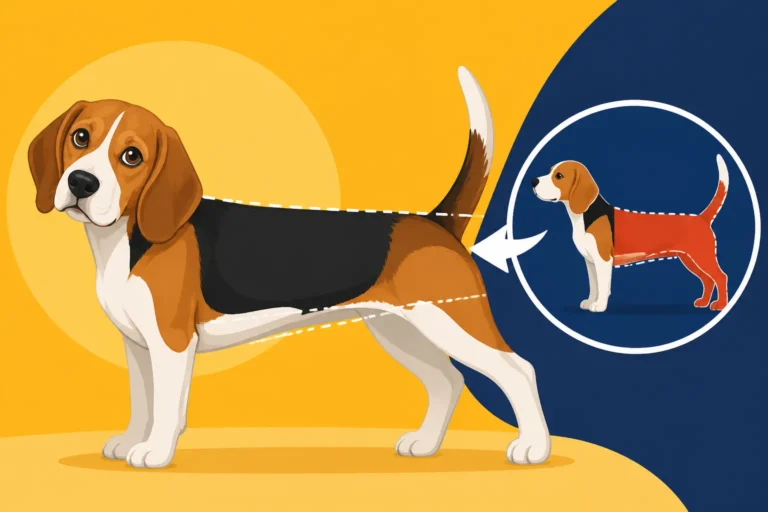
It’s a sight every Beagle owner knows and loves: that exuberant leap onto the couch for cuddles, the energetic sprint after a thrown ball, or the determined dive under a bush on a fascinating scent trail. Our Beagles are full of life, but their unique physical build, particularly that somewhat elongated and flexible spine, can unfortunately make them prone to certain injuries. It’s a harsh reality that some of their most natural, joyful behaviors can inadvertently put their delicate backs at risk. This guide aims to shed light on the everyday activities and common movements that can lead to a twisted or injured Beagle spine, helping you identify potential hazards and take proactive steps to protect your loyal companion.
High-Impact Movements and Sudden Stresses on the Spine
Beagles are robust little hounds, but their enthusiasm can sometimes override their physical limitations, especially when it comes to activities involving sudden force or sharp impacts. These high-impact movements, while seeming innocuous in the moment, can place immense stress on their spinal discs, leading to painful and debilitating injuries over time.
The Dangers of Jumping On and Off Furniture
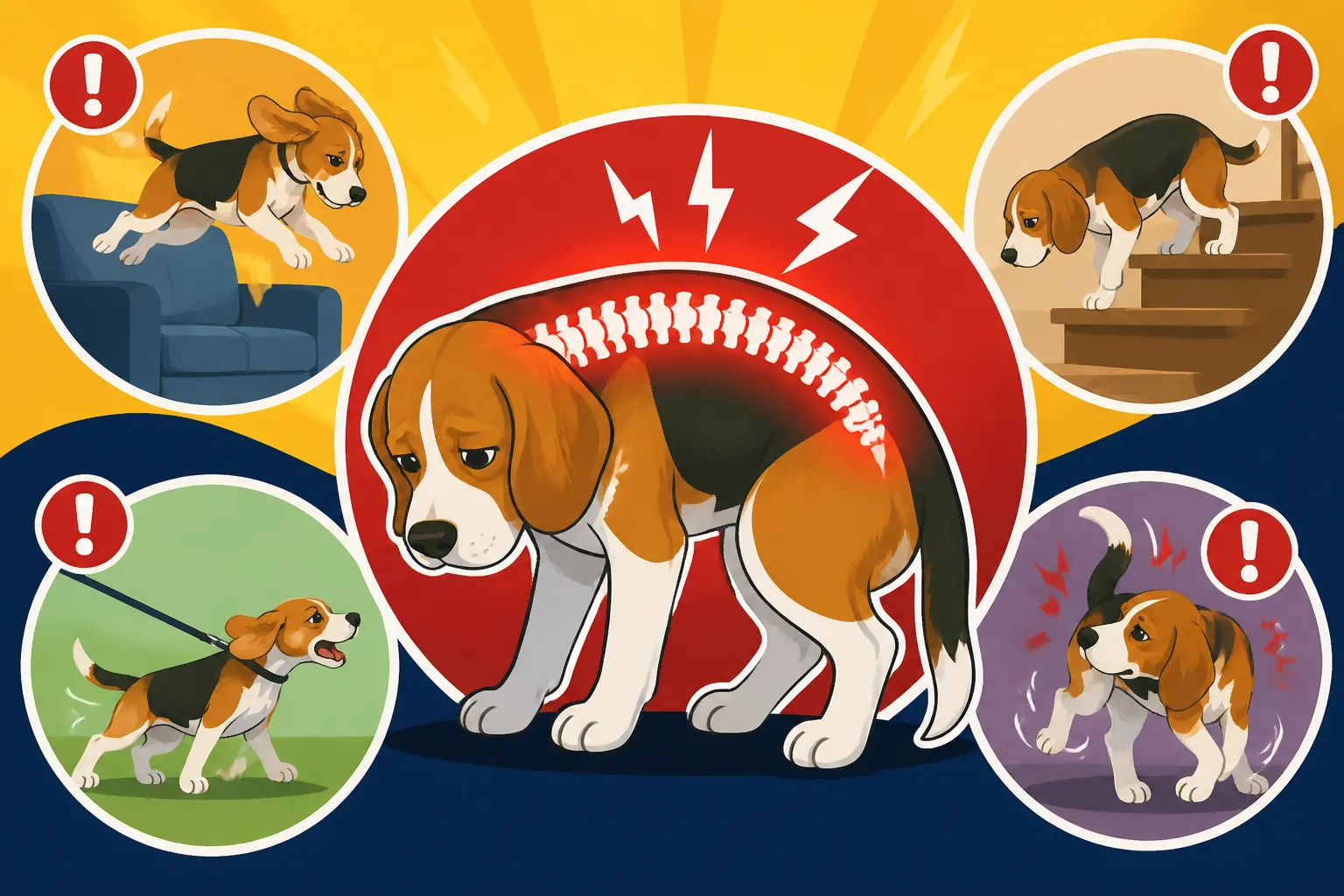
There’s nothing quite like the feeling of your Beagle launching themselves onto the couch for a snuggle or leaping off the bed in the morning, ready for the day. It’s a natural, joyful expression of their personality. However, these repeated jumps, especially from higher surfaces, are one of the most common culprits behind spinal issues in Beagles. When they launch themselves up, or worse, land with a thud, the force impacts their spine. This stress is amplified if they land awkwardly or if the surface below isn't forgiving.
Think about the compression forces involved: their entire body weight, often propelled by powerful leg muscles, comes crashing down. This can cause the delicate discs between the vertebrae to bulge, herniate, or even rupture, leading to conditions like intervertebral disc disease (IVDD). It’s not usually one big jump that causes the problem, but rather the cumulative effect of hundreds of small impacts over months or years. If you’ve noticed your Beagle hesitating before jumping on the couch, it might be an early sign that their back is starting to feel the strain, a concerning indication detailed further in our article, "A Beagle That Suddenly Will Not Jump on the Couch".
Rough Play and Sudden Stops During Fetch
Beagles, despite their relatively small stature, can be surprisingly vigorous players. A spirited game of fetch in the backyard often involves quick sprints, abrupt stops, and sharp turns. While exhilarating, these rapid changes in direction put tremendous twisting and shearing forces on the spine. Imagine your Beagle at full speed, chasing a ball, and then slamming on the brakes to pivot and grab it. This motion can cause discs to shift or compress unevenly.
Even playful wrestling with other dogs or boisterous zoomies can lead to awkward twists and falls that impact the back. The sheer excitement can make them oblivious to how they’re moving, making them vulnerable. It's a fine line between healthy exercise and overexertion, and for a breed prone to back issues, understanding this balance is critical. We often see injuries not from a single dramatic event, but from the repeated microtraumas of enthusiastic, uncontrolled play.
Uncontrolled Leash Pulling and Neck Strain
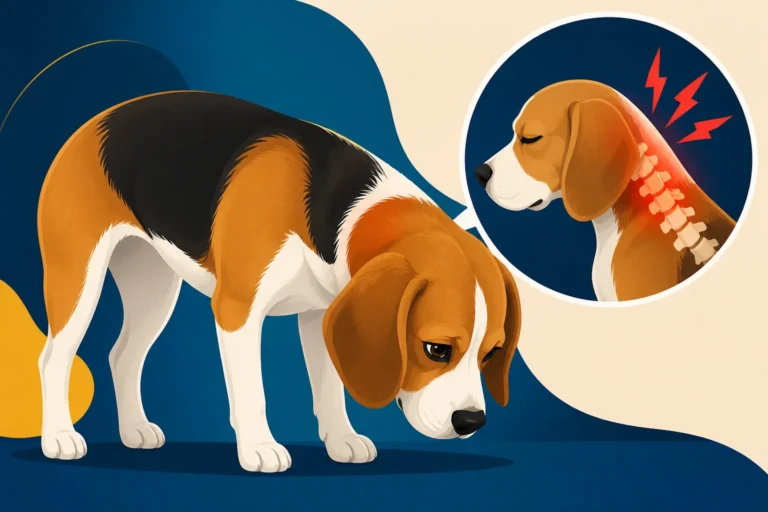
A Beagle's nose is their world, and when a captivating scent hits it, all rational thought often flies out the window. This can lead to sudden, powerful lunges on the leash, often with a traditional neck collar. When a Beagle yanks hard against a collar, the sudden jolt concentrates force on their neck and upper spine. This isn't just uncomfortable; it can cause whiplash-like injuries, straining muscles, ligaments, and even leading to disc issues in the cervical (neck) region.
Repeated strong pulling can contribute to chronic neck pain or even accelerate the degeneration of discs in that area. This can manifest as a "Beagle Neck Pain and a Head Held Low" posture, indicating significant discomfort. This is why using a properly fitted harness that distributes pressure across the chest and shoulders, rather than the neck, is so crucial for Beagles. Our guide on "Why a Harness Protects a Beagle's Neck" offers more insight into making this critical switch for your dog's safety.
Repetitive Motions and Chronic Strain on the Spine
Beyond the dramatic impacts, many everyday activities, when performed repeatedly or incorrectly, can contribute to long-term spinal degradation in Beagles. These chronic strains can be insidious, slowly eroding spinal health until a seemingly minor movement triggers a major problem.
The Cumulative Impact of Stairs and Repeated Jumping
Stairs are a common feature in many homes, and while they seem harmless, they are far from ideal for a Beagle's back. Each ascent and descent involves a combination of jumping, twisting, and impact. Going up requires pushing off with the hind legs, arching the back, and stretching the front legs, while going down places significant jarring force on the front limbs and spine. Performing these motions multiple times a day, every day, adds up to considerable wear and tear on the intervertebral discs.
Over time, this constant compression and extension can weaken the discs, making them more susceptible to injury. It’s akin to constantly bending a piece of cardboard in the same spot – eventually, it will break. This is particularly true for Beagles, whose slightly longer backs are not as inherently stable as some other breeds. Understanding "Stairs and the Load They Put on a Beagle Spine" is vital for mitigating these risks and protecting your dog's long-term mobility.
Twisting and Turning During Intense Scent Work
It might seem counterintuitive to suggest that scent work, the very activity Beagles were bred for, could be risky. However, it's not the sniffing itself, but the intensity and method of it, particularly in certain environments, that can pose a problem. Imagine a Beagle following a complex trail, weaving through dense brush, ducking under obstacles, and constantly twisting their body in pursuit of a scent. These quick, agile maneuvers, especially when sustained, can create rotational stress on the spine.
If your Beagle is darting in and out, or frequently spinning in tight circles to pinpoint a scent, this repetitive twisting motion can contribute to disc issues. While we never want to discourage their natural instincts, being mindful of the terrain and the intensity of their activity can help. For instance, structured nose work in a controlled environment might be safer than letting them thrash through uneven terrain for extended periods.
Improper Handling and Lifting Techniques
As much as we adore scooping up our Beagles for a hug, how we lift them can inadvertently put their spine at risk. A common mistake is to pick them up by placing hands under their armpits, allowing their hindquarters to dangle. This position puts immense strain on their lower back, causing it to arch unnaturally. Another risky move is grabbing them by the chest and lifting them suddenly, causing their body to twist.
The correct way to lift a Beagle is to support their weight evenly, placing one hand under their chest and the other under their hindquarters, keeping their back straight and level. This distributes their weight properly and minimizes spinal torque. It’s a small adjustment in technique that can make a huge difference in preventing injury, a topic covered in detail in "Lifting a Beagle Without Twisting Its Back". Teaching children in the household how to properly interact and lift the family Beagle is also crucial to prevent accidental injury.
Environmental Hazards and Unsafe Surfaces
Our homes and the outdoor spaces we explore with our Beagles can harbor subtle threats to their spinal health. These environmental factors, often overlooked, can increase the risk of slips, falls, and awkward movements that strain the back.
Slippery Floors and Lack of Traction
Hardwood, tile, and laminate floors are beautiful, but they are notorious hazards for dogs, especially those prone to back issues. Beagles, with their relatively short legs and often enthusiastic gaits, can easily slip and slide on these surfaces. A sudden slip can cause their legs to splay, putting extreme stress on their hips and spine as they try to regain their footing. This jarring motion can easily lead to a twisted back or acute disc injury.
Over time, constantly bracing themselves on slippery floors can lead to muscle tension and chronic strain throughout their back and legs. It's a constant, low-level stressor that chips away at their spinal resilience. Providing runners, rugs, or non-slip mats in high-traffic areas is a simple yet incredibly effective way to create a safer environment for your Beagle. Think of it as creating a network of safe zones for their paws to grip onto, minimizing the risk of those sudden, dangerous slips.
Uneven Terrain and Sudden Drops
While Beagles love exploring the great outdoors, not all terrains are equally safe for their backs. Walking on very uneven ground, such as rocky trails, lumpy fields, or steep inclines and declines, forces their bodies into awkward positions. Each step might involve an ungraceful stretch, a twist to avoid an obstacle, or a slight fall that can jar the spine.
Similarly, allowing them to jump off small ledges, curbs, or even porch steps can be risky. Even a small drop can create a surprising amount of impact, especially if they land stiffly or unevenly. While we don't want to keep them cooped up, choosing flatter, more consistent walking paths and being mindful of sudden elevation changes can significantly reduce the risk of injury. Prioritizing quality of movement over sheer adventure can be a game-changer for their spinal health.
| Activity Category | Risky Behaviors for Beagles | Safer Alternatives and Modifications |
|---|---|---|
| Jumping | Leaping on/off high furniture, beds | Ramps for a Beagle's Bed and Car, pet stairs, lifting properly |
| Play | Rough wrestling, abrupt stops during fetch, twisting to catch frisbees | Controlled fetch on soft ground, gentle tug games, mental enrichment |
| Leash Walking | Lunging, pulling hard against a neck collar | Front-clip harness, long line training, practicing loose-leash walking |
| Stairs | Frequent use of stairs (up and down) | Ramps, carrying your Beagle (if done correctly), limiting access |
| Scent Work | Uncontrolled dashing/twisting through dense, uneven terrain | Structured nose work games, scent walks on flatter ground |
| Environment | Slippery floors (hardwood, tile), jumping off curbs/ledges | Rugs, non-slip mats, lifting your Beagle over small obstacles |
| Handling | Lifting by armpits or with unsupported hindquarters | Support chest and hindquarters, keep spine level and straight |
Proactive Prevention and Supportive Care for a Healthy Spine
Understanding the risks is the first step; the next is implementing strategies to mitigate them. Protecting your Beagle's spine involves a combination of environmental modifications, thoughtful exercise routines, and consistent veterinary oversight.
Modifying the Home Environment
Your home, a haven for your Beagle, can also be a minefield of potential back injuries if not properly adapted. The most impactful changes often involve minimizing jumps and providing safe surfaces. As mentioned, covering slippery floors with rugs or non-slip mats in areas where your Beagle walks, plays, or eats can prevent dangerous slips and splaying injuries. This simple addition creates much-needed traction.
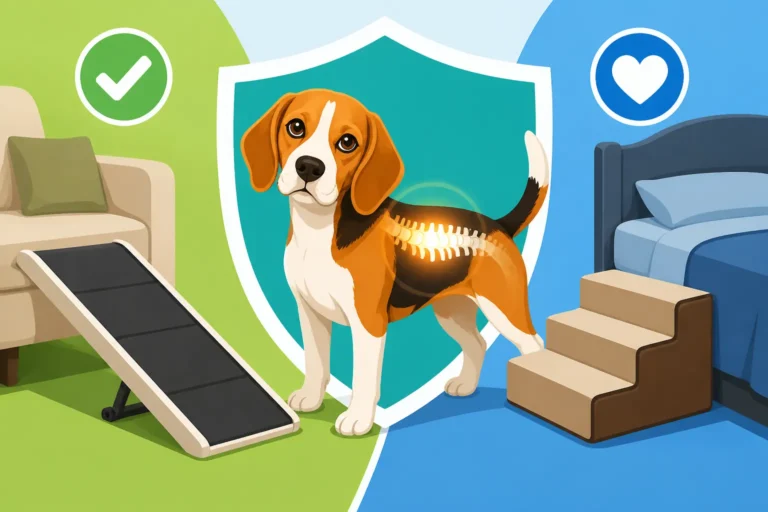
Beyond floors, consider introducing ramps or pet stairs for accessing furniture like couches and beds. These allow your Beagle to get to their favorite spots without the jarring impact of jumping. Think about securing any gates or barriers that might prevent them from falling down stairs. For those with multiple stories, it might be beneficial to limit their access to stairs entirely, especially if they’re getting older or have a history of back issues. These thoughtful "Furniture Rules That Protect a Beagle Spine" are not about restricting their joy, but about extending their comfort and mobility for years to come.
Smart Exercise Routines and Training
Exercise is crucial for a Beagle's overall health, including spinal support, but it needs to be the right kind of exercise. Low-impact activities that build core strength and flexibility are ideal. Regular, controlled walks on varied but not overly challenging terrain are great. Think about incorporating canine physical therapy exercises, such as controlled sits-to-stands or gentle cavaletti poles, which can strengthen core muscles that support the spine.
Avoid highly repetitive, high-impact games like long sessions of frisbee or intense fetch with sudden stops. Instead, consider "Scent Walks That Wear a Beagle Out" on a long line in a safe, open field, allowing them to follow their nose without the pressure of speed or abrupt movements. Swimming, if your Beagle enjoys it and is supervised, is another fantastic low-impact exercise that builds muscle without stressing joints. A balanced approach also includes managing their weight, as "How Extra Weight Raises Beagle Disc Pressure" is a significant factor in spinal health. An overweight Beagle carries extra strain on their discs, making them far more susceptible to injury.
The Role of Veterinary Care and Insurance
Despite our best efforts, spinal injuries can still occur. This is where regular veterinary check-ups and a proactive approach to their health become paramount. Your vet can assess your Beagle's gait, range of motion, and overall spinal health, helping to catch early signs of issues. If an injury does occur, they can recommend treatments ranging from crate rest and medication to "Beagle Physical Therapy After a Back Injury" or even surgery in severe cases.
Spinal injuries, particularly conditions like IVDD that might require diagnostics like an MRI or complex surgery, can be incredibly expensive. This is where pet insurance can be a real lifesaver. Providers like Healthy Paws offer comprehensive coverage that can help ease the financial burden of such treatments. It's wise to look into a policy, ideally when your Beagle is young, before any pre-existing conditions are diagnosed. Remember that there's often a "Beagle Disc Disease and the Policy Waiting Period" with most insurance plans, so getting coverage early is crucial. Facing a potentially debilitating spinal injury is stressful enough without the added worry of exorbitant vet bills, and having a reliable plan, perhaps with Healthy Paws, can make all the difference in providing the best care for your beloved hound.
Disclaimer
The information provided in this guide is for general educational purposes only and should not be considered a substitute for professional veterinary advice. Always consult with a qualified veterinarian for any health concerns or before making any decisions about your Beagle's medical care or treatment plan.