Why a Beagle Back Is Longer Than It Looks
Many Beagle owners find themselves looking at their beloved hound, scratching their heads, and wondering if their dog’s back is really as long as it seems. It’s not uncommon to perceive a Beagle as having a rather lengthy back, especially when they stretch out or are compared to some other breeds. This perception, while somewhat accurate in terms of their body proportions, doesn't mean your Beagle is built like a Dachshund, prone to every spinal malady under the sun. Instead, it speaks to their unique, sturdy, and compact construction that was bred for endurance and agility in the field. This guide will delve into the Beagle's structure, explain why its back might appear longer, and, most importantly, provide actionable insights into keeping that spine healthy and happy throughout their active lives.
Understanding the Beagle's Unique Proportions and Frame
It’s true, when you stand a Beagle next to some other breeds, their body can appear quite stretched out. This isn't necessarily because their spine has an abnormal number of vertebrae, but rather due to the specific proportions that define the breed standard, combined with a deep chest and relatively short legs. They’re built low to the ground, designed for navigating dense underbrush and following a scent trail with tenacity. This robust, yet flexible, frame is a marvel of canine engineering, but it's also a source of confusion for many first-time owners.
The Breed Standard and Canine Anatomy
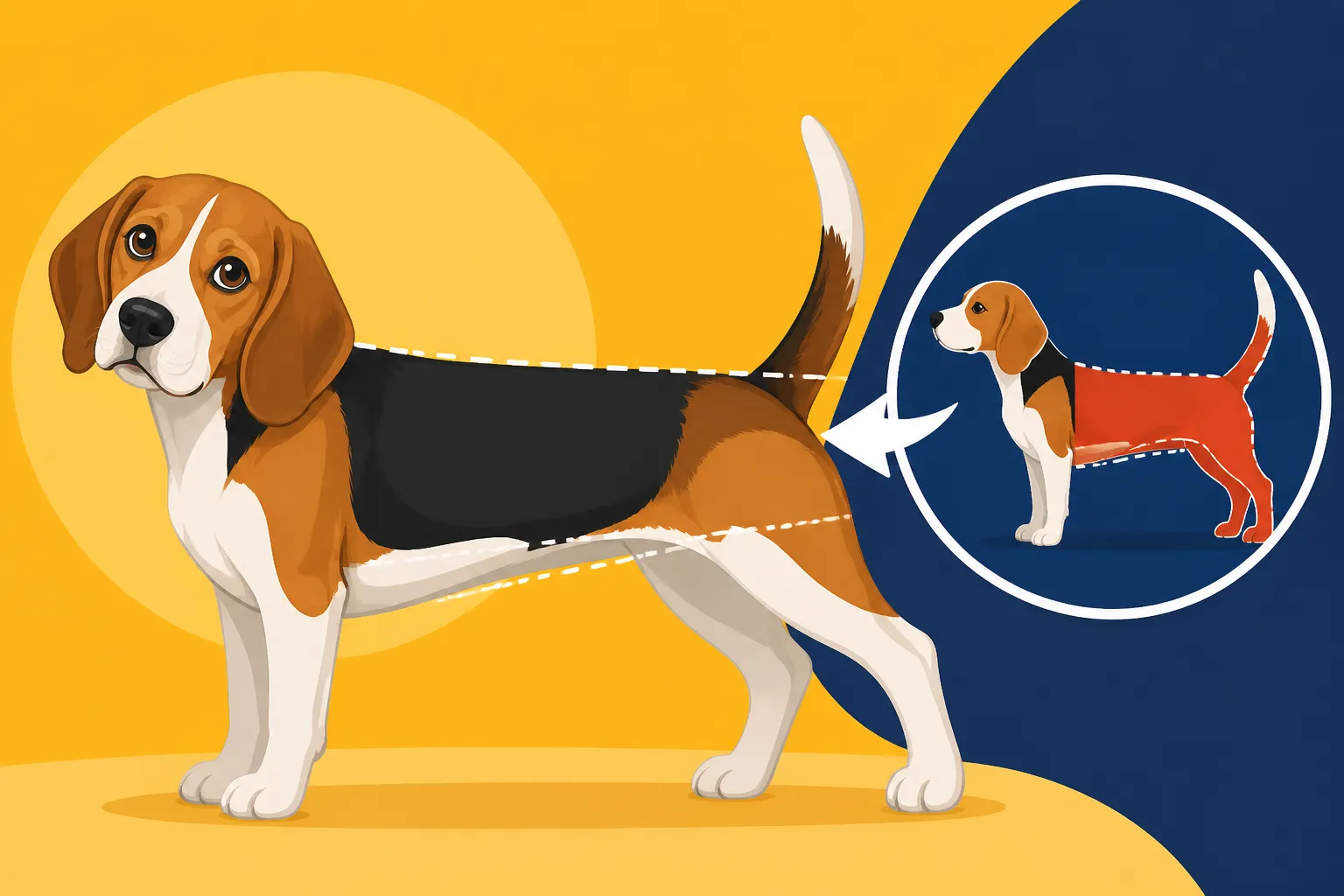
The American Kennel Club (AKC) breed standard for Beagles describes a "solidly built, compact dog." There's no mention of an excessively long back. Instead, their "back is short, muscular and strong." So, why the visual trick? It's largely about their overall silhouette. A Beagle's chest is quite deep, extending well down towards their elbows. Their legs, while strong and muscular, are proportionate to their body but not excessively long. This combination creates a body that, from certain angles, can give the impression of being longer than it technically is, especially compared to breeds with more squared proportions. Think of it as an optical illusion created by their powerful, low-slung, and purposeful structure, rather than a genetic predisposition to being "long-backed" in the way some other breeds are. They need that length of body to allow for the powerful strides and agility required to chase a scent without tiring quickly.
The Role of Movement and Activity Level
Beagles are incredibly active dogs. They are true athletes, bred to follow a scent for hours, covering challenging terrain. Their flexible spine is crucial for this kind of work, allowing them to twist, turn, jump over obstacles, and dig with surprising dexterity. This constant motion and the nature of their work put different stresses on their back than a more sedentary breed might experience. When a Beagle is in full "scent mode," their body language, including the way they stretch and contort to follow a trail, can further emphasize the perceived length of their back. Observing a Beagle in action really shows off the dynamic capabilities of their strong, albeit seemingly long, physique. It's a testament to their purpose, but it also highlights why understanding their spinal health is so important.
Common Back-Related Concerns in Beagles
While Beagles aren't inherently "long-backed" in the same way a Basset Hound or Dachshund might be, their active lifestyle and unique proportions mean they are not immune to spinal issues. Understanding these potential concerns is key to early detection and preventative care.
Intervertebral Disc Disease IVDD
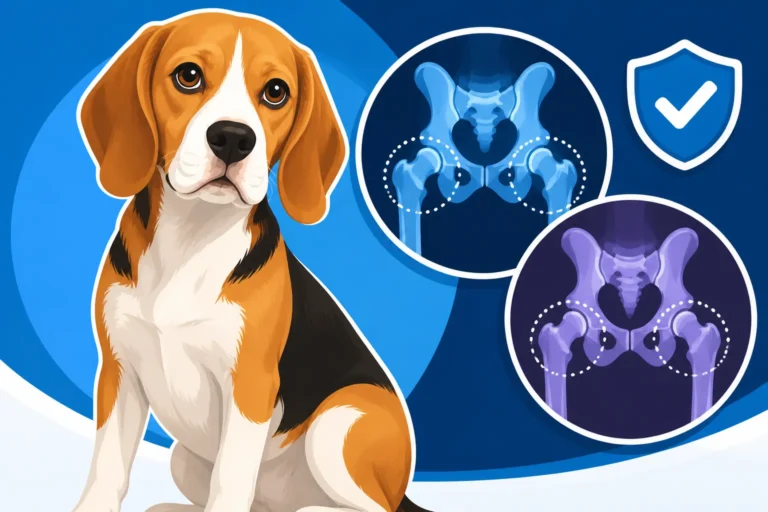
Even though Beagles are not typically classified as chondrodystrophic breeds (those with abnormal cartilage development leading to dwarfism and a high propensity for IVDD), they can still suffer from Intervertebral Disc Disease (IVDD). This condition occurs when the cushions (discs) between the vertebrae in the spine either bulge or burst into the spinal canal, pressing on the nerves. Symptoms can range from mild pain and reluctance to move to severe neurological deficits, including paralysis.
A Beagle's active nature, with all its twisting, turning, and jumping, can put strain on these discs over time. Imagine a Beagle suddenly refusing to jump onto the couch or seeming reluctant to go for a walk. These could be early signs of disc discomfort. For detailed information, you can read more about Beagle Back Problems and Intervertebral Disc Disease. Catching Early Beagle Disc Signs Long Before Paralysis is crucial. If you notice your Beagle is exhibiting A Beagle That Suddenly Will Not Jump on the Couch, don't dismiss it as just an attitude problem; it could be a sign of pain.
Other Causes of Back Pain
Beyond IVDD, Beagles can experience other forms of back pain. Muscle strains from overexertion during a vigorous play session or a long scenting adventure are common. Arthritis, especially as they age, can affect the joints of the spine, leading to stiffness and pain. Even obesity can significantly increase the load on a Beagle's spine, exacerbating existing conditions and increasing the risk of new ones. If your Beagle displays Beagle Neck Pain and a Head Held Low, it's another clear signal that something is amiss with their spine or surrounding musculature. It’s important to remember that any persistent change in movement or behavior warrants a visit to the vet. Timely intervention can often prevent a minor issue from becoming a major one, potentially saving your Beagle from prolonged discomfort or more severe conditions. Pet insurance providers like Healthy Paws can be a real lifesaver when dealing with unexpected medical issues like spinal injuries or chronic pain, helping to cover the costs of diagnostics and treatment.
Proactive Steps for Protecting Your Beagle's Spine
Prevention is always better than cure, especially when it comes to spinal health. Given their active nature and potential vulnerabilities, taking proactive steps can significantly reduce the risk of your Beagle developing debilitating back problems.
Managing Weight and Diet
One of the most impactful things you can do for your Beagle's back is to maintain a healthy weight. Extra pounds put immense stress on the spine and joints, accelerating wear and tear and increasing the risk of disc issues. Even a slight increase in weight can be detrimental. Regularly assess your Beagle’s body condition, ensuring you can easily feel their ribs without seeing them prominently, and that they have a visible waistline. For more on this, consider reading How Extra Weight Raises Beagle Disc Pressure. Work with your veterinarian to establish a proper feeding plan that aligns with their age, activity level, and size.
| Body Condition Score | Description | Spinal Health Impact |
|---|---|---|
| Too Thin | Ribs, spine, pelvic bones easily visible. | Lack of muscle mass can offer less spinal support, though rare for Beagles. |
| Ideal | Ribs easily felt, waist visible, tucked abdomen. | Optimal spinal loading, reduced risk of disc and joint issues. |
| Overweight | Ribs palpable with difficulty, less visible waist. | Increased pressure on discs and joints, higher risk of IVDD and arthritis. |
| Obese | Ribs not palpable, no waist, heavy fat deposits. | Significantly elevated risk of severe spinal degeneration, arthritis, and other diseases. |
Thoughtful Exercise and Activity
Beagles need consistent, appropriate exercise to keep their muscles strong and supportive of their spine. However, "appropriate" is the key word. High-impact activities, repetitive jumping from heights, or sudden, sharp turns on slippery surfaces can all stress the spine. While they love to run and play, moderate walks, controlled playtime in a safe, soft environment, and engaging scent work activities are often better than long sessions of intense, uncontrolled running or leaping. Consider using Ramps and Steps That Protect a Beagle Spine to help them get on and off furniture or into cars, eliminating risky jumps. You can also explore Ramps for a Beagle's Bed and Car to implement this. Remember, activities that twist and jolt the spine, such as vigorous tug-of-war or uncontrolled fetching, should be approached with caution. Consistent, low-impact exercise builds core strength, which is vital for spinal stability. Many pet parents find the routine expenses of exercise tools like ramps, or even physical therapy if needed, can be managed better with a robust pet insurance plan like those offered by Healthy Paws.
Supportive Equipment and Ergonomics
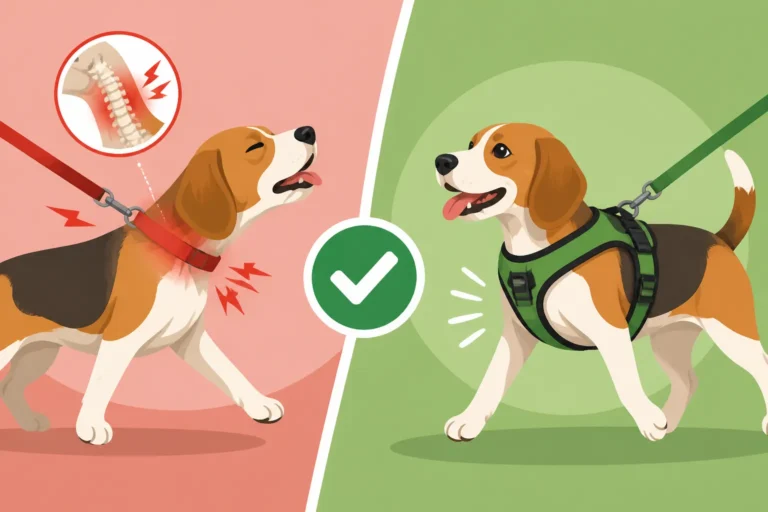
The right equipment can make a big difference in protecting your Beagle’s back and neck. A comfortable harness that distributes pressure across the chest and shoulders, rather than pulling on the neck, is always preferable to a collar, especially for a breed known for its enthusiastic pulling. Look for harnesses designed to provide comfort and support. For more details, refer to Why a Harness Protects a Beagle's Neck. When lifting your Beagle, always support their hindquarters and chest simultaneously to avoid putting strain on their back. Avoid scooping them up under their front legs alone. Furthermore, providing orthopedic beds can offer crucial support for their spine and joints, particularly as they age. Think about the ergonomics of your home and how your Beagle interacts with it daily. Simple changes can make a world of difference in preventing Beagle Disc Disease and That Slightly Long Back from becoming a painful reality. Learning how to properly manage daily life for your dog can be found in Protecting a Beagle's Back in Everyday Life.
Recognizing the Signs of Back Pain in Your Beagle
Beagles are stoic little hounds, and sometimes it can be hard to tell when they're in pain. They might hide their discomfort, especially in the early stages. As a devoted Beagle owner, becoming attuned to subtle changes in their behavior and movement is your superpower in catching back problems early. Don't wait until they're screaming in agony; learn to spot the quiet whispers of discomfort.
Behavioral Changes to Watch For
The first signs of back pain often manifest as subtle shifts in your Beagle's usual routine or personality. They might become less enthusiastic about their favorite activities. Perhaps they're usually eager to greet you at the door, but now they move slower, or even stay in their bed. A Beagle in back pain might resist being picked up, or yelp when you touch certain areas of their back. You might notice them pacing, restlessness, or an inability to get comfortable, especially at night. Some might become withdrawn, losing interest in play or interactions with family members. Others might show increased irritability or even aggression when approached, a clear sign they're trying to protect a painful area. Any unexplained change in temperament or activity level should prompt investigation. This includes any A Beagle Walking Wobbly and What It Means as it could indicate neurological involvement.
Physical Indicators and Movement Issues
Beyond behavioral changes, there are several physical signs that can point to back pain. Observe how your Beagle moves. Are they walking stiffly? Do they seem to have a hunched posture, or are they holding their head lower than usual? Reluctance to jump, climb stairs, or even get up from a lying position are red flags. Some Beagles might "bunny hop" with their back legs, or drag their paws. You might notice muscle tremors or weakness in their hind legs, which can be a sign of nerve compression affecting their ability to move their limbs normally. Palpating their back gently might reveal tenderness or muscle spasms. If you suspect your Beagle is experiencing back pain, a trip to the veterinarian is essential. They can perform a thorough physical and neurological exam, and recommend appropriate diagnostics like X-rays or even an MRI to pinpoint the cause of the pain. Remember, a quick check-up is always worth it, especially with the peace of mind that can come from knowing your Healthy Paws pet insurance policy could help with diagnostic costs. After all, your Beagle relies on you to be their advocate.
Disclaimer
This article is for general informational purposes only and does not constitute professional advice. Laws, prices and regulations vary by location and change over time. Consult a qualified professional for guidance on your specific situation.