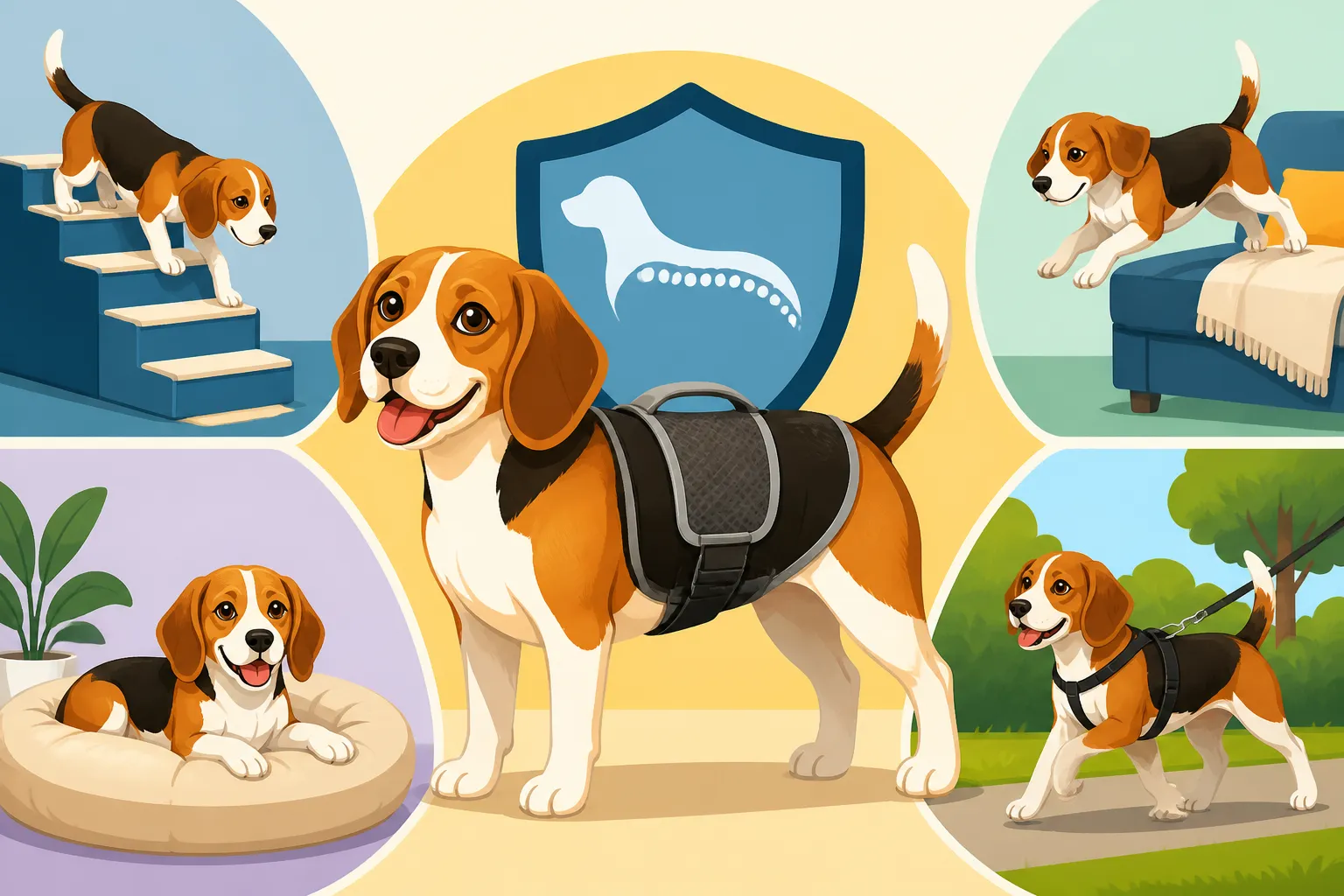
Protecting a Beagle’s Back in Everyday Life
It’s a common sight for Beagle owners: your beloved hound launches itself off the couch, bounds down the stairs, or twists itself into a pretzel trying to get that last crumb from under the coffee table. While their enthusiasm is endearing, these everyday actions can put immense strain on their unique spinal structure, leading to painful issues down the road. This comprehensive guide will walk you through understanding your Beagle's back, identifying potential risks in their daily life, and implementing practical strategies to protect their spine, ensuring they can keep wiggling their happy little tails for years to come.
Understanding Your Beagle's Unique Spinal Structure
Beagles are compact, muscular dogs, but like many breeds with a slightly longer back relative to their leg length, they can be predisposed to certain spinal issues. It's not always obvious, hidden under that dense double coat, but their anatomy makes them a bit more vulnerable than some other breeds. Understanding this is the first step in truly safeguarding their long-term comfort.
Why a Beagle's Back is Susceptible to Injury
Think about the classic Beagle silhouette – that low-slung body, strong legs, and a tail held high like a flag. This body type, while perfect for following a scent trail through brush, means their spine experiences different forces compared to a more square-proportioned dog. The length of their back combined with their active, often boisterous nature, means they can easily put undue stress on their vertebral column. Every jump, every twist, every sudden stop and start can contribute to wear and tear. It's not about them being fragile, but about recognizing a structural predisposition that requires mindful management from us, their caregivers.
Their enthusiastic personalities often mean they're not thinking about landing gracefully or easing themselves off heights. They live in the moment, driven by their incredible noses and a love for adventure. This inherent drive, coupled with their physical build, means we need to be their advocates when it comes to spinal health. Without careful consideration, the cumulative effect of seemingly harmless daily activities can lead to significant problems, even Beagle Disc Disease and That Slightly Long Back.
The Anatomy of a Beagle's Spine and Discs
To truly protect your Beagle's back, it helps to know a little about what's actually happening in there. Their spine is made up of individual bones called vertebrae, and between these vertebrae are soft, jelly-like cushions known as intervertebral discs. These discs act as shock absorbers, allowing the spine to flex, extend, and twist. Each disc has a tough outer fibrous ring (annulus fibrosus) and a gel-like center (nucleus pulposus). In breeds like Beagles, these discs can degenerate over time, sometimes prematurely, a condition known as Intervertebral Disc Disease (IVDD).
When a disc degenerates, the outer ring can weaken or rupture, allowing the soft inner material to bulge or herniate upwards into the spinal canal. This puts pressure on the delicate spinal cord, which is responsible for transmitting signals between the brain and the rest of the body. Depending on where this pressure occurs – neck, mid-back, or lower back – it can cause anything from mild pain to complete paralysis. Understanding this internal vulnerability helps us appreciate why seemingly small impacts can have big consequences.
Common Spinal Conditions in Beagles
While IVDD is arguably the most recognized spinal issue, Beagles can experience other conditions affecting their back. Beyond disc degeneration, they can suffer from lumbosacral stenosis, where the spinal canal narrows in the lower back, often impacting nerve roots that control the hind legs. This can manifest as Hind Leg Weakness in a Middle-Aged Beagle or even changes in tail carriage. Arthritis in the spinal joints, particularly as they age, is another common culprit for discomfort and reduced mobility.
Then there's the more acute injuries. A fall or a sudden, awkward movement can cause soft tissue strains or even fractures, though these are less common with routine activities. Even something as seemingly benign as Beagle Neck Pain and a Head Held Low can be an indicator of significant spinal discomfort in the cervical region. The key across all these conditions is early detection and intervention, which relies heavily on owners being vigilant about changes in their Beagle's behavior or movement.
The Risks of Everyday Activities for a Beagle's Back
Our Beagles are full of life and joy, and we love watching them play and explore. However, some of their most common, everyday behaviors can inadvertently place their backs at risk. It’s not about stopping them from being Beagles, but about modifying their environment and our routines to protect them from preventable injuries.
Jumping On and Off Furniture
One of the biggest culprits for spinal strain in Beagles is repeated jumping, especially off and onto furniture like couches, beds, or chairs. When a Beagle jumps up, the impact of landing can put a sudden compressive force on their intervertebral discs, particularly in their lower back. Jumping down is often even worse, as the force of gravity adds to the impact, jarring their spine. Imagine jumping off a table yourself – it’s a hard landing, and your Beagle’s smaller, more vulnerable spine absorbs that shock directly.
This isn't just about big leaps; even smaller hops from an armchair can contribute to microtrauma over time. Many Beagles love to snuggle on the couch with their people or sleep in the big bed, and denying them this isn't always feasible or fair. The solution isn't necessarily to forbid all furniture access, but to provide safer alternatives, such as steps or ramps. When you notice A Beagle That Suddenly Will Not Jump on the Couch, it's a huge red flag that back pain might already be present and those jumps are becoming too painful.
Navigating Stairs and Hard Landings
Stairs are another common hazard for a Beagle's back. Running up stairs requires a powerful push from the hind legs, which can compress the lumbar spine. More critically, running down stairs means each step is a mini-jump, with the impact rattling through their entire vertebral column. Over time, this repetitive impact and torsional stress from navigating turns can accelerate disc degeneration. For a Beagle with an already compromised disc, a single misstep or a slip on a slick stair can trigger an acute disc herniation.
Hard floors add another layer of risk. If a Beagle slips or lands awkwardly on tile or hardwood floors after descending stairs or jumping, the lack of friction and cushioning can worsen the impact. This is particularly true for older Beagles, who might have less muscle mass and poorer coordination, making falls more likely. Thinking about Stairs and the Load They Put on a Beagle Spine really highlights why proactive measures are so important, especially in multi-story homes.
Rough Play and Sudden Twists
Beagles are known for their playful, sometimes boisterous nature. They love to wrestle, chase, and engage in energetic games with other dogs or their human family. While this play is crucial for their mental and physical well-being, certain types of rough play can be risky for their spines. Sudden stops, sharp turns, mid-air twists, and intense tug-of-war games where their body is wrenched can all put dangerous rotational and compressive forces on their back.
Picture two Beagles mock-fighting, rolling around, and snapping playfully. While it looks like fun, a sudden, uncontrolled twist can easily strain muscles or even impact a disc. Intense games of fetch involving hard stops or jumps to catch a toy can also be problematic. It's not about stopping play, but moderating it. Encourage play that involves more running in straight lines or sniffing games, and intervene if play becomes excessively rough, especially if one dog is much larger or more dominant. We want them to have fun, but safely. The Activities That Twist a Beagle Spine are often the ones we need to be most mindful of.
Creating a Spine-Safe Home Environment for Your Beagle
Once you understand the risks, the next logical step is to modify your home environment to mitigate them. Creating a "spine-safe" home isn't about transforming your living space into a padded cell, but rather making thoughtful adjustments that protect your Beagle from everyday hazards without sacrificing their quality of life.
Ramps and Steps for Beds and Couches
Perhaps the single most impactful change you can make is introducing ramps or steps for furniture. If your Beagle is allowed on the bed or couch, providing a stable, non-slip ramp or a set of pet stairs eliminates the need for them to jump. This dramatically reduces the daily impact and strain on their spine. Look for ramps with a gentle slope and a textured surface for good grip, or steps that are wide and shallow enough for easy ascent and descent. You can find many options from retailers like Chewy or Amazon.
It takes a little training to get them used to using these aids, but it’s a small investment for long-term health. Start by luring them with high-value treats, making it a positive and rewarding experience. Consistency is key; every time they want to get on or off the furniture, guide them to the ramp or steps. This proactive approach can prevent future pain and expensive vet bills, allowing them to continue enjoying their favorite cozy spots. This aligns perfectly with Ramps for a Beagle's Bed and Car.
Car Ramps for Vehicle Entry and Exit
Just like home furniture, getting in and out of a car can be tough on a Beagle's back. Even if your car isn't particularly high, repeatedly jumping into and out of a vehicle, especially after a long walk when their muscles might be tired, can be very damaging. A car ramp or a sturdy set of portable pet stairs is an absolute game-changer. These ramps store easily and can be quickly deployed to provide a safe, gradual incline for your Beagle to walk up and down.
Investing in a good car ramp not only protects your Beagle's spine but also saves your back from lifting them. Lifting a wiggling Beagle, especially if they’re resisting, can be an awkward maneuver that puts strain on both of you. It's especially crucial for larger or senior Beagles, or those with any pre-existing spinal issues. Make it part of your routine from day one, and your Beagle will quickly adapt, viewing the ramp as just another part of their adventure.
Safe Flooring and Bedding Options
Slippery floors are an often-overlooked hazard. Hardwood, tile, or linoleum floors can make it difficult for Beagles to get proper traction, leading to slips, slides, and falls. These sudden movements can cause strains or twists, particularly in their hindquarters and spine. Consider placing non-slip rugs or runners in high-traffic areas where your Beagle walks, plays, or jumps. Ensure their nails are kept trimmed, as long nails reduce paw pad grip.
Comfortable and supportive bedding is also vital. A firm, orthopedic dog bed can provide excellent support for their joints and spine, alleviating pressure points and ensuring they get restful sleep. Avoid overly soft beds that offer no support, as these can exacerbate spinal discomfort. Place several beds around the house in their favorite napping spots, especially if they have a tendency to flop down wherever they feel tired. A good bed is an essential part of Senior Beagle Care After the Age of Ten, but beneficial for Beagles of all ages.
Smart Walking and Playtime Choices to Protect Their Spine
Outdoor adventures are a huge part of a Beagle’s life. Their powerful noses demand exploration! But even walks and playtime need to be managed with spinal health in mind. It’s about channeling their natural instincts into safe, spine-friendly activities.
Choosing the Right Harness for Spinal Support
One of the most important decisions you can make for your Beagle's neck and back health is selecting the correct walking equipment. Traditional neck collars, especially for a breed prone to pulling when a scent hits, can put immense pressure on the delicate cervical spine and trachea. This repeated strain from pulling, or sudden jerks from leash corrections, can contribute to neck pain and exacerbate disc issues in the upper spine.
Instead, opt for a well-fitting, Y-front harness that distributes pressure across their chest and shoulders, away from their neck and throat. A good harness allows for full range of shoulder motion and doesn't rub. Brands like Ruffwear or Kurgo offer excellent options. Using a harness for all walks and car rides (when properly secured) is a simple, effective way to reduce stress on their neck and back. Remember, Why a Harness Protects a Beagle's Neck isn't just about comfort, it's about crucial spinal safeguarding.
Leash Handling Techniques to Avoid Neck Strain
Even with the best harness, improper leash handling can still cause issues. Constant tugging or sharp, sudden jerks on the leash can still transmit force through the harness and into the dog's body, including their spine. The goal is to walk with a loose leash, allowing your Beagle to sniff and explore without constant tension. If your Beagle is a strong puller, focus on positive reinforcement training to teach loose-leash walking.
When you need to redirect your Beagle or prevent them from pulling, a gentle, consistent pressure on the leash is always better than a harsh yank. Try stopping completely when they pull, waiting for the leash to slacken before moving forward. This teaches them that pulling doesn't get them where they want to go. Consider using a longer leash (6-8 feet) to give them more room to explore without feeling constrained, reducing the likelihood of sudden pulls when they hit the end of the line.
Encouraging Safe Play and Exercise
While Beagles need plenty of exercise, not all forms of play are created equal when it comes to spinal health. High-impact activities like repetitive ball fetching with hard stops, or frisbee jumps, should be moderated or avoided, especially as your Beagle ages. Instead, encourage activities that are lower impact and engage their natural instincts, like scent work or long, meandering sniff walks. Sniffing Walks and Why They Tire a Beagle Out are fantastic for mental and physical stimulation without jarring their spine.
Consider dog sports like nose work or tracking, where they use their incredible sense of smell in a controlled, low-impact environment. Swimming, if your Beagle enjoys it, is also an excellent non-weight-bearing exercise that strengthens core muscles without spinal impact. For fetch, roll the ball instead of throwing it high, encouraging a chase rather than a jump. Supervise play with other dogs to ensure it doesn't get too rough, and provide breaks if needed.
Managing Your Beagle's Weight for Long-Term Back Health
It’s no secret that Beagles love to eat. Their insatiable appetites and talent for food procurement are legendary! However, this strong food drive makes them highly prone to obesity, and excess weight is one of the most significant risk factors for spinal problems.
How Extra Weight Raises Beagle Disc Pressure
Imagine carrying a heavy backpack all day, every day. That’s what being overweight feels like for your Beagle, but the extra burden is concentrated on their joints and, critically, their spine. Every extra pound your Beagle carries increases the compressive load on their intervertebral discs. These discs are designed to cushion, but they have their limits. Over time, constant, excessive pressure can accelerate disc degeneration, making them more susceptible to bulging or herniation.
This isn't just about preventing IVDD; it's about alleviating stress on their entire musculoskeletal system. Extra weight contributes to arthritis in the spinal joints and makes it harder for their core muscles to support the spine effectively. An overweight Beagle will also have less stamina, be less active, and potentially suffer from other health issues like diabetes or heart disease. Regularly assessing How Extra Weight Raises Beagle Disc Pressure and taking steps to manage it is a gift of health to your Beagle.
Maintaining a Healthy Body Condition Score
The best way to monitor your Beagle's weight is not just by the number on the scale, but by their body condition score (BCS). This involves visually assessing and physically feeling your dog to determine if they are at an ideal weight. You should be able to easily feel their ribs, but not see them prominently. When viewed from above, your Beagle should have a noticeable waistline, and from the side, their abdomen should tuck up slightly rather than hanging down.
Many veterinarians use a 1-to-9 scale, with 4 or 5 being ideal. If your Beagle scores higher, it's time to adjust their diet and exercise. Being a little too lean is far safer for their spine than being even slightly overweight. Don't fall into the trap of thinking a "chonky" Beagle is a happy one; those extra pounds are slowly damaging their health. Checking in with your vet to determine your Beagle's ideal body condition is a great place to start.
Dietary Strategies for Weight Management
Controlling your Beagle's caloric intake is paramount for weight management. Start by accurately measuring their food at each meal. Don't eyeball it; use a kitchen scale or a precise measuring cup. Most commercial dog foods provide feeding guidelines based on weight, but these are just starting points; your Beagle's individual metabolism and activity level will dictate their actual needs. You can often find quality dog food at pet supply stores or online through platforms like Chewy or Amazon.
Reduce or eliminate high-calorie treats. Instead, use small pieces of healthy vegetables like carrots, green beans, or apple slices (without seeds) as rewards. If you're doing a lot of training, incorporate a portion of their daily kibble as treats. Consider feeding a prescription weight-loss diet if recommended by your vet, or a high-quality food designed for weight control. Some fresh food delivery services like Ollie can also help with portion control and healthy ingredients, ensuring your Beagle gets balanced nutrition without excess calories. Beagle Obesity Treated as a Health Problem means taking their diet seriously.
Recognizing Early Warning Signs of Back Pain in Beagles
Beagles are stoic creatures, often hiding pain until it becomes severe. This is why it’s so critical for owners to be vigilant and recognize subtle changes that might indicate spinal discomfort or injury. Early detection can make a world of difference in treatment and prognosis.
Subtle Behavioral Changes to Watch For
A Beagle in pain might not cry out, but they will often exhibit changes in their normal behavior. Look for a reluctance to perform activities they once enjoyed, like jumping on the couch, going up or down stairs, or even playing. They might seem more withdrawn, less eager for walks, or spend more time sleeping. A change in appetite or a sudden lack of interest in food (which is highly unusual for a Beagle!) could also be a sign.
You might notice them shifting their weight differently when standing or sitting, or adopting unusual postures. They might become restless, unable to find a comfortable position, or conversely, become overly still, trying to avoid movement. Some Beagles might also show increased irritability or even snap when touched, particularly around their back or hindquarters, which is completely out of character for their generally merry disposition. Observing Early Beagle Disc Signs Long Before Paralysis is key to proactive care.
Postural Clues and Movement Limitations
Beyond behavioral shifts, physical posture and movement patterns offer clear indicators of back pain. A Beagle with a sore back might stand with an arched back, a "hunched" appearance, or a lowered head carriage. They might hold their tail lower than usual, or be reluctant to wag it. When walking, you might notice a stiff gait, short strides, or an unevenness in their steps. A Beagle Walking Wobbly and What It Means often points to neurological issues stemming from spinal cord compression.
They might struggle to get up from a lying position, taking longer or needing to push themselves up with their front legs. Watch them climb stairs – do they hesitate, take one step at a time, or bunny-hop with their hind legs? Any of these subtle changes are red flags that warrant investigation. Pay close attention during grooming or petting; do they flinch, yelp, or try to move away when you touch a particular spot on their back?
When to Consult Your Veterinarian
If you observe any of these signs, even if they seem minor, it is crucial to contact your veterinarian immediately. Do not wait for symptoms to worsen. What seems like a slight limp or a bit of stiffness could quickly escalate into severe pain or paralysis if a disc problem is progressing. Describe all the changes you've noticed, no matter how insignificant they seem. Your vet will perform a thorough physical and neurological examination to pinpoint the source of the pain.
Be prepared to discuss when the symptoms started, what activities trigger them, and any previous incidents. Your vet might recommend diagnostic imaging, such as X-rays, MRI, or CT scans, to get a clear picture of what’s happening with their discs and spine. Remember, early diagnosis and treatment offer the best chance for a full recovery and managing chronic pain effectively. Never attempt to "wait and see" when it comes to potential spinal issues.
Supportive Care and Preventive Measures
Taking steps to protect your Beagle's back isn't just about reacting to problems; it's about being proactive. A holistic approach that includes nutritional support, regular veterinary oversight, and specialized therapies can make a significant difference in their long-term spinal health.
Joint Supplements and Nutritional Support
Even before signs of pain appear, certain supplements can help support joint and spinal health. Glucosamine and chondroitin are widely recognized for their role in maintaining cartilage integrity and promoting joint lubrication. Omega-3 fatty acids, particularly EPA and DHA, possess anti-inflammatory properties that can help reduce discomfort associated with joint and spinal issues. You can find these supplements in various forms, from chewable treats to liquid additives, at pet stores or online at Chewy.
Other beneficial ingredients include MSM (methylsulfonylmethane) for anti-inflammatory support and green-lipped mussel for its unique combination of nutrients. Always consult your veterinarian before starting any new supplement regimen to ensure it's appropriate for your Beagle's specific needs and won't interact with any medications they might be taking. Joint Supplements That Help an Aging Beagle are not just for seniors; they can provide preventative support for middle-aged Beagles too.
Regular Veterinary Check-ups and Monitoring
Consistent veterinary care is foundational to preventing and managing spinal problems. Regular check-ups allow your vet to monitor your Beagle’s weight, assess their gait, examine their spine, and catch subtle signs of issues before they become severe. Your vet can advise on appropriate exercise levels, diet, and whether preventative supplements are warranted based on your Beagle's age, activity, and genetic predispositions.
As your Beagle ages, these check-ups become even more crucial. Beagle Vet Visit Frequency After the Age of Ten often increases, allowing for earlier detection of age-related conditions like arthritis or worsening disc degeneration. Don't hesitate to discuss any concerns you have about their mobility or comfort during these visits. Establishing a good relationship with your vet means they're familiar with your Beagle's baseline and can quickly identify when something is amiss.
Physical Therapy and Rehabilitation Options
If your Beagle is diagnosed with a disc injury or chronic back pain, physical therapy (PT) and rehabilitation can be incredibly beneficial, often alongside medical treatment. A certified canine rehabilitation therapist can develop a tailored program to strengthen core muscles, improve flexibility, reduce pain, and restore function. This might include exercises like controlled leash walks, balance board work, underwater treadmill therapy, laser therapy, and massage.
These therapies are not just for post-surgery recovery; they can also be used as a conservative management strategy for less severe disc problems, or to manage chronic arthritis. The goal is to build muscle support around the spine, improve proprioception (awareness of body position), and enhance overall mobility, thereby protecting the spine from future injury. Beagle Physical Therapy After a Back Injury can be a long road, but it's a vital part of helping your Beagle regain their quality of life.
| Risk Factor | Impact on Beagle's Back | Protective Measure | Example Tools/Strategies |
|---|---|---|---|
| Jumping (furniture, car) | Sudden compression/impact on discs, especially lumbar spine. | Provide easy access with ramps/steps. | Pet ramps for couch/bed, car ramps for vehicle entry/exit. |
| Stairs (up & down) | Repetitive impact, twisting forces, risk of slips. | Restrict access, use ramps/lifts. | Baby gates, carrying (if safe), ramps. |
| Slippery Floors | Lack of traction, slips, falls, awkward landings causing strains. | Increase grip on surfaces. | Non-slip rugs, carpet runners, paw pads/grips. |
| Rough Play | Sudden twists, jolts, impacts from wrestling or hard stops. | Supervise play, encourage low-impact activities. | Moderate fetch, scent games, controlled play with compatible dogs. |
| Pulling on Leash | Strain on neck/cervical spine, jerks transmit force to back. | Use appropriate walking gear & training. | Y-front harness, loose-leash training, gentle redirection. |
| Obesity | Increased compressive load on discs, exacerbates arthritis. | Maintain ideal body condition. | Measured meals, healthy treats, regular exercise. |
| Lack of Muscle Support | Weak core muscles offer less stability for the spine. | Engage in strengthening exercises. | Controlled walks, swimming, canine physical therapy. |
Disclaimer
This article is for general informational purposes only and does not constitute professional advice. Laws, prices and regulations vary by location and change over time. Consult a qualified professional for guidance on your specific situation.