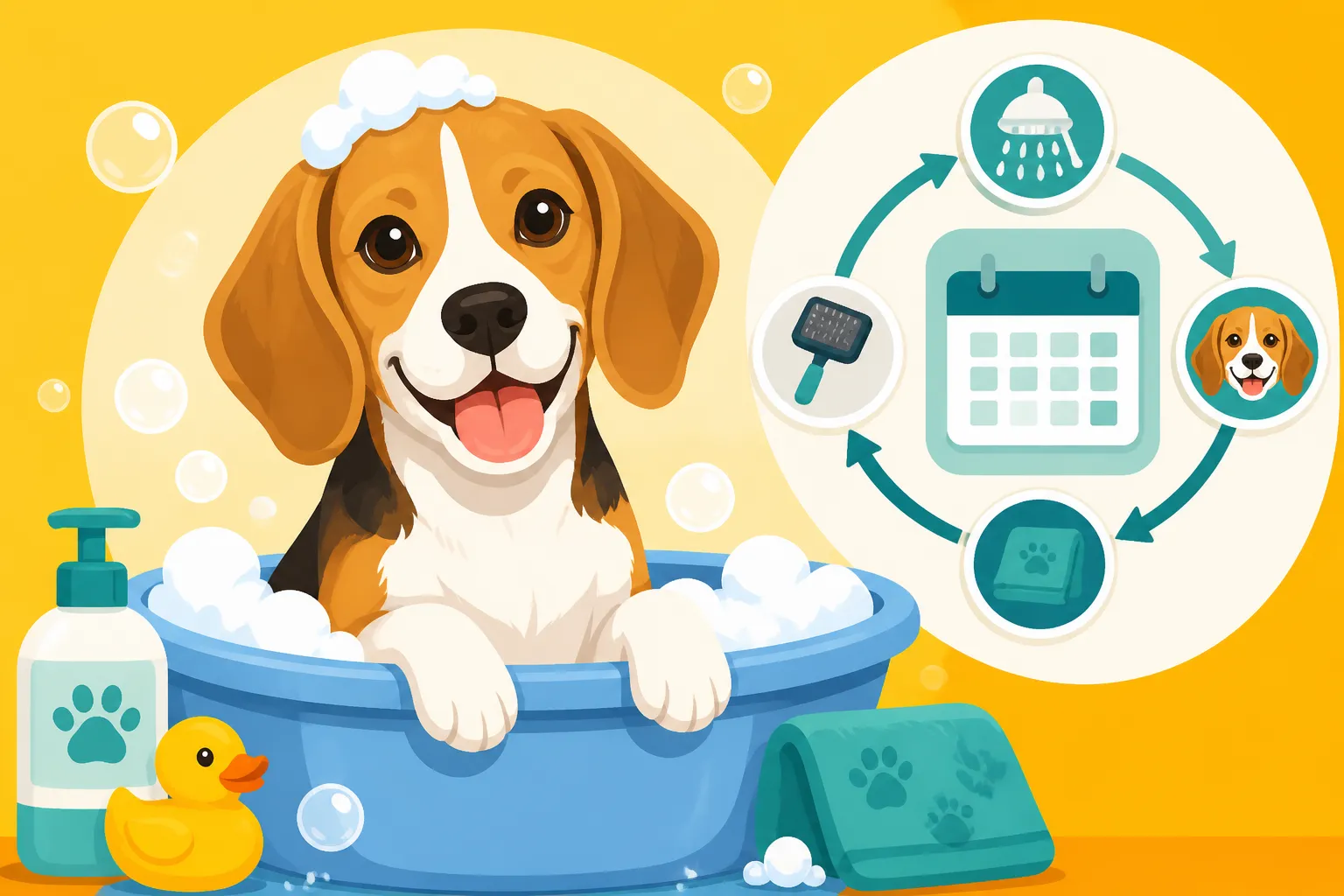
Bathing a Beagle and How Often It Needs One
Beagle owners know the unique struggle of caring for a dog that seems magnetically attracted to mud, foul smells, and mystery puddles on every single walk. Balancing that signature hound funk with healthy, hydrated skin can feel like a constant guessing game. Bathing too often strips vital coat oils, while waiting too long leaves your living room smelling like a damp field. This comprehensive guide breaks down exactly how often your Beagle needs a bath, the step-by-step washing technique to keep their skin healthy, and how to manage that infamous scent hound odor between bath days.
Determining the Ideal Bath Schedule for Your Beagle
The Standard Baseline for Coat Maintenance
Under normal conditions, a healthy adult Beagle only requires a full bath once every two to three months. Because Beagles possess a smooth, weather-resistant double coat, their fur naturally repels a significant amount of dirt and environmental debris once it dries. The natural oils produced by their skin work as a protective barrier, keeping the coat shiny and shielding the dermis from environmental irritants. Bathing on a strict calendar schedule every week or two is rarely necessary unless your hound actively seeks out filth during outdoor adventures.
For hounds living an average indoor-outdoor lifestyle with regular neighborhood walks, a quarterly bath aligned with the changing seasons works wonders. Spring bath sessions help clear out the heavy winter undercoat, while a late summer wash removes accumulated dust, pollen, and dried lake water. Keeping a routine schedule allows you to thoroughly inspect your dog’s body while maintaining the coat’s natural resilience. If you notice your dog developing a subtle doggy odor between these primary sessions, simple brushing often redistributes skin oils and lifts away trapped dirt without needing to run the bathwater.
Understanding your dog’s coat structure helps explain why less is often more when it comes to wet grooming. To learn more about how their fur functions throughout the year, check out our deep dive on Beagle Grooming and That Shedding Double Coat. The dense outer guard hairs act like a raincoat, while the soft undercoat provides insulation. When you submerge and soap a Beagle, you are penetrating down through both layers, which takes time to dry completely and requires careful handling to avoid trapping moisture next to the skin.
Factors That Increase Bath Frequency
While a multi-month interval works well in theory, real-life Beagles rarely abide by pristine theoretical schedules. Active hunting dogs, frequent trail hikers, and hounds that spend hours roaming rural properties naturally demand more frequent cleaning. Muddy paths, wet tall grass, and agricultural runoff quickly embed grime deep into the dense undercoat. In these active scenarios, bathing every three to four weeks—or utilizing targeted rinsing after particularly messy outings—becomes a practical necessity to keep your home clean and your dog comfortable.
Another major driver for increased bath frequency is your individual dog’s mischief level outdoors. Scent hounds possess an innate drive to cover their natural scent by rolling in organic matter, decaying wildlife, or manure. When your pup returns from the yard smelling thoroughly toxic, holding out for a scheduled monthly bath is impossible. If you frequently find yourself dealing with extreme outdoor messes, you will appreciate specialized techniques detailed in our guide on Bathing a Beagle That Rolled in Something Dead.
Medical considerations and skin conditions also alter the bathing calendar dramatically. Beagles prone to environmental allergies, yeast overgrowth, or bacterial dermatitis may require medicated baths prescribed by a veterinarian once or twice a week during flare-ups. These therapeutic baths are designed to deliver active ingredients like chlorhexidine or ketoconazole directly to the dermis, requiring a completely different protocol than standard hygiene washes. Always follow your vet’s specific contact time instructions when treating active skin issues.
Dangers of Over-Bathing a Scent Hound
It is easy to assume that bathing your Beagle every time they smell slightly like a dog will keep them fresh and healthy, but over-washing is actually one of the leading causes of chronic skin irritation in the breed. Stripping the natural sebum away with frequent soaping disrupts the delicate skin microbiome and leaves the epidermal barrier compromised. This loss of protective moisture leads to dry, flaky skin, micro-cracks in the epidermis, and a coat that feels coarse rather than smooth and glossy.
When skin becomes chronically dry from excessive bathing, the body often overcompensates by producing even more oil. This secondary surge of oil creates a frustrating cycle: the dog develops a greasy, heavier scent faster than before, prompting the owner to wash them even more frequently. Furthermore, compromised skin provides an ideal breeding ground for opportunistic yeast and bacteria. Over-bathed hounds frequently suffer from severe itchiness, leading to constant scratching, hot spots, and hair loss.
To protect your hound’s skin barrier, limit full-body shampooing to times when the coat is visually dirty or sticky to the touch. If your dog simply smells a bit stale after a rainy walk, opt for dry grooming techniques or a thorough wipe-down with a damp microfiber cloth instead of a tub session. Preserving the integrity of that protective lipid layer ensures your Beagle stays comfortable in their own skin year-round without developing chronic dermatological issues.
Essential Bathing Supplies and Pre-Bath Setup
Selecting the Right Shampoo and Conditioner Formulas
Using human shampoo, harsh dish soaps, or cheap scented dog washes on a Beagle is a recipe for disaster. Human skin has an acidic pH of around 5.5, whereas a dog’s skin is much closer to neutral, sitting between 6.5 and 7.5. Bathing a dog with human products strips their protective acid mantle, leaving them vulnerable to inflammation and infection. Always invest in a high-quality, pH-balanced canine formula designed specifically for short, dense double coats. Look for ingredients like colloidal oatmeal, aloe vera, chamomile, and natural lipids that soothe the skin while cleaning.
When selecting products, pay attention to coat type and specific skin needs. For everyday maintenance, a soap-free, hypollergenic shampoo cleanses without removing necessary oils. If your dog suffers from seasonal itching, a soothing oatmeal wash helps calm inflamed tissue. To explore specific product choices tailored to this breed’s unique fur texture, read our detailed recommendations on Beagle Shampoo for a Short Dense Coat. Many owners find it convenient to order trusted grooming supplies in bulk from major online retailers like Chewy or Amazon to keep their wash stations stocked.
| Product Type | Key Benefits | Best Use Case |
|---|---|---|
| Oatmeal / Hypoallergenic Wash | Soothes dry skin, maintains pH | Routine washing, sensitive skin |
| Medicated Anti-Fungal/Bacterial | Treats active infections/yeast | Veterinary-directed therapy |
| Deodorizing Shampoo | Breaks down organic odors | Rolling in mud, grease, or waste |
| Leave-In Canine Conditioner | Restores coat moisture barrier | Post-bath hydration, winter dry |
Never skip the conditioning step, even on a short-haired hound. While it might seem like canine conditioner is only meant for long-coated breeds like Poodles or Setters, it plays a critical role in Beagle coat care. Shampoo opens the hair cuticle and lifts away trapped grease; conditioner seals that cuticle back down, locks in essential hydration, and creates a protective barrier against external dirt. A light, rinse-out canine conditioner or a leave-in soothing spray keeps the short coat feeling silky and reduces static during dry winter months.
Preparing Your Bathroom and Grooming Space
Attempting to bathe an unprepared, energetic Beagle turns your bathroom into a splash zone in seconds. Successful grooming relies entirely on smart preparation before your dog ever sets foot in the tub. Start by gathering all your supplies within arm’s reach: shampoo, conditioner, a plastic cup or handheld shower attachment, several thick cotton towels, cotton balls for the ears, and high-value treats to reward calm behavior throughout the process.
Safety should be your primary concern when setting up the washing station. Tubs and tiled shower basins become slick instantly when wet, causing dogs to panic as their paws lose traction. A slipping dog can easily strain a knee joint, twist an ankle, or panic and attempt to leap out of the enclosure. Lay down a non-slip rubber bath mat inside the tub to provide firm footing, and place an old rug or towel on the floor outside the tub where you will be kneeling and where the dog will exit.
Controlling the room environment makes a massive difference in your dog’s stress levels. Close doors and windows to eliminate cool drafts, especially during autumn and winter washing sessions. If your Beagle is sensitive to loud noises, avoid running high-pressure faucets or roaring exhaust fans right next to their head. Setting up a peaceful, predictable environment converts a potentially stressful ordeal into a bonding routine your hound might actually come to enjoy.
The Pre-Bath Brush Down and Coat Preparation
Brushing your Beagle thoroughly before turning on the water is one of the most frequently overlooked steps in dog grooming, yet it saves immense time and mess. A Beagle’s dense undercoat retains loose, dead fur continuously. If you get that dead hair wet without brushing it out first, it forms a dense, matted layer close to the skin that traps shampoo, prevents proper rinsing, and doubles your drying time. Wet undercoat hair is significantly harder to remove than dry, loose fur.
Use a high-quality slicker brush or a dedicated rubber curry brush to work through the coat systematically from neck to tail. Rubber curry tools are particularly effective for short-coated hounds because the flexible rubber teeth massage the skin, stimulate natural oil production, and grab hold of shedding undercoat hairs like a magnet. To compare the best tools available for managing this heavy shedding layer, review our guide on Deshedding Tools That Work on a Beagle.
During this pre-bath brushing session, take two minutes to run your hands over your dog’s body, feeling for scratches, ticks, small lumps, or sensitive spots that might hurt when washed. Check the skin underneath the armpits, down the groin, and between the toe pads. Removing loose hair and identifying sensitive areas beforehand ensures that your bath process will be gentle, efficient, and thoroughly effective from start to finish.
Step-by-Step Guide to Washing a Beagle
Temperature Control and Water Application
Water temperature is critical to your dog’s comfort and health during bath time. Dogs are much more sensitive to heat than humans; water that feels comfortably hot to your hands can easily overheat a hound or irritate their sensitive skin. Always aim for lukewarm water that feels slightly warm to the touch—roughly the same temperature you would prepare for an infant. Test the water stream on the sensitive skin of your inner wrist before directing it onto your dog’s back.
Begin wetting the coat slowly, starting at the rear feet and moving up the hind legs, over the back, and toward the shoulders. Avoid spraying water directly into your dog’s face or ears at all costs. Using a handheld shower wand with adjustable pressure settings works best, as it allows you to press the spray nozzle right against the dog’s coat to penetrate the water-repellent guard hairs efficiently. If you do not have a detachable hose, use a large plastic pitcher to pour warm water over the body gently.
Take your time during the initial soaking phase. Because a Beagle’s double coat naturally sheds water, simply running a stream over their back for a few seconds will leave the undercoat completely dry underneath. Gently massage the water into the fur with your fingers, working against the direction of hair growth to ensure the water reaches all the way down to the skin level before you apply any shampoo.
Lathering, Washing, and Protecting Sensitive Areas
Once the coat is saturated, pour a modest amount of canine shampoo into your palms and work it into a lather before applying it to your dog. Start massaging the soap into the neck, chest, and back, moving down to the flanks, belly, and legs. Use firm, circular motions with the pads of your fingers to lift dead skin flakes and breakdown trapped oils. Pay special attention to high-friction areas where dirt accumulates: under the armpits, around the collar line, and around the base of the tail.
Protecting the face and head requires extreme care. Never spray water or lather harsh shampoo directly over a Beagle’s eyes, nose, or open ear canals. Instead, use a soft, damp washcloth dipped in plain warm water (or water mixed with a tiny drop of tearless puppy shampoo) to wipe down the muzzle, chin, forehead, and outer facial folds. This targeted approach prevents painful eye stinging, accidental water inhalation, and serious middle ear complications.
While washing the underbelly and groin area, be exceptionally gentle. The skin in these regions is thinner, highly sensitive, and sparsely covered by hair. Avoid rough scrubbing; instead, use light, sweeping hand movements to clean the skin. Take a moment to gently clean around the genital area and the base of the tail, where dried mud or debris frequently clings to the skin after outdoor play.
The Critical Rinsing and Drying Process
Rinsing is arguably the most important phase of the entire bath. Leaving even a tiny trace of shampoo residue behind on a Beagle’s skin will cause intense itching, flaking, and secondary skin infections once dry. Rinse the coat continuously for at least two to three minutes longer than you think is necessary. Work your fingers through the dense fur under running water, ensuring that every trace of suds is completely washed away from the undercoat.
Once the water running off your hound is crystal clear and free of bubbles, gently cup your hands along their neck, back, and legs to squeegee away excess water before they step out of the tub. Give your dog a moment to do their natural full-body shake while still enclosed inside the shower curtain or tub basin—this single shake removes up to 70% of the water trapped in their coat, saving your bathroom walls from getting soaked.
Immediately wrap your Beagle in a large, absorbent microfiber towel as soon as they exit the tub. Pat and rub the coat firmly to pull moisture out of the dense fur. Avoid rough, aggressive rubbing that can tangle hairs or irritate skin; instead, use pressing motions with dry sections of the towel. Keep your dog in a warm, draft-free room until they are 100% dry. While some owners use a hair dryer set strictly on the “cool” or “no-heat” setting, many Beagles dislike the loud noise; thorough towel drying followed by warm indoor rest is usually completely sufficient for this short-coated breed.
Ear, Skin, and Paw Care During Bath Time
Keeping Water Out of Those Long Pendulous Ears
Those long, gorgeous, velvety ears are a trademark feature of the Beagle breed, but they present a major vulnerability during bath time. Because the heavy ear flaps hang down over the canal, they trap heat and humidity inside, creating an ideal, dark environment for yeast and bacteria to thrive. Allowing bathwater to splash inside the open ear canal dramatically increases the risk of painful infections that require veterinary intervention.
To protect the ear canals, gently place a small, clean cotton ball just inside the entrance of each ear flap before starting the water stream. The cotton ball acts as a barrier, absorbing any stray droplets. Be careful not to push the cotton down deep into the vertical canal; it should sit comfortably near the opening where you can easily retrieve it as soon as the bath ends. If your dog shakes their head violently during the wash and dislodges the cotton, replace it immediately before continuing.
As soon as the towel-drying phase is complete, remove the cotton balls and perform a careful inspection of the ear interior. Use a specialized canine ear drying solution or a soft cotton pad to remove any lingering moisture. For detailed instructions on proper post-bath ear drying protocol, refer to our helpful article on Drying Beagle Ears Thoroughly After a Bath. Keeping those drop ears completely dry is your absolute best defense against chronic, smelly ear trouble.
| Do’s of Beagle Ear Bath Care | Don’ts of Beagle Ear Bath Care |
|---|---|
| Place cotton balls in outer canals | Never spray water directly at face |
| Towel dry ear flaps inside and out | Never use cotton swabs inside canal |
| Use a drying solution post-bath | Never leave wet cotton in the ears |
Managing Wrinkles, Underbelly, and Skin Folds
While Beagles do not possess deep, extreme skin folds like Bulldogs or Bloodhounds, they do have loose, pliant skin around their throat, neck, and lower chest. These minor folds easily collect moisture, drool, fallen food particles, and fine trail dust. During the bath, ensure you gently unfold these skin creases to wash away trapped grime, and take extra care to dry deep inside these crevices thoroughly afterward to prevent chafing and localized fungal flare-ups.
The underbelly area requires special attention during grooming inspections. Because Beagles sit low to the ground, their chests and bellies routinely come into contact with tall weeds, brambles, and wet grass. Check the skin around the nipples and groin for tiny scrapes, embedded seeds, or red tick bites. Bath time provides a perfect opportunity to wash these low-clearance areas with clean water and inspect for early signs of skin irritation.
If you notice persistent redness, dark sour-smelling discharge, or raw patches in the skin creases despite careful washing and thorough drying, your hound may be dealing with an underlying issue. To better understand how moisture triggers chronic inflammation under those drop ears and skin folds, review our comprehensive guide on Beagle Ear Infections Under Those Long Ears.
Post-Walk and Post-Bath Paw Maintenance
A Beagle’s paws do serious work, bearing their weight across rugged terrain, muddy fields, and rough asphalt. During the bath routine, examine every individual paw carefully. Spread the toe pads apart gently under running water to clear out packed dirt, small pebbles, sand, and tiny ice-melt crystals that get jammed between the toes. Trapped debris in the webbing leads to painful sores and constant paw licking.
After washing, dry the paws meticulously. Moisture trapped in the dense hair between the toe pads is one of the most common causes of pododermatitis and yeast overgrowth on canine feet. If your dog constantly licks their paws after a bath, damp webbing is often the primary trigger. Take a dry corner of your towel and thoroughly dry between every single toe pad before letting your dog return to carpeted areas.
In addition to full baths, establishing a simple post-walk paw cleaning routine keeps your house clean and protects your hound’s feet between bath days. Keeping a damp towel or dedicated pet wipe near the front door allows you to clean off wet mud quickly before it dries and hardens into uncomfortable clumps on their paws.
Between-Bath Maintenance and Odor Management
Dry Grooming and Daily Coat Brushing Strategies
The secret to extending the time between full baths lies in consistent, proactive dry grooming. Brushing your Beagle for just five minutes three or four times a week does far more for coat cleaniness than an occasional dip in the tub. Regular brushing strips away dried mud, lifts dander, pulls out trapped undercoat fur, and redistributes natural skin oils evenly down the length of the hair shaft, giving the coat a rich, glossy sheen.
A rubber curry brush remains the gold-standard tool for daily Beagle maintenance. Using medium circular motions over the entire body pulls dead, shedding hair to the surface while massaging the skin to increase blood circulation. Follow up with a short-bristled finishing brush to sweep away loose surface dust and smooth the guard hairs down flat against the body.
Daily brushing also significantly reduces the amount of dog hair ending up on your furniture, rug, and clothes. When loose undercoat fur remains trapped against the dog’s body, it holds onto ambient humidity and skin oils, accelerating that classic “wet dog” smell. Keeping the coat free of dead fur keeps the dog smelling significantly fresher for weeks on end.
Spot Cleaning and Quick Odor Solutions
When your Beagle comes inside with muddy lower legs or a dusty belly, you do not need to subject them to a full tub bath. Spot cleaning is an efficient, stress-free way to maintain hygiene without stripping natural skin oils. Keep a stash of alcohol-free, fragrance-free pet wipes or a damp microfiber cloth handy near your doorway to handle daily messes as soon as they enter the house.
For minor localized smells—like a dog that brushed past a smelly bush or splashed through a stagnant puddle—dry dog shampoos or waterless foam cleansers work remarkably well. Apply the foam to the affected area, massage it thoroughly into the fur with your fingers, and rub the spot briskly with a clean, dry towel. The foam encapsulates dirt and oil, which is then lifted away by the towel without ever wetting the undercoat completely.
If your dog suffers from sensitive skin or frequent environmental reactions that leave them constantly scratching despite spot cleaning, explore our detailed resource on Beagle Skin Allergies and Constant Itching. Managing environmental triggers with targeted wipes after outdoor walks often eliminates the need for frequent full-body soaping altogether.
How Nutrition Impacts Hound Odor and Coat Health
Many owners are surprised to learn that persistent, foul “hound odor” often originates from inside the body rather than from external dirt. A dog’s diet directly influences skin oil composition, gut microbiome health, and overall coat odor. Feeding low-quality foods loaded with cheap fillers, artificial preservatives, or poor-quality fat sources often leads to greasy, inflamed skin that emits a strong, sour scent regardless of how often you wash them.
A balanced diet rich in high-quality animal proteins and essential omega-3 and omega-6 fatty acids supports a strong epidermal moisture barrier from the inside out. Essential fatty acids—commonly found in fish oil, flaxseed, and fresh animal fats—nourish the hair follicles, reduce systemic skin inflammation, and keep the coat gleaming naturally. Many Beagle owners report dramatic improvements in both coat texture and scent after switching to premium, fresh-food diets offered by brands like Ollie, or high-grade recipes available through online subscription services.
| Dietary / Health Element | Direct Impact on Beagle Coat |
|---|---|
| High Omega-3 Fatty Acid Intake | Reduces skin flaking & oily odor |
| Highly Digestible Animal Protein | Promotes dense, strong hair growth |
| Proper Gut Microbiome Balance | Minimizes systemic yeast smells |
| Fresh Food Subscriptions (e.g. Ollie) | Improves coat softness & shine |
If you are interested in exploring how customized nutritional plans support your dog’s skin health, read our guide on Fresh Food Subscriptions Portioned for a Beagle. Combining proper internal nutrition with a balanced, sensible external bathing routine ensures your hound stays healthy, happy, and smelling great without ever compromising their sensitive skin.
Summary of Beagle Bathing Needs by Scenario
To help you determine the right grooming routine for your specific dog, review this quick reference guide matching lifestyle scenarios to recommended bath frequencies and key care steps:
| Lifestyle Scenario | Recommended Bath Frequency | Primary Cleaning Method | Critical Focus Area |
|---|---|---|---|
| Standard Indoor / Neighborhood Walker | Every 8 to 12 Weeks | Full tub bath with oatmeal shampoo | Routine coat conditioning & dry brushing |
| Active Trail Hiker / Field Dog | Every 3 to 4 Weeks | Full bath or thorough warm hose rinse | Paw pad debris & underbelly cleanup |
| Allergy-Prone / Sensitive Skin | As prescribed by vet (Weekly/Bi-weekly) | Medicated therapeutic bath | Contact time for prescription shampoo |
| Avid Mud & Waste Roller | As needed immediately upon incident | Targeted deodorizing wash | Deep cleaning without over-stripping skin |
| Senior Dog with Low Mobility | Every 10 to 12 Weeks (Spot clean weekly) | Sponge bath & waterless cleansing foam | Keeping skin folds dry & clean |
Disclaimer
This article is for general informational purposes only and does not constitute professional advice. Laws, prices and regulations vary by location and change over time. Consult a qualified professional for guidance on your specific situation.