Bathing a Beagle That Rolled in Something Dead
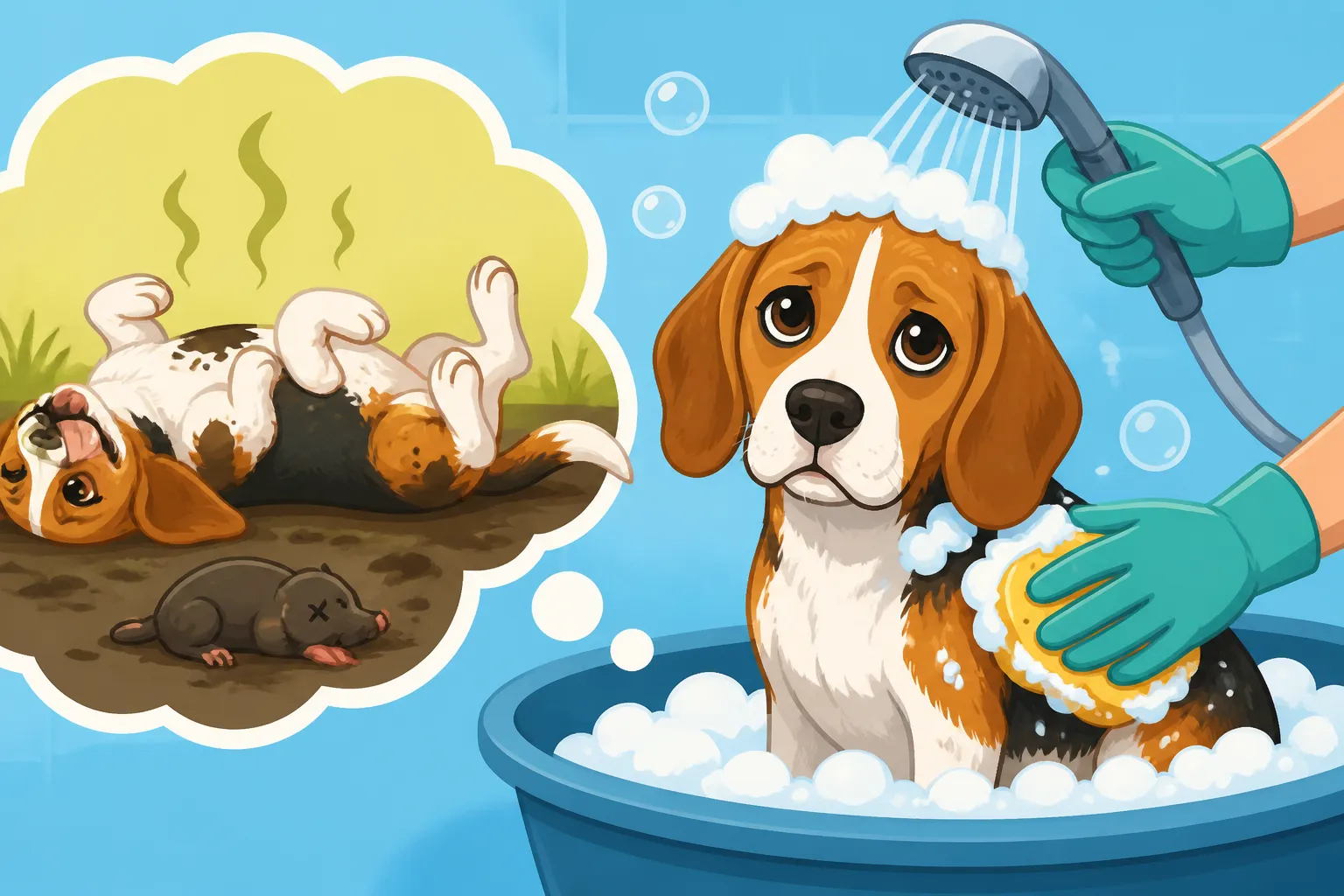
Oh, the sheer horror! You've just watched your beloved Beagle, tail wagging like a maniac, dive headfirst into something truly, utterly vile – something dead, something rotten, something that now has a permanent residence in their dense, adorable fur. The stench is immediate, overwhelming, and you know a regular bath simply won't cut it. This guide is here to walk you through the unavoidable, multi-step process of de-stinking your Beagle and reclaiming your home's air quality.
The Immediate Aftermath: Assessing the Damage and Containing the Stink
That moment of realization, when the smell hits you, and you see the satisfied grin on your Beagle's face, is a special kind of dread. It’s a race against time to contain the odor and prevent it from migrating from your dog to your furniture, your carpets, and ultimately, your soul.
Why Beagles Love the Gross Stuff
Let's face it, Beagles are scent hounds through and through. Their entire existence revolves around their nose, which is arguably one of the most powerful sniffers in the canine world. They have an incredible 220 million scent receptors, dwarfing our mere 5 million. When they encounter something dead, decaying, or just plain disgusting, their instincts kick in. For them, it's not gross; it's a treasure trove of information, a billboard of scents advertising who's been where and what's happened. Some theories suggest they roll in strong odors to mask their own scent, a primordial hunting behavior. Others believe it's simply pure, unadulterated joy in experiencing a powerful new smell. Whatever the reason, it's a deeply ingrained trait, and it means they're going to find the foulest thing in the park and embrace it. Understanding this can help you, if only a little, to keep your sanity when it happens. Why a Beagle Walks With Its Nose to the Ground is a good read to understand just how powerful that nose is.
Containment Strategies Before the Bath
The absolute first step is containment. Do not let your Beagle roam freely through your house, rub against your legs, or jump on the couch. Every surface they touch will become a new vector for that appalling odor.
- Leash Them Up Immediately: Even if you're in your backyard, get them on a leash. This prevents further rolling and gives you control.
- Outdoor Shower/Hose if Possible: If the weather allows and you have an outdoor faucet or a utility sink, this is your best friend. A quick pre-rinse outside can knock off the worst of the particulate matter and prevent it from going down your indoor drain. Be cautious with cold water, especially in cooler climates, as Beagles have sensitive skin and can get chilled quickly. A warm outdoor wash station is ideal if you're lucky enough to have one.
- Designated "Stink Zone": If an outdoor rinse isn't an option, clear a path directly to your bathroom or laundry room. Lay down old towels or newspapers to protect your floors. Have a secure tie-out point or have someone help hold your dog to prevent them from shaking and spreading the mess even further.
- Consider a Temporary Cover-Up: If your Beagle needs to travel a short distance inside, consider wrapping them loosely in an old towel or blanket dedicated for such emergencies. This acts as a barrier, however thin, against immediate odor transfer.
Gathering Your Supplies
Before you even think about putting your Beagle in the tub, make sure you have absolutely everything you need within arm's reach. You do not want to be scrambling for a towel or shampoo with a dripping, smelly Beagle looking at you expectantly.
- Gloves: Trust me on this. Gardening gloves, rubber cleaning gloves, anything that puts a barrier between you and the vile scent.
- Old Clothes: Wear something you don't mind getting wet and smelly, because you will get wet and smelly.
- Specialized Deodorizing Shampoo: This is crucial. A regular dog shampoo often isn't strong enough. Look for shampoos specifically designed to neutralize odors, often containing ingredients like baking soda, enzymes, or strong deodorizers. Brands available on Chewy or Amazon often have a good selection of these.
- Degreasing Shampoo (Optional but Recommended): If the offending substance was oily or greasy, a degreasing shampoo can be a lifesaver in breaking down the residue.
- Conditioner (Optional): After such an intensive wash, a good dog conditioner can help restore moisture to your Beagle's coat.
- Lots of Towels: Have at least 3-4 large, old towels ready.
- Cotton Balls/Ear Cleaner: Beagles are prone to ear infections, so protecting their ears during the bath and cleaning them afterward is vital. Beagle Ear Cleaning as a Weekly Job is a great resource.
- Treats: High-value treats are essential for distraction and positive reinforcement, especially if your Beagle isn't a fan of baths. You might want something extra special after this ordeal!
- Dog Brush: To help work in the shampoo and remove loose fur/debris.
The Multi-Step Bathing Process for Extreme Odors
This isn't a quick scrub-and-rinse job. Be prepared for multiple rounds of washing, each targeting a different aspect of the pervasive stink. Patience is key, as is a strong stomach.
The Pre-Rinse and Initial De-Gunking
Once your Beagle is contained in the tub or wash area, the first real step begins.
- Initial Rinse with Lukewarm Water: Thoroughly wet your Beagle's coat with lukewarm water. Avoid hot water, as it can dry out their skin. Direct the water away from their face as much as possible to minimize stress. If you have a detachable showerhead, this makes the job infinitely easier.
- Remove Obvious Debris: Before applying any shampoo, try to physically remove as much of the offensive material as you can. If it's something solid or chunky, you might need paper towels to gently wipe it away. If it's more like mud or sticky goo, the pre-rinse should help loosen it up. This step is about getting rid of the bulk of the problem, not necessarily the smell itself.
- Protect the Ears: Gently place cotton balls in your Beagle's ear canals. This is crucial for their long, floppy ears which are naturally prone to trapping moisture and developing infections. Beagles have Beagle Ear Infections and the Drooping Ear Flap that make them especially vulnerable. The cotton acts as a barrier to prevent water from entering the inner ear, which can lead to painful ear infections. Make sure they are placed loosely enough to be easily removed later.
Specialized Shampoos and Application Techniques
Now for the real battle against the odor. This will involve at least two different types of shampoo and a very thorough application.
- First Wash: The Degreaser (if needed): If the 'dead thing' was oily or greasy, start with a good degreasing dog shampoo. Work it thoroughly into the affected areas first, then expand to the entire coat. Really massage it down to the skin. Let it sit for the recommended time on the bottle (usually 5-10 minutes). This shampoo's job is to break down the fatty oils that often carry the worst smells. Rinse completely. This means rinsing until you no longer feel any slick residue on their fur and the water runs clear. Any leftover shampoo can irritate the skin.
- Second and Third Washes: The Deodorizer: This is where the heavy lifting happens. Apply a generous amount of your specialized deodorizing shampoo. Again, focus on the areas that bore the brunt of the "roll," but lather up your entire Beagle. Get into every crease, under their chin, their chest, their legs – anywhere that awful scent might be clinging. Many people find a good enzymatic shampoo works wonders for breaking down organic matter. Leave the shampoo on for the maximum recommended time, usually 5-15 minutes, to allow the deodorizing agents to do their work. You might even want to do this twice, rinsing thoroughly in between.
- Pro Tip: As you lather, you can use a dog brush to help work the shampoo through their dense double coat and gently scrub away any clinging particles. This also helps stimulate the skin and ensure deep cleaning.
- Face Cleaning: For their face, use a damp cloth with a tiny bit of the deodorizing shampoo (or a tearless puppy shampoo) to gently wipe around their muzzle, forehead, and cheeks. Avoid getting soap in their eyes or nose. Rinse this area very carefully with a damp cloth, squeezing out any excess water.
- Rinse, Rinse, Rinse: This is arguably the most important part of bathing a Beagle. Their thick double coat can hold onto shampoo residue, leading to skin irritation and dull fur. Rinse long and hard until you are absolutely certain all suds and residue are gone. When you think you're done, rinse for another minute. Seriously. The water should run perfectly clear, and their coat should feel squeaky clean, not slick.
Here's a quick comparison of shampoo types:
| Shampoo Type | Primary Benefit | When to Use It | Notes |
|---|---|---|---|
| Deodorizing/Enzymatic | Neutralizes and breaks down odor molecules | For any strong, foul smell, especially organic matter | Essential for "rolled in dead stuff" scenarios. Often pH-balanced. |
| Degreasing | Removes heavy oils, grease, and sticky residues | When the offensive material is oily, tar-like, or super sticky | Great pre-treatment for heavily soiled, greasy coats. |
| Oatmeal/Hypoallergenic | Soothes irritated skin, gentle cleansing | After intense washing, or if your Beagle has sensitive skin | Good for a final, gentle wash or as a follow-up conditioner. |
| "Skunk" Shampoos | Specifically formulated for skunk odor | Excellent choice if rolling in dead animal also involved skunk | Usually contains strong oxidizers to break down thiols. |
Many of these specialized shampoos can be found readily on online retailers like Chewy or Amazon, where you can read reviews to help you pick the best one for your particular horror story.
Post-Bath Care: Drying, Ear Checks, and Odor Prevention
You've fought the good fight, and the worst of the smell is gone. But the job isn't quite finished. Proper post-bath care is crucial for your Beagle's health and comfort, and proactive steps can help prevent future incidents.
Thorough Drying and Preventing Skin Issues
A wet Beagle, especially one with a dense undercoat, is a recipe for skin problems if not dried properly.
- Towel Dry Vigorously: As soon as your Beagle is out of the tub, wrap them in a large towel and start rubbing them down. Beagles love to shake after a bath, so be prepared! Do this outside if possible to avoid a watery mess inside. Use multiple towels until they are mostly damp, not dripping wet.
- Air Dry or Low-Heat Dryer: In warm weather, your Beagle can finish air drying outside in a safe, contained area. In cooler weather or if you want to speed up the process, you can use a dog-specific blow dryer on a cool or low-heat setting. Never use a human hairdryer on a high-heat setting, as it can burn your dog's skin. A forced-air pet dryer can be incredibly efficient at blasting water out of their coat. Keep the dryer moving to avoid concentrating heat in one spot.
- Brush During Drying: As you dry, use a dog brush to help separate the fur and allow air to circulate, which speeds up drying and helps prevent matting in their undercoat. This is also a good time to check for any missed spots of dirt or skin irritation from the vigorous washing. Regular brushing helps with Beagle Shedding and the Two Coats Underneath.
- No Damp Beds: Ensure their bedding is clean and dry before they go back to sleep. A damp dog on a damp bed can quickly lead to bacterial or fungal skin infections.
Keeping Those Beagle Ears Clean
Those iconic floppy Beagle ears are adorable, but they are also a perfect breeding ground for moisture, yeast, and bacteria. After a bath, they need special attention.
- Remove Cotton Balls: Gently remove the cotton balls from their ears.
- Clean with Ear Cleaner: Use a vet-approved canine ear cleaning solution. Squirt a small amount into each ear canal, gently massage the base of the ear for 30 seconds to help break up any wax or debris, then allow your Beagle to shake their head (which they will do with gusto!). Finally, use fresh cotton balls or soft gauze wrapped around your finger to wipe out the visible parts of the ear. Never use cotton swabs in the ear canal, as this can push debris further in and damage the eardrum.
- Thoroughly Dry the Ears: This is critical. Use a dry cotton ball or a corner of a clean towel to gently dry the inside of the ear flap and as much of the canal opening as you can reach. You want those ears as dry as possible to prevent yeast overgrowth. Cleaning a Beagle Ear Before Infection Starts is a resource you'll want to bookmark.
- Monitor for Signs of Infection: Over the next few days, keep an eye out for any signs of ear infection, such as redness, swelling, discharge, a foul odor from the ear, or excessive scratching/head shaking. If you notice any of these, contact your vet.
Strategies to Prevent Future "Rolls"
While you can't completely eliminate a Beagle's instinct to roll in interesting scents, you can certainly reduce the opportunities.
- Supervised Outdoor Time: Keep a close eye on your Beagle during walks and yard time, especially in areas known for wildlife or dead critters. Their nose will lead them, so stay vigilant. If your Beagle's nose is to the ground, sniffing intently, it's a good time to gently redirect them. Letting a Beagle Sniff on Every Single Walk is important, but supervised sniffing is key in risky areas.
- Leash Discipline: In unfenced areas, always keep your Beagle on a leash. Their recall can be notoriously poor once a strong scent trail takes over. A long line can give them more freedom to sniff safely without the risk of them bolting after a scent and finding something unsavory. Why a Beagle Should Never Be Off Leash Unfenced emphasizes this point.
- Yard Maintenance: Regularly patrol your own yard for any dead animals (birds, rodents, etc.) or other tempting, smelly objects. Promptly remove anything that could attract your Beagle. This includes checking under bushes and dense foliage.
- Training "Leave It": Consistently practice the "leave it" command with your Beagle, starting with low-value items and gradually working up to more tempting things. While it might not work 100% of the time when their nose is fully engaged, it can be a useful tool for intervention.
- Alternative Scent Enrichment: Provide plenty of positive, supervised scent enrichment activities. Nose work games, puzzle toys, and scatter feeding can satisfy their natural drive to use their nose in a controlled environment. This can sometimes decrease their desperate need to find "interesting" smells in the wild.
- Secure Fencing: If you have a yard, ensure your fence is secure. Beagles are known escape artists, capable of How a Beagle Finds the One Gap in a Fence or digging under them if a tantalizing scent is on the other side. A secure perimeter means less chance of them getting out and finding trouble.
Dealing with a Beagle who has rolled in something dead is never a pleasant experience, but with the right tools and a systematic approach, you can banish the stench and get back to enjoying your wonderfully quirky hound.
Disclaimer
This article is for general informational purposes only and does not constitute professional advice. Laws, prices and regulations vary by location and change over time. Consult a qualified professional for guidance on your specific situation.