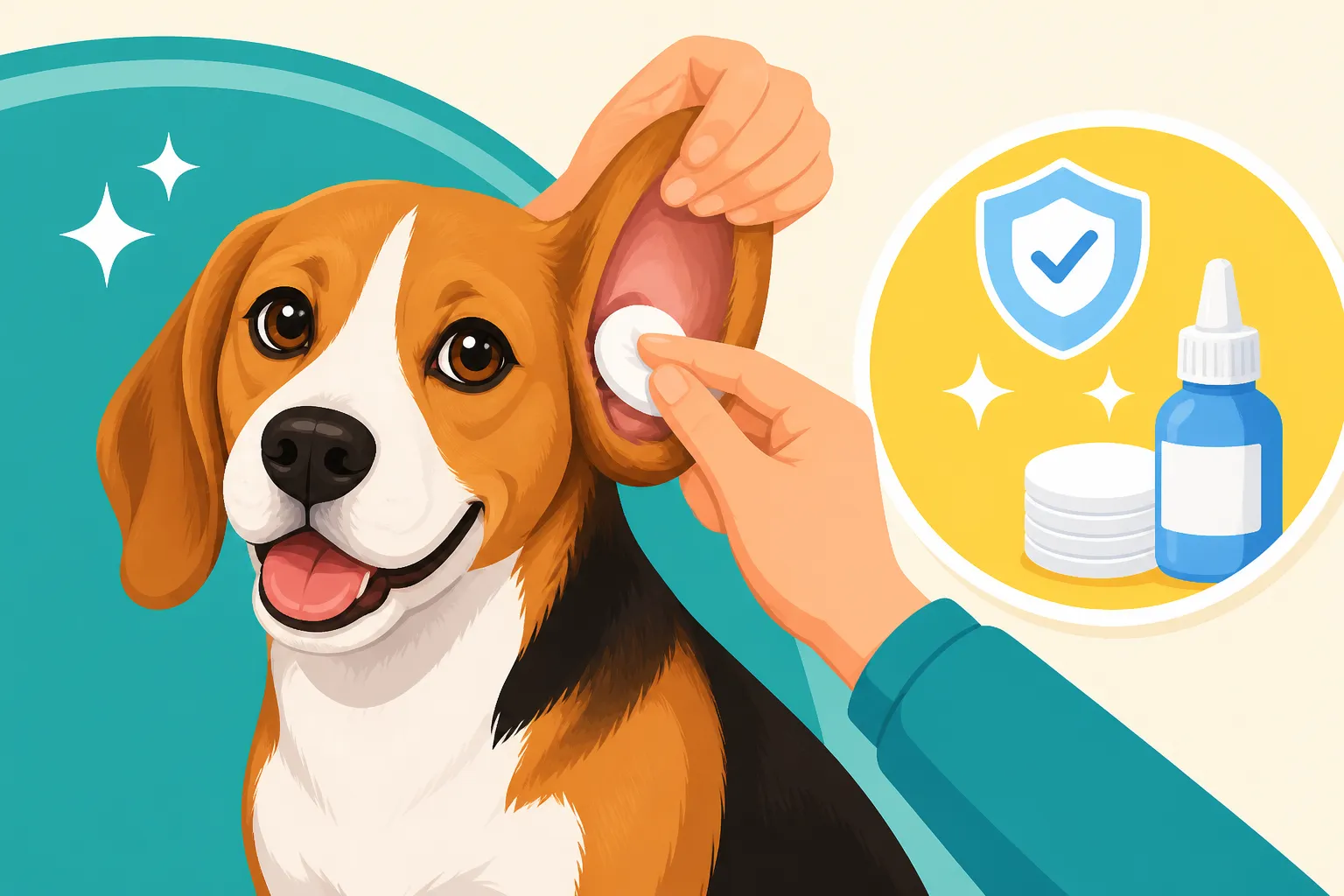
Beagle Ear Cleaning as a Weekly Job
One of the most common frustrations Beagle owners face is the battle against ear infections. Those adorable, floppy ears, while a hallmark of the breed, create a perfect environment for yeast and bacteria to thrive, leading to endless scratching, head shaking, and painful trips to the vet. This comprehensive guide will walk you through everything you need to know about keeping your Beagle's ears sparkling clean and healthy, from understanding why they're so prone to trouble to a step-by-step weekly cleaning routine that can make all the difference.
Why Beagle Ears Are So Prone to Trouble
It's not just bad luck that Beagles seem to be constantly battling ear issues. Their unique ear structure, combined with their love for sniffing every damp patch of grass, creates a perfect storm for problems. Understanding these underlying factors is the first step in proactive care.
The Anatomy of a Drooping Ear Flap
A Beagle's long, heavy ear flaps, scientifically known as pendulous ears, hang down over the ear canal, effectively sealing it off from fresh air circulation. Think of it like a closed-off room – without good airflow, moisture and warmth build up. This creates a dark, humid environment deep within the ear canal, which is absolutely ideal for the growth of microorganisms like yeast and bacteria. Compare this to a dog with upright ears, where air can freely circulate, drying out the canal naturally. For our Beagles, that natural ventilation simply isn't there, making regular intervention essential.
Imagine your Beagle, Daisy, after a romp through the dewy morning grass. Her ears sweep along, picking up moisture, pollen, and even tiny bits of dirt. Because her ear flaps cover the opening so completely, all that dampness and debris gets trapped inside. It's like putting a damp towel in a sealed plastic bag – it stays wet and starts to get funky pretty quickly. This anatomical feature is the number one reason why diligent ear care is a non-negotiable part of Beagle Ear Infections Under Those Long Ears.
Moisture and Warmth: A Perfect Storm for Germs
Beyond the lack of air circulation, Beagles are often drawn to water – puddles, sprinklers, or even just a particularly enthusiastic drink from their bowl can introduce moisture into their ears. This trapped moisture, combined with the natural warmth of a dog's body, accelerates the growth of yeast and bacteria. These organisms are always present in small numbers in a healthy ear, but when conditions become favorable, they multiply rapidly, leading to an infection.
Consider a hot, humid summer day. Your Beagle, Charlie, has just had a swim in the lake (maybe he found a particularly interesting smell on the far bank!). Water inevitably gets into his ears. If those ears aren't thoroughly dried afterward, that warm, wet environment becomes a five-star resort for unwelcome guests. The moisture isn't just external; even internal inflammation from allergies can lead to increased moisture production within the ear canal itself, further fueling the problem. This makes drying ears after any water exposure crucial, a topic we'll dive into more later.
Allergies and Ear Health Connection
Many Beagle owners don't realize how closely ear infections can be linked to underlying allergies. Environmental allergies (like pollen, dust mites, or mold) and food allergies can both manifest as inflammation in the skin, and the ear canal is essentially an extension of the skin. When a Beagle has an allergic reaction, the skin lining their ear canal can become itchy, inflamed, and produce excess wax and moisture. This creates the perfect breeding ground for secondary yeast or bacterial infections.
If your Beagle, Lucy, seems to get recurrent ear infections that just won't clear up, or they come back almost immediately after treatment, it's a huge red flag for allergies. You might notice she's also scratching at other parts of her body, or has flaky, red skin. A vet might suggest exploring Beagle Skin Allergies and Constant Itching and trying an elimination diet or allergy testing to get to the root of the problem. Treating the allergy itself often dramatically reduces the frequency and severity of ear infections, breaking the cycle of constant flare-ups.
Recognizing the Early Signs of Ear Infection
Catching an ear infection early is key to a faster, less complicated recovery for your Beagle. As a responsible owner, you'll want to be familiar with the subtle (and not-so-subtle) cues your dog might be giving you. Regular visual checks, a quick sniff, and observing their behavior can help you spot trouble before it escalates.
Visual Clues You Can't Miss
When you're doing your weekly ear check, pay close attention to what you see. A healthy Beagle ear canal should look relatively clean and a pale pink color, without excessive wax buildup. One of the first things you might notice if an infection is brewing is redness or swelling on the inside of the ear flap or within the visible ear canal. You might also see discharge – this could range from a waxy, dark brown, almost tar-like substance (often indicative of yeast) to yellowish or greenish pus (more common with bacterial infections). Sometimes, the skin around the ear opening might also look crusty or greasy.
Picture your Beagle, Gus, after a few days of subtle irritation. You flip open his ear flap for your routine check and instead of clean, pale skin, you see an angry red rim around the ear canal opening. There might be some dark, gritty discharge clinging to the fur inside, too. This is your cue to act. Don't ignore these visual changes, no matter how minor they seem, as they are often the earliest Beagle Ear Infection Symptoms to Catch Early. These symptoms can progress quickly, leading to more severe pain and deeper infection if left unaddressed.
The Unmistakable Odor of Trouble
While visual cues are important, your nose can be an equally powerful tool in detecting an ear infection. A healthy Beagle's ear should have a very faint, neutral smell, or no smell at all. If you catch a whiff of something that's distinctly yeasty, sweet, or generally unpleasant and foul, it's almost certainly an indication of an infection. That "yeasty bread" smell is often associated with a yeast overgrowth, while a more putrid, strong odor usually points to a bacterial infection.
Let's say you're cuddling with your Beagle, Sadie, and as you scratch behind her ears, you notice an odd smell. It's not the usual dog smell; it's distinctly musky, almost like dirty socks or mold. That's the odor of an ear infection taking hold. This smell is often a stronger indicator than visual signs, as the infection can be deep within the canal before redness becomes obvious at the opening. Trust your nose – if something smells off, it probably is. This is particularly true for Beagle Yeast Ear Infections That Keep Returning.
Behavioral Changes That Signal Discomfort
Beyond what you see and smell, your Beagle's behavior will often be the most telling sign of an ear problem. Dogs are masters at hiding pain, but discomfort in the ears is hard to mask. You might notice an increase in head shaking, often quite vigorously, as if they're trying to dislodge something. Persistent scratching at the ears with a back paw is another common sign, sometimes leading to raw or inflamed skin around the ear or even bleeding if they scratch too aggressively. They might also rub their head along the carpet or furniture.
Imagine your normally playful Beagle, Max, suddenly seeming a bit withdrawn. He's shaking his head more than usual, and you've caught him several times trying to scratch deep inside his ear, whining softly as he does so. He might even yelp when you try to touch his ear. These are all clear indicators of discomfort and pain. If the infection is severe, they might even tilt their head to one side, or lose their balance, indicating an issue affecting the inner ear. Any of these behavioral changes warrant a closer inspection and likely a vet visit.
Gathering Your Beagle Ear Cleaning Arsenal
Before you embark on your weekly ear cleaning mission, it’s crucial to have the right tools at hand. Using the correct products and having everything organized will make the process smoother, more effective, and much less stressful for both you and your Beagle. Don't just grab whatever's in the medicine cabinet – special care is needed for delicate canine ears.
Choosing the Right Ear Cleaning Solution
This is perhaps the most critical component of your ear cleaning kit. You absolutely need a veterinary-approved ear cleaning solution specifically formulated for dogs. These solutions typically contain gentle drying agents (like salicylic acid or boric acid) and often antimicrobial ingredients to help prevent bacterial and yeast overgrowth. They are designed to safely break down wax and debris without irritating the delicate skin in the ear canal.
Never use rubbing alcohol, hydrogen peroxide, or witch hazel in your Beagle's ears. These can be incredibly irritating, painful, and even damaging to the sensitive tissues, especially if there's already an infection present. Products like Epi-Otic Advanced Ear Cleanser are highly regarded by many veterinarians and are readily available online or at pet supply stores. You can find a good selection of ear cleaning solutions on sites like Chewy or Amazon, making it easy to stock up. Always check the ingredients and ensure it's made for dogs. If your Beagle has a known infection, your vet might prescribe a specific medicated cleaner, so always consult them first. This ensures you're using What Solution to Use Inside a Beagle Ear safely and effectively.
Essential Tools for a Gentle Clean
Beyond the cleaning solution, you'll need a few other items to ensure a thorough yet gentle cleaning. Cotton balls or gauze pads are ideal for wiping away debris and excess solution from the outer ear and the folds of the ear flap. They are soft, absorbent, and won't scratch. You'll want plenty of them, as you should use a fresh one for each wipe to avoid spreading contaminants.
A soft towel is also a must-have, not only for catching any drips during the cleaning process but also for drying your Beagle's ears afterward, especially those lovely long flaps. Some owners also like to have a few high-value treats on hand to reward their Beagle for their cooperation. Remember, the goal is a gentle clean; avoid anything abrasive or anything that goes deep into the ear canal. Small, clean pieces of cloth or specialty pet ear wipes are good alternatives to cotton balls.
Creating a Calm and Positive Experience
For many Beagles, ear cleaning can be a bit intimidating, especially if they've had painful ear infections in the past. It’s essential to approach the task with patience, calm, and a positive attitude. Choose a quiet time when your Beagle is relaxed, perhaps after a good walk when they're a bit tired. Speak to them in a soothing voice throughout the process.
Start by simply handling their ears frequently, even when you're not cleaning them, to get them used to having their ears touched and flipped open. Offer praise and treats liberally, even for small acts of cooperation, like letting you lift an ear flap without pulling away. If your Beagle is particularly anxious, you might break the cleaning into smaller steps over a day or two, slowly desensitizing them to the process. For example, one day you just look, the next you touch, then you introduce the cleaner. Making it a positive experience will make future cleanings much easier for both of you.
Step-by-Step Guide to a Weekly Ear Cleaning Routine
Now that you're armed with knowledge and the right tools, let's walk through the actual process of cleaning your Beagle's ears. This routine, if done consistently, can significantly reduce the likelihood of painful infections and keep those sensitive ears healthy.
Preparing Your Beagle and Your Space
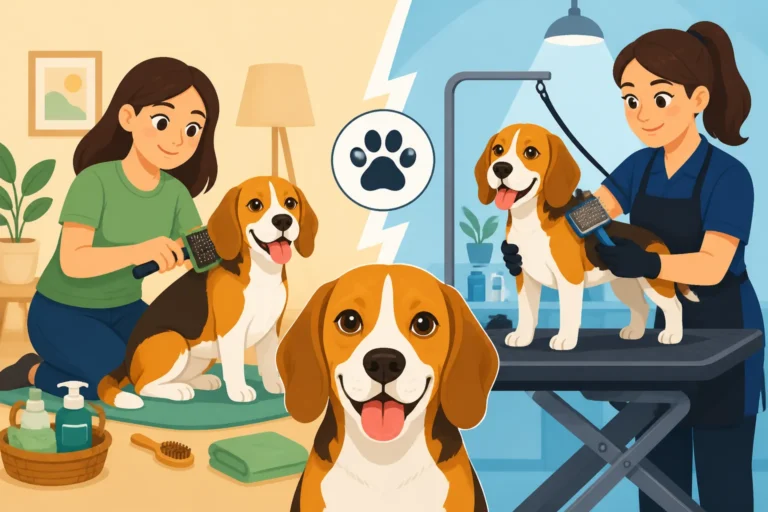
Before you even reach for the ear cleaner, it's important to set the stage for success. First, choose a location that's easy to clean, just in case there's some enthusiastic head shaking that sends liquid flying. A bathroom, kitchen, or even outside on a nice day can work well. Lay down an old towel to absorb any spills. Gather all your supplies: your chosen ear cleaner, plenty of cotton balls or gauze pads, and some high-value treats.
Next, get your Beagle settled. A calm Beagle makes for a much easier cleaning session. If your dog is a wiggle worm, you might want to enlist a helper to gently hold them, providing comfort and preventing them from bolting. Offer some initial praise and a treat to start things off positively. Flipping open their ear flap and gently inspecting it before you start applying liquid can help desensitize them to the process and allow you to assess the current state of their ear. Remember, this isn't just a chore; it's an opportunity for bonding and proactive health care, which is a great part of The Five Minute Beagle Ear Routine.
Applying the Cleaning Solution Safely
This is where many owners hesitate, but it’s quite straightforward once you get the hang of it. Hold your Beagle's ear flap straight up to expose the ear canal. Carefully insert the tip of the ear cleaning solution bottle into the ear canal opening. Do not push it deep into the ear, just to the opening. Squeeze gently to fill the ear canal with the solution. You'll typically hear a squishy sound as the liquid goes in, which tells you you've used enough. The exact amount will depend on the size of your Beagle, but generally, enough to flush the canal without overflowing excessively.
Once the solution is in, immediately move to the next step: massaging. Hold the ear flap down and gently massage the base of the ear, right where it meets the head, for about 20-30 seconds. You should hear a satisfying squishing sound as the liquid works its way deep into the ear canal, breaking up wax and debris. Most Beagles tolerate this step well, especially if you're soothing them with praise. Be ready, because after this, your Beagle will likely want to shake their head – and that's exactly what you want! The head shaking helps to expel the loosened gunk and excess solution.
Gentle Massage and Wiping Techniques
After your Beagle has had a good head shake, it's time to wipe away the loosened debris. Take a clean cotton ball or gauze pad and gently wipe the visible parts of the outer ear and the entrance to the ear canal. You'll likely see a fair bit of wax and grime come out. Never use cotton swabs (Q-tips) inside your Beagle's ear canal, as this can push debris deeper, potentially damage the eardrum, or cause irritation. Stick to wiping only what you can see.
Continue using fresh cotton balls until no more visible dirt or wax comes out. For the inner folds of the ear flap, you can use a fresh, slightly damp cotton ball to gently clean those areas too. The goal is to remove the loosened gunk and dry the outer ear. Don't worry about getting every single drop of solution out of the deeper canal; the drying agents in the cleaner will do their work, and any remaining liquid will naturally evaporate. Finish with plenty of praise and a special treat for being such a good sport! This methodical approach is key to Cleaning a Beagle Ear Before Infection Starts.
What to Do When Routine Cleaning Isn't Enough
While a consistent weekly cleaning routine can prevent many ear problems, there will inevitably be times when your Beagle still develops an infection. Knowing when to escalate from home care to professional veterinary intervention is crucial for your dog's health and comfort.
When to Call the Vet Immediately
If you notice any of the severe signs of an ear infection – intense pain when touching the ear, extreme redness and swelling, a very foul odor, yellowish or greenish pus, a ruptured eardrum (which may present as sudden relief from pain but continued discharge), or if your Beagle is tilting their head severely or losing balance – it's time to call your veterinarian without delay. Also, if a mild infection doesn't show significant improvement after 24-48 hours of diligent cleaning, or if it worsens, professional help is warranted.
Trying to treat a full-blown ear infection at home with over-the-counter remedies or old prescriptions is rarely effective and can often make things worse by delaying proper diagnosis and treatment. For example, if your Beagle, Sparky, has been relentlessly scratching his ear, leaving it red and raw, and now there's a strong, pus-like smell, continuing with just a regular cleaner might not cut it. He might have a bacterial infection requiring specific antibiotics. A vet will examine the ear with an otoscope, collect a sample for cytology (to identify bacteria, yeast, or mites), and then prescribe the appropriate medication. Ignoring these signs can lead to chronic infections, hearing loss, or even spread to the middle or inner ear. This is why understanding Beagle Ear Infection Symptoms to Catch Early is so vital.
Understanding Common Ear Infection Treatments
Once a veterinarian diagnoses an ear infection, treatment usually involves a combination of cleaning and medication. The first step for the vet is often a thorough, deep cleaning of the ear canal to remove all the built-up gunk, which allows the medication to reach the affected tissues. This might be done in the clinic, sometimes with sedation if the ear is very painful.
Based on the cytology results, your vet will prescribe an ear medication. This could be an antibiotic ear drop for bacterial infections, an antifungal for yeast infections, or a combination product that addresses both, often with an anti-inflammatory component to reduce swelling and pain. You'll typically need to administer these drops at home for a specified period, usually 7 to 14 days. It's incredibly important to complete the entire course of medication, even if the ear looks better after a few days, to ensure the infection is fully eradicated and doesn't immediately recur. Follow your vet's instructions precisely for dosage and frequency.
Preventing Recurrent Beagle Ear Problems
For Beagles prone to repeat ear infections, prevention becomes an ongoing strategy. Beyond the weekly cleaning, your vet might recommend additional measures. If allergies are suspected, addressing them directly with diet changes, environmental management, or allergy medication can significantly reduce ear inflammation. Regularly checking for Beagle Yeast Ear Infections That Keep Returning is also important; some Beagles just seem to be predisposed to them.
Discussing year-round flea, tick, and heartworm prevention with your vet is also good practice, as ear mites can sometimes be mistaken for an infection and contribute to ear irritation. Some Beagles, especially those with particularly hairy ear canals, may even benefit from minimal hair plucking in the outer ear, though this is a controversial topic and should only be done under veterinary guidance, as it can sometimes introduce more irritation. Finally, ensure you are vigilant about drying your Beagle's ears thoroughly after any water exposure, which we'll discuss next.
Beyond Cleaning: Lifestyle Factors for Healthy Ears
While direct ear cleaning is crucial, managing your Beagle's overall lifestyle also plays a significant role in maintaining optimal ear health. From how you dry their ears to what they eat, many factors can contribute to or detract from their ear well-being.
Drying Ears After Water Activities
Beagles love to sniff around, and sometimes that means a dip in a pond, a splash in the bathtub, or just getting caught in the rain. Any time water enters those floppy ears, it creates the perfect breeding ground for bacteria and yeast, as we discussed earlier. It is absolutely critical to thoroughly dry your Beagle's ears after any water exposure.
After a bath, gently lift each ear flap and blot the inside of the ear canal with a clean, dry cotton ball or a soft, absorbent towel. You can even use a low-setting hairdryer (held at a safe distance and not directly pointed into the ear canal) to help circulate air and dry the area. If your Beagle has been swimming, ensure you spend extra time on this step. For Beagles who are frequent swimmers, some vets recommend using a drying solution specifically designed for post-swim use. These solutions help acidify the ear canal and evaporate moisture, further reducing the risk of infection. Ignoring this step is a prime reason Why Beagle Ears Trap Moisture So Well and then develop issues.
Diet and Its Impact on Ear Inflammation
The food your Beagle eats can have a direct impact on their overall skin and ear health, particularly if they have food sensitivities or allergies. Certain ingredients in dog food can trigger an inflammatory response that manifests as itchy skin, including the skin lining the ear canal, leading to increased wax production, moisture, and a higher likelihood of infection.
If your Beagle, Rocky, suffers from recurrent ear infections despite diligent cleaning, it might be worth exploring a dietary change. This often involves an elimination diet, where you feed a novel protein source (one your dog has never eaten before, like duck or venison) and a single carbohydrate for several weeks to see if symptoms improve. There are also many commercial "sensitive skin and stomach" formulas available, or even fresh food options like those from Ollie, which can often be precisely formulated for specific dietary needs. Always consult your vet before making significant dietary changes, especially for a dog with chronic health issues. A healthy diet contributes to a strong immune system and less overall inflammation, supporting healthy ears from the inside out.
Regular Vet Checks for Proactive Care
Even with the most meticulous home care, regular veterinary check-ups are indispensable for maintaining your Beagle's ear health. Your vet can perform a thorough otoscopic examination, looking deep into the ear canal to spot issues you might miss, such as a foreign object, a deep-seated infection, or even a growth. They can also assess the overall health of the eardrum.
During routine visits, your vet might also discuss any changes in your Beagle's health or behavior that could be contributing to ear problems, such as new allergies, hormonal imbalances (like hypothyroidism, which can affect skin and ear health), or immune system issues. For senior Beagles, ear problems can sometimes be linked to other age-related conditions, so Beagle Vet Visit Frequency After the Age of Ten becomes even more important. Proactive care and early detection through regular veterinary visits ensure that any potential ear problems are caught and addressed quickly, preventing minor irritations from escalating into painful, chronic conditions.
Common Beagle Ear Myths Debunked
There's a lot of advice floating around about dog ear care, and not all of it is accurate or safe, especially for a breed like the Beagle. Let's clear up some common misconceptions to ensure you're providing the best, safest care for your furry friend.
The Truth About Ear Hair Plucking
Many owners are told that plucking hair from a dog's ear canal is essential to improve airflow and prevent infections. While some breeds with extremely dense hair growth deep within the ear canal might benefit from minimal plucking by a professional groomer or vet, for most Beagles, it's generally unnecessary and can actually be counterproductive. Beagles typically don't have excessive hair growth deep inside their ear canals like some other breeds (e.g., Poodles).
The act of plucking hair can cause microscopic tears in the delicate skin of the ear canal, creating tiny open wounds that are then more susceptible to bacterial infection. It can also be quite painful for your Beagle. Unless your veterinarian specifically recommends it because of an individual Beagle's unique ear hair density and recurrent problems, it's best to leave the hair alone. Focus instead on keeping the ear canal clean and dry with appropriate solutions. A good professional groomer will always assess your dog individually before performing such a procedure, and if you are using services found on platforms like Amazon for various grooming tools, make sure you know what you are doing before attempting something like this yourself.
Are Cotton Swabs Ever Safe for Beagle Ears?
This is a firm "no" for inside the ear canal. We touched on it earlier, but it bears repeating: cotton swabs (like Q-tips) should never be inserted into your Beagle's ear canal. The primary risk is pushing debris, wax, and even infection deeper into the ear, potentially impacting the eardrum. This can cause severe pain, rupture the eardrum, or make an existing infection much harder to treat.
Cotton swabs are designed for surface cleaning. While you can use them to gently wipe the visible folds and crevices of the outer ear flap – the parts you can clearly see without inserting anything – they are absolutely unsuitable for the narrow, L-shaped structure of a dog's ear canal. Stick to cotton balls, gauze pads, or soft cloths for cleaning the outer ear, and let the liquid ear cleaner do its job deep inside the canal, with the help of your Beagle's natural head shaking.
Over-Cleaning: Is There Such a Thing?
Yes, absolutely! While regular cleaning is crucial for Beagles, you can definitely overdo it. Cleaning your Beagle's ears too frequently, or using harsh solutions, can strip the ear canal of its natural protective oils and disrupt the delicate balance of microorganisms that normally reside there. This can lead to irritation, inflammation, and ironically, make the ear more susceptible to infection.
For most Beagles without active infections or severe allergies, a weekly cleaning is generally sufficient. If your Beagle is particularly prone to issues, your vet might suggest cleaning twice a week, but rarely more often than that. If you're cleaning daily, you're likely causing more harm than good unless specifically instructed by a veterinarian to treat a very acute issue. Observe your Beagle's ears: if they look healthy and clear, a weekly routine is perfect. You're aiming for prevention, not constant disruption. Always follow the guidelines for How Often a Beagle's Ears Need Cleaning.
A Quick Reference Guide to Beagle Ear Care
Here's a handy table summarizing key aspects of Beagle ear care to keep your furry friend comfortable and healthy.
| Aspect | Recommendation | What to Avoid |
|---|---|---|
| Cleaning Frequency | Once a week for healthy ears; as directed by vet for active infections. | Daily cleaning (can cause irritation); neglecting cleaning for weeks. |
| Cleaning Solution | Veterinary-approved dog ear cleaner (e.g., Epi-Otic Advanced). | Rubbing alcohol, hydrogen peroxide, witch hazel, human ear drops. |
| Tools | Cotton balls, gauze pads, soft towel, high-value treats. | Cotton swabs (Q-tips) inside the ear canal, abrasive cloths, sharp objects. |
| Drying | Thoroughly blot dry after baths/swimming; use low-setting hairdryer (safely). | Leaving ears wet, especially after swimming. |
| Monitoring | Weekly visual inspection, sniff test, observe behavior (head shaking, scratching). | Ignoring subtle signs of redness, odor, or increased scratching. |
| Vet Visits | Call vet immediately for severe signs (pain, pus, severe odor). Regular check-ups. | Self-treating severe infections, delaying vet visits for worsening symptoms. |
| Ear Hair | Generally leave alone; pluck only if vet specifically recommends for individual dogs. | Routine plucking without veterinary guidance. |
Conclusion: Consistency is Key for Happy Beagle Ears
Caring for your Beagle's ears truly is a weekly job, but it's one of the most impactful things you can do to ensure their comfort and prevent painful, recurring infections. Those sweet, droopy ears are part of what makes a Beagle so endearing, but they require a little extra vigilance from us as their devoted caregivers. By understanding the unique challenges of their ear anatomy, recognizing early warning signs, utilizing the right tools, and maintaining a consistent cleaning routine, you can keep your Beagle's ears healthy and happy.
Remember, prevention is always better than treatment. A few minutes of gentle cleaning each week can save your Beagle from discomfort and you from costly, stressful vet visits. If you ever have doubts, or if an ear problem seems persistent or severe, don't hesitate to reach out to your veterinarian. They are your best partner in keeping your Beagle in tip-top shape, from the tip of their nose to the tips of those wonderful, floppy ears.
Disclaimer
This article is for general informational purposes only and does not constitute professional advice. Laws, prices and regulations vary by location and change over time. Consult a qualified professional for guidance on your specific situation.