Beagle Yeast Ear Infections That Keep Returning
Oh, the sheer frustration of those constantly itchy, yeasty Beagle ears! If you're dealing with a Beagle whose ears seem to be a perpetual breeding ground for ear infections, you're not alone. Many Beagle owners find themselves in a never-ending battle against that distinct, musty odor and their pup's incessant head shaking. This comprehensive guide is here to help you understand why these infections keep coming back and, more importantly, what you can do about them, from prevention to effective treatment.
Why Beagles Are Prone to Yeast Ear Infections in the First Place
It's not just bad luck when your Beagle gets another ear infection. Our beloved hounds are, unfortunately, predisposed to them due to a combination of their unique anatomy and certain physiological factors. Understanding these predispositions is the first step toward breaking the cycle of recurring issues.
The Anatomy of a Beagle's Ear
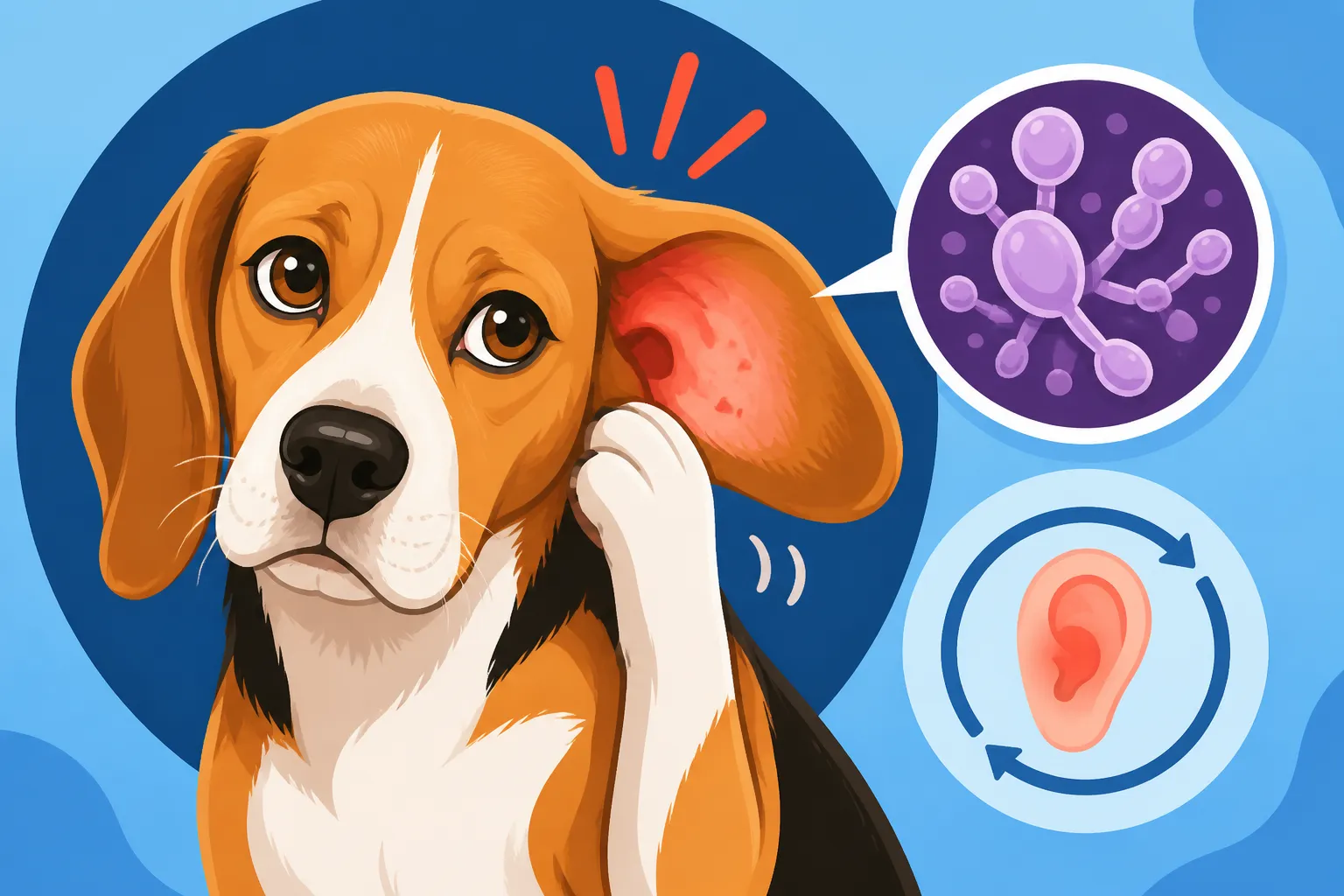
Take a good look at your Beagle's ears. They're long, they're floppy, and they hang down, beautifully framing that expressive face. While undeniably cute, this ear structure, medically known as a pendulous ear, creates a perfect storm for microbes. These long ear flaps cover the ear canal, effectively sealing it off from fresh air circulation. Imagine wearing earmuffs all day, every day – that's what it's like for your Beagle's ears. This lack of airflow means that any moisture that enters the ear canal, whether from a bath, a swim, or even just humidity in the air, tends to stay trapped.
Furthermore, the Beagle's ear canal isn't a straight shot like ours; it has a distinctive "L" shape. This bend in the canal makes it even harder for debris, wax, and moisture to exit naturally. Instead, everything tends to accumulate in the horizontal portion of the canal, deep inside, where you can't easily see or reach it. This warm, dark, and often moist environment is exactly what yeast loves.
How Yeast Thrives in the Beagle Ear Canal
The primary culprit behind most yeast ear infections in dogs is a fungus called Malassezia pachydermatis. This particular yeast is a normal inhabitant of a dog's skin and ears, existing in small, manageable numbers without causing any trouble. Think of it as a small, polite tenant. However, when the conditions in the ear canal change, this polite tenant can quickly become an unruly squatter, multiplying out of control and causing a full-blown infection.
The warm, moist environment created by those floppy Beagle ears is an open invitation for Malassezia to proliferate. When the ear canal is constantly damp or experiences restricted airflow, the yeast population explodes. This overgrowth leads to inflammation, irritation, and that tell-tale yeasty smell that Beagle owners know all too well. It's a classic case of an opportunistic organism seizing its chance. The way Why Beagle Ears Trap Moisture So Well is inherently problematic for keeping these yeast populations in check.
Recognizing the Signs of a Recurring Yeast Infection
When you're dealing with a recurring problem, it's easy to miss the early signs or confuse them with something else. Learning to spot the specific indicators of a yeast infection, both visible and behavioral, can help you intervene faster and prevent a full-blown flare-up.
Visible Symptoms and Odor
The most obvious signs of a yeast infection in your Beagle's ears are often visible to the naked eye, sometimes even before your dog starts showing discomfort. You might notice a brownish, waxy, or sometimes blackish discharge building up within the ear canal and on the inner ear flap. This discharge can be quite abundant and, frankly, pretty gross. The skin inside the ear might appear red, inflamed, and even swollen. In some chronic cases, the skin can become thickened, leathery, and develop crusts or scabs from constant scratching and irritation.
But perhaps the most distinct symptom is the odor. Yeast infections in the ear often produce a very characteristic smell – often described as sweet, musty, or "yeasty," like old bread or corn chips. It's a smell that, once you've encountered it, you won't soon forget, and it's a dead giveaway that Malassezia is having a party. Catching Beagle Ear Infection Symptoms to Catch Early can save your pup a lot of discomfort.
Behavioral Clues Your Beagle Is Uncomfortable
Beyond the visible changes, your Beagle will almost certainly let you know they're uncomfortable through their behavior. The most common behavioral signs include excessive head shaking, often vigorously and repeatedly. They might also scratch at their ears frequently, using a hind paw, sometimes to the point of causing skin abrasions or even bleeding. You might see them rubbing their ears on the carpet, furniture, or even against your leg, trying to get some relief.
If the infection is painful, your Beagle might become sensitive to touch around their head and ears. They might yelp or pull away if you try to examine their ears or even just pet their head. Some Beagles might hold their head tilted to one side, favoring the affected ear, or become lethargic and generally less interested in their usual activities due to discomfort. These behavioral cues are critical, especially if the visible signs are subtle, and should prompt a closer look and a vet visit.
Common Triggers for Persistent Yeast Ear Issues
If your Beagle's yeast ear infections keep coming back, it's a strong indicator that there's an underlying issue contributing to the problem. Treating just the infection without addressing the root cause is like patching a leaky roof without fixing the hole – it'll just keep leaking.
Underlying Allergies as the Root Cause
One of the most frequent culprits behind chronic, recurring yeast ear infections in Beagles is allergies. Just like humans, dogs can suffer from environmental allergies (atopy) to things like pollen, dust mites, or mold, or from food allergies to certain proteins in their diet. When a Beagle experiences an allergic reaction, it often manifests as inflammation of the skin, and a prime target for this inflammation is the delicate skin lining the ear canal.
This allergic inflammation changes the microenvironment of the ear. It can increase moisture, alter the natural pH, and reduce the ear's ability to fight off opportunistic organisms like Malassezia. The inflammatory response itself can make the ear canal itchier, leading to more scratching and further irritation, creating a vicious cycle. Addressing Beagle Skin Allergies and Constant Itching or pinpointing Beagle Food Allergies Showing Up on the Skin can be a game-changer for ear health. If your dog suffers from seasonal flare-ups, or if ear issues are accompanied by itchy paws or a belly rash, allergies should be high on your suspect list.
Moisture Retention and Improper Cleaning
While allergies might be an internal trigger, external factors related to moisture are huge contributors too. Beagles love to explore, splash, and sometimes even swim (though not all of them!). Every time water enters those floppy, L-shaped ear canals, it creates a perfectly humid environment for yeast to flourish. A bath where water gets into the ears, a dip in a pond, or even just high humidity during the summer months can trigger an overgrowth.
Furthermore, improper ear cleaning can inadvertently contribute to the problem. If you're not using the correct technique or the right kind of solution, you might be doing more harm than good. Sometimes, trying to "clean" with cotton swabs can push wax and debris deeper into the canal, compacting it and creating a plug that traps moisture and warmth. Using irritating solutions or over-cleaning can strip the ear of its natural protective barriers, leaving it more vulnerable. Knowing how to correctly Drying Beagle Ears Thoroughly After a Bath and Cleaning a Beagle Ear Before Infection Starts are vital skills for any Beagle owner.
Incomplete or Incorrect Treatment
It's tempting to stop medication as soon as your Beagle's ears start looking and smelling better. We've all been there, especially when managing costs, but this is a common reason for recurrence. Yeast infections, particularly chronic ones, require a full course of treatment, often for longer than you might think necessary. Stopping too early allows residual yeast to quickly rebound and multiply, leading to another infection just weeks later.
Another issue can be incorrect diagnosis or treatment. Sometimes, what seems like a simple yeast infection might actually be a mixed infection involving bacteria as well, or even a different type of fungal infection. If the medication prescribed only targets yeast, the bacterial component might persist, or vice-versa, preventing full resolution. In other cases, the specific strain of yeast or bacteria might be resistant to the initial medication, requiring a different approach. This is why a proper veterinary diagnosis, often involving cytology (microscopic examination of an ear swab), is crucial to ensure the right medication is chosen and administered for the correct duration.
Diagnosing and Treating Stubborn Yeast Infections Effectively
Dealing with recurrent yeast ear infections requires more than just guessing. A systematic approach with your veterinarian is key to breaking the cycle.
The Vet Visit and Diagnostic Tests
When your Beagle's ears are flaring up again, the first and most important step is always a visit to your veterinarian. They aren't just there to hand out drops; they are detectives, looking for clues to the root cause. Your vet will start with a thorough physical examination, paying special attention to your Beagle's ears. They'll use an otoscope to look deep inside the ear canal, checking for inflammation, discharge, foreign bodies, or any structural abnormalities. This is also where they can rule out something like Telling Beagle Ear Mites From an Infection, which can have similar symptoms but requires entirely different treatment.
The most crucial diagnostic tool for ear infections is an ear cytology. This involves taking a swab of the discharge from your Beagle's ear, placing it on a slide, staining it, and examining it under a microscope. This allows your vet to identify the type and number of organisms present – whether it's yeast (like Malassezia), bacteria, or even mites. Identifying the specific culprits helps tailor the treatment plan. If bacterial rods are present, your vet might also recommend a culture and sensitivity test, which determines exactly which antibiotic will be most effective against the bacteria, especially if previous treatments haven't worked. This thorough approach ensures you're not just treating symptoms but tackling the precise problem head-on. Managing these diagnostic costs is where pet insurance, like a policy from Healthy Paws, can really make a difference, allowing you to pursue all necessary tests without financial strain.
Prescribed Medications and Topical Treatments
Once the diagnosis is clear, your vet will prescribe the appropriate medications. For yeast infections, this usually involves antifungal ear drops. Common active ingredients you might see in these drops include miconazole, clotrimazole, or ketoconazole. These medications directly target and kill the Malassezia yeast. Many ear drops also come as combination products, which include an antifungal, an antibiotic (to cover potential secondary bacterial infections), and a corticosteroid to reduce the painful inflammation and itchiness. Reducing inflammation not only makes your Beagle more comfortable but also helps open up the ear canal, allowing the medication to penetrate more effectively.
For very severe or chronic cases, or if topical treatments aren't penetrating well, your vet might prescribe oral antifungal medications. These are typically given for a longer duration and work systemically throughout the body. It’s absolutely essential to follow your veterinarian's instructions for the duration and frequency of medication, even if the ears appear to improve quickly. Stopping treatment too soon is a primary reason for recurrence. Your vet might also show you the best way to administer the drops, ensuring they reach deep into that L-shaped canal.
Addressing the Underlying Cause
As we discussed, simply treating the yeast infection isn't enough if there's an underlying trigger. Your vet will work with you to identify and manage these root causes. If allergies are suspected, several strategies might be explored. For environmental allergies, this could include antihistamines, allergy shots (immunotherapy), or even prescription medications that modulate the immune response to allergens. Regular cleaning of bedding and using air purifiers can also help reduce exposure to environmental allergens like dust mites.
If food allergies are a concern, an elimination diet trial is usually recommended. This involves feeding your Beagle a novel protein or hydrolyzed protein diet for several weeks (often 8-12) to see if symptoms improve. This is a strict process, and no other foods or treats can be given during the trial. Beyond allergies, sometimes systemic conditions like Beagle Hypothyroidism and the Weight It Puts On can contribute to skin and ear issues, and if diagnosed, managing the thyroid condition with medication can significantly improve ear health. A holistic approach that addresses the full picture is what will ultimately lead to long-term relief for your Beagle.
Long-Term Prevention and Maintenance Strategies
Once you've gotten a stubborn yeast infection under control, the real work begins: preventing it from returning. This means establishing a proactive routine and making some smart lifestyle adjustments.
Regular Cleaning Routines and Proper Technique
Prevention starts with a consistent and proper ear cleaning routine. For Beagles prone to yeast infections, cleaning their ears once a week is often recommended, especially during humid months or after water exposure. Your veterinarian can recommend a specific ear cleaning solution that is gentle and appropriate for your dog, often one with drying agents or mild antiseptic properties. Look for solutions designed for routine maintenance, not just for active infections. Some good options include brands like Epi-Otic Advanced or MalAcetic Otic Cleanser. Make sure to use products that are safe and effective, like those discussed in Beagle Ear Products That Are Safe to Use.
Here’s the basic technique:
- Gather your supplies: Ear cleaning solution and cotton balls or gauze. Avoid cotton swabs, which can push debris deeper.
- Apply liberally: Gently lift your Beagle's ear flap and fill the ear canal with the cleaning solution. Don't be shy; you need enough to flush things out.
- Massage the base: Gently massage the base of the ear for 20-30 seconds. You should hear a squishing sound as the solution breaks up wax and debris.
- Allow head shaking: Let your Beagle shake their head! This helps dislodge the gunk.
- Wipe clean: Use cotton balls or gauze to wipe away any visible solution and debris from the inner ear flap and the opening of the ear canal. Don't dig deep; just clean what you can see.
- Repeat if necessary: For very dirty ears, you might need to repeat the process.
This consistent approach to How Often a Beagle's Ears Need Cleaning and What Solution to Use Inside a Beagle Ear will make a huge difference.
Environmental and Lifestyle Adjustments
Beyond cleaning, several environmental and lifestyle adjustments can help keep yeast at bay. Always make sure to thoroughly dry your Beagle's ears after baths or swims. Gently blot the inside of the ear flap and the opening of the canal with a soft towel or cotton ball. A low-setting hairdryer, held at a safe distance, can also be used if your dog tolerates it, as detailed in Drying Beagle Ears After a Swim. For Beagles that love to swim, consider investing in a good quality ear band or ear plugs designed for dogs.
During periods of high humidity, or if your Beagle spends a lot of time outdoors, consider increasing your cleaning frequency slightly. If your Beagle has confirmed environmental allergies, try to minimize exposure to known allergens. This could mean wiping their paws and belly after outdoor walks, using a HEPA filter in your home, and regularly washing their bedding. Regular veterinary check-ups are also crucial, allowing your vet to spot any potential issues early before they escalate. Consistent care and preventative measures can help you manage your Beagle's ear health effectively.
Dietary Considerations and Supplementation
What your Beagle eats can also play a significant role in their overall skin and ear health. A high-quality, balanced diet provides the essential nutrients needed for a healthy immune system and strong skin barrier, which is the first line of defense against infections. Some Beagles, especially those with suspected food sensitivities or allergies, may benefit from a diet with novel proteins or hydrolyzed proteins, as discussed earlier.
Beyond the main diet, certain supplements can support ear health. Omega-3 fatty acids, like those found in fish oil, are powerful anti-inflammatory agents. Supplementing with omega-3s can help reduce overall inflammation in the body, including in the ears, making them less susceptible to yeast overgrowth. Look for high-quality fish oil supplements that are third-party tested for purity. You can learn more about their benefits in Omega-3 Oils for a Beagle's Coat. Additionally, probiotics can support gut health, which is intricately linked to immune function. A healthy gut microbiome can indirectly contribute to a healthier skin and ear environment. Discuss any supplements with your veterinarian to ensure they are appropriate for your individual Beagle's needs and won't interfere with any other medications.
When to Seek Emergency Veterinary Care
While most recurring yeast infections can be managed with consistent care and veterinary guidance, there are times when an ear issue can become a serious emergency. Knowing when to seek immediate veterinary attention is crucial to prevent long-term damage or severe discomfort for your Beagle.
Signs of Severe Complications
Keep a close eye on your Beagle for any signs that an ear infection has taken a turn for the worse or is indicative of a deeper problem. If you notice extreme pain, where your Beagle yelps incessantly, cries out when their head is even gently touched, or becomes aggressive when you approach their head, it's time for an emergency visit. Lethargy, loss of appetite, or general malaise can also signal that the infection is making your dog feel very unwell.
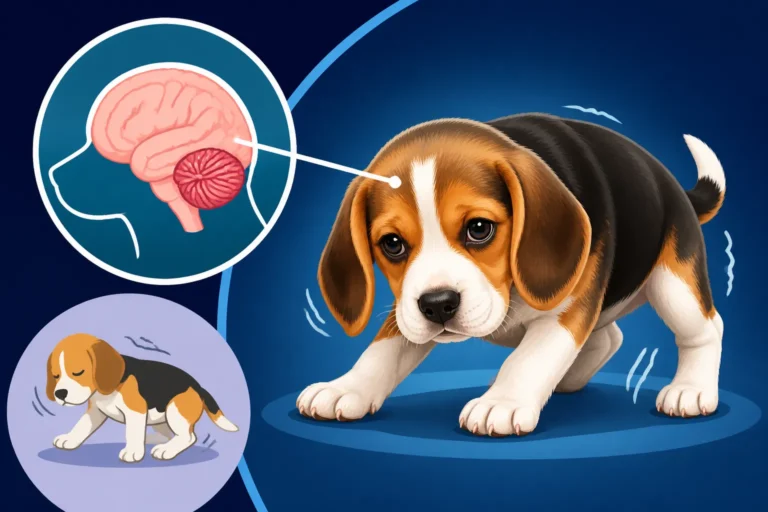
More alarming signs include a sudden head tilt that doesn't resolve, loss of balance, circling, or nystagmus (involuntary eye movements). These symptoms can indicate that the infection has spread to the middle or inner ear, potentially affecting their vestibular system (which controls balance) or even becoming a neurological issue. Rapid worsening of symptoms, despite following home care instructions, also warrants an immediate vet visit.
Avoiding Chronic Issues and Ear Damage
Ignoring severe ear infection symptoms or delaying treatment for rapidly escalating issues can lead to chronic and irreversible problems. Prolonged inflammation and infection can cause permanent thickening of the ear canal walls (known as hyperplasia), making the canal even narrower and more prone to future infections. In some cases, calcification of the ear canal can occur, leading to permanent narrowing and potentially requiring complex surgery.
Untreated ear infections can also lead to rupture of the eardrum, spreading the infection to the middle and inner ear, which can result in permanent hearing loss, nerve damage, and severe balance problems. Constant head shaking and scratching from intense itchiness can even lead to an aural hematoma, a blood-filled swelling on the ear flap that often requires surgical drainage. You can read more about this specific issue in Beagle Ear Hematomas Caused by Head Shaking. Early intervention for severe symptoms is always the best course of action to protect your Beagle's long-term health and quality of life.
| Symptom / Condition | Primary Indicator of Yeast Infection | Potential for Bacterial Infection / Other Issues | When to See a Vet Immediately |
|---|---|---|---|
| Discharge Appearance | Brownish, waxy, sometimes blackish, often oily. | Yellow, green, pus-like, thick. | Any new, sudden, or significantly increased discharge. |
| Odor | Sweet, musty, "yeasty," like old bread or corn chips. | Foul, pungent, putrid, sometimes ammonia-like. | Strong, worsening odor, especially if accompanied by pain. |
| Ear Canal Appearance | Redness, mild swelling, flaky skin, thickened skin (chronic). | Intense redness, significant swelling, discharge, ulcers, painful to touch. | Severe swelling, bleeding, visible foreign object, eardrum rupture. |
| Itchiness / Scratching | Frequent scratching, rubbing ears on surfaces. | Often present, sometimes more intense, can lead to self-trauma. | Incessant scratching leading to bleeding or open wounds. |
| Pain Level | Mild to moderate discomfort, head shaking. | Moderate to severe pain, yelping when touched, ear avoidance. | Extreme pain, yelping, aggression when head is approached. |
| Behavioral Changes | Head shaking, ear rubbing, slight lethargy. | Head tilt, loss of balance, circling, difficulty eating, lethargy, reduced activity. | Head tilt, loss of balance, circling, nystagmus (eye flickering). |
Disclaimer
This article is intended for informational purposes only and is not a substitute for professional veterinary advice, diagnosis, or treatment. Always seek the advice of your veterinarian or other qualified health provider with any questions you may have regarding a medical condition. Never disregard professional veterinary advice or delay in seeking it because of something you have read in this article.