Beagle Ear Products That Are Safe to Use
As a Beagle owner, you know the struggle: those adorable, long, floppy ears are absolute magnets for trouble. It feels like you're constantly battling moisture, wax, and the ever-present threat of infection, leaving you wondering if you're using the right stuff to keep them clean and healthy. It's frustrating to want to do the best for your furry friend, only to feel lost in a sea of confusing product claims. This guide is here to cut through the noise, helping you understand exactly what makes an ear product safe and effective for your Beagle, so you can confidently keep those precious ears in tip-top shape.
Why Beagle Ears Are So Prone to Trouble
Let's face it, those long, velvety ears are a defining characteristic of our beloved Beagles. They frame their sweet faces perfectly, but from a health perspective, they present a unique set of challenges. It's not just about aesthetics; their very design makes them a prime environment for issues to brew, which can lead to a lot of discomfort if not properly managed.
The Anatomy of a Drooping Ear Flap
The most obvious feature contributing to ear problems in Beagles is their magnificent, drooping ear flap. Unlike dogs with prick ears that stand upright, a Beagle's ear leather hangs down, completely covering the ear canal opening. This creates a warm, dark, and often moist microclimate that's just perfect for bacteria and yeast to multiply. Think of it like a tiny greenhouse for microbes – exactly what you don't want in a sensitive area like the ear.
This constant covering severely limits air circulation to the inner ear, preventing moisture from evaporating naturally. After a bath, a romp in dewy grass, or even just a particularly humid day, that moisture gets trapped, creating an ideal breeding ground. It's why we often discuss Beagle Ear Infections and the Drooping Ear Flap as such a common ailment; it's a direct consequence of their charming ear structure. Without good airflow, the natural defenses of the ear can be overwhelmed, turning a minor issue into a full-blown infection surprisingly quickly.
The Winding Road of the Ear Canal
Beyond the external flap, the internal structure of a dog's ear canal is another major factor. Unlike our relatively straight ear canals, a dog's ear canal is L-shaped, starting vertically and then making a sharp bend horizontally towards the eardrum. This design is fantastic for protecting the delicate eardrum from external trauma, but it's a nightmare for natural drainage.
Gravity isn't much help when it comes to expelling wax, dirt, or water from this winding path. Instead, debris and moisture tend to settle at the bend or in the horizontal section, accumulating over time. If your Beagle has been digging, rolling around, or simply has a bit more ear wax than usual, that L-shape ensures it stays put unless you intervene. This structural quirk is a big reason why Beagles require consistent ear care, because their ears simply aren't designed to self-clean as efficiently as those of other breeds.
Beagle Ear Wax and Its Role
Ear wax, or cerumen, isn't inherently bad; in fact, it plays a vital role in protecting the ear canal. It acts as a natural lubricant, trapping dust, dirt, and foreign particles, and even has some antimicrobial properties. A healthy ear produces a small amount of pale yellow or light brown wax that slowly migrates out of the ear canal.
However, in a Beagle's warm, moist, poorly ventilated ear, wax production can become excessive or its consistency can change. Instead of a protective layer, it can become thick, dark, and sticky, turning into a food source for opportunistic bacteria and yeast. This buildup not only creates an uncomfortable feeling for your Beagle but also further impedes airflow and sets the stage for infection. Learning to distinguish between normal wax and problematic discharge is crucial, as the latter is often the first sign that trouble is brewing.
Understanding What Makes an Ear Product "Safe"
When you're standing in the pet store aisle, or scrolling through countless options online, it can feel overwhelming trying to choose an ear cleaner. The sheer volume of products, all promising to be the best, can make a simple task feel daunting. But for your Beagle's sensitive ears, "safe" isn't just a buzzword; it refers to specific chemical properties and ingredients that protect rather than harm.
pH Balance is Key for Canine Ears
One of the most critical, yet often overlooked, aspects of a safe ear product is its pH balance. A dog's ear canal has a slightly different pH level than human skin, typically ranging from 6.0 to 7.5 (slightly acidic to neutral). Products formulated for human ears or skin are often more acidic or alkaline, designed for our different physiological needs. Using a human product on your Beagle's ears can disrupt their natural protective barrier, leading to irritation, dryness, or even promoting the growth of undesirable bacteria and yeast.
Think of it like this: if you constantly washed your face with harsh dish soap, your skin would become dry, irritated, and break out. The same principle applies here. An ear cleaner that is pH-balanced specifically for dogs helps maintain the natural environment of the ear canal, supporting the healthy microflora and preventing irritation. Always look for products that explicitly state they are "veterinary formulated" or "pH-balanced for dogs" to ensure you're not inadvertently causing more harm than good.
Avoiding Harsh Chemicals and Irritants
Just as important as pH balance is the ingredient list. Many common household antiseptics or strong cleaning agents are absolute no-gos for a Beagle's delicate ear canal. Alcohol, for instance, can be incredibly drying and irritating, causing a painful stinging sensation, especially if the skin is already inflamed or broken. Hydrogen peroxide, while a common first-aid solution for cuts, is far too harsh for the ear canal. Its fizzing action can be alarming for your dog, and it can damage the delicate cells lining the ear, potentially pushing debris deeper into the L-shaped canal.
Strong fragrances, often added to mask odor, can also be highly irritating to a Beagle's sensitive skin and olfactory system. Remember, their sense of smell is vastly superior to ours! Ingredients like harsh detergents or even some essential oils, while natural, can be highly concentrated and cause severe allergic reactions or chemical burns in the ear canal. Always read labels carefully and err on the side of caution. If an ingredient sounds harsh or unfamiliar, it's best to steer clear.
Ingredients That Help, Not Hinder
Fortunately, there are many excellent, safe ingredients commonly found in veterinary ear cleaners that actively support ear health. When you're choosing a product, look for these helpful components:
- Salicylic Acid: This is a keratolytic agent, meaning it helps to gently break down and shed dead skin cells and excess wax. It's often found in products for oily or waxy ears and can help prevent buildup.
- Acetic Acid: A mild acid, acetic acid (like diluted vinegar, but in a precise formulation) has antiseptic and antifungal properties, making it effective against common ear pathogens. It also helps to acidify the ear canal, creating an environment less hospitable to yeast and bacteria.
- Boric Acid: Often used as a mild antiseptic and drying agent, boric acid can help control moisture in the ear canal, which is vital for Beagles.
- Aloe Vera: Known for its soothing properties, aloe vera can help calm irritated skin within the ear, reducing redness and discomfort.
- Witch Hazel: This natural astringent can help to dry and tighten tissues, which can be beneficial in managing minor moisture issues and mild irritation.
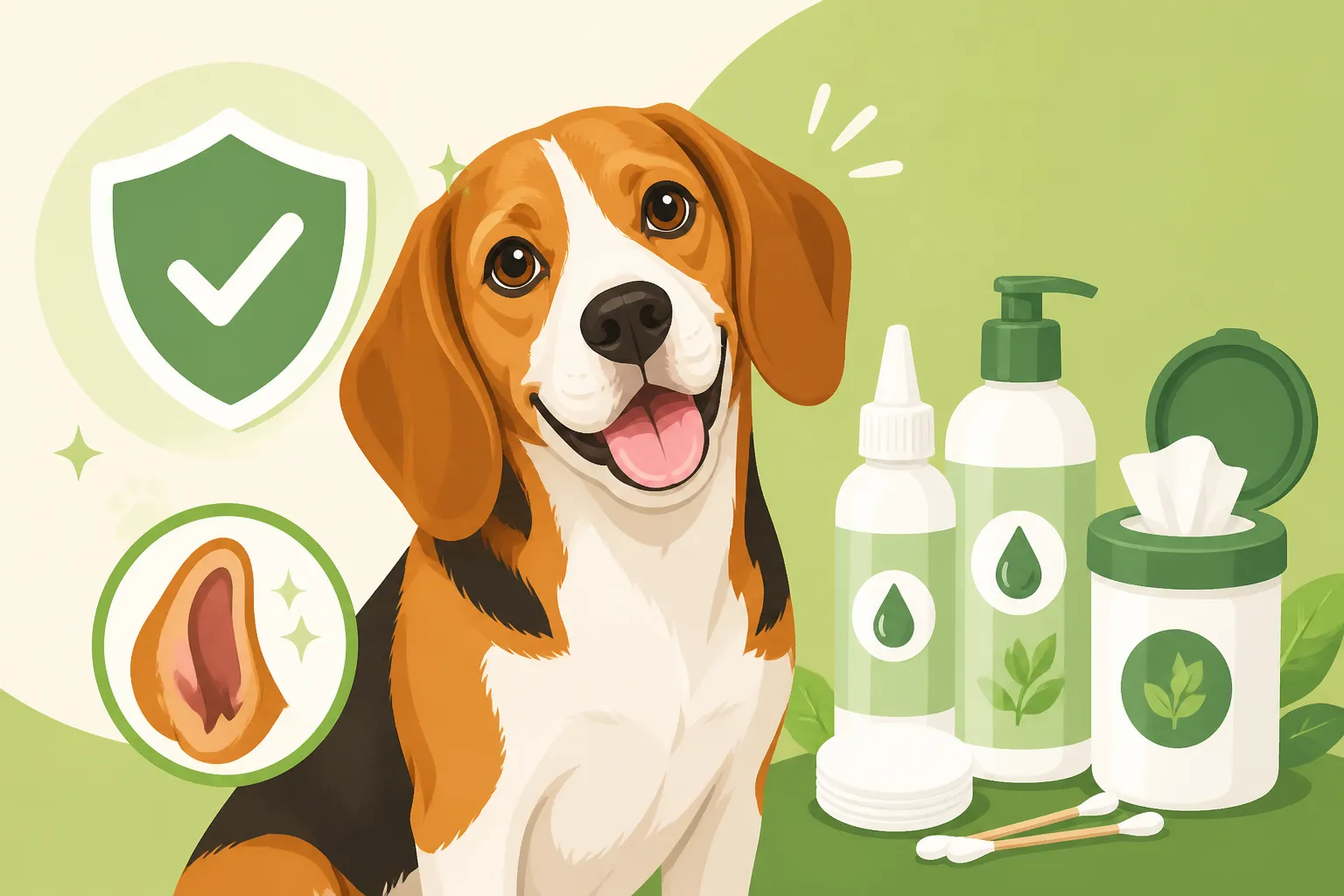
These ingredients, when properly formulated in a pH-balanced solution, work together to clean, dry, and protect the ear without causing irritation. They are designed for routine maintenance and can be found in many reputable brands available at pet supply stores or online retailers like Chewy. Just remember, while these ingredients are excellent for prevention and maintenance, they are not a substitute for veterinary care if your Beagle has an active infection.
Types of Safe Ear Cleaning Products for Beagles
Navigating the various ear care products can feel like trying to choose the right tool for a specific job without knowing what each tool does. For our Beagles, understanding the purpose of different types of ear products helps us use them effectively and safely.
Gentle Cleaning Solutions
These are your workhorse products for routine ear hygiene. Gentle cleaning solutions are designed to safely break down ear wax and loosen trapped debris without irritating the delicate lining of the ear canal. Their primary goal is to flush out buildup, prevent it from accumulating, and maintain a healthy environment. Many of these solutions contain a blend of the beneficial ingredients we discussed earlier, like salicylic acid or acetic acid, along with soothing agents.
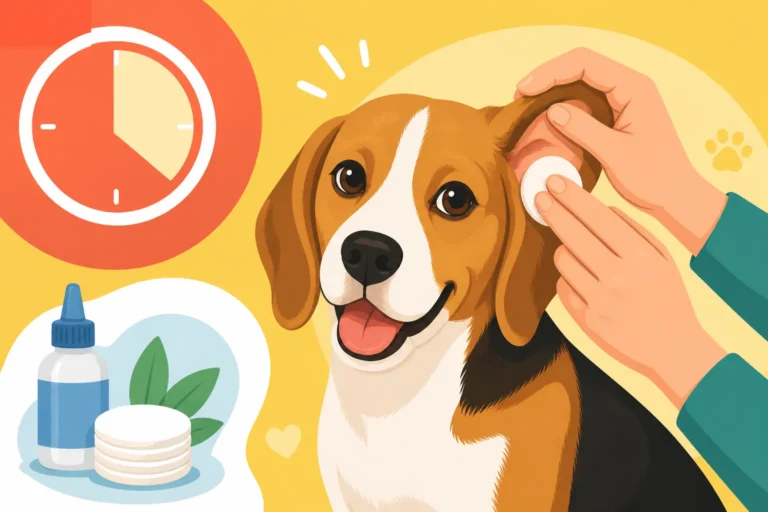
When applying a cleaning solution, the method is almost as important as the product itself. You typically fill the ear canal (don't be shy, it takes more than you think!), gently massage the base of the ear for 20-30 seconds to help the solution work its way down and loosen debris, and then allow your Beagle to shake their head. This shaking action helps to dislodge and expel the softened wax and solution. Finally, use a cotton ball or a soft cloth to wipe away any visible discharge from the outer ear and the entrance of the ear canal. You'll find excellent options from trusted brands like Virbac (Epi-Otic) or Zymox on sites like Chewy, making it easy to keep up with Cleaning a Beagle Ear Before Infection Starts. These products are formulated to be non-stinging and safe for regular use.
Drying Agents for Moisture Prone Ears
Given how effectively a Beagle's floppy ears trap moisture, drying agents are an essential part of their ear care arsenal, especially if your dog loves water or you live in a humid climate. While general cleaning solutions often have some drying properties, dedicated drying agents focus specifically on reducing moisture in the ear canal to prevent bacterial and yeast overgrowth.
These products typically contain ingredients like boric acid, salicylic acid, or even mild astringents. They work by creating an environment inside the ear that is less hospitable to the proliferation of pathogens that thrive in damp conditions. You might use a drying agent as a follow-up to a regular ear cleaning, or proactively after your Beagle has been exposed to water, such as after a bath, a swim (if your Beagle is one of the rare ones who enjoys a dip!), or a walk in the rain. Preventing moisture buildup is key to avoiding common issues like Beagle Yeast Ear Infections That Keep Returning, which can be a chronic problem if the underlying moisture issue isn't addressed. Always follow the product instructions carefully; some are designed for more frequent use than others.
Medicated Wipes for External Ear Maintenance
Medicated ear wipes are a convenient and useful tool for maintaining the cleanliness of your Beagle's outer ear and the immediate entrance to the ear canal. These aren't meant to replace a liquid ear cleaner for flushing the deep canal, but they are fantastic for quick clean-ups between full cleanings or for targeting specific areas. Wipes can be particularly helpful for cleaning the nooks and crannies of the ear flap, removing surface dirt, debris, and mild waxy buildup.
Many wipes come pre-moistened with gentle cleaning or even mild antiseptic solutions. For instance, you might find wipes containing chlorhexidine or ketoconazole in low concentrations, which can help manage minor yeast or bacterial issues on the skin folds of the outer ear, preventing them from escalating. These are especially handy for wiping away dark discharge that might indicate a mild issue before it becomes a full-blown infection. You can often find a good selection of these on Amazon, including options from brands like Pet MD or Vet's Best. Remember, the rule of thumb with wipes is to only use them on areas you can see. Never try to push a wipe deep into your Beagle's ear canal, as this can push debris further in or damage the delicate structures.
| Product Type | Primary Function | Key Ingredients (Common) | Best For | When to Use |
|---|---|---|---|---|
| Gentle Ear Cleaners | Loosening wax & debris, flushing ear canal | Salicylic acid, acetic acid, mild detergents | Routine cleaning, preventing buildup | Weekly/bi-weekly, or as directed by vet |
| Drying Agents | Removing moisture from ear canal | Boric acid, salicylic acid, witch hazel | Post-bath, after swimming, humid environments | After water exposure, or as needed for moisture |
| Medicated Wipes | Cleaning outer ear, ear folds, entrance | Chlorhexidine, ketoconazole, aloe vera | Quick clean-ups, surface hygiene | Daily/every other day for external issues |
| Medicated Drops | Treating active infections (prescription) | Antibiotics, antifungals, steroids | Active ear infections (requires vet diagnosis) | Only as prescribed by a veterinarian |
When to Use What and How Often
Consistency is truly key when it comes to Beagle ear care. Because of their inherent predispositions, a reactive approach (only cleaning when you see a problem) is often too late. Establishing a regular routine with the right products can save you and your Beagle a lot of discomfort, vet visits, and expense down the line.
Routine Weekly Cleaning for Prevention
For most Beagles, a thorough ear cleaning once a week or at least every two weeks is an excellent preventive measure. This consistent schedule helps to prevent the buildup of wax and debris before it can become a problem. It's not about scrubbing aggressively; it's about gently flushing the ear canal to remove any accumulating material and keep the environment fresh.
Making this a regular part of your grooming routine also allows you to familiarize yourself with your Beagle's normal ear appearance and scent. This way, you're much more likely to spot subtle changes that might indicate the beginning of an issue, like a slight increase in reddish-brown wax or a faint, yeasty smell, before it becomes a full-blown infection. Remember, early detection is always best. This regular care ties directly into discussions about How Often a Beagle's Ears Need Cleaning and can prevent common problems by addressing them proactively.
Post-Bath or Post-Swim Drying Protocol
Water is both a friend and foe when it comes to Beagle ears. While some Beagles might enjoy a splash (and others tolerate a bath grudgingly), any water that gets into that L-shaped, floppy-eared canal is a recipe for trouble if not properly addressed. That warm, moist environment we talked about earlier? It becomes supercharged with the addition of fresh water.
Therefore, an immediate post-water drying protocol is absolutely essential. As soon as bath time is over, or if your Beagle has been out in heavy rain or has managed a swim, gently dry the outside of their ears with a towel. Then, take a cotton ball (never a cotton swab for inside the canal!) moistened with a veterinarian-approved drying solution and gently wipe the entrance of the ear canal. You can also use a few drops of a dedicated drying agent, following the product's instructions. This proactive step helps to absorb and evaporate any lingering moisture, significantly reducing the risk of bacterial or yeast overgrowth. It's a critical part of Keeping Moisture Out of a Beagle's Ear Canal and preventing common ear woes.
Recognizing When You Need a Vet, Not a Product
This is perhaps the most crucial piece of advice for Beagle ear care: know when to stop with home remedies and reach for the phone to call your veterinarian. While regular cleaning and preventive products are wonderful, they are absolutely not treatments for active infections. Trying to clean an already inflamed, infected, or painful ear with a standard ear cleaner can cause immense discomfort, push infection deeper, and delay proper treatment, potentially leading to more severe complications.
Watch for these warning signs that indicate a trip to the vet is necessary:
- Excessive Head Shaking: More than just a casual shake after a yawn.
- Constant Scratching: Aggressively pawing at the ear or rubbing the ear on furniture.
- Redness or Swelling: The ear flap or visible canal looks inflamed.
- Foul Odor: A strong, unpleasant smell coming from the ear.
- Discharge: Yellow, green, black, or bloody discharge, especially if thick or pus-like.
- Pain: Your Beagle cries out when their ear is touched, or acts unusually sensitive.
- Tilting Head: Holding their head at a strange angle.
- Rubbing Face: Repeatedly rubbing their face or ear on the ground or furniture.
If you observe any of these symptoms, your Beagle likely has an active infection or another underlying issue. Conditions like Beagle Ear Infection Symptoms to Catch Early demand immediate professional attention. A vet can accurately diagnose the problem (which could be bacterial, yeast, mites, or even a foreign object), prescribe appropriate medicated drops or oral antibiotics, and rule out more serious conditions like polyps or a ruptured eardrum.
Common Misconceptions and Products to Avoid
In our eagerness to help our Beagles, it's easy to fall prey to misinformation or old wives' tales about ear cleaning. Unfortunately, some commonly recommended products or methods can actually do more harm than good, turning a simple maintenance task into a painful ordeal or even causing lasting damage.
The Dangers of Hydrogen Peroxide and Alcohol
These two household staples are often mistakenly believed to be good for cleaning dog ears because they're common human antiseptics. However, for a Beagle's sensitive ear canal, they are absolutely to be avoided. Alcohol, whether rubbing alcohol or found in some harsh ear formulations, is incredibly drying and can cause significant irritation and stinging, especially if the skin inside the ear is already a bit inflamed or cracked. Imagine putting alcohol on a paper cut – that's what your Beagle might feel. Over time, it can dry out the delicate skin, making it more susceptible to further irritation and infection.
Hydrogen peroxide is even more problematic. While it fizzes and appears to be "cleaning," this action is actually damaging the healthy tissue lining the ear canal. It can be irritating, painful, and even delay healing. Furthermore, the effervescence can push debris and bacteria deeper into that L-shaped canal, making it harder to remove and potentially worsening an infection. Never use hydrogen peroxide in your Beagle's ears; it's a critical point in What Solution to Use Inside a Beagle Ear. Stick to products specifically formulated for canine ears.
Cotton Swabs and the Risk of Damage
This is a big one, and a misconception I see far too often. Those little cotton swabs (Q-tips) are perfect for cleaning human ears, right? Wrong, even for humans they're often discouraged. For dogs, and especially Beagles, they are an absolute no-go for cleaning inside the ear canal. The L-shaped bend of a dog's ear canal means that a cotton swab cannot reach the bottom, and instead, it almost always does one of two things:
- Pushes debris deeper: Instead of removing wax and dirt, you end up compacting it further down the canal, creating a plug that is incredibly difficult to remove and provides a perfect breeding ground for bacteria.
- Causes trauma: The delicate skin lining the ear canal is easily scratched or irritated by a cotton swab. Even worse, there's a serious risk of accidentally perforating the eardrum, which is incredibly painful and can lead to permanent hearing damage.
For cleaning the visible outer folds of the ear and the very entrance to the canal, a cotton ball or a soft gauze square wrapped around your finger is always the safest option. These allow you to gently wipe away superficial grime without the risk of impacting debris or causing internal injury.
Home Remedies and Essential Oils
The internet is awash with well-meaning but often dangerous "home remedies" for dog ear issues, ranging from apple cider vinegar to tea tree oil. While some natural ingredients have beneficial properties, using them improperly or in the wrong concentrations can be incredibly harmful to your Beagle.
- Vinegar solutions: While diluted white vinegar (acetic acid) can have some mild antiseptic properties, the wrong concentration can be irritating, especially if there's already inflammation. It's also often not effective enough to tackle established infections.
- Essential oils: Tea tree oil, lavender oil, eucalyptus oil – while popular for human aromatherapy, these can be toxic to dogs, especially when ingested (which is likely if applied to the ears and then licked off paws) or absorbed through sensitive skin. Many are highly concentrated and can cause severe chemical burns, allergic reactions, or systemic toxicity. Never put undiluted or even diluted essential oils into your Beagle's ears without explicit veterinary guidance, which is rarely given.
When it comes to your Beagle's health, particularly for something as sensitive as their ears, always err on the side of caution. Stick to products that have been scientifically formulated, tested, and recommended by veterinarians. Your vet is the best source for advice on safe and effective ear care, especially when dealing with potential issues like Beagle Ear Hematomas Caused by Head Shaking, which is a severe complication requiring professional medical attention.
Disclaimer
This article is for general informational purposes only and does not constitute professional advice. Laws, prices and regulations vary by location and change over time. Consult a qualified professional for guidance on your specific situation.