Keeping Moisture Out of a Beagle’s Ear Canal
Those adorable, long, floppy ears of a Beagle are undeniably part of their charm, but they also create a constant challenge for owners: keeping moisture out of the ear canal. Many of us have experienced the frustration of a Beagle shaking its head, scratching endlessly, or developing that tell-tale yeasty smell, all thanks to a damp, dark environment ripe for infection. This comprehensive guide will walk you through the specifics of why moisture is such a big deal for Beagle ears and, more importantly, how to proactively prevent those damp conditions that lead to uncomfortable and often painful ear infections.
Why Moisture Is Such a Problem for Beagle Ears
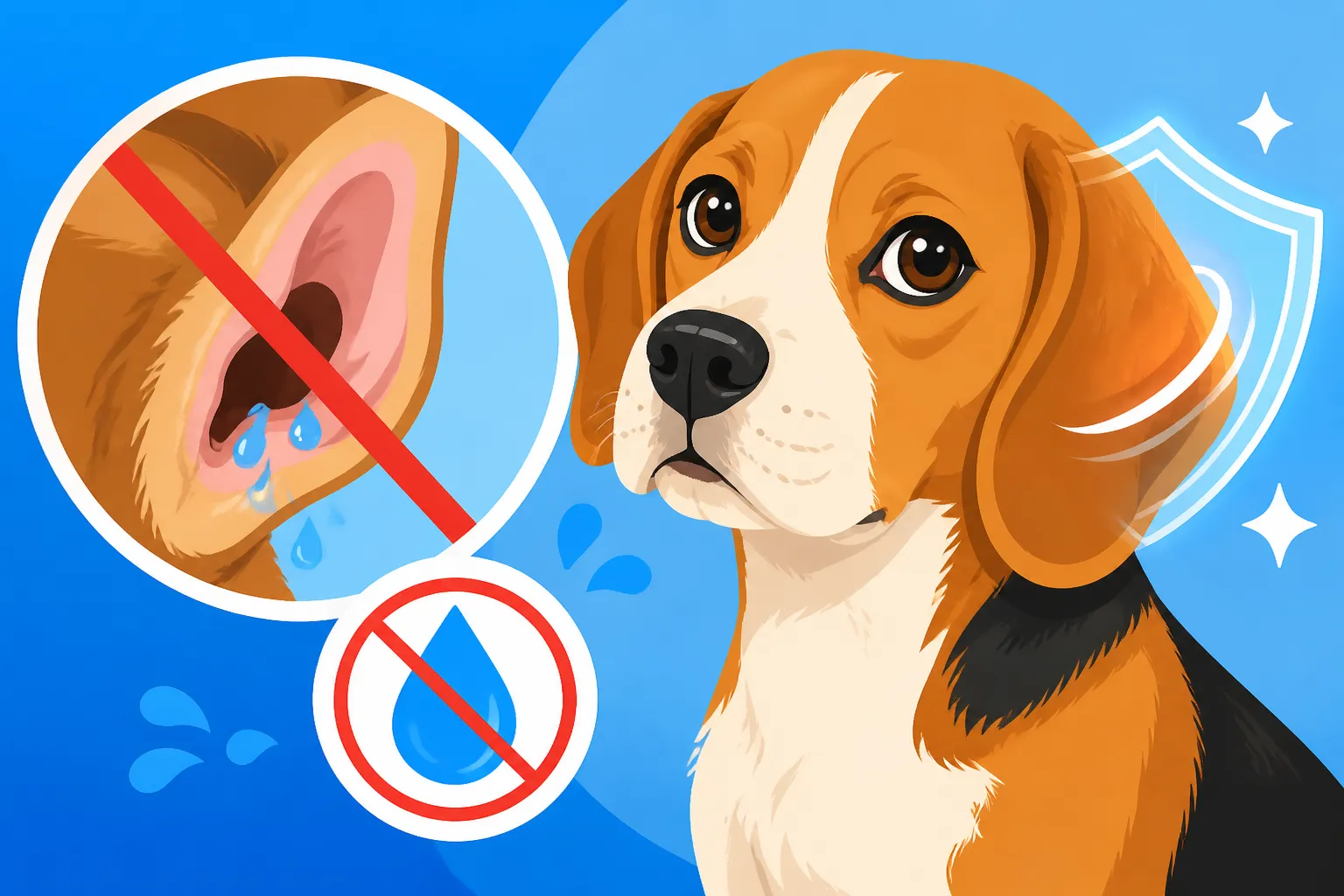
It's easy to look at a Beagle and just see a cute dog, but those floppy ears are actually a design flaw when it comes to ear health. Unlike dogs with prick ears that allow for excellent air circulation, a Beagle's ears act like little humid greenhouses, trapping warmth and moisture right where you don't want it. This anatomical reality means that a damp ear canal isn't just a minor inconvenience; it's a direct invitation for bacteria and yeast to set up shop and cause trouble.
The Anatomy of a Beagle Ear Canal
To truly understand why moisture is such an enemy, let's talk a little bit about what's going on inside your Beagle's head. The ear canal of a dog isn't a straight shot like a human's; it's shaped like a much longer, narrower L-tube. It starts vertically down into the head, makes a sharp turn, and then continues horizontally to the eardrum. This deep, winding structure is why it's so difficult for water to evaporate naturally once it gets in. The long, heavy ear flap, or pinna, then hangs down over the opening, effectively sealing off the canal and preventing any fresh air from getting in to help dry things out.
When you combine this deep, constricted canal with the heavy, floppy ear leather, you have a perfect storm for humidity. Add in a bit of wax, some natural oils, and maybe a few stray hairs, and you've got an even more inviting environment for pathogens. This unique anatomy means that even a little bit of trapped moisture can linger for hours, creating an ideal breeding ground. It's not just water from a bath; it's also sweat, condensation, and even humidity in the air that can accumulate.
How Moisture Traps Lead to Trouble
So, what happens when moisture gets trapped in that L-shaped canal? The warm, dark, and now wet environment provides exactly what opportunistic bacteria and yeast need to flourish. These microorganisms are naturally present in small numbers in a healthy ear, but once the conditions become favorable – like a persistent dampness – they multiply rapidly. This overgrowth leads to inflammation, itching, and eventually, a full-blown infection.
You'll notice your Beagle starting to scratch frantically at their ears, shaking their head with more vigor than usual, or perhaps rubbing their ear along the carpet or furniture. Internally, the lining of the ear canal becomes red and swollen, producing more discharge and often a strong, unpleasant odor. This can quickly escalate to pain, and if left untreated, these infections can become chronic, making your Beagle miserable and leading to more serious issues like a ruptured eardrum or Beagle Ear Hematomas Caused by Head Shaking from constant scratching. It's a vicious cycle that starts with a simple damp spot and can end with significant discomfort and vet visits.
Common Scenarios Where Beagle Ears Get Wet
It might seem obvious, but there are more ways for a Beagle's ears to get wet than you might initially think. Understanding these common scenarios is the first step in preventing moisture from becoming a problem. It’s not just about what you can see; it’s about recognizing situations where water and humidity can creep in unnoticed.
Bath Time and Water Play
This is probably the most common culprit. Who hasn't given their Beagle a good scrub-down only to realize too late that water might have splashed into their ears? During bath time, whether it's in the tub, a utility sink, or even outdoors with a hose, water can easily run down the side of their head and into those open ear canals. Even if you're careful, a sudden shake from your Beagle can send water flying right into the wrong spot.
Similarly, if your Beagle loves a good romp in a kiddie pool, or if you take them to a dog park with a splash pad, their enthusiasm for water play can quickly turn their ears into little reservoirs. A happy Beagle is a playful Beagle, and often that means splashing and dunking without a care in the world. As owners, it's our job to anticipate these situations and take preventative measures. Even a vigorous drinking session from a wide bowl can sometimes result in enough splashback to moisten the inner ear. It might seem minor, but remember that L-shaped canal and how little it takes for moisture to get trapped.
Swimming and Outdoor Adventures
While not all Beagles are natural swimmers, many enjoy a dip, especially on a hot day. Whether it's a lake, a river, or even a friend's pool, swimming is a fantastic way to exercise a Beagle. However, it's also a surefire way to get water deep into their ear canals. The sheer volume of water involved in swimming means their ears are almost guaranteed to become thoroughly soaked.
Beyond actual swimming, think about other outdoor adventures. A walk through tall, dew-laden grass in the morning, a sudden rain shower on a hike, or even playing in melting snow can introduce significant moisture. Beagles love to explore with their noses to the ground, which means their long ears are constantly sweeping through foliage and damp environments. A Beagle on a scent walk through a damp field can pick up more than just interesting smells; they can collect enough moisture in their ears to cause issues later. These seemingly innocuous situations are just as critical to manage as a full-blown swim.
Humidity and Environmental Factors
Sometimes, it's not about direct contact with water, but the overall environment. Living in a high-humidity climate, especially during summer months, can contribute to chronic dampness in a Beagle's ears. Just like our hair can feel heavy and damp on a humid day, a Beagle's ears can retain moisture from the air, particularly when combined with their natural body heat. This is especially true for Beagles who spend a lot of time indoors in homes without adequate air circulation.
Even factors like excessive ear wax production can exacerbate the problem, as wax can trap moisture against the skin of the ear canal. If your Beagle is prone to Beagle Yeast Ear Infections That Keep Returning, humidity can make it much harder to keep them at bay, even if you're diligent about cleaning. Think about how a damp sponge can harbor mold; a constantly humid ear canal provides a similar invitation for troublesome microorganisms. This is why a proactive approach to ear care, not just reactive, is so important for Beagles.
Essential Tools and Techniques for Ear Drying
Once you understand why and how moisture gets into your Beagle's ears, the next step is arming yourself with the right tools and knowing the proper techniques to dry them out effectively and safely. This isn't just about grabbing a towel; it's about a systematic approach to ensure that deep, L-shaped canal is as dry as possible.
Absorbent Materials and Gentle Wiping
The first line of defense is always simple absorption. After any wet activity, the immediate goal is to remove as much surface moisture as possible. For this, you'll want soft, highly absorbent materials. Cotton balls or soft, lint-free gauze pads are excellent choices. Avoid using cotton swabs (Q-tips) deep within the ear canal, as these can push debris and moisture further down, potentially causing damage or compaction. Instead, use them only for the outer folds and crevices of the visible ear.
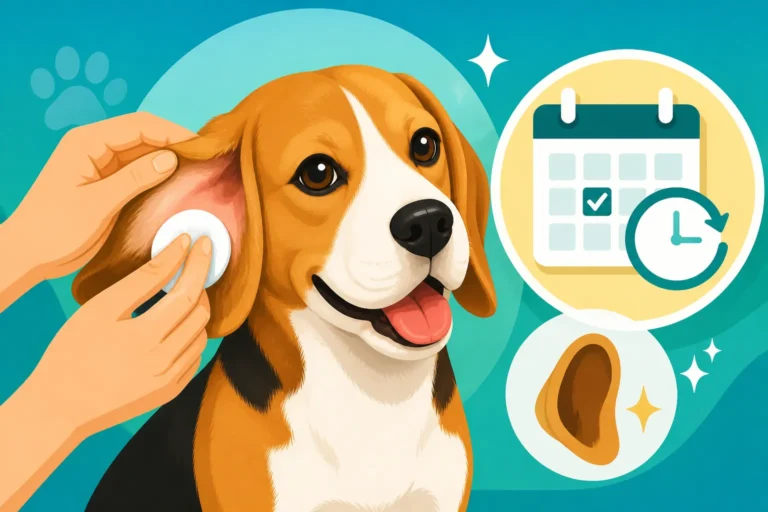
Gently fold back your Beagle's ear flap to expose the ear canal opening. Use a fresh cotton ball or gauze pad to carefully blot and wipe any visible moisture and debris from the outer ear and the very entrance of the canal. The key word here is "gentle." You're not scrubbing; you're absorbing. Repeat with fresh cotton balls until they come out clean and dry. Many owners find that a good quality microfiber cloth, dedicated solely to ear drying, can also be very effective for the outer ear and pinna, quickly wicking away water without irritating the delicate skin. The Five Minute Beagle Ear Routine should always start with this kind of gentle wiping.
Specially Formulated Ear Dryers and Cleaners
Beyond simple absorption, there are products specifically designed to help dry and maintain ear health. Medicated ear drying solutions often contain ingredients like boric acid or salicylic acid, which help acidify the ear canal, creating an environment less hospitable to bacteria and yeast. Many also contain alcohol (in appropriate, non-irritating concentrations) to aid in evaporation, or soothing agents like aloe vera to prevent irritation. You can find a good selection of these on sites like Chewy or Amazon.
When using these, always follow the product instructions, and ideally, your vet's recommendations. Typically, you'll apply a small amount into the ear canal, gently massage the base of the ear to help distribute the liquid, and then allow your Beagle to shake their head. After the shake, use a cotton ball to wipe away any excess solution and loosened debris from the outer ear. These products are particularly useful after swimming or extensive water exposure, providing that extra assurance that deep-seated moisture is being addressed. For some Beagles, a regular gentle ear cleaner like those recommended in Cleaning a Beagle Ear Before Infection Starts can double as a drying agent due to their evaporating properties.
Airflow and Ventilation Strategies
Even with careful wiping and drying solutions, ensuring good airflow to the ears is crucial for final drying and ongoing prevention. After a bath or swim, once you've done the initial wiping, encourage your Beagle to shake their head vigorously. This natural action helps to dislodge water from deeper in the canal. You can also use a low-setting, cool-air pet-friendly hair dryer (never on a hot setting, as this can burn the delicate skin or cause discomfort). Hold it at a safe distance, moving it constantly, and direct the airflow gently into the ear canal opening while holding the ear flap up. The goal is gentle air circulation, not blasting hot air.
For everyday maintenance, especially in humid climates, periodically lifting your Beagle's ear flaps can help. Some owners even gently clip the hair around the ear canal opening (if there is any significant growth, which is less common in Beagles but still possible) to improve air circulation. During rest, you might find your Beagle sleeping with one ear slightly open or flipped back, which is their natural way of allowing some air to get in. If you live in a very humid environment, consider using a dehumidifier in the rooms where your Beagle spends most of their time. These seemingly small actions contribute significantly to preventing moisture build-up over time.
Creating a Proactive Ear Care Routine
Preventing ear infections in Beagles isn't about scrambling to react when problems arise; it's about establishing a consistent, proactive ear care routine. Think of it like brushing your own teeth – it's a daily habit that prevents bigger issues down the line. For Beagles, with their predisposed ears, this routine is even more critical.
Before and After Wet Activities
The absolute best defense against moisture-related ear infections is a two-pronged approach: prepare before and act immediately after any activity that might get those ears wet. Before bath time, swimming, or even heading out for a long walk in potentially damp conditions (like after rain or early morning dew), consider placing large cotton balls loosely in your Beagle's ear canals. These act as a physical barrier to absorb splashes and prevent water from entering deep into the ear. Make sure they are placed only far enough to block the opening, and that you can easily retrieve them afterward – never push them deep inside.
As soon as the wet activity is over, the cotton balls should be removed (if used) and the rigorous drying process begins. This means immediately wiping the outer ear and canal entrance with a dry cotton ball or gauze, followed by a veterinary-approved drying solution if necessary. This immediate action is crucial because it doesn't give bacteria and yeast the time they need to start multiplying in a damp environment. Don't wait until the next day; dry those ears thoroughly right away. This promptness can make all the difference in preventing an infection from taking hold.
Regular Checks and Early Detection
Even with a diligent routine around wet activities, regular ear checks are paramount. Make it a habit to visually inspect your Beagle's ears several times a week, ideally daily. Gently lift their ear flap and look at the inner surface of the ear and the entrance to the canal. What are you looking for?
- Redness or Swelling: The skin should be a healthy pink, not inflamed or angry red.
- Discharge: There shouldn't be excessive wax or any foul-smelling, dark brown, yellow, or greenish discharge. A little light tan wax is normal.
- Odor: Healthy ears have very little smell. A strong, yeasty, or otherwise unpleasant odor is a major red flag.
- Sensitivity: Does your Beagle pull away, whimper, or show discomfort when you touch their ears? This is a sign of pain.
Beyond visual checks, pay attention to your Beagle's behavior. Increased head shaking, constant scratching, rubbing their ears on furniture, or holding one ear lower than the other are all indicators that something isn't right. The earlier you catch these signs, the easier and faster it is to address the issue, potentially preventing a full-blown infection and significant discomfort for your dog. A quick daily sniff and visual check can become part of your normal petting routine.
When to Seek Veterinary Help
While proactive care can prevent many issues, it's essential to know when to stop home remedies and involve your veterinarian. If you notice any of the red flags mentioned above – persistent redness, swelling, unusual discharge, strong odor, pain, or excessive scratching and head shaking – it's time for a vet visit. Don't try to self-diagnose or treat a suspected infection with old medications you might have around. What looks like a yeast infection could actually be bacterial, or even mites, and each requires a specific treatment.
A veterinarian can properly examine the ear canal with an otoscope, identify the type of infection (if any), and prescribe the correct medication. They might also take a swab for cytology to look at the cells under a microscope, which helps them determine whether it's yeast, bacteria, or a combination. Ignoring ear issues can lead to chronic conditions, deep-seated infections that are much harder to clear, and even permanent damage. Early veterinary intervention is key to getting your Beagle comfortable and healthy again. Remember, even a minor ear irritation can quickly escalate for a Beagle, so err on the side of caution.
Products and Supplies to Keep on Hand
Being prepared with the right products and supplies makes it much easier to stick to your ear care routine and quickly address any potential moisture issues. You don't need a huge arsenal, but having a few key items readily available can be a game-changer for your Beagle's ear health.
Trusted Ear Cleaners and Drying Solutions
Having a good quality ear cleaner and a dedicated ear drying solution is fundamental. Look for products specifically formulated for dogs, as human ear products can be too harsh or contain ingredients that are unsafe for pets. Many excellent brands are available, often containing mild antiseptics, drying agents, and soothing components. Brands like Zymox, Epi-Otic, or even generic veterinary brands, are often recommended by professionals. You can easily find these on online pet supply retailers like Chewy, which offers a wide selection, or even on Amazon.
Your vet can recommend a specific brand or type of cleaner that suits your Beagle's individual needs. For example, some Beagles might need a cleaner with more astringent properties if they are prone to very waxy ears, while others might need something gentler if their skin is sensitive. The drying solution is especially important for Beagles that swim or get baths frequently, as it helps evaporate any lingering moisture without over-cleaning. Always check the expiration dates on these products and store them as directed to maintain their efficacy.
Cotton Balls, Gauze, and Applicators
Simple, everyday supplies are just as important as the specialized solutions. Stock up on soft cotton balls and square gauze pads. These are indispensable for gently wiping the outer ear and the entrance to the canal. As mentioned before, avoid cotton swabs for deep cleaning, but they can be useful for precision cleaning around the external folds of the ear.
You might also consider having a small pair of blunt-tipped tweezers if your Beagle has any stray hairs growing just inside the ear canal opening. While Beagles typically have less hair in their canals than some breeds, excessive hair can trap moisture and debris. If you're comfortable, you can gently pluck these few hairs, but if unsure, ask your vet or a professional groomer to do it for you during a regular visit. Ensuring you have a steady supply of these basic, inexpensive items will prevent you from skipping ear checks due to lack of supplies.
Pet-Friendly Hair Dryers and Blowers
While a regular hair dryer on a cool setting can work in a pinch, investing in a pet-specific dryer can be a great asset, especially if your Beagle loves water. Pet dryers are often quieter, have more controlled temperature settings (specifically a "cool" or "no heat" option), and are designed to be safe for a dog's skin and coat. These aren't usually high-powered groomer dryers, but smaller, handheld models.
The key is to use any dryer with caution: always on the coolest setting, held at a safe distance (at least 6-12 inches away), and kept moving to prevent any localized heat buildup. The goal is to encourage air circulation, not to force-dry with heat. The gentle breeze helps to evaporate moisture from the outer parts of the ear canal. If your Beagle is sensitive to noise, introduce the dryer slowly with positive reinforcement, offering treats (perhaps from a brand like Ollie, though they specialize in food, a high-value treat is a high-value treat!) and praise, to make it a calm and even pleasant experience. This tool can be particularly useful after a full bath or a prolonged swimming session to speed up the drying process without causing discomfort.
Debunking Common Myths About Beagle Ear Care
There's a lot of information floating around about dog care, and ear care is no exception. Some well-intentioned advice can actually be counterproductive or even harmful to your Beagle's delicate ears. Let's clear up some common misconceptions that can get in the way of effective moisture prevention and ear health.
"Just Let Them Shake Their Head"
This is a really common myth, and while head shaking does help dislodge some surface water, it's far from a complete drying solution, especially for a Beagle. Remember that L-shaped ear canal? A quick shake might get the bulk of the water out of the vertical portion, but much of it will simply settle into the horizontal part of the canal, where it can linger and cause problems. Think of it like a bottle with a narrow neck – you can shake it all you want, but some liquid will always remain at the bottom unless you actively dry it out or allow for extensive air circulation.
Relying solely on head shaking can give owners a false sense of security, leading them to believe the ears are dry when they are still quite damp deep inside. Furthermore, excessive or prolonged head shaking can lead to other issues, like Beagle Ear Hematomas Caused by Head Shaking, where blood vessels rupture within the ear flap due to the force of the shaking. So, while a little shake is natural and helpful, it should never be your sole method of drying your Beagle's ears. It's merely the first step in a more comprehensive drying process.
"Over-Cleaning is Always Bad"
Another prevalent myth is that cleaning a dog's ears too often will somehow irritate them or strip away protective oils, leading to more infections. While it's true that harsh scrubbing or using irritating solutions can be detrimental, a proper, gentle ear care routine is not "over-cleaning." In fact, for a Beagle with their floppy ears and predisposition to moisture issues, a regular, even weekly, cleaning and drying routine is often necessary to maintain health.
The key here is "proper" and "gentle." Using a veterinarian-approved ear cleaner that is designed to be gentle on delicate ear tissue, and then thoroughly drying the ears, actually helps to prevent irritation and infection. It removes accumulated wax, debris, and any trapped moisture that could otherwise lead to problems. Ignoring ear care because of a fear of "over-cleaning" often results in the very infections you're trying to avoid. Think about How Often a Beagle's Ears Need Cleaning – for many Beagles, especially those prone to issues or living in humid environments, a weekly or bi-weekly routine is perfectly appropriate and beneficial.
"All Ear Drops are the Same"
This myth can be particularly dangerous. Many people mistakenly believe that any ear drop will do, or that an old bottle of medication from a previous infection can be used for a new issue. This couldn't be further from the truth. Ear drops come in various formulations, designed to treat specific problems:
- Cleaners/Driers: These are for routine maintenance and moisture evaporation.
- Antifungals: For yeast infections.
- Antibiotics: For bacterial infections.
- Anti-inflammatories/Steroids: To reduce swelling and discomfort.
- Parasiticides: For ear mites.
Using the wrong type of ear drop can be ineffective, delay proper treatment, or even cause harm. For instance, using an antibiotic for a fungal infection won't work, and might even make the fungal infection worse by killing off beneficial bacteria. Using drops designed for an ear infection in a perfectly healthy ear could disrupt its natural balance. Furthermore, if your Beagle has a ruptured eardrum (which can happen with severe infections), certain ingredients in ear drops can be ototoxic, meaning they can cause deafness. Always get a proper diagnosis from your veterinarian before administering any ear medication, and only use products specifically prescribed or recommended for your Beagle's current condition.
Table: Comparison of Beagle Ear Drying Methods
| Method / Tool | Pros | Cons | Best Use Case |
|---|---|---|---|
| Cotton Balls/Gauze | Readily available, inexpensive, gentle, excellent for surface moisture. | Cannot reach deep into the ear canal, requires manual effort. | Initial wipe-down after any wet activity, routine visible cleaning. |
| Ear Drying Solutions | Formulated to aid evaporation, create hostile environment for pathogens. | Requires careful application, some contain alcohol (can sting if irritated). | After baths/swimming, for Beagles prone to recurrent moisture issues. |
| Pet-Friendly Hair Dryer | Provides airflow for faster, deeper evaporation. | Requires Beagle's cooperation, must use cool/low setting, can be noisy. | Post-bath or swim, in very humid conditions. |
| Cotton Balls (Pre-activity) | Physical barrier to prevent water entry. | Can fall out, must remember to remove, only for external protection. | Before baths or short water play sessions. |
| Dehumidifier (Environmental) | Reduces ambient humidity, passive, benefits overall comfort. | Indirect effect on ear canal, not a direct drying method. | Homes in high-humidity climates, for Beagles prone to chronic dampness. |
Disclaimer
This article is for general informational purposes only and does not constitute professional advice. Laws, prices and regulations vary by location and change over time. Consult a qualified professional for guidance on your specific situation.