Cleaning Beagle Ears Once Every Week
If you're a Beagle owner, you know those adorable, velvety ears are a hallmark of the breed. But what you might also know, often to your frustration, is that those very same floppy ears can be a magnet for dirt, moisture, and all sorts of trouble, leading to uncomfortable and often painful ear infections. Keeping your Beagle's ears clean on a regular, weekly basis isn't just good hygiene; it's a critical part of preventing serious health issues and ensuring your beloved hound stays happy and healthy. This guide will walk you through everything you need to know to establish an effective ear cleaning routine.
Why Beagle Ears Are So Prone to Trouble
Let's be honest, those long, droopy Beagle ears are part of their charm, right? But what looks cute to us can actually be a perfect storm for ear problems for your dog. It's not just bad luck; it's a combination of genetics and their very Beagle-ness that makes regular ear care so non-negotiable.
The Anatomy of a Droopy Ear
Imagine trying to keep a room clean when it has poor ventilation and is always a bit damp and warm. That’s essentially what’s happening under your Beagle's long, pendulous ear flaps. Unlike dogs with prick ears that allow for plenty of air circulation, a Beagle's ears hang down, creating a warm, moist, and dark environment. This sealed-off canal is an ideal breeding ground for bacteria and yeast, which thrive in such conditions.
This lack of airflow means any moisture that gets in, whether from a bath, a swim, or even just dew-covered grass during an early morning sniff-a-thon, doesn't evaporate easily. It just sits there, creating a damp habitat. Over time, this constant moisture can break down the natural protective barriers in the ear canal, making it much easier for opportunistic invaders to take hold and cause an infection. It's a design flaw, really, in an otherwise perfect hound! You can learn more about Why Beagle Ears Trap Moisture So Well.
Trapping Dirt, Allergens, and Moisture
Beyond the anatomical challenge, Beagles are, well, Beagles! They're scent hounds, and their noses are glued to the ground, exploring every fascinating smell the world has to offer. This means they are constantly pushing their floppy ears through dirt, dust, pollen, and whatever else might be lurking in the grass or under a bush. All these foreign particles can easily get lodged in the outer ear or even work their way down into the ear canal, becoming irritants.
Furthermore, if your Beagle has environmental allergies, those allergens can settle in the ear canal, triggering inflammation and itching. This irritation then leads to scratching and head shaking, which can further damage the delicate lining of the ear and exacerbate the problem. It's a vicious cycle where environmental factors combine with their natural inclination to explore, making their ears a common hotspot for issues. Add to this the occasional splash from a puddle, a romp in damp grass, or a full bath, and you've got a recipe for moisture accumulation that just begs for trouble.
Gathering Your Beagle Ear Cleaning Arsenal
Before you embark on your weekly ear cleaning mission, it’s important to have all your supplies ready. Rushing to find things mid-process can stress your Beagle out and make the whole experience less pleasant for both of you. Think of it as preparing for a mini spa session for their ears – calm, prepared, and with all the right tools.
Choosing the Right Ear Cleaning Solution
When it comes to ear cleaning solutions, you have a few options, and selecting the right one depends on your Beagle’s individual needs. Generally, you’re looking for something gentle yet effective. Saline-based solutions are excellent for general, routine cleaning, simply flushing out debris without introducing harsh chemicals. If your Beagle is prone to yeast or bacterial overgrowth, your vet might recommend an antiseptic solution containing ingredients like chlorhexidine or ketoconazole, which help to manage these microbes.
For Beagles that frequently get their ears wet, or those prone to moisture-related issues, a drying agent can be incredibly helpful. These solutions often contain ingredients like boric acid or salicylic acid, which help dry out the ear canal after cleaning. It's crucial to use a product specifically formulated for dogs – never use human ear drops or rubbing alcohol, as these can be irritating or even damaging. If you're unsure which type of solution is best, especially if your Beagle has a history of ear problems, always consult your veterinarian. They can guide you to the most appropriate product for your particular hound's ear health. Many reputable pet supply retailers carry a wide range of these products, from general cleaners to more specialized ones, available at stores like Chewy or on platforms like Amazon.
Essential Tools for a Smooth Cleaning
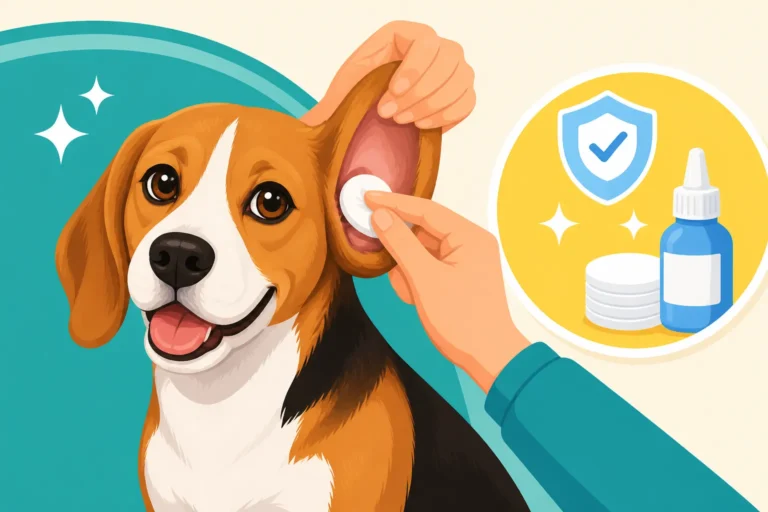
Beyond the cleaning solution, you'll need a few other simple tools to ensure a thorough and safe cleaning. First and foremost, a generous supply of cotton balls or large cotton pads is indispensable. These are perfect for gently wiping away debris and excess solution from the outer ear and the folds of the ear flap. You might also want some soft gauze pads for more stubborn areas or for a firmer wipe.
It's absolutely critical to avoid using cotton swabs (Q-tips) inside your Beagle's ear canal. While they might seem handy for getting into nooks and crannies, they can actually push debris further down the canal, potentially causing blockages or even rupturing the eardrum. Stick to using them only for the visible folds of the outer ear, never beyond what you can clearly see. A old towel is also a must-have, not just for containing any splashes during the cleaning, but also for drying the outside of the ear thoroughly afterward. Having everything laid out neatly on your towel before you start makes the process much calmer and more efficient.
Step-by-Step: The Weekly Ear Cleaning Ritual
Now that you have your supplies, it's time to get down to business. Establishing a calm and consistent routine is key to making ear cleaning a stress-free experience for your Beagle. Remember, their sense of smell is paramount, so a positive association with treats and gentle handling goes a long way.
Preparing Your Beagle and Your Space
First things first, choose a time when your Beagle is relaxed. Maybe after a walk when they're a bit tired, or during a quiet evening when things are generally settled. Grab your treats – high-value ones work best! Something extra tasty, perhaps a few morsels of their favorite food or a small piece of a soft, meaty treat. Lay out your cleaning solution, cotton balls, and a towel on a surface where you can comfortably work, ideally at dog height if you have a table they're used to being on, or simply on the floor with them.
Have a second person available if your Beagle is squirmy or new to this routine. One person can gently hold and reassure the Beagle, while the other focuses on the cleaning. Start with plenty of praise and affection. Let your Beagle sniff the solution bottle and the cotton balls. Give them a treat just for being calm near the supplies. The goal is to make this a positive, predictable experience, not a wrestling match. Over time, your Beagle will associate the sight of these items with good things (treats!), making the task much easier. This early conditioning is vital. You want them to feel safe and rewarded, not anxious.
The Cleaning Process Itself
With your Beagle calm and your supplies ready, it's time for the actual cleaning. Start by gently lifting your Beagle's ear flap to expose the inner surface of the ear and the entrance to the ear canal. Give them another treat for this cooperation. Now, take your ear cleaning solution and carefully fill the ear canal. Don't be shy; you need enough solution to really flush things out. Most bottles have a nozzle that fits just inside the ear opening, making it easy to dispense.
Once the solution is in, immediately lower the ear flap and gently massage the base of the ear for about 20-30 seconds. You should hear a squishing sound, which means the solution is working its way around and loosening debris. This massage feels good to many dogs, so keep up the praise and maybe another treat. After massaging, let your Beagle shake their head – this is crucial as it helps dislodge all the gunk and brings it up to the surface. Finally, use a clean cotton ball or gauze pad to gently wipe away any excess solution and visible debris from the outer ear and the entrance to the canal. Remember, only wipe what you can see. Repeat with fresh cotton balls until no more dirt is visible. This whole process should be done for each ear. Consistency with The Five Minute Beagle Ear Routine will make a huge difference.
Rewarding Good Behavior and Post-Cleaning Care
Once both ears are clean, the most important part is to reward your Beagle lavishly! Give them lots of praise, affectionate petting, and a jackpot of those high-value treats. You want them to walk away from this experience feeling like they just won the lottery. This positive reinforcement solidifies the idea that ear cleaning is a good thing and nothing to be feared.
After the cleaning, take a clean, dry towel and gently dry the outside of their ears and around the ear canal entrance. This helps prevent any lingering moisture from creating a new damp environment. If your Beagle has particularly hairy inner ears, you might ask your vet or a groomer if a light trim is advisable to improve airflow, though Beagles generally have less hair in their canals than some other breeds. Just make sure their ears are as dry as possible to prevent new problems from developing. Some owners find that a quick sniff test after a few minutes can reassure them that the ears are truly dry and fresh. Remember, a happy Beagle with clean ears is a wonderful thing, and a consistent, positive approach makes all the difference.
What to Look For: Spotting Trouble Beyond Routine Cleaning
Even with the most diligent weekly cleaning, Beagles can still develop ear issues. It's vital to know the difference between a bit of normal ear wax and the early signs of a brewing infection. Your regular cleaning routine is also your opportunity to perform a quick visual inspection and catch problems early.
Early Signs of Infection or Irritation
While a small amount of light brown ear wax is normal, certain changes can signal that something more serious is going on. When you're cleaning, keep an eye out for any redness or swelling inside the ear flap or around the canal opening. Is the skin unusually warm to the touch? A strong, unpleasant odor is also a huge red flag; healthy ears generally don't smell. Dark brown or black discharge, especially if it looks like coffee grounds (which could indicate ear mites) or pus-like yellow/green discharge, definitely warrants concern.
Beyond what you see, pay attention to your Beagle's behavior. Are they shaking their head more than usual? Are they constantly scratching at their ears, or rubbing them on the furniture or carpet? Do they seem sensitive when you touch their ears, perhaps yelping or pulling away? These are all classic indicators of discomfort and potential infection. If your Beagle seems down or less energetic, sometimes an ear infection can make them feel generally unwell. Don't dismiss these subtle cues; catching them early can prevent a more advanced and painful problem. You can learn more about Beagle Ear Infection Symptoms to Catch Early.
When to Call the Vet
It’s crucial to understand that routine ear cleaning is preventative maintenance, not a treatment for an active infection. If you observe any of the worrying signs mentioned above – persistent redness, swelling, unusual discharge, strong odor, excessive head shaking, or pain – it’s time to call your veterinarian. Don't try to treat an infection yourself with over-the-counter remedies without a vet's diagnosis. What looks like a simple yeast infection could be bacterial, or even mites, and each requires a specific type of medication.
A veterinarian will use an otoscope to look deep into the ear canal, beyond what you can see, and often take a swab to examine under a microscope. This allows them to identify the specific type of infection (bacterial, yeast, or mites) and prescribe the most effective medication, which might include medicated ear drops, oral antibiotics, or anti-inflammatories. Delaying a vet visit can lead to the infection becoming more severe, spreading deeper into the ear, or even causing chronic issues. Serious or recurrent infections might also point to underlying issues like allergies or hypothyroidism, which also need professional diagnosis and management. Don't hesitate; your Beagle's comfort is worth it! Especially if you notice Beagle Yeast Ear Infections That Keep Returning.
Preventing Future Ear Woes
Weekly cleaning is a fantastic preventative measure, but it's just one piece of the puzzle. There are other proactive steps you can take to minimize the chances of your Beagle developing those pesky and painful ear infections. It’s all about creating an environment that discourages bacterial and yeast growth.
Drying Ears After Every Wet Adventure
Beagles love to sniff and explore, and sometimes that exploration involves water – whether it's a dip in a creek, a splash in a muddy puddle, or even just a particularly dewy morning walk. Of course, baths are also a necessity! Any time your Beagle's ears get wet, that moisture can become trapped under their long ear flaps, creating the perfect damp environment for bacteria and yeast to flourish. This is why thorough drying is just as important as cleaning.
After a bath, make sure to gently pat the inside of their ear flaps and the opening of the ear canal with a soft, clean towel or cotton ball. For dogs that enjoy swimming, a dedicated ear drying solution (often containing ingredients that help evaporate water) can be very beneficial. Simply apply a few drops after their swim, massage the base of the ear, and then allow them to shake their head. This extra step helps prevent moisture from lingering and drastically reduces the risk of water-induced infections. Think of it as an extra layer of protection, particularly important for a breed with such "efficient" ear covers.
Managing Allergies and Underlying Conditions
Sometimes, persistent ear infections aren't just about trapped moisture or dirt; they're a symptom of a larger underlying health issue, most commonly allergies. Just like humans, Beagles can suffer from environmental allergies (like pollen, dust mites, or mold) or food allergies. When a Beagle has allergies, one of the primary ways it manifests is through inflammation and itching, often around the ears, paws, and skin. This chronic inflammation in the ear canal makes it much more susceptible to secondary yeast and bacterial infections.
If your Beagle seems to have recurrent ear infections despite your diligent cleaning efforts, or if you notice other signs like excessive scratching, licking paws, or skin redness, it’s crucial to discuss this with your vet. They might recommend allergy testing or an elimination diet to pinpoint the cause. Managing the underlying allergy, whether through medication, diet changes, or environmental modifications, can dramatically reduce the frequency and severity of ear infections. Conditions like Beagle Hypothyroidism and the Weight It Puts On can also sometimes present with skin and ear issues, so a full check-up is always wise for chronic problems. Addressing the root cause is often the most effective way to break the cycle of recurring ear problems.
Common Misconceptions and Best Practices
There's a lot of information floating around about dog ear care, and not all of it is accurate or safe for your Beagle. Let's clear up a couple of common misunderstandings and reiterate the best approaches for long-term ear health.
The "Deep Clean" Myth and Q-Tip Dangers
One of the biggest misconceptions in dog ear cleaning is the idea that you need to get "deep" into the ear canal to properly clean it. This couldn't be further from the truth and is actually quite dangerous. Your Beagle's ear canal is L-shaped, making it impossible to see the eardrum from the outside. Attempting to probe deep into this canal with cotton swabs (Q-tips) or any other instrument is a recipe for disaster.
Using Q-tips can push wax and debris further down the canal, creating a blockage that’s harder to remove and provides more material for infection to grow on. Worse, you could accidentally puncture your Beagle's eardrum, which is incredibly painful and can lead to permanent hearing damage. The goal of at-home cleaning is to flush out loose debris from the visible parts of the ear and the upper canal, allowing your Beagle to shake the gunk out. Let the solution do the work, and only wipe what you can see and easily reach with a cotton ball or pad. Leave the deep inspection and any necessary deep cleaning to your vet, who has the specialized tools and expertise.
Consistency is Key
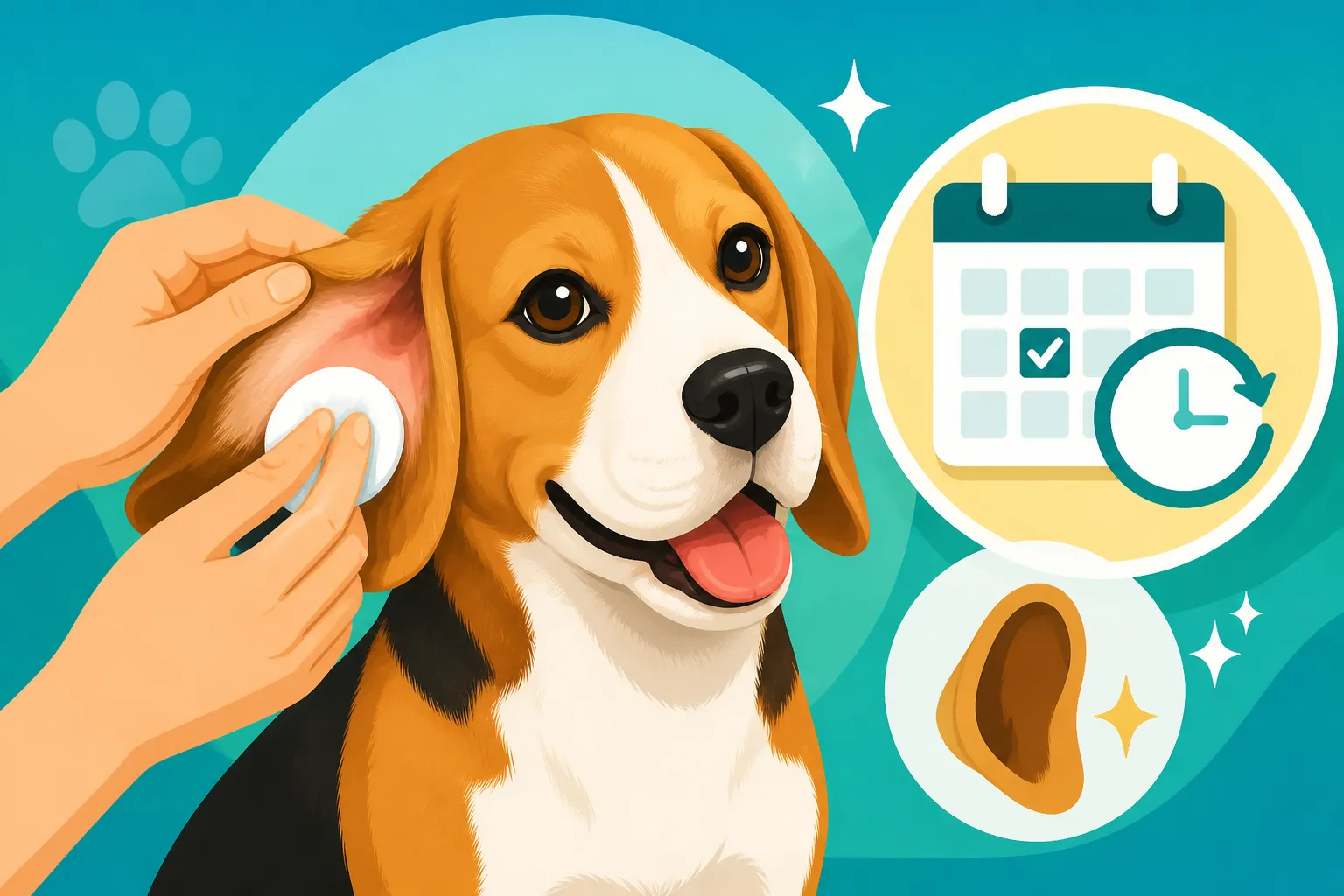
We often talk about consistency in training and feeding, but it's equally, if not more, important when it comes to routine ear care for Beagles. Cleaning their ears once every week isn't an arbitrary suggestion; it's a schedule designed to prevent issues from festering in their moist, enclosed ear canals. Skipping weeks, or only cleaning "when they seem itchy," allows bacteria and yeast to multiply, giving them a head start before you intervene.
Think of it like brushing your own teeth: a daily habit keeps problems at bay. For a Beagle's ears, weekly attention is usually sufficient. This regular routine also allows you to become intimately familiar with what your Beagle's healthy ears look and smell like. This familiarity makes it much easier to spot the subtle early signs of trouble, like a slight redness or a faint unusual odor, before it escalates into a full-blown infection. Make it a part of your weekend routine, perhaps after their bath or grooming session, and stick with it. This small investment of time each week can save your Beagle a lot of discomfort and potentially save you significant vet bills down the line. It's truly a cornerstone of Beagle Health Testing Under CHIC recommendations to stay on top of ear hygiene.
Ear Cleaning Solution Comparison
Here's a quick overview of common types of ear cleaning solutions for Beagles and their primary uses. Always consult your vet for specific recommendations for your dog.
| Solution Type | Primary Ingredients (Examples) | Key Benefit | Best For | When to Use |
|---|---|---|---|---|
| Gentle Saline/Water-Based | Isotonic Saline, Purified Water | Flushes debris, non-irritating | Routine maintenance, sensitive ears | Weekly cleaning, general hygiene |
| Antiseptic | Chlorhexidine, Ketoconazole | Kills bacteria & yeast, anti-fungal | Ears prone to infection, mild odors | As directed by vet, or for preventative care |
| Drying Agent | Boric Acid, Salicylic Acid, Isopropyl Alcohol | Evaporates moisture, acidifies ear canal | Post-swim, humid climates, very floppy ears | After exposure to water, or if ears are damp |
| Waxy Ear Cleaner | Squalene, Dioctyl Sodium Sulfosuccinate (DSS) | Dissolves heavy wax buildup | Ears with excessive, thick wax | Occasionally, when needed, or as directed by vet |
Conclusion
Keeping your Beagle's ears clean weekly might seem like a chore, but it's truly one of the most loving and proactive things you can do for their health. Those long, expressive ears, while undeniably charming, require consistent care to prevent the painful and often frustrating cycle of ear infections. By understanding their unique anatomy, gathering the right tools, and committing to a gentle, routine cleaning process, you're not just preventing problems; you're also building a stronger bond with your loyal companion. Remember to always be on the lookout for early signs of trouble and never hesitate to consult your veterinarian if you suspect an infection. A healthy Beagle is a happy Beagle, and clean ears are a big part of that equation.
Disclaimer
This article is for general informational purposes only and does not constitute professional advice. Laws, prices and regulations vary by location and change over time. Consult a qualified professional for guidance on your specific situation.