Beagle Ear Infection Symptoms to Catch Early
Oh, the Beagle ear! Those long, floppy, velvety ears are absolutely irresistible, aren't they? They're practically made for petting. But if you're a Beagle parent, you know those adorable ears can also be a magnet for trouble, trapping moisture, dirt, and all sorts of nasties that lead to painful infections. Catching these early can save your beloved hound a lot of discomfort and save you a significant vet bill, so let's dive into the signs your Beagle might be whispering for help.
Why Beagle Ears Are So Prone to Trouble
It’s not just bad luck that Beagles seem to get ear infections more often than some other breeds. Their unique ear anatomy, a hallmark of their scent-trailing heritage, actually creates a perfect storm for microbes to thrive. Understanding this can help you be more vigilant.
The Anatomy of a Beagle Ear
When you look at your Beagle, you see those beautiful, long, pendulous ears, known scientifically as the pinnae. These ear flaps hang down, completely covering the ear canal opening. While charming, this design significantly restricts airflow into the ear, creating a warm, dark, and often moist environment. Think of it like a tiny, humid greenhouse right next to their head. Compare this to a dog with prick ears, where air can circulate freely, and you can immediately see the disadvantage.
Beyond the external flap, the ear canal itself is quite long and L-shaped, making it difficult for natural debris and foreign objects to exit. This deep, winding path means anything that gets in—pollen, dirt, water from a swim or bath, or even just regular ear wax—tends to get trapped, building up in the perfect breeding ground for bacteria and yeast. You can learn more about how "Why Beagle Ears Trap Moisture So Well" in our dedicated guide.
Common Causes of Beagle Ear Infections
So, what exactly sets off an ear infection in these little hounds? It’s often a combination of factors, but some culprits are more common than others. The most frequent offenders are bacterial infections, often a result of that trapped moisture creating an anaerobic environment where bacteria flourish. You might notice a nasty discharge and a truly foul smell when these take hold.
Then there are yeast infections, which often pop up as a secondary problem. They tend to thrive in moist, inflamed ears, especially if your Beagle has underlying allergies. That tell-tale sweet, yeasty smell, almost like old bread or corn chips, is usually the first sign. Beagles with "Beagle Skin Allergies and Constant Itching" are particularly susceptible, as inflammation in the skin often extends to the ear canal.
And let’s not forget ear mites, tiny parasites that are particularly common in puppies or Beagles who spend time with other dogs, though adult dogs can get them too. These little creepy crawlies cause intense itching and produce a distinctive dark, crumbly discharge that looks a bit like coffee grounds. Finally, foreign objects like grass seeds, burrs, or even just a clump of dirt can easily get lodged deep in that L-shaped canal, causing irritation, inflammation, and paving the way for secondary infections.
Recognizable Symptoms on the Outside
Your Beagle might not be able to tell you in words that their ear hurts, but they're master communicators nonetheless. Paying close attention to their behavior and any visual changes can help you spot trouble brewing before it becomes a full-blown crisis.
Behavioral Changes You'll Notice First
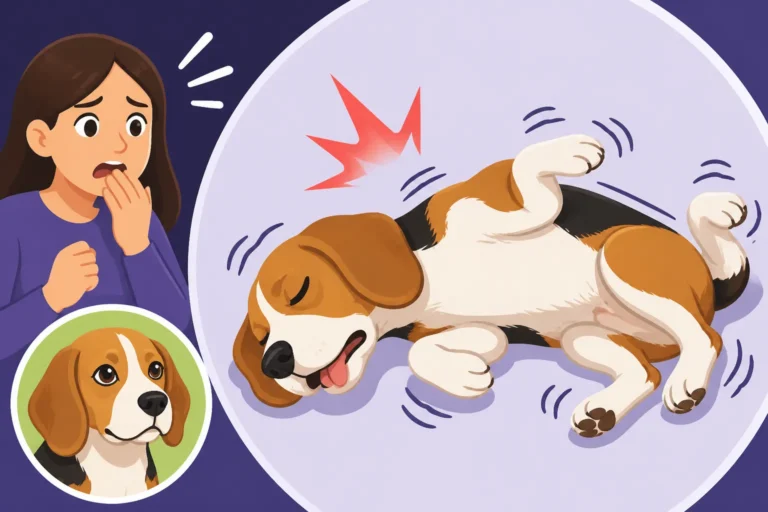
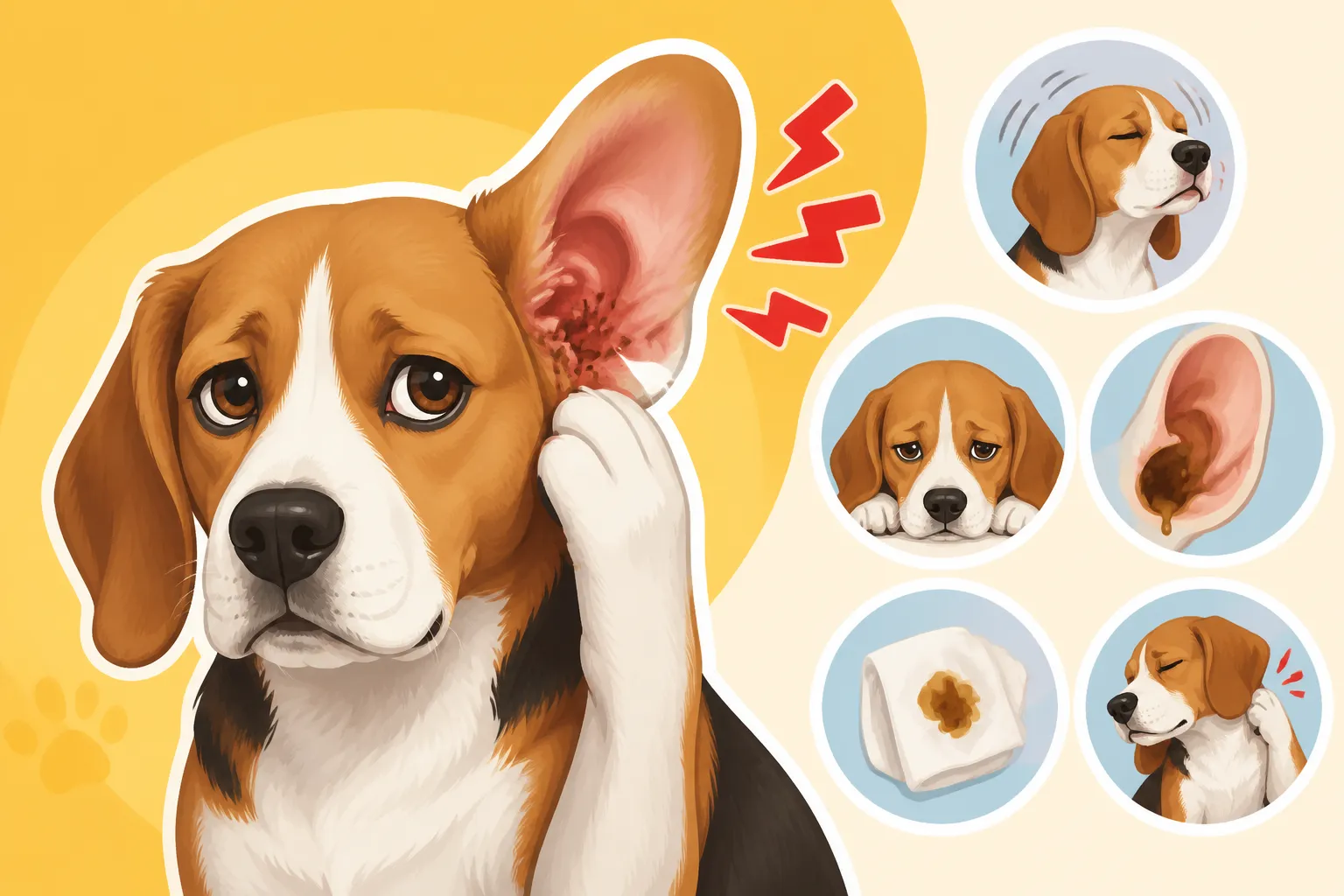
One of the earliest signs of an ear infection is often a subtle shift in your Beagle's behavior. They might start shaking their head a little more frequently than usual. At first, it might just be an occasional shake, almost as if they're trying to dislodge something annoying. But as the irritation grows, the head shaking becomes more persistent, more vigorous, and often more one-sided if only one ear is affected. It's their way of trying to relieve the pressure and itchiness.
Another common giveaway is paw scratching or rubbing the ear against the carpet, furniture, or even your leg. They might constantly rub one side of their face along the ground, trying desperately to reach that irritating itch deep inside. If you try to pet their head or gently touch the affected ear, you might notice them flinch, pull away, or even whine or yelp in pain. This reluctance to let you examine their ears is a huge red flag. Beyond the direct ear discomfort, a Beagle in pain can become generally more irritable, less playful, or even a bit lethargic, as if they're just not feeling themselves.
Visual Cues and Obvious Discomfort
When you manage to take a peek, you’ll likely see some visual evidence of an infection. The most common external sign is redness or swelling around the opening of the ear canal and on the inside of the ear flap itself. It might look inflamed, flushed, and feel warm to the touch. This inflammation is your Beagle's immune system trying to fight off the invaders.
You might also notice a discharge coming from the ear. This can vary in color and consistency depending on the type of infection. It could be a dark brown, waxy gunk (often yeast or mites), a yellowish or greenish pus (typically bacterial), or even a clear, watery fluid in the early stages of irritation. Sometimes, the discharge can dry and form crusting or scabbing around the ear opening, especially if your Beagle has been scratching aggressively. If the scratching continues, you might even see some hair loss around the ear as well. In some cases, if you're lucky and the foreign object isn't too deep, you might even spot a visible foreign object or tiny, moving specs that indicate ear mites. Our guide on "Beagle Ear Infections and the Drooping Ear Flap" provides more insights into these visual indicators.
What You'll Discover When You Look and Smell
Sometimes, the most telling signs of a Beagle ear infection aren't immediately visible from a distance. You might need to get a little closer and use your other senses – namely, your nose! – to truly understand what's going on.
Unpleasant Odors from the Ear Canal
Trust me on this one: if your Beagle has an ear infection, you’ll probably smell it before you see it. The scent can be quite distinct and often unforgettable. A common odor, especially with yeast infections, is a sweetish, yeasty smell. Some people describe it as smelling like stale bread, old socks, or even Fritos corn chips. This distinctive scent is caused by the byproducts of yeast proliferation within the warm, moist ear canal. It might seem subtle at first, but once you recognize it, it's a dead giveaway.
If the infection is bacterial, however, the smell can be much more severe. You might notice a foul, pungent, or even putrid smell emanating from the ear. This can be truly off-putting and indicates a significant bacterial overgrowth or even a secondary infection. The bad smells are often one of the earliest signs that many owners pick up on, often before the redness or heavy discharge becomes overtly visible, and they are always a clear signal that something is wrong.
Discharge and Debris Inside the Ear
Once you gently lift that floppy ear flap, taking care not to cause your Beagle any more pain, you'll want to inspect the inner ear for discharge and debris. This is where you can often gather crucial clues about the nature of the infection. A healthy Beagle ear should be clean, pale pink, and mostly odorless, with minimal wax.
However, with an infection, you might see waxy, dark brown or black discharge. This type of discharge is often associated with ear mites, which produce a characteristic "coffee ground" appearance, or a significant yeast overgrowth. If you see pus-like yellow or green discharge, sometimes thick and creamy, that’s usually a strong indicator of a bacterial infection. You might also find an overall accumulation of dirt, debris, or excessive dark ear wax deep within the canal, which contributes to the problem. It’s important to understand that simply cleaning away the discharge isn't a cure; it's a symptom that needs veterinary diagnosis and treatment. Regular "Cleaning a Beagle Ear Before Infection Starts" can help, but once an infection is present, it's a different ballgame.
When to Call the Vet – Don't Delay!
Ear infections in Beagles aren't something you should try to tackle with home remedies or wait to see if they clear up on their own. Given the anatomy of their ears and the potential for serious complications, prompt veterinary attention is always the best course of action.
Signs That Warrant Immediate Veterinary Attention
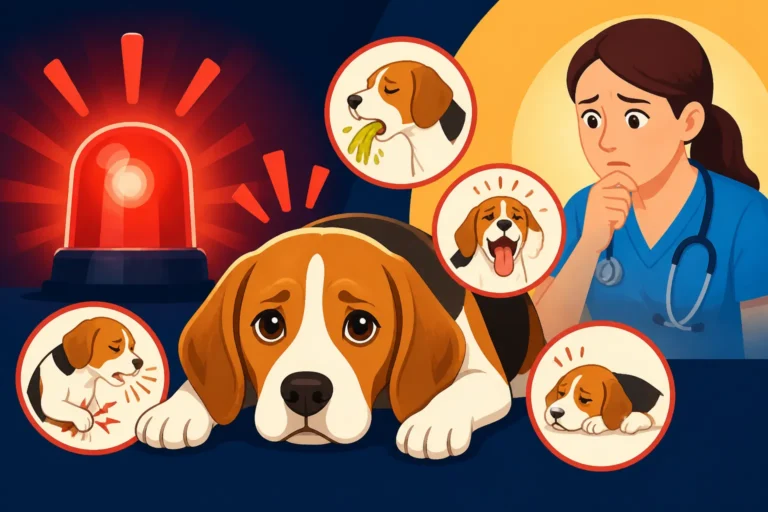
While any suspected ear infection warrants a vet visit, certain signs suggest you shouldn't delay even an hour. If your Beagle is showing severe pain or an aggressive reaction when you try to touch their ear, they're in significant discomfort, and it's time to get them seen. Another critical symptom is head tilting or a loss of balance, which can indicate that the infection has spread from the outer ear to the middle or inner ear. Inner ear infections can affect their vestibular system, responsible for balance, and can become serious quickly.
You should also seek immediate help if you notice a rapid worsening of symptoms, such as increasing discharge, swelling, or pain within a day or two. Any signs of fever or systemic illness—like lethargy, loss of appetite, or general malaise—alongside ear symptoms could mean the infection is affecting their whole body. And, of course, if the discharge is abundant or has an incredibly foul smell, that's a clear indication that a potent infection is taking hold and requires urgent medical intervention. Sometimes, pet insurance providers like Healthy Paws can help cover unexpected vet visits for conditions like these, especially when they're caught early. For more general advice on when to seek urgent care, check out our guide on "Beagle Emergency Signs That Cannot Wait Until Morning."
The Dangers of Untreated Ear Infections
Ignoring a Beagle's ear infection, hoping it will just go away, is a dangerous game. Untreated, a simple ear infection can quickly progress to chronic conditions, meaning recurring infections that are harder to treat and can become a lifelong struggle for your dog and a constant source of frustration and expense for you. The persistent inflammation and infection can lead to damage to the eardrum and even permanent hearing loss if not addressed.
Furthermore, outer ear infections can spread deeper, causing inner ear infections that can lead to neurological issues, severe balance problems, and extreme pain. Another common complication from constant, vigorous head shaking due to pain and itching is an aural hematoma. This happens when blood vessels inside the ear flap rupture, causing the flap to swell up with blood, which often requires surgery to repair. This is painful and costly. This is why a proper diagnosis from a veterinarian is so crucial—they can identify the specific type of bacteria or yeast, rule out mites or foreign bodies, and prescribe the correct medication, ensuring that your Beagle gets the right treatment from the start.
| Symptom / Indicator | Likely Cause(s) | Description |
|---|---|---|
| Head Shaking | All ear issues, especially mites, foreign objects | Frequent, often vigorous, attempts to dislodge irritation. |
| Ear Scratching/Rubbing | All ear issues, especially mites, allergies | Pawing at ear, rubbing face on floor/furniture. |
| Pain/Sensitivity | All ear issues, especially bacterial, severe | Yelping, flinching when ear is touched; reluctance to let you near. |
| Redness/Swelling | Bacterial, Yeast, Allergies | Inflamed skin around ear opening and inside flap. |
| Yeasty Odor | Yeast Infection | Sweet, corn chip-like, or bread-like smell. |
| Foul/Putrid Odor | Bacterial Infection | Strong, unpleasant, often pungent smell. |
| Dark, Waxy Discharge | Yeast, Ear Mites | Brownish-black, sometimes crumbly, resembling coffee grounds (mites). |
| Yellow/Green Discharge | Bacterial Infection | Pus-like, thick, often indicates bacterial overgrowth. |
| Crusting/Scabbing | Severe scratching, bacterial infection | Dried discharge or skin damage from persistent scratching around the ear. |
| Hair Loss | Chronic scratching, inflammation | Sparse fur around the affected ear. |
| Head Tilting | Inner/Middle Ear Infection | Persistent tilt to one side, balance issues. Requires immediate vet attention. |
When you notice these signs, acting quickly is vital. Remember, proactive care, including regular checks and knowing how to perform "The Five Minute Beagle Ear Routine", can make a huge difference, but once symptoms appear, it's best to consult your vet.
Disclaimer
This article is intended for informational purposes only and is not a substitute for professional veterinary advice, diagnosis, or treatment. Always seek the advice of your veterinarian or other qualified animal health provider with any questions you may have regarding a medical condition.