Beagle Hypothyroidism and Sudden Weight Gain
It's incredibly frustrating when your beloved Beagle starts putting on weight, even when you haven't changed their diet or exercise routine. You might be watching their food intake, taking them on regular walks, and yet, the numbers on the scale keep creeping up. It leaves you scratching your head, worried, and wondering if you're doing something wrong. This guide aims to shed light on one common culprit behind unexplained weight gain in Beagles: hypothyroidism, a condition that many Beagle owners encounter.
Understanding Hypothyroidism in Our Beagles
When your lively, perpetually hungry Beagle suddenly seems a bit sluggish and gains weight without reason, it's natural to jump to conclusions about too many treats or not enough walks. But sometimes, the problem lies deeper, within their endocrine system. Hypothyroidism is a relatively common endocrine disorder in dogs, and unfortunately, Beagles are among the breeds that can be genetically predisposed to it. It’s essentially an underactive thyroid gland, meaning it doesn’t produce enough of the crucial hormones needed to regulate your dog’s metabolism.
The Thyroid's Crucial Role in a Beagle's Body
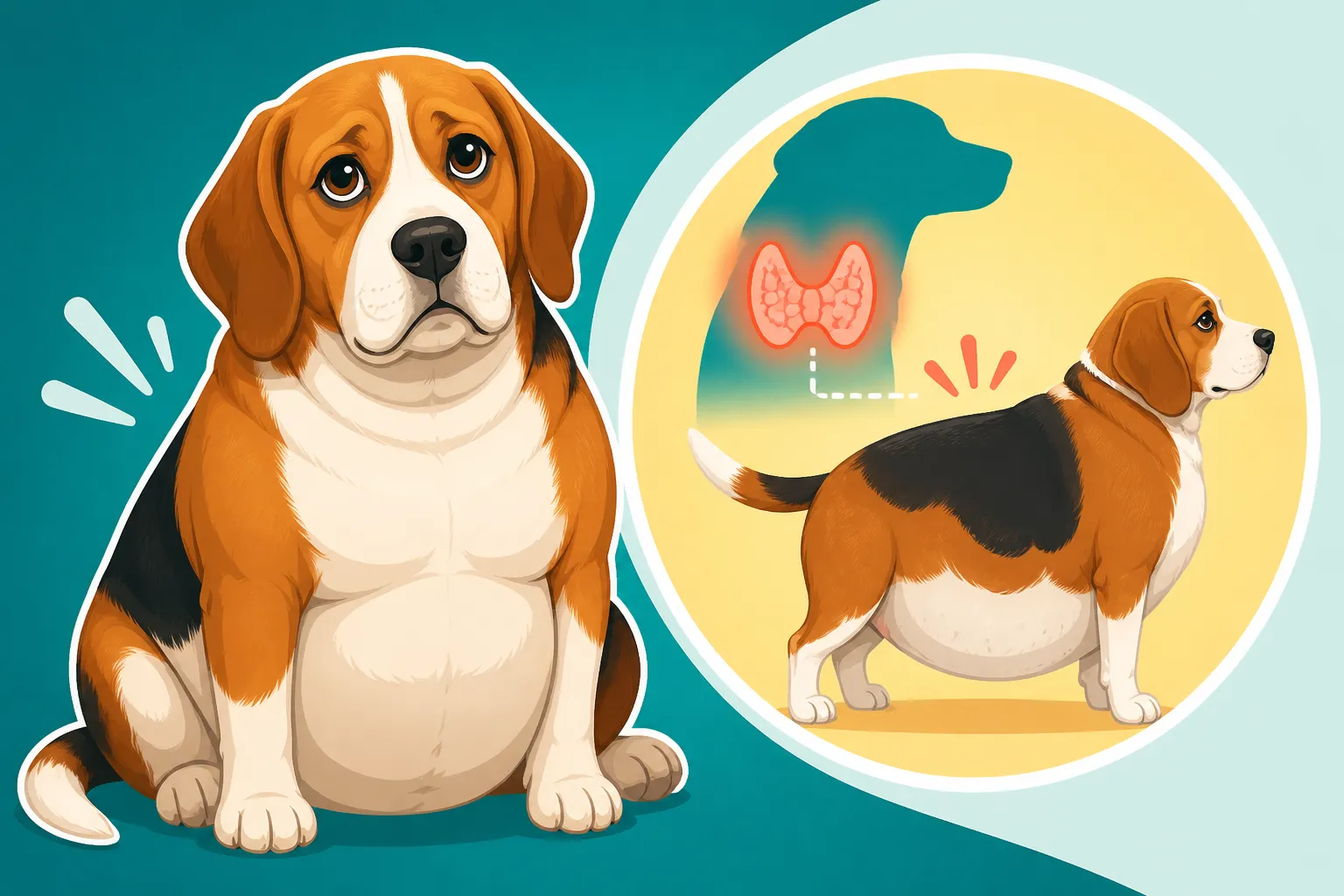
Imagine the thyroid gland as your Beagle's internal thermostat and energy regulator. Located in the neck, this small but mighty gland produces hormones, primarily thyroxine (T4) and triiodothyronine (T3), which are vital for just about every bodily function. These hormones dictate how quickly your Beagle’s body uses energy, influencing everything from their heart rate and digestion to their skin health and body temperature. When the thyroid isn’t pulling its weight, this intricate system goes haywire, slowing down the metabolic rate considerably. This slowdown means calories aren't burned as efficiently, leading directly to that puzzling weight gain you’re observing. It’s not about laziness; it’s about a fundamental biological process being compromised.
Why Beagles Are Prone to This Condition
Beagles, like many purebred dogs, have certain predispositions to specific health conditions, and hypothyroidism is one of them. While it can affect any dog, breeds such as Beagles, Golden Retrievers, Doberman Pinschers, and Great Danes often appear on the list of those with a higher incidence. The exact genetic links are still being researched, but it’s believed that an autoimmune thyroiditis, where the dog's immune system mistakenly attacks and destroys the thyroid gland, is the most common cause. This is usually inherited. It’s not something you could have prevented by feeding a different food or taking more walks; it’s often written in their genetic code. This predisposition means that if you own a Beagle, it’s always wise to be aware of the signs and have a conversation with your vet, especially if you notice changes in their energy levels or body condition. Many responsible breeders will even include information about potential thyroid issues in their lines, or perform genetic testing for other predisposed conditions.
Recognizing the Early Signs Beyond Weight Gain
Sudden weight gain is often the first red flag that sends Beagle owners to the vet, but it's rarely the only symptom of hypothyroidism. This condition affects the entire body, leading to a cascade of changes that can be subtle at first but become more pronounced over time. Understanding these other signs can help you catch the problem earlier and get your beloved hound the help they need. Many owners who notice their Beagle Hypothyroidism Symptoms Owners Notice First are surprised at the variety of issues that can arise.
Weight Gain and Metabolic Slowdown
Let's talk about that frustrating weight gain. In a hypothyroid Beagle, the slowed metabolism means their body isn't burning calories efficiently. Even if your Beagle is eating the same amount of food as always, or even less, their body is holding onto fat stores more readily. It's like trying to run a race with the brakes on – no matter how much effort you put in, you're not going to get far. This isn't just about looking a little pudgy; excessive weight puts additional strain on their joints, heart, and other organs, exacerbating other potential health issues like Beagle Arthritis Arriving in Middle Age or putting extra pressure on their sensitive Beagle Disc Disease and That Slightly Long Back. It's a truly baffling situation for many owners, as their usually active and food-motivated Beagle might seem to gain weight by just looking at food.
Other Common Symptoms of Hypothyroidism
While weight gain often gets our attention, many other symptoms can point to an underactive thyroid.
- Lethargy and Reduced Activity: Your once-exuberant Beagle might become noticeably less energetic. They might sleep more, be less enthusiastic about walks or playtime, and generally seem "slowed down." This isn't just an aging process; it's a profound shift in their internal energy. If you're noticing Beagle Lethargy That Turns Out to Be Thyroid, it's a big indicator.
- Hair Loss and Skin Issues: Hypothyroidism often manifests in the coat and skin. You might see thinning hair, especially symmetrical hair loss on the flanks or tail, often without itching. The remaining coat can become dull, dry, and brittle. Some Beagles might develop "rat tail," where the tail loses most of its hair. Skin can become thickened, flaky, or appear darker (hyperpigmentation), and they might be more prone to skin infections.
- Intolerance to Cold: With a slowed metabolism, your Beagle's body struggles to regulate its temperature. They might seek out warm spots more often, shiver, or simply seem uncomfortable in cooler weather that never bothered them before.
- Behavioral Changes: While less common, some Beagles can show subtle behavioral shifts, becoming more subdued, anxious, or even irritable due to feeling unwell. It's not always a direct symptom, but a general decline in well-being can certainly impact mood.
- Other Less Common Signs: You might also notice a slow heart rate, muscle weakness, or even reproductive problems in intact Beagles.
It's important to remember that these symptoms can also point to other health issues, so a proper veterinary diagnosis is always essential.
Distinguishing Hypothyroidism from Simple Obesity
This is a crucial distinction. Many Beagles are incredibly food-motivated, and it's easy for them to become overweight if their calorie intake isn't carefully managed. Beagle Obesity Treated as a Health Problem is a common concern for the breed. Simple obesity occurs when your Beagle consumes more calories than they burn. Their energy levels might still be high, but their body condition score is clearly showing excess fat. In this case, increasing exercise and meticulously measuring their food portions usually leads to weight loss.
However, with hypothyroidism, the weight gain happens despite seemingly appropriate food intake and exercise. The underlying metabolic problem means their body isn't processing calories correctly. Furthermore, they'll likely exhibit those other tell-tale signs: the lethargy, the dull coat, the cold intolerance. If your Beagle's weight gain is accompanied by a significant drop in energy, poor coat quality, or other odd symptoms, it’s time to suspect something more than just an extra treat.
A quick comparison can help differentiate:
| Symptom | Simple Obesity | Hypothyroidism |
|---|---|---|
| Weight Gain | Often linked to overfeeding/under-exercising | Can occur despite normal/reduced intake |
| Energy Level | May still be active, just less agile due to weight | Noticeable lethargy, reduced enthusiasm |
| Coat/Skin | Usually normal, healthy coat | Dull, dry, brittle hair, symmetrical hair loss, flaky skin |
| Cold Intolerance | Not typically present | Often seeks warmth, shivers in cool temps |
| Appetite | Normal to increased | Can be normal, sometimes reduced due to lethargy |
| Primary Cause | Caloric imbalance | Hormone deficiency from underactive thyroid |
If you're unsure, always consult your veterinarian. They are the best resource for a definitive diagnosis.
Diagnosing and Managing Hypothyroidism
Suspecting hypothyroidism is one thing; getting a definitive diagnosis and starting treatment is another. It can feel like a maze, but with your vet's guidance, it's a very manageable condition. The key is patience and commitment to the lifelong treatment plan. This is where having a good pet insurance plan like Healthy Paws can really make a difference, as chronic conditions often require ongoing medication and frequent vet visits.
The Diagnostic Process
Diagnosing hypothyroidism in Beagles typically involves a thorough physical examination and specific blood tests.
- Physical Exam: Your vet will assess your Beagle's overall condition, looking for classic signs like weight gain, poor coat quality, symmetrical hair loss, and a slow heart rate. They'll ask about changes in appetite, energy levels, and behavior you've observed.
- Blood Work (Thyroid Panel): This is the definitive step. A standard thyroid panel will typically measure:
- Total T4 (TT4): This measures the total amount of thyroxine circulating in the blood. A low TT4 is a strong indicator, but other factors like illness or certain medications can also lower it, making it not always a standalone diagnostic.
- Free T4 (fT4): This measures the amount of unbound, biologically active thyroxine. It's often considered a more accurate indicator than TT4 because it's less affected by non-thyroidal illnesses.
- Thyroid-Stimulating Hormone (TSH): This hormone, produced by the pituitary gland, tells the thyroid to make more T4 and T3. In a hypothyroid dog, the pituitary often works overtime trying to stimulate a failing thyroid, so TSH levels might be high.
- Thyroid Autoantibodies (TgAA): These tests check for antibodies that attack the thyroid gland, indicating the autoimmune form of the disease. This can be particularly useful in Beagles.
Your vet might recommend a fasting blood draw for accuracy. Sometimes, if the initial results are borderline or if your Beagle is on medications that can interfere with thyroid results (like steroids), a retest or additional specialized tests might be necessary. Thyroid Testing a Beagle at Twenty-Four Months is a good point for a baseline check if you are getting a Beagle puppy from a breeder.
Lifelong Medication and Monitoring
The good news is that hypothyroidism is highly treatable! The primary treatment involves lifelong hormone replacement therapy with synthetic levothyroxine, a medication that replaces the missing thyroid hormones.
- Dosage and Administration: Your vet will prescribe an initial dosage based on your Beagle's weight and condition. This medication is usually given once or twice daily, typically orally. It's crucial to give it consistently at the same time each day, preferably on an empty stomach (or at least a few hours away from meals) for optimal absorption.
- Side Effects: Levothyroxine is generally very safe, but too high a dose can lead to hyperthyroidism symptoms like restlessness, panting, increased thirst, and weight loss. This is why careful monitoring is essential.
- Follow-up Blood Work: After starting medication, your Beagle will need follow-up blood tests, usually within 4-8 weeks, to ensure the dosage is correct. These tests measure the T4 levels to see if they're within the normal range. Once a stable dose is found, annual or semi-annual monitoring will be required. These ongoing tests and medications are exactly the kind of expenses that pet insurance like Healthy Paws can help alleviate, especially since it's a lifelong condition. Knowing What Happens If a Beagle Stops Thyroid Medication is vital – consistency is key!
Nutritional and Lifestyle Support
While medication is the cornerstone of treatment, diet and lifestyle play a significant supporting role, especially in managing the weight gain that often accompanies hypothyroidism.
- Diet Adjustments: Once on medication, your Beagle's metabolism will start to normalize, and they should begin to lose the excess weight. However, they may still need a carefully controlled diet. Work with your vet to determine the appropriate calorie intake for their ideal weight. Often, a high-quality, balanced dog food with a moderate calorie count is recommended. Avoid free-feeding, and measure every meal precisely. The Daily Calorie Target for a Twenty Pound Beagle will vary depending on their activity level and size.
- Consistent Exercise: Even with medication, consistent, appropriate exercise is vital. Beagles need activity for their physical and mental well-being. Regular walks, sniffari opportunities, and playtime will help burn calories and keep them fit. Remember, your Beagle’s energy levels should improve significantly with treatment, making exercise more enjoyable for both of you.
- Managing Co-existing Conditions: If your Beagle developed conditions like arthritis due to excess weight before diagnosis, you'll need to continue managing those. Supplements for joint health, comfortable bedding, and gentle exercise can all contribute to their overall comfort and well-being. Beagle Obesity and the Diseases It Brings On reminds us how crucial weight management is.
Living with a Hypothyroid Beagle
Discovering your Beagle has hypothyroidism can feel overwhelming at first, but with proper management, they can live a full, happy, and healthy life. It becomes a routine, much like managing your own health. The key is diligence, observation, and a strong partnership with your veterinarian.
Monitoring Progress and Adjusting Care
Once your Beagle starts treatment, you'll likely see improvements within a few weeks. Their energy levels should pick up, their coat quality will start to improve, and that stubborn weight will begin to come off.
- Keep a Detailed Log: It's incredibly helpful to keep a seizure diary, but here, it's a symptom diary. Note down your Beagle’s energy levels, appetite, bathroom habits, and any changes in their coat or skin. Track their weight weekly. This information is invaluable for your vet to gauge the effectiveness of the medication and make any necessary adjustments. This log is also a great tool to share with your insurance provider, like Healthy Paws, should you need to file claims for medication or follow-up visits, showing clear adherence to treatment.
- Observe Physical Changes: Pay close attention to their coat. As the treatment takes effect, you should see new hair growth, and the coat should become softer and shinier. Their skin should also improve, becoming less flaky or thick.
- Weight Management: Continue to monitor their weight. Your vet can help you establish Safe Weekly Weight Loss for an Overweight Beagle to ensure it's healthy and sustainable. Achieving and maintaining an ideal weight is a critical part of long-term management. Remember, Why a Neutered Beagle Needs Fewer Calories as well, so factor that into their diet if they are spayed or neutered.
Preventing Complications and Ensuring Quality of Life
Long-term management of hypothyroidism is all about consistency and prevention.
- Adherence to Treatment: Never skip doses of levothyroxine, and don't change the dosage without consulting your vet. This medication provides essential hormones that your Beagle's body can't produce itself, so consistency is paramount.
- Regular Vet Visits: Even after your Beagle is stable, regular check-ups are important. Your vet will want to monitor their thyroid levels periodically to ensure the medication dosage is still appropriate, especially as they age or if other health issues arise. Beagle Vet Visit Frequency After the Age of Ten will naturally increase, so integrating thyroid checks into these visits makes sense.
- Holistic Well-being: Remember that treating hypothyroidism is just one part of ensuring your Beagle's overall quality of life. Continue to provide a balanced diet, adequate exercise, mental stimulation, and plenty of love and attention. Their improved energy and health will allow them to enjoy all the wonderful Beagle activities they once loved, whether it's long sniff walks or chasing squirrels in the yard. With proper care, a Beagle with hypothyroidism can truly thrive.
Disclaimer
This article is intended for informational purposes only and does not constitute veterinary advice. Always consult with a qualified veterinarian for any health concerns or before making any decisions about your Beagle's medical care or treatment.