What Happens If a Beagle Stops Thyroid Medication
It’s a situation many of us Beagle parents find ourselves wondering about, perhaps out of curiosity, or sometimes, out of a genuine moment of forgetfulness or even desperation. You’ve got your sweet, scent-driven companion on a daily thyroid medication for hypothyroidism, and maybe you’ve wondered what would happen if that routine suddenly stopped. This guide is here to walk you through exactly what can transpire, both in the short and long term, if your Beagle’s crucial thyroid medication is ever interrupted.
Understanding Hypothyroidism in Beagles and Why Consistency Matters
Let’s be honest, getting a diagnosis of a lifelong condition like hypothyroidism for your beloved Beagle can be a lot to process. It means daily medication, ongoing vet visits, and a commitment to their well-being for the rest of their years. But understanding why that medication is so vital is the first step in appreciating the impact of stopping it.
Hypothyroidism in Beagles, much like in people, is a condition where their thyroid gland simply doesn't produce enough thyroid hormone. These hormones are absolutely critical for regulating metabolism across the entire body. Think of thyroid hormones as the little engines that keep everything running smoothly – from energy levels and body temperature to skin health, heart rate, and even brain function. Without enough of them, these systems start to slow down.
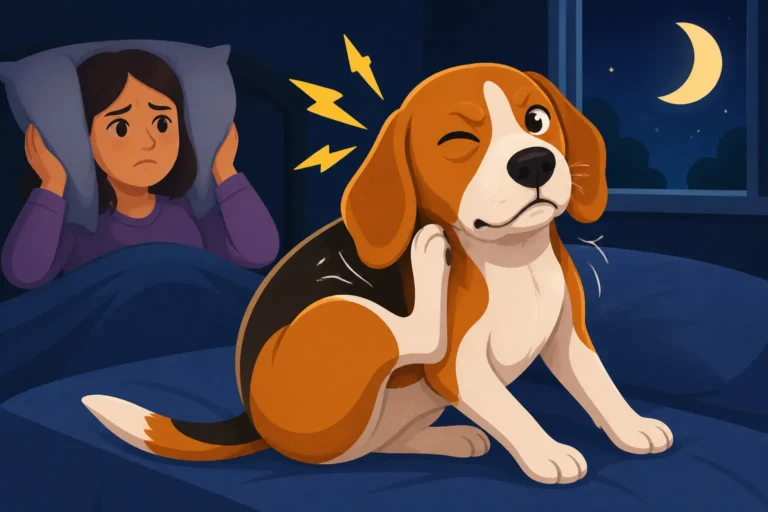
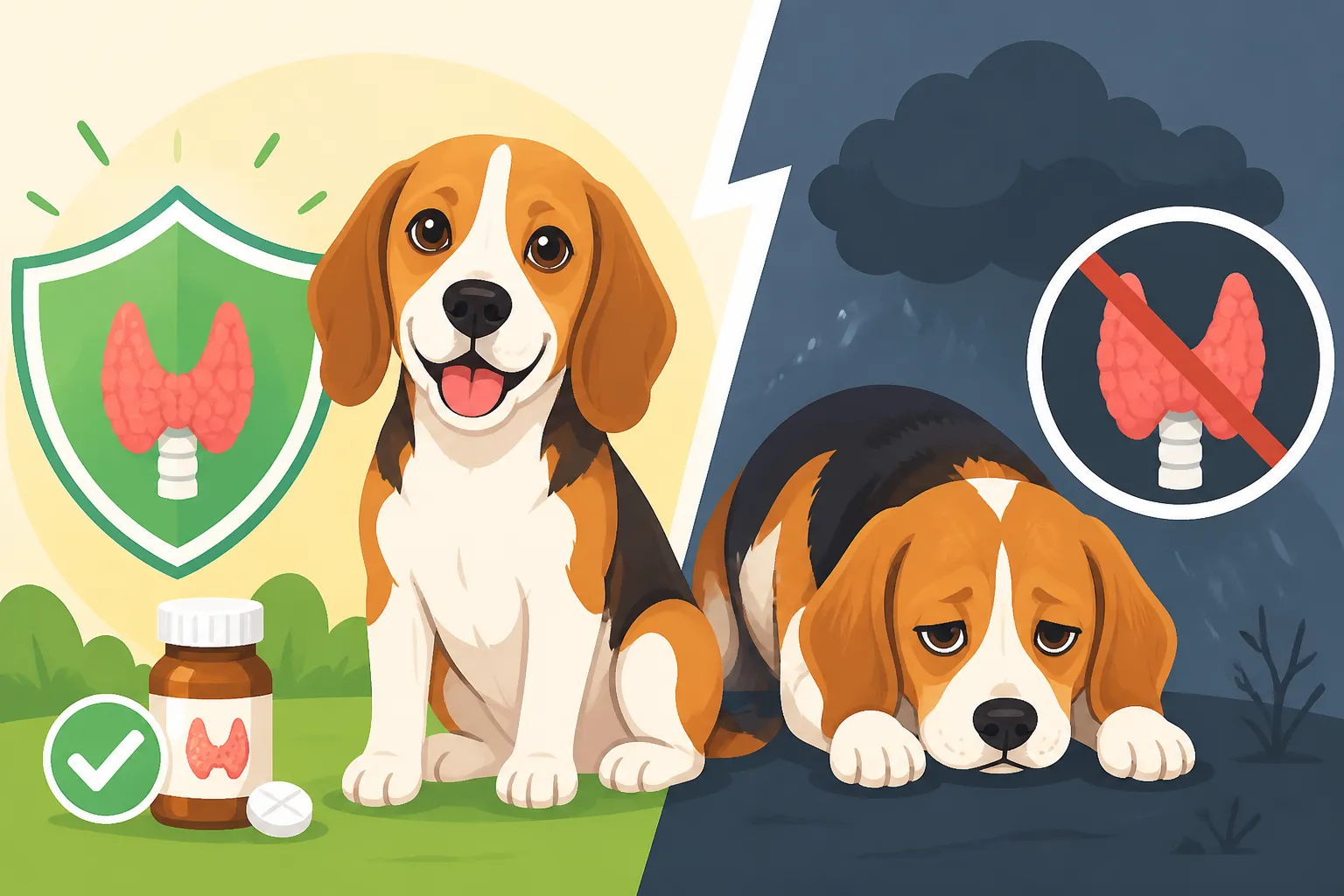
Many owners first notice Beagle Hypothyroidism Symptoms Owners Notice First like a sudden, unexplained weight gain, even if their Beagle’s diet hasn't changed. They might seem more lethargic, less interested in walks or playtime, and just generally "slowed down." Then there are the physical changes: a dull, brittle coat, excessive shedding, and even Beagle Hair Loss Traced Back to the Thyroid. Some Beagles might develop skin infections that just won’t clear up, or they become noticeably colder, always seeking out warm spots to nap. When these symptoms are finally traced back to an underactive thyroid through specific blood tests, usually around the age of two or older (though it can happen younger), the treatment is straightforward: daily replacement therapy with a synthetic thyroid hormone, often levothyroxine. This medication isn't a cure; it's a replacement for what their body isn't producing naturally. It acts just like the thyroid hormone your Beagle should be making, allowing their metabolism to normalize and those frustrating symptoms to recede.
The Immediate and Gradual Repercussions of Stopping Thyroid Medication
Now, let's get into the nitty-gritty of what happens if that daily dose of levothyroxine suddenly stops. It's not like flipping a switch where all symptoms instantly reappear, but rather a cascade of effects that can become quite serious over time.
The Return of Low Energy and Behavioral Shifts
One of the first things you'll likely notice is a subtle, yet significant, shift in your Beagle's energy levels. Remember when they were diagnosed and seemed to have lost their spark? That Beagle Lethargy That Turns Out to Be Thyroid will start to creep back. Initially, it might just be that they're a little slower to get up in the morning, or they don't seem as enthusiastic about their walk. They might become less playful, spending more time napping or simply lying around.
Their once bright, alert demeanor can give way to a mental dullness. They might not react as quickly to your calls, seem less interested in their environment, or even appear a bit confused at times. Their typical Beagle zest for life, chasing scents and exploring every nook and cranny, will diminish. This isn't just about them being "lazy"; it's a direct consequence of their body’s systems slowing down without the necessary metabolic boost from thyroid hormones. Their brain and muscles simply aren't getting the metabolic support they need to function optimally.
Worsening Physical Symptoms and Potential Complications
As days turn into weeks without medication, the physical symptoms that initially led to the diagnosis will not only return but often intensify. This is where things can become truly concerning for your Beagle's health and comfort.
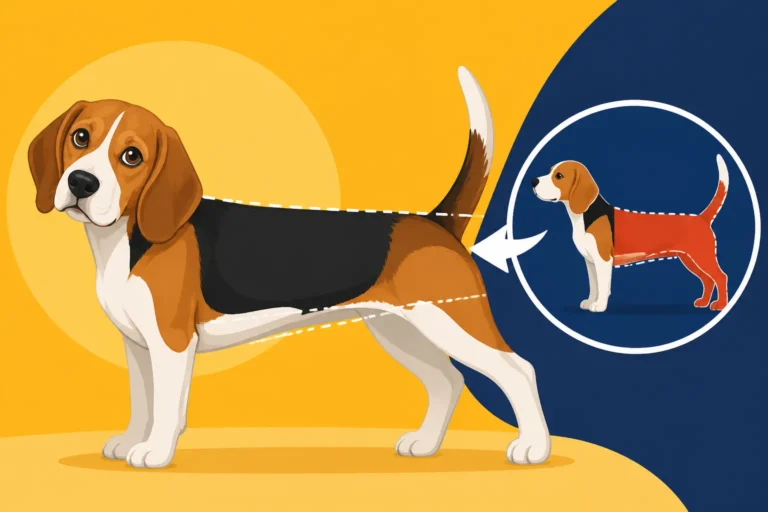
First, that insidious weight gain will resume, or even accelerate. Without the hormone to regulate their metabolism, their body stores more fat, and it becomes incredibly difficult to manage their weight. This isn't just cosmetic; Beagle Obesity Treated as a Health Problem puts extra strain on their joints, heart, and other organs, increasing the risk of other health issues like arthritis or diabetes. Their coat, which likely improved with medication, will become dry, brittle, and sparse again, often with significant hair loss, particularly on their flanks and tail. The skin itself can become flaky, greasy, and prone to secondary infections from yeast or bacteria. You might even notice the skin thickening, a condition called myxedema, giving them a puffy, tragic expression around the eyes and face.
The table below illustrates the typical progression of symptoms returning once thyroid medication is stopped:
| Timeframe After Stopping Medication | Common Symptoms Observed | Severity |
|---|---|---|
| 1-2 Weeks | Subtle lethargy, decreased interest in play, slight weight gain | Mild |
| 2-4 Weeks | More noticeable fatigue, increased sleeping, dull coat, minor hair loss, seeking warm spots | Moderate |
| 1-3 Months | Significant lethargy, clear weight gain, extensive hair loss, dry/flaky skin, mental dullness, cold intolerance | Severe |
| 3+ Months | All previous symptoms worsened, potential skin infections, thickening of skin (myxedema), slow heart rate, neurological signs (rare but possible), potential for myxedema coma | Critical |
Beyond these visible signs, the internal systems are also struggling. Your Beagle's heart rate might slow down, potentially leading to cardiac issues over time. In rare, severe cases, prolonged untreated hypothyroidism can even lead to a life-threatening condition called myxedema coma, characterized by extreme lethargy, low body temperature, a slow heart rate, and mental depression. This is an emergency requiring immediate veterinary intervention. It's a stark reminder that this medication isn't just about comfort; it's about maintaining vital bodily functions.
The Risks of Unsupervised Medication Changes and Why Vet Consultation is Paramount
It's completely understandable why a Beagle owner might contemplate stopping thyroid medication. Perhaps finances are tight, and you're struggling with Beagle Medical Costs for Epilepsy and Thyroid Disease for various conditions. Maybe your Beagle seems so much better, and you think they're "cured," or you've simply forgotten a few doses and the routine has been broken. These are real-life challenges, and it's easy to fall into the trap of thinking, "What's the harm?"
However, the truth is, stopping or even significantly altering your Beagle's thyroid medication without your veterinarian's explicit guidance is incredibly risky. Hypothyroidism is, for almost all Beagles, a lifelong condition. It's not something they grow out of, nor does the thyroid gland suddenly start producing hormones again. The medication provides a steady supply of what their body lacks, and removing that supply inevitably leads to a return of the deficiency.
Thinking your Beagle is "cured" because they're doing so well is a common misconception, but it's crucial to remember that their improved health is because of the medication, not a sign they no longer need it. It’s like a diabetic person feeling well because they take insulin; stopping it would be disastrous.
Cost is another very real concern for many pet parents. Lifelong medication adds up, and it can feel overwhelming. This is where resources like pet insurance can truly be a lifesaver. Companies like Healthy Paws offer various plans that can cover a significant portion of chronic condition costs, including the ongoing expense of thyroid medication and the necessary follow-up blood tests. By having a plan with Healthy Paws or similar providers, you can alleviate some of that financial pressure and ensure your Beagle receives consistent, uninterrupted care without having to choose between their health and your budget. It’s a proactive step that can make all the difference in managing a long-term condition.
Regular monitoring is also a non-negotiable part of managing hypothyroidism. Your vet will recommend periodic blood tests, often every six to twelve months after stabilization, to ensure the dosage is still correct. Thyroid hormone levels can fluctuate due to various factors, including other medications, underlying health issues, or simply changes in your Beagle's metabolism as they age. Adjusting the dosage is a delicate balance, and only your veterinarian has the expertise to interpret these blood test results and make informed decisions. Stopping medication removes any baseline for these tests and makes it much harder to get your Beagle back to a stable, healthy state.
If you ever suspect your Beagle is experiencing side effects from their medication, or if you believe the dosage might be off, the correct action is always to contact your veterinarian immediately. They can assess the situation, possibly adjust the dosage, or recommend alternative solutions. Never take it upon yourself to make these critical health decisions.
Restarting Medication and Managing Long-Term Hypothyroidism
If, for whatever reason, your Beagle's thyroid medication has been stopped, the good news is that restarting it can bring them back to health. However, it's not as simple as just picking up where you left off.
The very first step is to schedule an immediate vet visit. Your veterinarian will need to assess your Beagle's current condition, which may involve a thorough physical examination and, almost certainly, blood work to check their current thyroid hormone levels. Because their body has been without the synthetic hormone, their levels will likely be very low. Your vet may decide to start with a slightly higher initial dose to get their levels back into a therapeutic range more quickly, or they might re-establish the previous dose, depending on the severity of the symptoms and the time elapsed. The journey back to optimal health might take a little longer than when they first started medication, as their body readjusts and repairs some of the damage caused by the hormone deficiency.
Consistency truly is the golden rule when it comes to managing hypothyroidism. Finding a routine that works for both you and your Beagle is key to ensuring they get their medication every single day. Many owners find success by administering the pill at the same time each day, perhaps with a meal or as a special treat using a pill pocket. Some Beagles are quite food-motivated (no surprise there!), so simply tucking the pill into a small piece of cheese or peanut butter can do the trick. If you find yourself frequently forgetting, set a daily alarm on your phone or integrate it into an existing daily habit, like brushing your teeth or preparing their breakfast.
Long-term management of hypothyroidism in Beagles also involves regular follow-up appointments with your vet. These appointments are crucial for monitoring their progress, checking their thyroid levels, and adjusting medication as needed. It's also an opportunity to discuss any new symptoms or concerns you might have. You can learn more about the ongoing financial commitment in our guide on Beagle Thyroid Medication Paid for Life. Remember, a stable Beagle on appropriate medication can lead a full, active, and happy life, sniffing out all the adventures the world has to offer, and often enjoying a normal Beagle Lifespan and the Twelve to Fifteen Year Range. Staying diligent with their care is the best way to support them.
Disclaimer
This article is for general informational purposes only and does not constitute professional advice. Laws, prices and regulations vary by location and change over time. Consult a qualified professional for guidance on your specific situation.