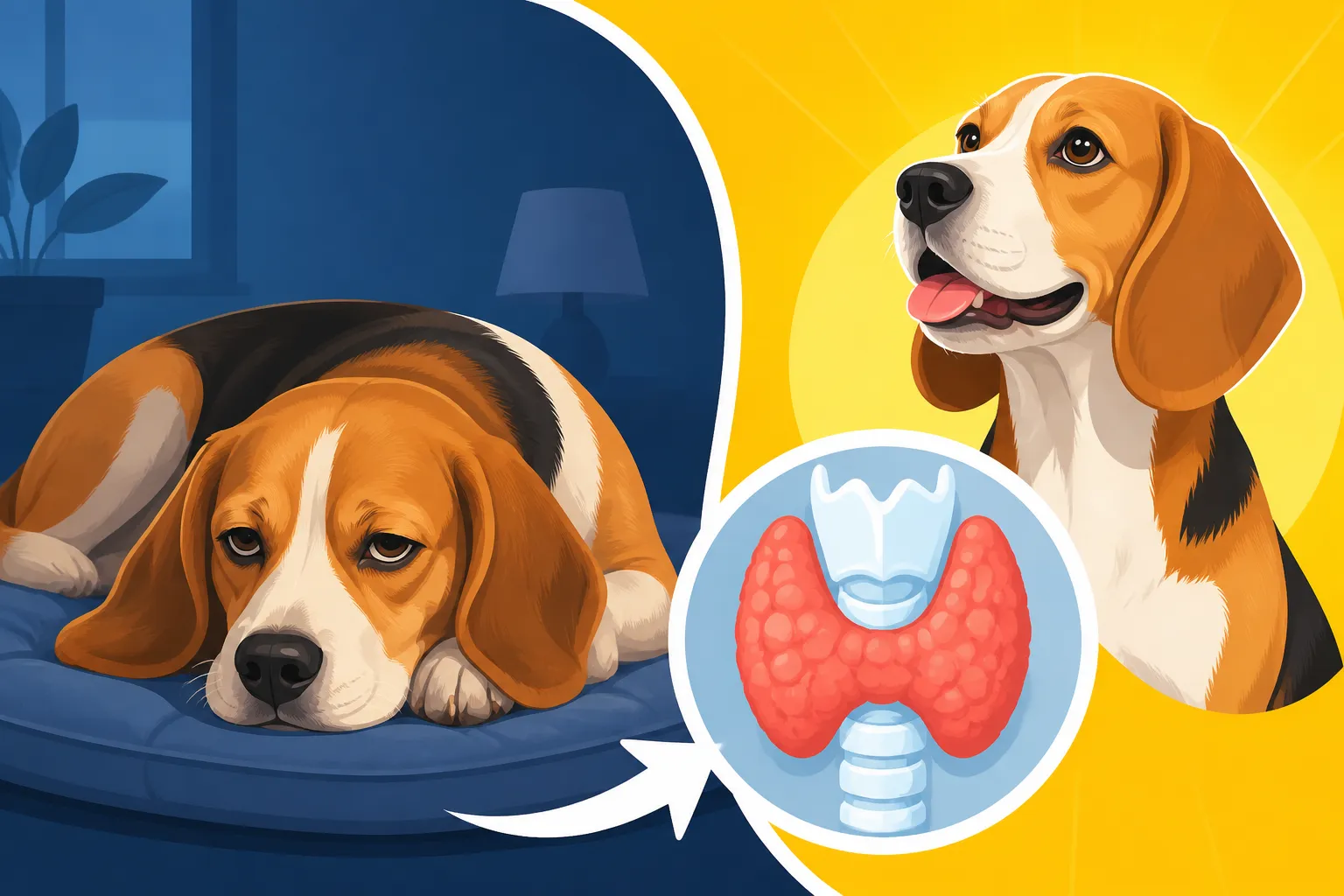
Beagle Lethargy That Turns Out to Be Thyroid
It’s incredibly disheartening and often downright puzzling when your once-bouncy, ever-curious Beagle suddenly seems to have lost its signature zest for life. That usual boundless energy, the nose-to-the-ground enthusiasm for every walk, and the joyful greetings might start to wane, leaving you wondering if it’s just age, or something more serious. This guide is here to walk you through understanding why that puzzling lethargy might be linked to a common, yet often overlooked, condition: hypothyroidism.
Recognizing the Subtle Signs of Beagle Lethargy
Beagles are renowned for their energetic, merry dispositions. They’re hounds, built for long days tracking scents, and even our beloved house pets typically maintain a robust activity level well into their middle years. So, when that usual spark starts to dim, it’s not just a minor shift; it’s a red flag that something deeper might be going on, something that warrants careful attention from us as their dedicated owners. It’s easy to dismiss early signs, especially if they’re gradual, but a keen eye can make all the difference.
When "Tired" Becomes "Troubling"
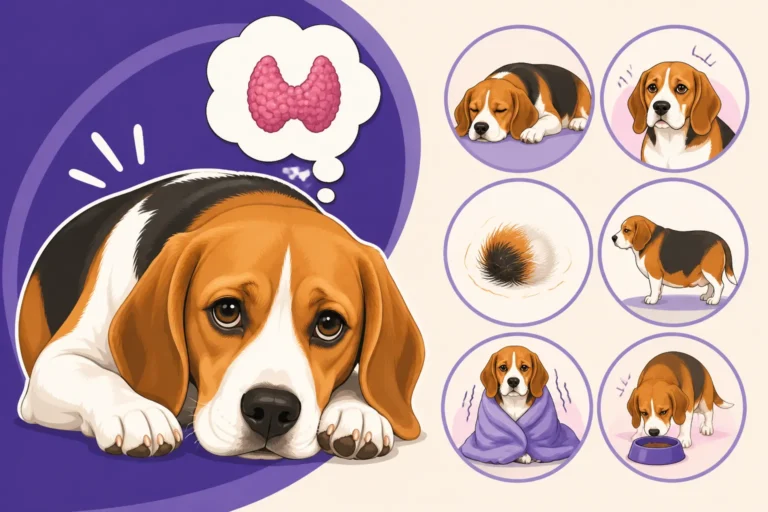
Initially, your Beagle’s lethargy might manifest as simply needing more naps than usual, or perhaps not being quite as enthusiastic to chase a squirrel in the backyard. You might find them choosing to lounge on the couch instead of trotting excitedly to the door for their walk. This isn't just "being tired"; it's a profound shift in their baseline energy. A healthy Beagle, even an older one, typically still shows interest in their environment and activities, albeit at a slower pace.
However, troubling lethargy goes beyond a casual nap. It's when your Beagle struggles to get up, moves more slowly and deliberately, or shows a marked decrease in stamina during playtime or walks. Perhaps they lag behind you, needing encouragement, or seem genuinely winded after minimal exertion. This can be especially concerning if your Beagle is still relatively young, say, under the age of seven or eight, where such a dramatic slowdown isn't typical. It’s a gut feeling you get when you realize your dog isn't just winding down for the day, but winding down indefinitely.
Other Behavioral Shifts to Watch For
Lethargy in Beagles, particularly when linked to a thyroid issue, rarely presents in isolation. You’ll often notice a constellation of other subtle, and sometimes not-so-subtle, behavioral and physical changes that accompany the reduced energy. These might include a general dullness in their demeanor, a lack of their usual "merry" Beagle expression, or a reduced interest in things they once loved, like playing with toys or interacting with family members. They might seem less engaged, almost withdrawn.
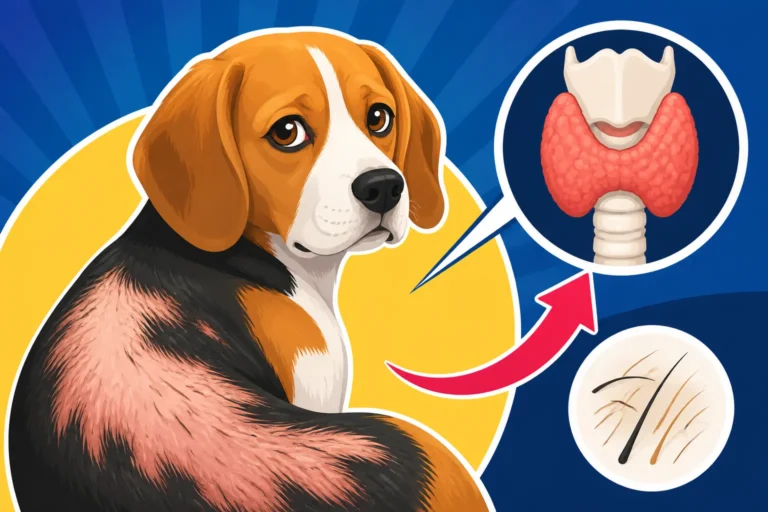
Beyond these behavioral cues, you might observe physical changes as well. One common symptom is unexplained weight gain, even if their diet hasn't changed. This is because a sluggish metabolism can lead to calories being stored more readily as fat. You might also notice changes in their coat, perhaps it becomes dry, brittle, or starts thinning, especially on their flanks or tail. Sometimes, the skin can also become dry, flaky, or even greasy, leading to increased itching or recurring skin infections. These combined symptoms paint a clearer picture that something internal is impacting your Beagle’s overall well-being.
The Connection Between Thyroid Function and Energy Levels in Beagles
Understanding how the thyroid gland works, and specifically why it can malfunction in Beagles, is key to deciphering the mystery behind their sudden lethargy. It’s not just about a single hormone; it’s about a finely tuned system that, when disrupted, can throw the entire body off balance, with energy levels being one of the first casualties. Our Beagles rely on this tiny gland for so much more than we often realize.
Understanding Hypothyroidism in Beagles
Hypothyroidism is a condition where the thyroid gland, located in the neck, doesn't produce enough thyroid hormones. These hormones, primarily T3 and T4, are absolutely crucial for regulating metabolism in every cell of the body. Think of them as the master regulators of your Beagle's internal engine. When these hormone levels drop, the body's metabolic rate slows down, affecting everything from heart rate and body temperature to skin health and, critically, energy production.
Beagles are actually considered to be a breed at a higher risk for developing hypothyroidism, often due to an autoimmune condition called lymphocytic thyroiditis. In this scenario, the dog's own immune system mistakenly attacks and destroys the thyroid gland over time. Other causes can include idiopathic thyroid atrophy, where the gland simply shrinks and stops functioning for unknown reasons. This predisposition means that if you own a Beagle, recognizing the signs of Beagle Hypothyroidism Symptoms Owners Notice First is particularly important, as this condition is not uncommon in the breed. It usually manifests in middle-aged dogs, typically between two and seven years old, but can occur at any age.
How a Sluggish Thyroid Leads to a Sluggish Beagle
The physiological link between insufficient thyroid hormones and lethargy is direct and profound. Because thyroid hormones govern metabolic rate, a deficiency means that the body isn't converting food into energy efficiently. It's like having a car with a partially blocked fuel line; it still runs, but it's sluggish, inefficient, and prone to stalling. Cells throughout the body receive less energy, leading to a systemic slowdown.
This metabolic slowdown affects your Beagle in several ways that contribute to lethargy:
- Reduced Cellular Energy Production: Cells don't produce ATP (the body's energy currency) as effectively, resulting in less energy available for muscle function, brain activity, and even basic bodily processes.
- Lower Body Temperature: Hypothyroid dogs often have a slightly lower body temperature, making them more sensitive to cold and generally less inclined to move.
- Muscle Weakness: Chronic low energy can lead to muscle weakness and fatigue, making even simple activities feel like a chore.
- Mental Dullness: Beyond physical lethargy, dogs with hypothyroidism can also exhibit mental dullness, appearing less alert, less responsive, and generally less engaged with their surroundings. They might seem to just "zone out" more often.
This combination of physical and mental slowdown means your usually vibrant Beagle becomes demonstrably sluggish.
Why it's Often Missed or Misdiagnosed
One of the most frustrating aspects of hypothyroidism is how easily its symptoms can be missed or attributed to other, less specific issues. Owners might initially think their Beagle is just getting older, especially if the changes are gradual. "Oh, he's just slowing down a bit," is a common, understandable thought. However, true senior changes often still involve periods of engagement, whereas hypothyroid lethargy can be pervasive. If you're wondering how to differentiate, consider reading about Senior Beagle Care After the Age of Ten for context.
Vets, too, can sometimes face challenges. The initial signs of lethargy, weight gain, or a dull coat can mimic other conditions like arthritis, other metabolic disorders, or simply generalized aging. Without specific testing, it’s easy to chase symptoms rather than the root cause. This is why it’s so important to communicate all observed changes, no matter how minor, to your veterinarian. Providing a comprehensive history, including any changes in appetite, activity, coat quality, or behavior, is crucial for guiding your vet toward the correct diagnostic path. A good vet will consider a wide range of possibilities, but an informed owner can help narrow the focus significantly.
Diagnosing and Managing Beagle Hypothyroidism
The moment you suspect your Beagle’s lethargy, weight gain, or coat changes might be more than just "getting older," it's time to act. A definitive diagnosis is the first crucial step, followed by consistent, lifelong management that can dramatically improve your beloved companion’s quality of life. Don’t hesitate to reach out to your vet; early intervention truly makes a difference.
The Diagnostic Journey: What to Expect at the Vet
When you bring your Beagle in with concerns about lethargy and other related symptoms, your veterinarian will start with a thorough physical examination. They’ll feel your dog’s thyroid gland (though it’s usually not palpable unless enlarged), check their weight, listen to their heart, and examine their coat and skin. They’ll also ask you detailed questions about the onset of symptoms, any changes in appetite or thirst, and your Beagle’s typical daily routine. This comprehensive history is invaluable.
The definitive diagnosis of hypothyroidism relies on blood tests. The most common screening tests include:
- Total T4 (TT4): Measures the total amount of thyroid hormone circulating in the blood. A low TT4 is a strong indicator, but can be affected by other illnesses or medications.
- Free T4 (fT4): Measures the amount of unbound, biologically active thyroid hormone. This is often a more accurate indicator than TT4 as it's less affected by non-thyroidal illnesses.
- Thyroid Stimulating Hormone (TSH): This hormone, produced by the pituitary gland, tells the thyroid to make more T4. In hypothyroid dogs, the TSH level is usually high because the pituitary is working overtime to try and stimulate a failing thyroid.
- Thyroid Autoantibodies (TgAA): These tests look for antibodies that indicate an autoimmune attack on the thyroid gland. Their presence confirms autoimmune lymphocytic thyroiditis.
Your vet might also recommend a complete blood count (CBC) and a biochemistry panel to rule out other conditions and assess overall organ function. Remember that the timing of a Thyroid Testing a Beagle at Twenty-Four Months can be important, as younger dogs might present with different baseline levels. Many owners find that investing in pet insurance, like plans from Healthy Paws, helps cushion the financial impact of these diagnostic tests and the subsequent ongoing medication costs.
Lifelong Management and Medication
Once hypothyroidism is definitively diagnosed, the good news is that it’s a highly manageable condition. The primary treatment involves lifelong supplementation with a synthetic thyroid hormone, typically levothyroxine (L-thyroxine). This medication effectively replaces the hormones your Beagle's body isn't producing. It usually comes in tablet form and is given orally, once or twice a day.
The initial dosage is carefully calculated based on your Beagle’s weight and the severity of their condition. Your vet will then schedule follow-up blood tests, usually 4-8 weeks after starting medication, to ensure the dosage is correct and that the thyroid hormone levels are within the normal therapeutic range. These recheck tests are crucial; dosage adjustments are very common in the beginning. It's incredibly important to administer the medication consistently, at the same time each day, usually on an empty stomach to optimize absorption. Skipping doses or inconsistent timing can hinder recovery and make it harder to stabilize hormone levels. You can learn more about this by researching What Happens If a Beagle Stops Thyroid Medication.
Prognosis and Quality of Life Improvements
The prognosis for Beagles with hypothyroidism is excellent, provided they receive consistent and appropriate treatment. Most dogs show remarkable improvement in their symptoms within a few weeks to a couple of months of starting levothyroxine. You should begin to notice your Beagle’s energy levels returning, their coat improving, and their weight stabilizing. That dull, lethargic demeanor often melts away, replaced by their familiar, merry Beagle spirit.
With proper management, a hypothyroid Beagle can live a full, happy, and long life with an excellent quality of life. Regular veterinary check-ups, typically every 6-12 months once stable, will be necessary to monitor their thyroid levels and make any needed dosage adjustments. These routine tests are essential because thyroid hormone needs can change over time. Many owners, knowing the long-term nature of this condition, appreciate the financial support that pet insurance providers like Healthy Paws can offer, covering a significant portion of these recurring vet visits and medication refills. This peace of mind allows them to focus fully on their Beagle's health.
Holistic Care and Long-Term Well-being for a Hypothyroid Beagle
While medication is the cornerstone of treating hypothyroidism, a holistic approach that includes appropriate diet, tailored exercise, and vigilant overall health monitoring can further enhance your Beagle's long-term well-being. It’s about creating an environment that supports optimal health, helping your dog thrive even with a chronic condition.
Dietary Considerations for Energy and Weight
Given that hypothyroidism often leads to weight gain and a sluggish metabolism, diet plays a critical role in managing a hypothyroid Beagle. It’s essential to feed a high-quality, balanced diet that supports a healthy weight without excessive calories. Your veterinarian might recommend a specific dog food formulation, especially if your Beagle has already gained a significant amount of weight. Portion control becomes paramount; free-feeding is definitely out of the question for a Beagle, especially one prone to weight gain.
Consider measuring your Beagle's food by weight rather than cups for accuracy, and adhere strictly to the recommended daily calorie intake for their ideal body weight, not their current weight. High-fiber options can sometimes help your Beagle feel full on fewer calories, while lean protein sources support muscle maintenance. Avoid excessive treats, or opt for low-calorie, healthy alternatives like plain green beans or baby carrots. Keeping a healthy weight is not just about aesthetics; it significantly reduces the risk of secondary health issues like Beagle Obesity and Arthritis Arriving Together and other joint problems, which are already a concern for Beagles.
Tailored Exercise and Mental Stimulation
As your Beagle's energy levels begin to return with medication, it's important to reintroduce exercise gradually and thoughtfully. Don't rush into intense activities. Start with shorter, more frequent walks, paying close attention to your Beagle's stamina and comfort. As they regain strength, you can slowly increase the duration and intensity. A fantastic way to engage a Beagle, especially one recovering from lethargy, is through scent work or "nose work" games. These activities tap into their natural instincts, providing immense mental stimulation which can be just as tiring as physical exercise, without putting undue strain on their body.
Consider indoor puzzle feeders or sniffle mats for rainy days or when your Beagle isn’t quite up for a long outing. These mentally enriching activities can help prevent boredom and keep their keen mind sharp, even if their body isn't yet ready for a full sprint. Always ensure that any exercise is appropriate for their age and current physical condition. Consistency is key, but so is moderation.
Monitoring for Other Common Beagle Health Issues
A diagnosis of hypothyroidism shouldn’t mean you stop looking for other potential health concerns. Beagles, as a breed, are prone to a range of health issues, and it's important to remain vigilant. With those long, floppy ears, Beagle Ear Infections and the Drooping Ear Flap are a frequent problem, and regular cleaning is crucial. They can also be susceptible to certain eye conditions, like Beagle Cherry Eye and Glaucoma, so keeping an eye on their vision and any changes is smart.
Regular vet check-ups, beyond just thyroid monitoring, are essential for catching any new or developing problems early. Discuss any new symptoms with your vet, no matter how minor they seem. This proactive approach ensures that your Beagle receives comprehensive care, addressing all aspects of their health and maximizing their potential for a long, happy life alongside you. Many pet insurance providers, including Healthy Paws, offer comprehensive plans that cover a wide range of conditions, not just the one already diagnosed, which can be a huge relief for owners of a breed with several predispositions.
Comparing Normal Beagle Behavior to Hypothyroid Symptoms
To help you distinguish between a normal, healthy Beagle and one potentially suffering from hypothyroidism, here's a quick comparison of common observations:
| Characteristic | Healthy Beagle (Typical) | Hypothyroid Beagle (Potential) |
|---|---|---|
| Energy Level | Eager for walks, playful, curious, occasional naps. | Lethargic, slow to rise, disinterested in play, prolonged napping. |
| Appetite | Enthusiastic eater, maintains healthy weight with proper portions. | Increased appetite or normal appetite, but gains weight easily. |
| Weight | Lean and muscular, ribs easily felt but not seen. | Unexplained weight gain, appears "chubby" despite diet. |
| Coat/Skin | Shiny, soft coat; healthy skin, minimal shedding (seasonal). | Dry, brittle, thinning coat (especially flanks/tail); flaky skin, may have "rat tail." |
| Demeanor | Merry, alert, curious, engaged with family. | Dull, withdrawn, less responsive, "depressed" appearance. |
| Cold Tolerance | Generally comfortable in moderate temperatures. | Seeks warmth, shivers easily, reluctant to go out in cold. |
| Activity | Enjoy long sniff walks, enjoys training and games. | Decreased stamina, slow pace on walks, less interest in activities. |
Disclaimer
The information provided in this article is for general informational purposes only and is not a substitute for professional veterinary advice, diagnosis, or treatment. Always seek the advice of your veterinarian or other qualified animal health provider with any questions you may have regarding a medical condition. Never disregard professional veterinary advice or delay in seeking it because of something you have read in this article.