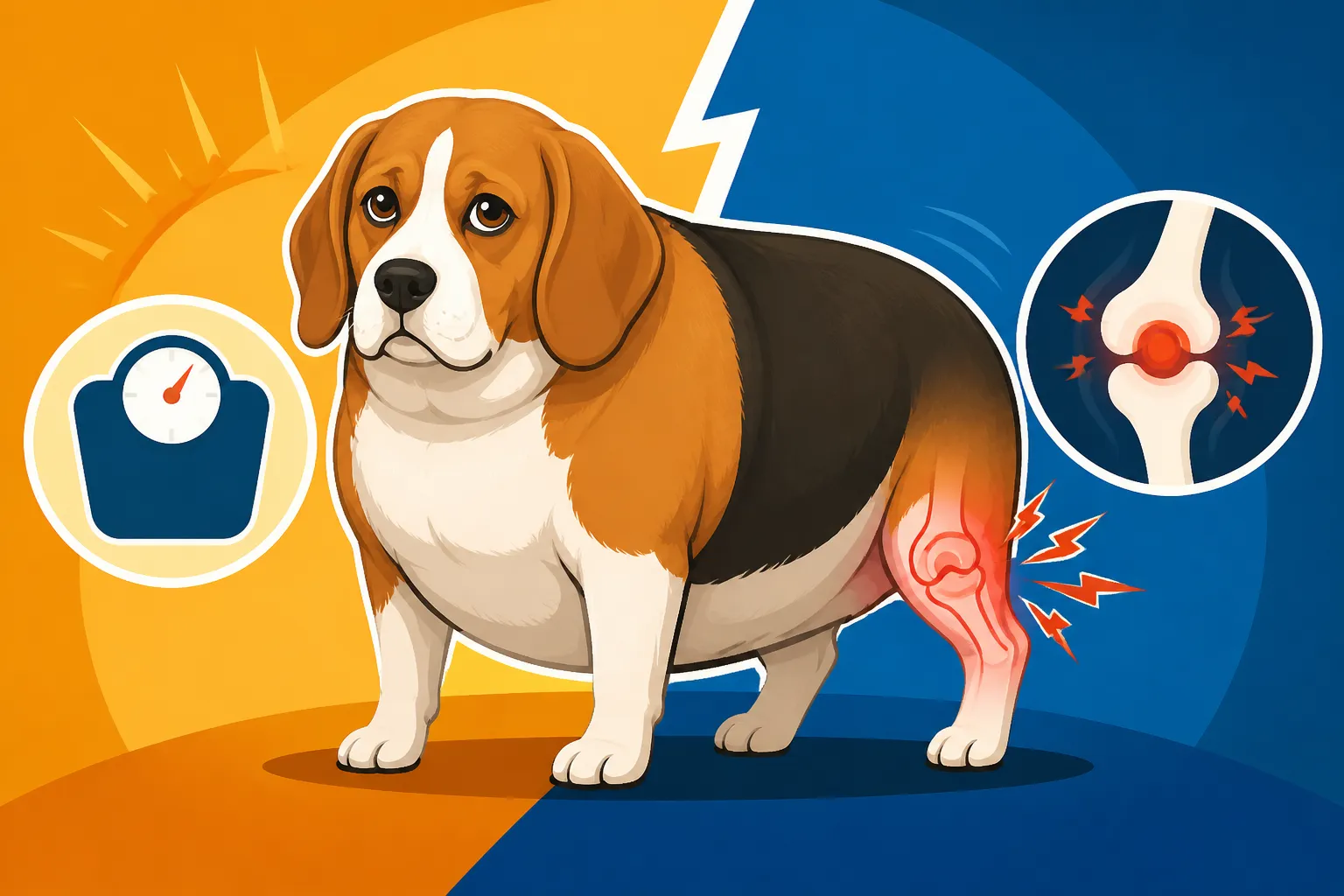
Beagle Obesity and Arthritis Arriving Together
It’s heartbreaking to watch our beloved Beagles slow down, especially when you start to notice they’re struggling to keep up, or are just a little less bouncy than they used to be. Often, this isn't just a sign of aging; it's a double whammy of extra weight putting immense pressure on joints already succumbing to arthritis. This guide will help you understand why obesity and arthritis so often arrive hand-in-hand for Beagles and, more importantly, what you can do to help your loyal companion find comfort and regain some of their spark.
The Unseen Burden: How Excess Weight Aggravates Beagle Arthritis
It’s easy to dismiss a few extra pounds on your Beagle as “chubby” or “well-fed,” especially with their pleading eyes, but the reality is those extra pounds are doing a silent, destructive job on their delicate joints. For a breed already prone to certain orthopedic issues, even a slight increase in weight can have a profound impact, turning mild discomfort into chronic pain and accelerating the progression of debilitating arthritis.
Understanding the Mechanics of Weight on Joints
Imagine carrying a backpack filled with bricks all day, every day. That’s essentially what an overweight Beagle's joints are experiencing. Every single step, every jump, every time they stand up or lie down, their skeletal system is subjected to forces far greater than it was designed to handle. This constant, excessive load directly grinds away at the cartilage – the smooth, shock-absorbing tissue that cushions the ends of bones in a joint.
When cartilage erodes, bones start to rub against each other, leading to inflammation, pain, and the characteristic stiffness of arthritis. In Beagles, this often manifests in their hips, knees, and even their spine. We see it in their reluctance to jump onto the couch, their slower gait on walks, or even a subtle shift in how they carry their weight. A Beagle's sturdy frame can hide this damage for a while, making it even more crucial for us to be proactive, as the internal wear and tear continues unseen until it's quite advanced. Even an extra five pounds on a 25-pound Beagle can feel like a person carrying an additional 20-30 pounds relative to their own body weight, drastically increasing stress on their joints. You might notice your Beagle struggling more with everyday movements, which can sometimes be mistaken for simple old age when it's really the combined pressure of weight and joint degradation.
The Inflammatory Connection: Fat and Joint Pain
Beyond the mechanical stress, there's a more insidious way that extra body fat contributes to arthritis: inflammation. It turns out that fat tissue isn’t just inert storage; it’s an active organ that produces hormones and inflammatory chemicals called adipokines. These substances circulate throughout your Beagle's body, including into their joints. When these inflammatory mediators flood the joint environment, they worsen the existing arthritis, intensifying pain and accelerating the breakdown of cartilage.
This means that an overweight Beagle isn't just dealing with the physical strain on their joints, but also a systemic, internal environment that actively promotes and exacerbates inflammation. It’s a cruel cycle: the pain makes them less willing to move, which in turn leads to more weight gain, which then increases inflammation and pain. It's why just addressing the mechanical stress isn't enough; we need to tackle the metabolic aspect of obesity to truly bring relief. This systemic inflammation can also impact other bodily functions, making your Beagle feel generally unwell, not just stiff in their legs. It's a key reason why getting weight under control offers benefits far beyond just lighter footsteps; it helps calm the entire inflammatory response in their body. You might find more detail on this connection if you research How Extra Weight Raises Beagle Disc Pressure and the systemic issues it can cause.
Recognizing the Warning Signs: Is Your Beagle Struggling?
Sometimes, the signs of your Beagle struggling with obesity and arthritis can be incredibly subtle. Beagles are notoriously stoic, often masking discomfort until it becomes truly unbearable. As owners, we need to become detectives, observing their daily habits and physical cues for any changes that might signal underlying joint pain exacerbated by extra weight. Catching these signs early can make a world of difference in managing both conditions and improving their quality of life.
Subtle Changes in Movement and Behavior
One of the first things you might notice is a change in your Beagle’s enthusiasm for their usual activities. Does your Beagle hesitate before jumping into the car or onto the couch where they once leaped without a second thought? Are they slower to get up after a nap, perhaps needing a moment to stretch and adjust before moving? Their once-eager trot on walks might now be a more sedate pace, and they might lag behind more often, especially on longer excursions. They might also show less interest in games of fetch or wrestling with other dogs, preferring to lie down and observe.
Another tell-tale sign can be a change in their sleeping positions, favoring one side, or avoiding certain postures they once enjoyed. They might lick at their joints more frequently, or even exhibit a slight tremor when standing still. If you’ve noticed your Beagle becoming a bit more grumpy or irritable, particularly when being touched in certain areas, this could also be a pain response rather than just a personality shift. These small shifts, while seemingly minor on their own, collectively paint a picture of a dog in discomfort. Keeping a mental note, or even a quick written diary, of these changes can be incredibly helpful for your vet. Many of these subtle changes can easily be overlooked, especially if you're not actively looking for them, which is why understanding Beagle Arthritis Arriving in Middle Age can help you prepare.
Physical Indicators of Obesity and Joint Pain
Beyond behavioral changes, there are direct physical cues that can indicate both obesity and joint issues. For obesity, you should be able to easily feel your Beagle's ribs with slight pressure, almost like feeling the back of your hand. If you have to press firmly to feel them, or if you can see rolls of fat around their waist or at the base of their tail, your Beagle is likely overweight. They should also have a noticeable "tuck" or hourglass shape when viewed from above, rather than looking like a solid, rounded log. Feeling for a Beagle's Ribs and Waistline is a fantastic resource for learning how to assess this at home.
When it comes to joint pain, look for things like a stiff or limping gait after rest, favoring one leg, or a decreased range of motion in their limbs. Gently feel along their legs and spine; if they flinch, yelp, or pull away, it could indicate tenderness or pain in those areas. You might also notice swelling around certain joints, although this can be harder to spot under a Beagle's dense coat. Over time, chronic arthritis can lead to muscle atrophy (wasting) in the affected limb, making one leg look thinner than the other, or even changes in their posture as they try to shift weight away from painful areas. Any of these physical signs warrant a prompt visit to your veterinarian for a thorough examination.
A Two-Pronged Approach: Managing Weight and Arthritis Simultaneously
When your Beagle is facing both obesity and arthritis, a holistic strategy that addresses both conditions is essential for improving their comfort and mobility. It's not about quick fixes but about sustainable changes to their lifestyle, supported by appropriate veterinary care. Think of it as a coordinated effort where diet, exercise, and medical management all work together to provide the best possible outcome.
Dietary Adjustments for Weight Loss and Joint Health
The cornerstone of managing an overweight Beagle with arthritis is a carefully controlled diet. This means moving away from free-feeding and embracing precise portion control. Every calorie counts. Start by accurately measuring your Beagle's food at each meal. Don't just eyeball it; use a kitchen scale for dry kibble or a measuring cup for consistency. Your veterinarian can help you determine the ideal daily calorie target based on your Beagle's ideal body weight, not their current, heavier weight.
Many owners find success with specialized weight-management diets, which are formulated to be lower in calories but still provide essential nutrients, helping your Beagle feel full without overeating. Some diets also include ingredients beneficial for joint health, like glucosamine and chondroitin. You might explore brands like Hill's Prescription Diet or Royal Canin, which often have specific veterinary-approved formulas. For those who prefer fresh food, services like Ollie offer pre-portioned meals that can be easily adjusted for weight loss, making calorie control simpler. When choosing treats for training or rewards, opt for low-calorie options or use small pieces of their regular kibble. It's crucial that everyone in the household is on board with the new feeding plan to avoid accidental overfeeding. Remembering that The Daily Calorie Target for a Twenty Pound Beagle needs careful consideration is vital.
Tailored Exercise for Joint Support Without Overstressing
Exercise is absolutely vital for Beagles with arthritis, but it needs to be the right kind of exercise. High-impact activities like aggressive fetching, jumping, or long, strenuous runs on hard surfaces can worsen joint pain and further damage cartilage. Instead, focus on low-impact activities that promote muscle strength and flexibility without undue stress.
Controlled leash walks are excellent, but keep them shorter and more frequent if necessary. Two or three shorter walks a day might be better than one long one, allowing their joints to warm up and move without getting fatigued. Swimming is another fantastic option, as the water supports their body weight, reducing joint stress while still providing a great workout for their muscles. If swimming isn't an option, consider gentle, supervised walks on soft surfaces like grass or dirt trails. Scent work, a natural fit for Beagles, can also provide mental and physical stimulation without requiring high-impact movement. Hide treats around the house or yard and let their powerful nose do the work; it tires them out mentally and involves gentle movement. You can find many great Exercise That Actually Burns Beagle Calories and Scent Walks That Wear a Beagle Out ideas that are suitable. Always monitor your Beagle for signs of discomfort during and after exercise, and adjust intensity as needed.
Veterinary Care and Medical Interventions
Beyond diet and exercise, regular veterinary care is paramount. Your vet can prescribe medications to manage the pain and inflammation associated with arthritis. Non-steroidal anti-inflammatory drugs (NSAIDs) are commonly used and can significantly improve your Beagle's comfort and mobility. There are also joint supplements, often containing glucosamine, chondroitin, and omega-3 fatty acids, which can help support cartilage health and reduce inflammation. You can find a wide range of these supplements from reputable online retailers like Chewy or your local pet store. Your vet might also recommend injections of polysulfated glycosaminoglycans (PSGAGs) or newer monoclonal antibody treatments that specifically target pain pathways.
Beyond medication, physical therapy can be incredibly beneficial. This might include therapeutic exercises, massage, laser therapy, or even underwater treadmill sessions to build muscle without joint impact. In some severe cases, your vet might discuss surgical options, though this is usually a last resort. The key is open communication with your veterinarian to create a comprehensive treatment plan that adapts as your Beagle's needs change. For more on this, check out Joint Supplements That Help an Aging Beagle.
Proactive Prevention: Keeping Your Beagle Healthy for the Long Haul
While we've talked about managing existing obesity and arthritis, the ideal scenario is to prevent these issues from becoming debilitating in the first place. Proactive measures, starting from a young age, can significantly extend your Beagle's healthy, active years and minimize the chances of these common conditions taking hold. It's about building a lifestyle that supports their unique needs as a breed with a powerful food drive and a penchant for joint issues.
Maintaining an Ideal Body Condition Throughout Life
The single most impactful preventative measure is to maintain your Beagle's ideal body weight from puppyhood straight through their senior years. This means consistent monitoring, not just when they seem to be gaining weight. Regular weigh-ins at home or at the vet, even monthly, can catch creeping weight gain before it becomes a problem. Don't be fooled by their "merry" disposition; Beagles are champions at looking happy even when uncomfortable, and their thick double coat can hide a lot. Many owners underestimate the impact of even a few extra pounds, thinking "a little extra cushion never hurt anyone," but for a Beagle's joints, it absolutely does.
It's about feeding for their activity level and ensuring treats are factored into their daily calorie allowance. This is where precision really pays off. Brands like Purina Pro Plan offer weight management formulas that can be used preventatively or for mild weight control, and these are widely available on platforms like Amazon. Education is key here – understanding what an ideal body condition looks and feels like is crucial. Beagle Obesity Treated as a Health Problem delves deeper into recognizing and addressing weight issues as a serious health concern, not just a cosmetic one. Remember, preventing the extra weight is far easier than trying to shed it once it's accumulated.
Environmental Modifications for Joint Comfort
Creating a joint-friendly environment for your Beagle can significantly reduce strain and improve their daily comfort, whether they're already arthritic or you're trying to prevent future problems. Think about how your Beagle interacts with their surroundings. Do they jump on and off furniture frequently? Consider investing in dog ramps or steps for beds and couches. These simple aids can prevent repetitive jarring impacts on their joints and spine, which accumulate over years. Many suitable options are available on Chewy and Amazon.
Orthopedic beds are another excellent investment, providing superior support compared to standard dog beds, cushioning their joints and promoting better sleep. For homes with slippery floors (hardwood, tile), strategically placed non-slip rugs or runners can prevent dangerous slips and falls that could lead to injury or exacerbate existing joint pain. Ensure their food and water bowls are at a comfortable height, so they don't have to bend excessively, especially as they get older. Small changes around the house can make a monumental difference in protecting their joints for the long run. Thinking about Ramps for a Beagle's Bed and Couch can be a great starting point for making these changes.
Understanding the Double Burden: Obesity and Arthritis in Beagles
| Aspect | Obesity | Arthritis | Combined Impact | Management Strategies |
|---|---|---|---|---|
| Description | Excess body fat leading to unhealthy weight. | Inflammation of joints, leading to pain and stiffness. | Exacerbated pain, accelerated joint degeneration, reduced mobility, systemic inflammation. | Diet, controlled exercise, pain medication, joint supplements, environmental modifications. |
| Causes | Overfeeding, lack of exercise, genetics. | Age, genetics, joint injury, conformation, excessive weight. | Vicious cycle where one worsens the other. | Holistic approach addressing both. |
| Signs | No visible waist, cannot feel ribs, heavy breathing, lethargy. | Limping, stiffness, reluctance to move, joint licking, pain on touch. | More pronounced and earlier onset of pain, difficulty getting up/down, reluctance to play/walk. | Consistent vet check-ups, medication adherence, careful monitoring. |
| Prevention | Portion control, regular appropriate exercise. | Maintaining ideal weight, careful exercise, good nutrition. | Strict weight management, proactive joint support, safe home environment. | Early intervention, regular health assessments. |
Disclaimer
This article is for general informational purposes only and does not constitute professional advice. Laws, prices and regulations vary by location and change over time. Consult a qualified professional for guidance on your specific situation.