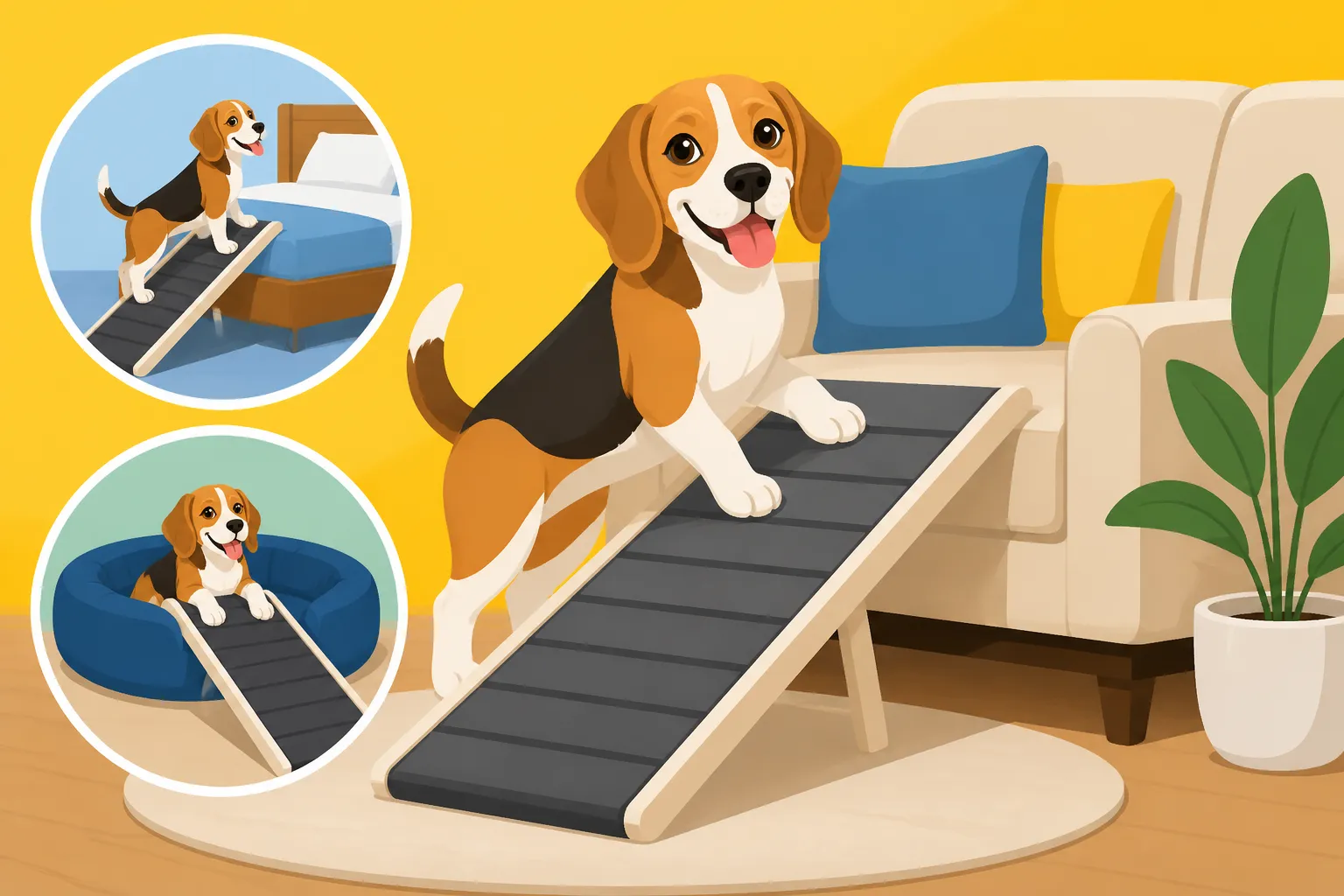
Ramps for a Beagle’s Bed and Couch
It’s a sight every Beagle owner knows: your little hound, with all the confidence in the world, decides to launch itself off the couch or bed with a thud, or worse, a clumsy slip. While it might seem cute and agile when they’re young, these repeated impacts can put immense strain on their delicate backs and joints, leading to serious problems down the road. This guide is all about understanding why those seemingly harmless jumps are a big deal for a Beagle's long-term health and how strategically placed ramps can become their best friends, keeping them safe, comfortable, and independent for years to come.
Why Ramps Are More Than Just a Convenience for Beagles
For many dog owners, ramps and steps feel like an accessory for older or injured pets, something you consider after a problem arises. But for a breed like the Beagle, with their particular anatomy and propensity for certain health issues, ramps are a proactive measure that can genuinely extend their quality of life and prevent a lot of heartache (and vet bills). Their zest for life often means they don't think twice before taking a flying leap, but gravity and repetitive stress are not their friends.
Protecting Fragile Spines and Joints
Beagles are sadly quite prone to certain orthopedic and neurological conditions, with Beagle Back Problems and Intervertebral Disc Disease being a significant concern. This condition, often referred to as IVDD, involves the discs between the vertebrae in their spine. Repeated jarring impacts, like jumping off furniture, can cause these discs to bulge, herniate, or rupture. Imagine landing hard on your spine over and over again—it’s not a recipe for good health. These disc issues can lead to pain, nerve damage, and in severe cases, even paralysis. Ramps provide a gentle incline, allowing your Beagle to ascend and descend without impact, distributing their weight evenly and significantly reducing the stress on their spine.
Beyond IVDD, Beagles can also suffer from Beagle Hip Dysplasia and Everyday Joint Wear or Beagle Arthritis Arriving in Middle Age. While not as common as in larger breeds, these conditions can make jumping painful and risky. A ramp eliminates the need for intense joint flexion and extension, making it far easier and less painful for them to access their favorite napping spots. This is especially true for Beagles carrying a bit of extra weight, as How Extra Weight Raises Beagle Disc Pressure and joint strain. Every jump they avoid is a moment of protection for those crucial weight-bearing joints.
Using a ramp from an early age, even if your Beagle is a youthful bundle of energy, can prevent micro-traumas from accumulating over time. It’s an investment in their future health, much like feeding them a good diet or ensuring they get enough exercise. Think of it as preventative care for their musculoskeletal system, giving them a smoother, safer path to comfort instead of relying on brute force jumps.
Preventing Accidents and Injuries
The enthusiasm of a Beagle often outweighs their coordination, especially when they're excited. A slippery floor, a misjudged leap, or a sudden distraction can turn a routine jump off the couch into a nasty fall. These accidents can result in sprains, fractures, or even more severe spinal injuries. It’s not just the impact of landing that’s the issue; it’s also the twisting and awkward movements that can happen mid-air or upon landing. The Activities That Twist a Beagle Spine are often everyday movements that we take for granted.
Consider a scenario where your Beagle is startled awake and rushes off the bed. In their haste, they might not land squarely, leading to a twisted ankle or a strained ligament. Such an injury might require Crate Rest for a Beagle With a Disc Injury or other extensive and expensive veterinary intervention. Ramps eliminate this uncontrolled descent. They offer a stable, predictable surface with good traction, guiding your dog safely from one elevation to another. This is particularly vital as Beagles get older and their eyesight might not be as sharp, their reflexes slow, and their balance isn't quite what it once was. Senior Beagle Care After the Age of Ten often involves managing reduced mobility and increased frailty, making ramps an absolute necessity.
By removing the element of risk inherent in jumping, you're not just preventing potential pain for your dog, you're also saving yourself the stress and worry of an emergency vet visit. It's about creating a safer home environment where your Beagle can still enjoy all their creature comforts without the constant threat of an accidental injury lurking around every soft landing spot.
Maintaining Independence and Quality of Life
As Beagles age, or if they develop conditions like arthritis or IVDD, their ability to jump onto furniture can diminish. This can be heartbreaking for both the dog and the owner. A dog that once loved cuddling on the couch might find themselves stuck on the floor, unable to join their human pack. This loss of access to familiar, comforting spots can impact their mood and overall quality of life. Ramps can restore that independence.
For a Beagle undergoing Beagle Physical Therapy After a Back Injury or recovering from surgery, a ramp can be a critical tool in their rehabilitation, allowing them to rebuild strength and confidence without re-injuring themselves. Even for Beagles with chronic pain, a ramp means they don't have to endure painful struggles to get to their desired location. They can still enjoy being close to you, sleeping in their favorite sunbeam on the bed, or just being part of the family activities on the sofa.
The mental benefit for your Beagle is just as important as the physical one. Imagine having to ask for help every time you wanted to sit in your favorite chair. Over time, that dependency can be disheartening. A ramp empowers your Beagle to move freely and access their preferred spots on their own terms, fostering a sense of autonomy that is crucial for their well-being. It’s a simple solution that makes a profound difference in their daily comfort and happiness.
Choosing the Right Ramp: Size, Material, and Slope
Once you're convinced that a ramp is a worthy addition to your Beagle's life, the next step is selecting one that actually works for your dog and your home. It's not a one-size-fits-all situation, and a poorly chosen ramp can be just as unhelpful (or even dangerous) as no ramp at all.
Considering Size, Height, and Slope
The primary considerations for any ramp are its height, length, and the resulting slope. The ramp's maximum height should match or slightly exceed the height of the furniture your Beagle needs to access. For a couch, this might be around 18-24 inches, while a bed could be 24-36 inches or more. You'll need to measure this carefully.
The length of the ramp directly impacts its slope. A longer ramp will have a shallower, more comfortable incline, which is ideal for Beagles, especially those with existing back or joint issues. A general rule of thumb is to aim for a slope that is not too steep, perhaps no more than a 18-25 degree angle. A ramp that is too short for the height will be too steep, essentially creating a slide that your Beagle might be scared to use, or worse, slip on. Some ramps are adjustable in height, which offers great versatility if you plan to use it for different pieces of furniture or if your needs change over time. It's all about making the ascent and descent feel natural and effortless for your dog.
It's also important to consider the width of the ramp. Beagles aren't huge dogs, but they still need enough room to walk confidently without feeling cramped or at risk of falling off the side. A wider ramp generally provides more stability and confidence for your dog, especially if they are a little wobbly or hesitant.
Material Matters for Grip and Durability
The material of the ramp is crucial for both safety and longevity. You'll want a ramp with a non-slip surface to give your Beagle secure footing, preventing slips and falls. Many ramps come carpeted or with a textured surface for this very reason.
Here’s a quick look at common materials:
| Material Type | Pros | Cons | Best For |
|---|---|---|---|
| Wood | Durable, stable, often aesthetically pleasing, can match decor. | Heavier, less portable, can be expensive. | Permanent indoor use for heavier, larger dogs. |
| Plastic | Lightweight, portable, easy to clean, weather-resistant. | Less stable than wood, can feel flimsy, less grip. | Car ramps, outdoor use, smaller dogs, occasional indoor use. |
| Carpeted | Excellent grip, soft on paws, often comes on wood or plastic frames. | Can show wear, harder to clean if soiled. | Indoor furniture ramps, ideal for joint protection. |
| Foam/Fabric | Very soft, lightweight, good grip, often decorative. | Less structural support, best for very low surfaces or small, light dogs. | Beds, low couches, very small Beagles. |
When browsing for options, reputable pet retailers like Chewy offer a wide selection of ramps, often with customer reviews that can give you insights into their real-world performance. You can also find many options on Amazon, where you can compare different brands and materials easily. Always check the weight capacity to ensure it can safely support your Beagle. A flimsy ramp won't instill confidence in your dog, and it certainly won't protect them from injury.
Features to Look For
Beyond basic size and material, a few extra features can make a ramp truly effective. Non-slip rubber feet on the ramp's base will prevent it from sliding away from the furniture or on a slick floor, adding a critical layer of safety. Some ramps also feature side rails, which can be beneficial for a Beagle that is hesitant or has vision issues, giving them a visual and physical boundary to guide them.
For ramps intended for car use, look for models that fold or collapse easily for storage in your trunk. Portability is a huge plus here. For home use, consider how the ramp will integrate into your living space. Some ramps are designed to look like furniture, blending in rather than sticking out. Durability is key; you want a ramp that will withstand years of use without breaking down. Reading customer reviews, especially those from other Beagle owners, can provide valuable insights into how well a specific ramp holds up over time.
Introducing Your Beagle to a Ramp: Patience and Positive Reinforcement
Even the most perfect ramp won't do any good if your Beagle refuses to use it. Beagles are smart and can be particular, but with patience, positive reinforcement, and a bit of their legendary food drive, you can teach them to love their new ramp.
Making it a Positive Experience
The golden rule here is never force your Beagle onto the ramp. Forcing them can create a negative association, making them fearful and resistant to using it in the future. Instead, think of it as a game, an exciting new adventure that leads to delicious rewards. High-value treats are your best friends in this process. Small, soft, and incredibly tasty treats, like those from Ollie, or tiny pieces of cooked chicken or cheese, will capture their attention and motivate them far more than their regular kibble.
The key is to keep training sessions short, positive, and fun. Just a few minutes at a time, several times a day, is more effective than one long, stressful session. The moment your Beagle shows any interest or even glances at the ramp, reward them! You want them to associate the ramp with good things happening. A happy, wagging tail is your goal. If you notice signs of stress or reluctance, take a break and try again later.
Remember, a Beagle's world often revolves around their nose. You can use this to your advantage by scattering a few treats directly on the ramp, guiding their nose up or down. Their natural instinct to sniff and forage will often override any initial apprehension they might have about the new object.
Step-by-Step Introduction
Start the introduction process with the ramp placed flat on the floor, or at the lowest possible incline if it's adjustable. This allows your Beagle to sniff and explore the ramp without the added challenge of an incline. Toss a treat onto the ramp, encouraging them to walk over it. Praise and reward them lavishly as they do. Repeat this several times until they are comfortable walking across the flat ramp.
Once they're happy with the flat ramp, you can gradually introduce a very slight incline. Place one end on a very low step or object, just enough to create a gentle slope. Lure your Beagle up and down the ramp with treats. Stand at the top and call them, or stand at the bottom and encourage them to descend. Always reward them when they successfully navigate even a small portion of the ramp. Take your time with this step, repeating it over several sessions until they are confidently moving up and down the gentle slope.
Slowly increase the incline over days or even weeks, always observing your Beagle's comfort level. If they seem hesitant, go back to a shallower incline. Eventually, position the ramp against the bed or couch. Continue to use high-value treats and enthusiastic praise. You might need to place a trail of treats leading up the ramp and a jackpot of treats at the top (and bottom!) to make it extra rewarding. Consistency is vital; make sure everyone in the household uses the ramp training and rewards system.
Consistency and Patience
Beagles are intelligent, but they also have a strong independent streak and, of course, their powerful nose can easily distract them. Don't get discouraged if your Beagle doesn't become a ramp expert overnight. Some dogs adapt quickly, while others need more time and repetition. The key is to be consistent with your training and patient with your dog. Every time they approach, touch, or use the ramp correctly, offer praise and a reward.
Once your Beagle is using the ramp consistently, you can gradually reduce the frequency of treats, transitioning to praise and occasional rewards. However, always keep the experience positive. If they occasionally forget or try to jump, gently redirect them back to the ramp without scolding. Over time, the ramp will become a natural and effortless part of their routine, ensuring their safety and comfort for years to come. Remember that Lifting a Beagle Without Twisting Its Back is important, but teaching them to use a ramp gives them independence.
Beyond the Couch: Other Places Ramps Help
While the couch and bed are common culprits for jump-related injuries, they're certainly not the only places where a ramp can make a difference in a Beagle's life. Think about all the elevated spots your dog tries to reach or places you help them into.
Car Ramps for Adventures
Traveling with your Beagle is one of the joys of pet ownership, whether it's a trip to the park, a hike, or a visit to the vet. But getting into and out of a car, especially SUVs or trucks, can be a significant jump for a small or medium-sized dog. Just like with furniture, these repeated jumps can strain their joints and back. A portable car ramp is an excellent solution.
These ramps are typically lightweight, foldable, or telescopic, making them easy to store in your vehicle. They provide a safe, gradual incline for your Beagle to walk up and down, protecting their body from unnecessary impact. This is particularly beneficial for Beagles that are prone to Beagle Arthritis Arriving in Middle Age or have existing mobility issues. It also makes it easier for you, as you won't have to lift a squirming Beagle in and out of the car, which can be tricky and even risky for your own back. Many car ramps have high-traction surfaces, often similar to sandpaper or heavy-duty carpeting, to ensure a secure footing even in wet conditions. Finding a good, durable car ramp can be done by looking at brands available on Chewy or Amazon, checking for features like stability and ease of deployment.
Outdoor Steps for Decks and Porches
Do you have a raised deck or a few steps leading to your backyard? These can also pose a jumping hazard for your Beagle. While a couple of steps might seem innocuous, repeated impact over years can still contribute to joint wear and tear. An outdoor ramp or a set of wider, shallower pet stairs can make access to the yard much safer and more comfortable, especially during inclement weather when surfaces might be slippery.
Outdoor ramps are often made from durable, weather-resistant plastics or treated wood to withstand the elements. They usually feature textured surfaces or rubber treads for enhanced grip. If you have an older Beagle, or one with known joint issues, providing a ramp to their favorite outdoor lounging spot can significantly improve their comfort and willingness to go outside. It's all about making their world as accessible and pain-free as possible, ensuring they can enjoy every part of their home environment safely.
Ramps for Multi-Pet Households
While this article focuses on Beagles, if you have other pets, especially other small dogs, cats, or even rabbits, ramps can benefit them too. A ramp designed for a Beagle will likely be suitable for a cat or another small dog breed, providing universal access to elevated spaces without the need for risky jumps. This can be particularly helpful if you have a multi-generational pet family, with younger, agile animals and older, more fragile ones sharing the same space.
By incorporating ramps throughout your home, you're creating a universally accessible environment that prioritizes the health and safety of all your furry companions. It's a proactive approach to pet care that can prevent future injuries, reduce existing pain, and enhance the overall quality of life for your beloved Beagle and any other pets who might benefit from a gentler path to their favorite cozy spots.
Disclaimer
This article is for general informational purposes only and does not constitute professional advice. Laws, prices and regulations vary by location and change over time. Consult a qualified professional for guidance on your specific situation.