Beagle Bad Breath and What It Signals
Oh, that signature Beagle charm! It’s all about their goofy antics, expressive eyes, and that incredible nose, right? But sometimes, a different kind of 'signature' comes wafting from their direction: truly dreadful bad breath. It's more than just an unpleasant smell; sometimes, that offensive odor is your Beagle's way of telling you something serious is going on with their health. This comprehensive guide is here to help you decipher those stinky signals, understand the common culprits, and explore effective ways to get your beloved companion's breath smelling much sweeter.
The Unpleasant Truth About Canine Halitosis
Let's face it, no dog's breath is ever going to smell like a bed of roses, especially after they've snarfed down their dinner or investigated something questionable in the yard. There's a baseline "doggy breath" that most owners become accustomed to, and it's generally nothing to worry about. It's when that typical doggy smell crosses the line into something genuinely offensive – putrid, sweet, fishy, or downright rotten – that our ears (and noses!) perk up and tell us to pay closer attention. This marked change, often referred to as halitosis, isn't just a nuisance; it's often a red flag that something needs investigating.
Distinguishing Normal Doggy Breath from Problematic Odors
Every Beagle owner knows that little sigh as your dog leans in for a cuddle, and you get a whiff of that familiar scent. It’s part of the package, a natural aroma of their unique physiology and recent culinary adventures. This kind of breath might carry a faint smell of their kibble, or perhaps a hint of the squeaky toy they’ve been slobbering on. It’s generally mild and fleeting, quickly disappearing.
However, when you start to notice a persistent, strong, and deeply unpleasant smell, even after they’ve just eaten, it’s time to take note. This isn’t just typical "dog breath." This is the kind of smell that makes you instinctively recoil, or perhaps wonder if they've found something truly foul to roll in. If you find yourself consistently turning your head away during those loving nose-nudges, your Beagle's breath is definitely trying to tell you something.
Why You Can't Just Ignore Bad Breath
It's easy to dismiss bad breath as "just how dogs are," or to attribute it solely to whatever questionable item they might have scavenged from under the couch. But in many cases, especially with Beagles who are notorious for exploring with their mouths, persistent bad breath is a direct symptom of an underlying issue that requires attention. Ignoring it means potentially allowing a treatable condition to worsen, leading to more significant discomfort for your dog and more expensive veterinary bills down the line.
Think of it like a smoke alarm: you don't ignore it because it's annoying; you investigate the smoke because it signals a potential fire. Similarly, persistent bad breath is often a vital early warning system. It could be pointing to everything from dental problems, which can be quite painful, to systemic diseases affecting vital organs. Taking it seriously means taking an active step in your Beagle's overall health and comfort.
Common Culprits Behind a Beagle's Bad Breath
When that less-than-pleasant aroma emerges from your Beagle's mouth, there are a few usual suspects. These can range from easily treatable issues to more complex medical conditions that require veterinary intervention. Understanding these common causes is the first step toward finding a solution and getting your Beagle's breath back to its baseline "doggy" smell, or even better!
Dental Disease and Tartar Buildup
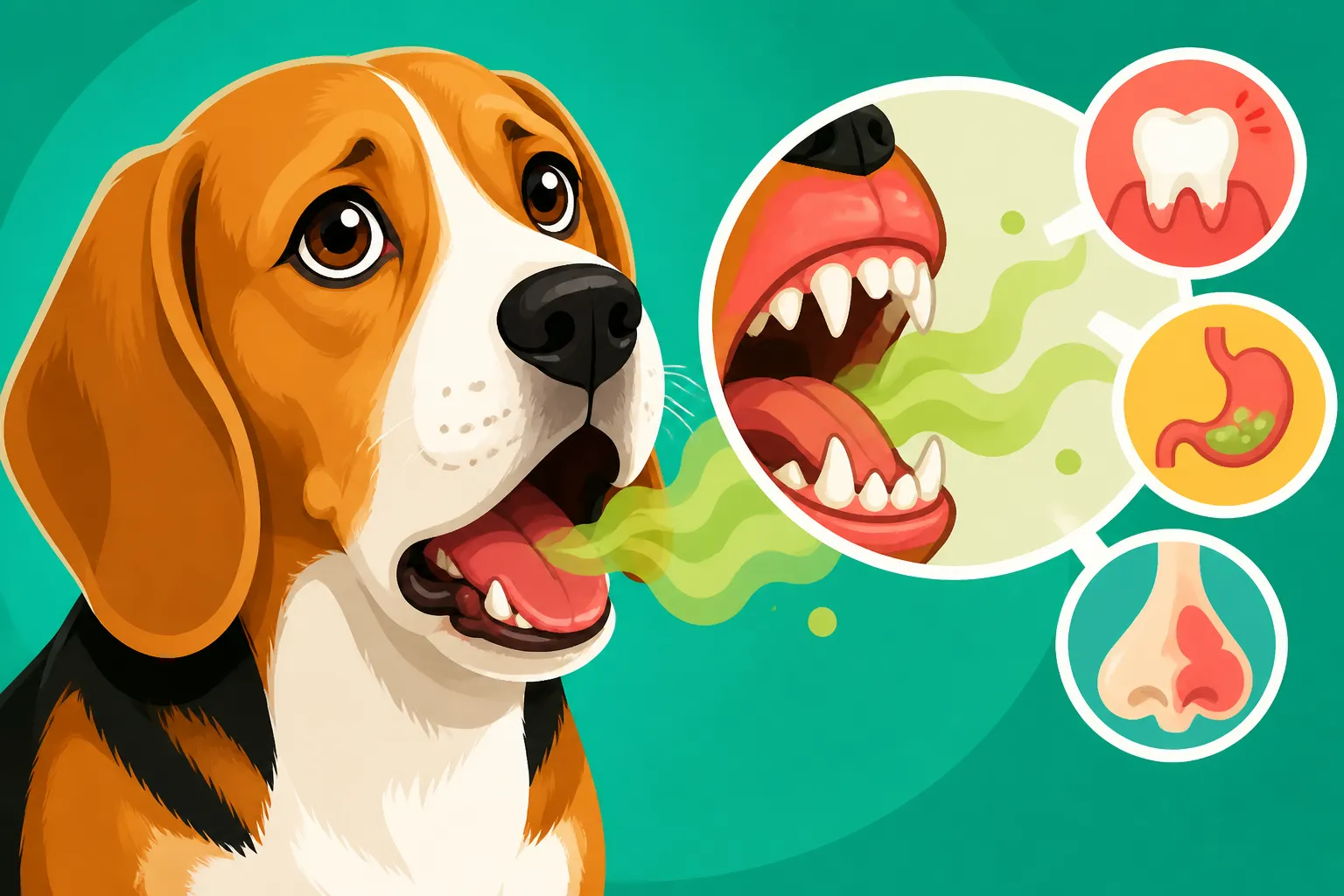
By far, the most common reason for truly offensive breath in dogs, including our Beagles, is dental disease. Just like in humans, plaque, a sticky film of bacteria, constantly forms on their teeth. If not removed, this plaque hardens into tartar, a rough, brownish deposit that can cling to the teeth. This tartar then provides a perfect breeding ground for even more bacteria, leading to a host of problems.
These bacteria don't just sit there; they multiply and release foul-smelling gases, causing that telltale bad breath. Beyond the smell, this bacterial onslaught leads to gingivitis (inflammation of the gums) and, if left untreated, progresses to periodontal disease. Periodontal disease is a serious condition that attacks the tissues supporting the teeth, leading to pain, tooth loss, and can even allow bacteria to enter the bloodstream, affecting organs like the heart, kidneys, and liver. Catching these signs early is crucial for your Beagle's long-term health. Beagle Dental Disease and Tartar Buildup goes into more detail about how this progresses.
Dietary Habits and Digestive Issues
What your Beagle eats, and how their body processes it, can definitely play a role in their breath quality. If your Beagle is prone to scavenging, as many Beagles are with their incredible noses, they might be eating things they shouldn’t – rotten food, garbage, or even animal feces. All of these unsavory snacks can leave a lasting, disgusting odor in their mouth and affect their digestive tract.
Beyond illicit snacks, sometimes the very food you feed them can contribute. Some dogs develop sensitivities or mild allergies to certain ingredients, leading to digestive upset, gas, and an unpleasant breath. If you've recently switched foods or your Beagle has a consistently upset stomach, that could be a clue. Furthermore, if your Beagle is particularly prone to gulping down their food without chewing, it might not be processed as effectively, contributing to GI issues that can manifest as bad breath. Exploring options like slow feeder bowls, available on platforms like Amazon, can help manage fast eaters.
Hidden Health Problems
While dental issues are the most frequent cause, sometimes a persistent and peculiar bad breath can be a sign of a more serious, systemic health problem. For example, a sweet, fruity smell can indicate diabetes, particularly if accompanied by increased thirst and urination. A smell resembling urine or ammonia might point to kidney disease, where the kidneys aren't filtering toxins properly. If the breath has a particularly foul, sickly-sweet odor, it could be liver disease.
Other less common causes might include certain types of oral tumors or foreign bodies lodged in the mouth, throat, or even esophagus that are causing decay or infection. Even respiratory infections, though less common as a direct cause, can sometimes produce unusual odors if they involve bacterial growth. That’s why a thorough veterinary check-up is so important when you notice a significant change in your Beagle’s breath. If your Beagle is older, for example, a diagnosis of Kidney Disease in an Old Beagle or Beagle Diabetes and Blood Sugar Control would absolutely have symptoms including changes in breath.
When Bad Breath Signals Something Serious
Sometimes, bad breath isn't just a sign of dirty teeth; it can be a critical indicator that your Beagle needs immediate medical attention. Knowing when to elevate your concern from "I need to brush my dog's teeth" to "we need to see the vet now" is essential for your Beagle's health and well-being.
Foul Odors Coupled with Other Symptoms
If your Beagle's bad breath is accompanied by other noticeable changes, this is a clear sign that you shouldn't delay a vet visit. Look out for symptoms such as:
- Changes in eating habits: Reluctance to eat, dropping food, eating on one side of their mouth, or suddenly preferring soft food could indicate severe oral pain.
- Paw rubbing at the mouth or excessive drooling: These are classic signs of discomfort or pain in the mouth.
- Swelling: Any swelling around the face, jaw, or gums is cause for concern.
- Lethargy or changes in energy levels: If your normally energetic Beagle seems unusually tired or withdrawn, paired with bad breath, it could point to a systemic illness.
- Vomiting or diarrhea: These digestive issues, combined with specific breath odors, can signal gastrointestinal problems or organ dysfunction. For instance, Beagle Vomiting After Eating Something Outside can cause temporary bad breath, but if it persists, it's more than just a passing upset.
- Increased thirst or urination: A sweet or fruity breath odor alongside these symptoms is a strong indicator of potential diabetes.
- Weight loss: Unexplained weight loss, especially in a Beagle known for their appetite, is always a red flag.
Any combination of these symptoms with persistent, foul breath warrants a call to your veterinarian. Early intervention can make a huge difference in prognosis and treatment.
Distinctive Odors: Sweet, Fruity, or Ammonia-like
While general "rotten" breath often points to dental disease, some specific odors are much more indicative of severe underlying medical conditions. These particular smells are usually caused by specific metabolic byproducts being released through the breath.
- Sweet or Fruity Breath: This distinctive smell, often likened to rotting apples or nail polish remover, is a hallmark symptom of diabetic ketoacidosis (DKA). This is a serious, life-threatening complication of uncontrolled diabetes where the body starts burning fat for energy, producing ketones. If your Beagle's breath has this scent, it's an emergency, and you need to get them to the vet immediately.
- Ammonia or Urine-like Breath: If your Beagle's breath smells like ammonia, stale urine, or a dirty fish tank, it's highly suggestive of kidney disease. When the kidneys aren't functioning correctly, they can't effectively filter toxins from the blood. These toxins then build up in the body and are exhaled through the breath. This also requires urgent veterinary attention.
- Foul, Sickly-Sweet Breath: A particularly unpleasant, sometimes metallic or sickly-sweet odor, often described as "mousy" or "musty," can be a sign of liver disease. The liver is vital for detoxification, and when it's compromised, various waste products accumulate and affect the breath.
Recognizing these specific odors can help you provide crucial information to your vet, potentially speeding up diagnosis and treatment for serious conditions. Knowing Beagle Emergency Signs That Cannot Wait Until Morning is vital, and these breath types are definitely on that list.
Proactive Steps for Fresh Beagle Breath
Once you’ve ruled out serious medical conditions, or as part of a comprehensive plan to manage a diagnosed issue, there's plenty you can do at home to improve your Beagle's breath. A multi-pronged approach combining regular dental care, appropriate diet, and smart chewing choices can make a world of difference.
Regular Dental Care Routines
This is the cornerstone of fresh breath. Brushing your Beagle's teeth daily is truly the gold standard for preventing plaque and tartar buildup. It might sound daunting, but with patience and positive reinforcement (those high-value Beagle treats!), most Beagles can learn to tolerate it. Start slowly, using a dog-specific toothpaste (never human toothpaste!) and a soft-bristled brush or a finger brush. Focus on the outside surfaces of the teeth, as these are most prone to tartar. Brushing a Beagle's Teeth Properly offers a step-by-step guide to making this a manageable task.
Beyond brushing, dental chews and water additives can be helpful supplements, though they are rarely a complete substitute for brushing. Look for products that are approved by the Veterinary Oral Health Council (VOHC) for proven efficacy. Brands found on Chewy often carry a wide selection of VOHC-approved dental chews that many Beagles enjoy, providing a mechanical scrubbing action as they chew. Some companies also offer oral rinses or water additives that contain enzymes or antimicrobials to help reduce bacteria in the mouth.
Dietary Adjustments and Fresh Options
What goes in your Beagle's mouth can significantly impact their breath. If your Beagle is prone to gastrointestinal upset, working with your vet to find a highly digestible diet can reduce digestive odors. Sometimes, a change to a different protein source or a less processed food can make a noticeable difference.
Consider incorporating fresh food options. Brands like Ollie, which deliver fresh, human-grade meals, can sometimes improve a dog's overall digestive health and, as a result, their breath. The rationale is that a more natural, easily digestible diet may lead to less internal fermentation and therefore less pungent breath. Always transition gradually to new foods to avoid upsetting your Beagle's stomach further. Additionally, ensuring your Beagle drinks plenty of water helps rinse away food particles and bacteria, so encourage good hydration!
Understanding the Role of Chewing and Oral Health
Beagles are natural chewers, and you can harness this instinct for good oral health. Providing appropriate, safe chew toys and dental chews can help scrape away plaque and stimulate gum health. Look for toys that are firm enough to provide mechanical abrasion but not so hard that they risk breaking a tooth. Avoid extremely hard bones, antlers, or nylon chews that can damage teeth.
Regularly inspect your Beagle's mouth. Lift their lips and look at their teeth and gums. Are the gums pink and healthy, or red and inflamed? Do you see any brown or yellow tartar buildup, especially on the back molars? Are there any broken or discolored teeth? Knowing Beagle Bad Breath and What It Signals in combination with visual inspection can help you catch problems early. If you notice any suspicious lumps, bleeding, or extreme redness, it’s definitely time for a vet visit.
A Comprehensive Look at Beagle Breath Health
The following table provides a quick reference for common breath characteristics, their potential causes, and recommended actions. Remember, this is for general guidance, and persistent or severe bad breath always warrants a professional veterinary opinion.
| Breath Characteristic | Potential Cause(s) | Recommended Action |
|---|---|---|
| Mild "Doggy" Smell | Normal canine breath; recently eaten food; minor plaque buildup. | Regular daily brushing; dental chews; fresh water. |
| Foul, Rotten Smell | Dental disease (plaque, tartar, gingivitis, periodontal disease); foreign object in mouth. | Immediate vet visit for dental exam and cleaning; begin regular home dental care; check mouth for foreign objects (if safe). |
| Sweet, Fruity Smell | Diabetic Ketoacidosis (DKA) – sign of uncontrolled diabetes. | EMERGENCY VET VISIT IMMEDIATELY. This is a life-threatening condition. |
| Ammonia/Urine Smell | Kidney disease; urinary tract issues. | URGENT VET VISIT. Needs diagnostic testing (blood work, urinalysis). |
| Sickly-Sweet/Musty Smell | Liver disease. | URGENT VET VISIT. Needs diagnostic testing (blood work, imaging). |
| Fishy Smell | Anal gland issues; sometimes diet or very bad dental decay. | Check anal glands (may need vet expression); review diet; rule out dental disease with vet. |
| Fecal Smell | Coprophagia (eating poop); digestive issues; foreign object. | Address coprophagia; review diet; vet check for digestive issues or foreign body. |
Preventing Future Funk: Long-Term Strategies
Maintaining fresh breath for your Beagle isn't a one-time fix; it's an ongoing commitment to their overall health. By integrating these strategies into your daily and weekly routine, you can significantly reduce the likelihood of persistent bad breath and ensure your Beagle stays happy and healthy for years to come.
Establishing a Consistent Oral Hygiene Routine
Consistency is truly key when it comes to oral health. Just like we brush our teeth every day, aiming for daily brushing for your Beagle will yield the best results. If daily is too much, aim for every other day, but never less than three times a week. This regular mechanical action disrupts plaque before it can harden into tartar. Think of it as a small investment of time that pays off big in preventing painful dental disease and costly professional cleanings down the road.
Beyond brushing, make regular vet check-ups a priority. Your veterinarian will assess your Beagle's oral health during their annual exam and can recommend professional dental cleanings under anesthesia when necessary. These cleanings are vital for removing existing tartar below the gum line and addressing any hidden dental issues. Remember, Beagle Dental Cleaning Under Anesthesia is a significant procedure, but it can literally save your dog from chronic pain and infection.
Smart Feeding Choices and Scavenging Management
Choosing a high-quality, balanced diet that supports digestive health is fundamental. Discuss food options with your vet, especially if your Beagle has a sensitive stomach or known allergies. Some Beagles thrive on kibble, while others may benefit from a fresh food diet. Whatever you choose, ensure it's appropriate for their age, activity level, and any specific health needs.
Given a Beagle's legendary nose and immense food drive, preventing scavenging is a battle you'll likely fight for their entire life. Be diligent about securing trash cans, keeping counters clear of unattended food, and supervising them closely outdoors. Teach a strong "leave it" command, and practice it often with tempting items. Remember, What a Beagle Should Never Be Allowed to Eat includes a long list of toxic human foods and plants that could not only cause bad breath but also severe illness. Prevention here is truly the best medicine.
Holistic Health and Regular Vet Check-ups
Your Beagle's breath is a reflection of their entire body's health. Therefore, maintaining their overall well-being is paramount. This includes providing adequate Beagle Exercise Needs at Every Age to keep them fit, ensuring they maintain a healthy weight (as obesity can exacerbate many health issues), and managing stress levels. Regular physical activity can even stimulate saliva production, which helps naturally rinse the mouth.
Most importantly, don't skip those annual vet visits. These appointments are not just for vaccinations; they're comprehensive health check-ups where your vet can identify subtle changes or early signs of disease, including dental issues or systemic illnesses that manifest as bad breath. Open communication with your vet about any changes you observe, including that pesky bad breath, is your best tool for ensuring your beloved Beagle lives a long, healthy, and happy life – hopefully, with much sweeter kisses!
Disclaimer
This article is for general informational purposes only and does not constitute professional advice. Laws, prices and regulations vary by location and change over time. Consult a qualified professional for guidance on your specific situation.