Beagle Dental Cleaning Under Anesthesia
That moment you catch a whiff of your sweet Beagle's breath, and it's anything but sweet – it's a pungent odor that makes your eyes water. Or perhaps you've noticed a yellow-brown buildup on their teeth, a sign that something more serious might be brewing beneath the surface. It’s a common frustration for many Beagle owners, realizing that despite their best efforts, their beloved hound's dental health is slipping. This comprehensive guide is here to walk you through everything you need to know about professional Beagle dental cleaning under anesthesia, covering the 'whys,' 'hows,' and what to expect for your furry family member.
Why Your Beagle Needs Professional Dental Cleaning
Dental disease is one of the most common health issues affecting dogs, and Beagles are certainly not exempt. In fact, due to their curious nature and tendency to mouth everything, coupled with certain genetic predispositions, their teeth can be particularly vulnerable. Ignoring dental problems doesn't just lead to bad breath; it's a gateway to far more serious health complications that can impact their overall well-being and shorten their joyful lives.
The Silent Threat of Dental Disease in Beagles
It all starts innocently enough with plaque, a sticky film of bacteria, food particles, and saliva that constantly forms on your Beagle's teeth. If this plaque isn't removed regularly through brushing or chewing, it hardens into tartar. You'll recognize tartar as that rough, yellowish-brown crust, often most visible on the back molars or near the gum line. This buildup irritates the gums, leading to gingivitis – red, swollen, sometimes bleeding gums. It's an early, reversible stage of dental disease, but it's often missed because Beagles are so good at hiding discomfort.
If gingivitis is left untreated, it progresses to periodontitis, a far more serious condition where the inflammation spreads below the gum line. This causes the gums to recede, exposing the tooth roots and creating pockets where more bacteria can flourish. The infection can destroy the supporting structures of the teeth, leading to loose teeth, painful abscesses, and even tooth loss. The bacteria from these oral infections don't just stay in the mouth; they can enter the bloodstream, traveling to major organs like the heart, kidneys, and liver, causing secondary infections and significant health issues. It's a sobering thought that something as seemingly minor as Beagle Dental Disease and Tartar Buildup can contribute to life-threatening conditions like heart disease, yet it's a very real risk that every Beagle owner needs to be aware of.
Recognizing the Signs of Dental Trouble
Your Beagle can't tell you their tooth hurts, so it's up to us, their human companions, to be vigilant. One of the most obvious signs, as we touched on earlier, is persistent bad breath. This isn't just "dog breath"; it's a foul odor caused by the bacteria accumulating in their mouth. If you find yourself asking, "Is that Beagle Bad Breath Coming From the Tooth Roots?", it's time to investigate further. Beyond the smell, look for visible changes. Red, swollen, or bleeding gums are a clear indicator of gingivitis. You might also notice a yellow or brown accumulation of tartar on the teeth, especially near the gum line.
Behavioral changes can also signal dental pain. Your usually enthusiastic eater might become reluctant to chew on hard kibble or toys, preferring softer foods or even dropping food from their mouth. They might paw at their face or rub their muzzle along the carpet or furniture. Some Beagles might show decreased energy or irritability because they're constantly in pain. A less common but severe sign could be swelling on one side of their face, indicating an abscessed tooth. Regular checks of your Beagle's mouth, even quick ones, can help you catch these signs early, making treatment easier and less invasive. Don't wait until these symptoms become severe; early intervention is key to preserving their comfort and long-term health.
Understanding Anesthesia for Beagle Dental Procedures
The thought of your precious Beagle going under anesthesia can be daunting, bringing with it a wave of anxiety for any pet parent. It's completely normal to feel this way; after all, we want nothing but the best for our four-legged family members. However, modern veterinary anesthesia has come a long way, and for comprehensive dental cleaning, it's not just recommended – it's essential for a safe and effective procedure.
Addressing Owner Concerns About Anesthesia Risks
Many owners worry about the risks associated with anesthesia, and those concerns are valid. You've heard stories, or maybe even had a past experience that makes you hesitant. The truth is, any anesthetic procedure carries a degree of risk, but advances in veterinary medicine have significantly minimized these risks, especially for routine procedures like dental cleanings. Before your Beagle even sniffs the anesthetic, your vet will conduct a thorough pre-anesthetic screening. This usually includes a physical examination, blood work to assess organ function (liver, kidneys) and blood cell counts, and sometimes even an ECG, especially for older Beagles or those with known Beagle Heart Disease and Murmurs. This comprehensive screening helps identify any underlying health issues that might increase anesthetic risk, allowing the veterinary team to tailor the anesthetic protocol specifically for your dog.
During the procedure itself, your Beagle will be continuously monitored by trained veterinary technicians. They'll keep a close eye on vital signs such as heart rate, respiratory rate, blood pressure, oxygen saturation, and body temperature. Specialized equipment provides real-time data, allowing the team to adjust anesthetic levels as needed, ensuring your Beagle remains stable and comfortable. Intravenous fluids are often administered to maintain hydration and support blood pressure throughout the procedure. The goal is to make the process as safe as possible, treating each Beagle as an individual and prioritizing their well-being. Rest assured, veterinary professionals are highly skilled in balancing effective anesthesia with patient safety.
What Happens During a Professional Dental Cleaning
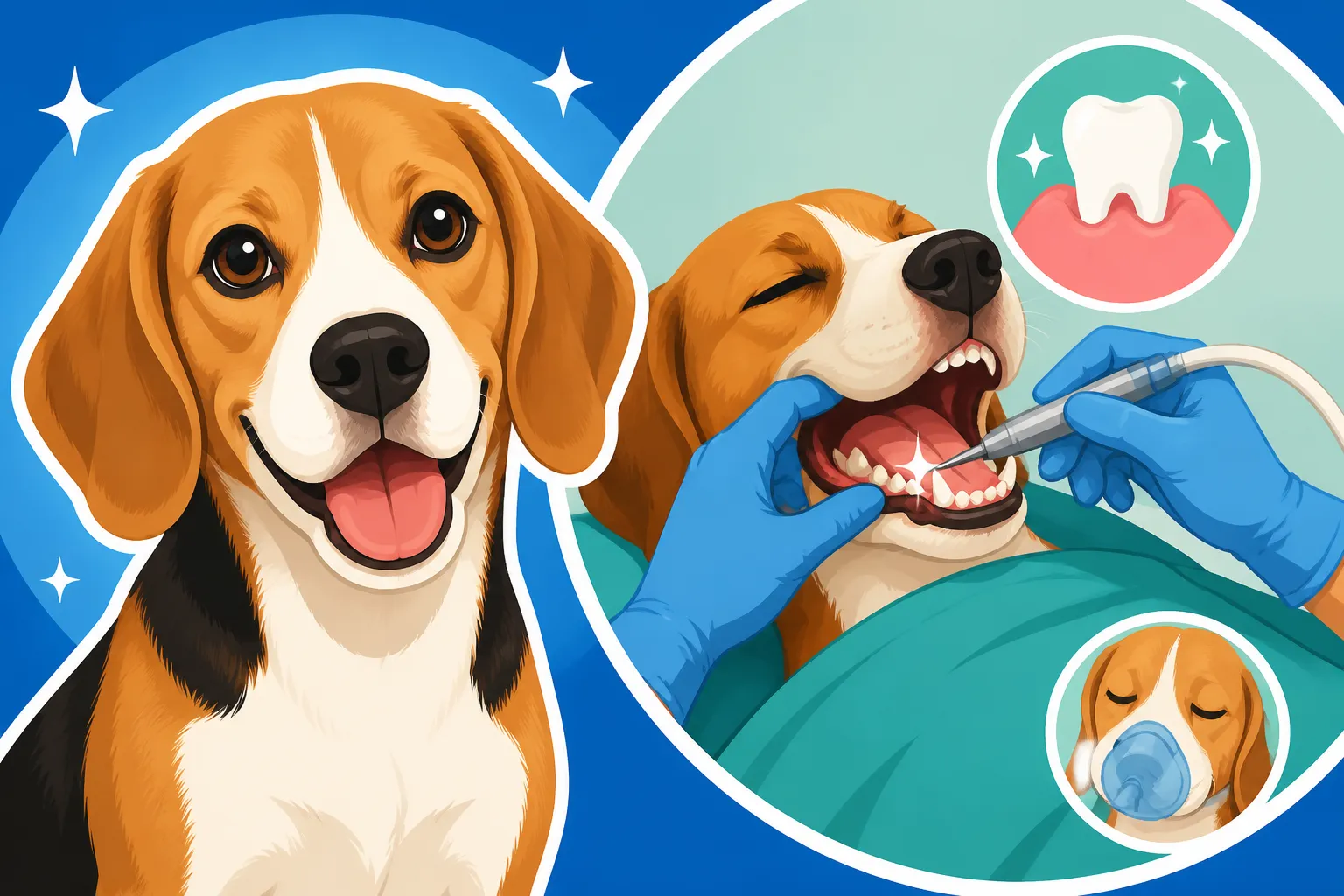
Once your Beagle has been safely anesthetized and the monitoring equipment is in place, the actual dental cleaning begins. Unlike a human dental visit, a comprehensive veterinary dental procedure goes far beyond a quick brush. First, an endotracheal tube is placed into your Beagle's airway to protect their lungs from inhaling bacteria-laden water and debris, and to deliver oxygen and anesthetic gas. The veterinary team will then perform a thorough oral examination, probing around each tooth to check for pockets under the gum line, a sign of periodontal disease. Dental X-rays are crucial here; just like in human dentistry, a significant portion of dental disease lies hidden beneath the gum line, invisible to the naked eye. X-rays reveal issues like bone loss, abscesses, and unerupted teeth.
Next comes the scaling. This involves using an ultrasonic scaler to remove plaque and tartar from the tooth surfaces, both above and, crucially, below the gum line. This subgingival cleaning is vital for addressing the root cause of periodontal disease. Hand scalers are then used for fine detailing. After all plaque and tartar have been meticulously removed, the teeth are polished with a special paste. Polishing smooths out microscopic scratches on the tooth enamel, which helps deter future plaque accumulation. Finally, a fluoride treatment may be applied to strengthen the enamel and reduce sensitivity. If any diseased or damaged teeth were identified, extractions would be performed at this stage, followed by careful suturing of the gum tissue to promote healing. The entire process is a precise, multi-step procedure designed to restore your Beagle's oral health comprehensively.
The Cost of Beagle Dental Cleaning Under Anesthesia
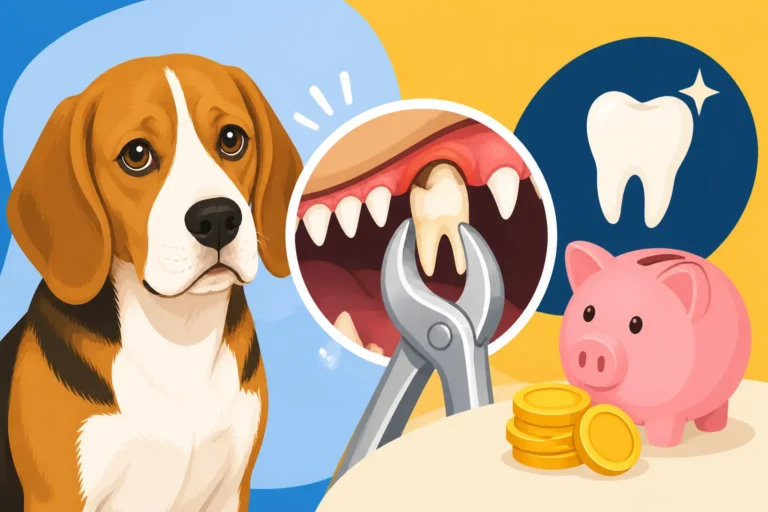
Let's be realistic: high-quality veterinary care, especially specialized procedures like dental cleanings under anesthesia, isn't cheap. Many pet parents experience sticker shock when they first see the estimate for a dental procedure, and it can be a significant barrier to getting their Beagle the care they need. Understanding what goes into the cost can help manage expectations and allow you to budget appropriately for this essential health maintenance.
Breaking Down the Typical Expenses
The total cost of a professional dental cleaning can vary widely depending on your geographic location, the veterinary clinic's pricing structure, the severity of your Beagle's dental disease, and whether extractions are needed. Generally, you can expect to pay anywhere from $500 to $1,500, but complex cases requiring multiple extractions or specialist referral could push that figure higher. Here’s a breakdown of what typically contributes to the overall bill:
- Pre-Anesthetic Blood Work and Exam: Essential for ensuring your Beagle is healthy enough for anesthesia. (Approx. $100-$300)
- Anesthesia and Monitoring: Includes the anesthetic agents, gas, IV fluids, and the dedicated veterinary technician monitoring your dog's vital signs throughout the procedure. (Approx. $200-$600)
- Dental Scaling and Polishing: The actual cleaning of the teeth above and below the gum line. (Approx. $150-$400)
- Dental X-rays: Crucial for detecting problems not visible on the surface. (Approx. $100-$300, often priced per full-mouth series)
- Extractions: If diseased teeth need to be removed, this is often the most variable and costly part. Each extraction can add $50-$200 or more, depending on complexity, and multiple extractions can quickly escalate the bill. (Approx. $50-$200+ per tooth)
- Pain Medication and Antibiotics: Often prescribed to manage discomfort and prevent infection post-procedure. (Approx. $30-$100)
- Post-Operative Care/Take-Home Instructions: Any specific care instructions or follow-up appointments.
Here's a simplified table to illustrate potential costs:
| Service Component | Estimated Cost Range (USD) |
|---|---|
| Pre-Anesthetic Exam & Blood Work | $100 – $300 |
| Anesthesia & Monitoring | $200 – $600 |
| Dental Scaling & Polishing | $150 – $400 |
| Full Mouth Dental X-rays | $100 – $300 |
| Tooth Extractions (per tooth, if needed) | $50 – $200+ |
| Post-Op Medications | $30 – $100 |
| Total Estimated Cost (without extractions) | $580 – $1700 |
| Total Estimated Cost (with multiple extractions) | $800 – $3000+ |
These are estimates, and it's always best to get a detailed quote from your veterinarian. When considering The Yearly Cost of Keeping a Beagle, dental care is a significant component that needs to be factored into your budget, especially as they age.
Managing Costs: Insurance, Wellness Plans, and Prevention
Facing a hefty vet bill can be stressful, but there are ways to prepare and mitigate the financial impact. Pet insurance is one of the most effective tools. Many comprehensive pet insurance policies, like those offered by Healthy Paws, cover a portion of the costs for unexpected illnesses and accidents, which can include dental disease that is not pre-existing. It's vital to enroll your Beagle before any signs of dental disease appear, as most policies consider existing conditions ineligible for coverage. Understanding Beagle Insurance Premiums Provider by Provider and checking what specific dental care is covered (e.g., only accidental injury, or also disease-related cleaning) is crucial when selecting a plan.
Another option is a veterinary wellness plan. These are subscription-based plans offered by some clinics that cover routine preventative care, which might include an annual dental cleaning, vaccinations, and regular check-ups, for a monthly fee. While they don't cover unexpected illnesses like insurance, they can help budget for routine maintenance. Beyond these financial tools, the absolute best way to manage dental costs is through diligent preventative care at home. Regular Brushing a Beagle's Teeth Properly can significantly reduce the frequency and severity of professional cleanings. Daily brushing, providing appropriate dental chews (you can find a wide variety of effective options on sites like Chewy), and even using water additives can make a huge difference in slowing down plaque and tartar buildup. Think of it this way: the more proactive you are at home, the less extensive (and therefore less expensive) professional cleanings will be.
Post-Cleaning Care and Long-Term Dental Health
The dental cleaning isn't the finish line; it's a critical step in a lifelong journey of oral health for your Beagle. How you manage their care immediately after the procedure, and the routine you establish for long-term maintenance, will greatly influence the longevity of their clean teeth and overall health.
Caring for Your Beagle After the Procedure
Bringing your Beagle home after a dental cleaning under anesthesia requires a bit of gentle care. They might still be a little groggy, disoriented, or even nauseous from the anesthetic. Provide a quiet, comfortable, and warm place for them to rest, away from other pets or young children. Your vet will provide specific instructions, but generally, you'll want to offer a small amount of water a few hours after they are fully awake, and then a small, soft meal later that day or the next morning. If your Beagle had extractions, feeding soft food for several days or even a week is crucial to allow the gum tissue to heal without irritation. Avoid hard kibble, bones, or chew toys during this recovery period.
Your vet will likely prescribe pain medication and possibly antibiotics, especially if extractions were performed. Administer these exactly as directed. Monitor your Beagle for any signs of discomfort, such as pawing at their mouth, reluctance to eat, or unusual lethargy. Also, keep an eye on their gums for any excessive redness, swelling, or discharge, which could indicate a complication. The goal is a smooth, comfortable recovery, allowing the gums to heal and your Beagle to return to their normal, happy self. If you notice any concerning signs or have questions, don't hesitate to contact your veterinarian. It’s part of the comprehensive Beagle Vet Visit Frequency After the Age of Ten discussion, as older Beagles might need more attentive post-operative care.
Establishing an Effective Home Dental Routine
This is where the real work of prevention happens, and it's something you'll be doing for the rest of your Beagle's life. The gold standard for home dental care is daily tooth brushing. Using a pet-specific toothbrush and enzymatic toothpaste (never human toothpaste!) can physically remove plaque before it hardens into tartar. Start slowly, making it a positive experience with treats and praise. It might take time for your Beagle to get used to it, but consistency is key. Even if you can only manage a few seconds on the outer surfaces of their most problematic teeth, it's better than nothing. For a deeper dive, check out tips on Brushing a Beagle's Teeth Properly.
Beyond brushing, consider incorporating other dental health aids. Dental chews and treats are designed to help mechanically scrub plaque from teeth, or contain ingredients that reduce plaque buildup. Look for products that are approved by the Veterinary Oral Health Council (VOHC), as these have been scientifically proven to be effective. You can find a vast selection on online pet supply retailers like Chewy. Water additives, which contain plaque-reducing agents, are another simple way to support oral hygiene, especially if brushing is a challenge. Even certain diets can play a role; some veterinary dental diets are formulated with a unique kibble structure that scrubs the teeth as your dog chews, or contain ingredients that prevent tartar formation. While brands like Ollie focus on fresh, nutritious food, remember that even the healthiest diet needs to be supplemented with physical cleaning to tackle plaque and tartar effectively. A multi-modal approach combining brushing, dental-specific treats, and potentially additives will give your Beagle the best chance at a healthy, pain-free mouth for years to come.
Disclaimer
The information provided in this article is for general informational purposes only and is not intended as a substitute for professional veterinary advice, diagnosis, or treatment. Always seek the advice of your veterinarian or other qualified pet health provider with any questions you may have regarding a medical condition or treatment for your Beagle.