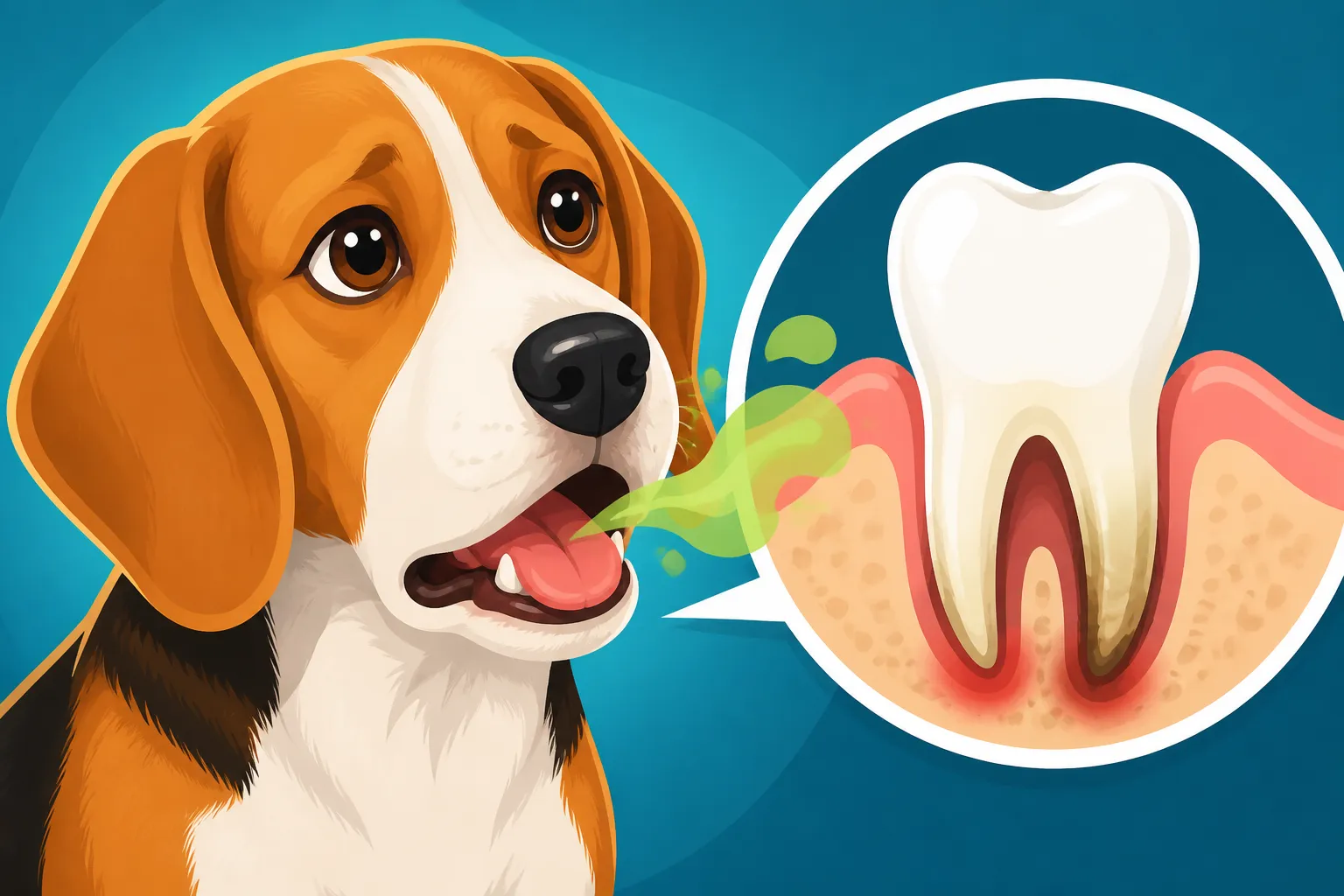
Beagle Bad Breath Coming From the Tooth Roots
It’s a scenario many of us Beagle parents know all too well: that sudden, unwelcome gust of truly awful breath when your sweet, snuffling companion offers a loving lick. You might think, "Oh, it's just dog breath," but when that odor becomes truly foul, something akin to a rotten fish or something much worse, it’s often a clear sign that something serious is brewing deep within their mouth, frequently stemming right from the tooth roots. This guide is here to walk you through exactly what causes that potent stench and, more importantly, what you can do about it to ensure your Beagle’s comfort and long-term health.
Understanding Beagle Bad Breath Beyond the Obvious
Let's face it, no dog has minty fresh breath naturally. But there's a world of difference between typical "dog breath" and an odor that makes you recoil. For Beagles, with their insatiable curiosity and tendency to explore the world nose-first – and often mouth-first – maintaining oral hygiene can be a real challenge. That persistent, really bad breath is almost never just a superficial problem; it’s a symptom pointing to an underlying issue, often involving the tooth roots.
The Anatomy of a Beagle's Mouth and Why It's Prone to Issues
Beagles, like all dogs, have a mouth full of teeth designed for tearing and chewing, not necessarily for gentle, long-term self-cleaning. They have 42 adult teeth, each anchored by roots deep within the jawbone. Their breed standard often means a relatively compact jaw for the number of teeth they possess, which can lead to some crowding. This crowding creates nooks and crannies where food particles, bacteria, and debris can easily get trapped. These hidden spots are prime breeding grounds for plaque and tartar, especially close to the gum line, making them particularly vulnerable to dental disease. Think of it like trying to floss a tightly packed drawer – it’s just harder to reach and clean those tight spaces effectively.
When Bad Breath Becomes a Red Flag
So, how do you distinguish between normal dog breath and something truly concerning? Normal dog breath might be a bit musky or simply reflect what they've recently eaten, especially if they've snuck a snack from the yard. But if your Beagle's breath has taken a turn for the truly foul – a smell that's unmistakably rotten, metallic, or intensely fishy – that's your cue to pay closer attention. This kind of odor is a red flag that bacterial overgrowth is happening, often a sign of infection. It's not something to ignore, hoping it will just go away. It often means a visit to the vet is in order to get to the bottom of it, because a chronic, unpleasant smell is almost always a sign of pain or infection brewing.
Periodontal Disease: The Root Cause of Most Beagle Bad Breath
In the vast majority of cases, that truly offensive Beagle bad breath points directly to periodontal disease. This isn't just about a little bit of plaque; it's a progressive, painful condition that affects the gums, the bone supporting the teeth, and most critically, the tooth roots themselves. It's often silent in its early stages, making that bad breath one of the first and most obvious indicators that something is seriously wrong.
How Plaque and Tartar Accumulate
It all starts innocently enough. Every time your Beagle eats, microscopic food particles combine with bacteria naturally present in their mouth to form a sticky, colorless film called plaque. If this plaque isn't regularly removed through brushing or chewing on appropriate dental chews, it hardens within a matter of days into tartar (also known as calculus). Tartar is rough and porous, creating an even better surface for more plaque and bacteria to adhere to. It's like barnacles on a boat – once they start, they just keep building up.
Initially, this buildup sits mostly on the visible surface of the tooth, especially along the gum line. This leads to gingivitis, an inflammation of the gums. You might notice your Beagle's gums looking a little red, swollen, or even bleeding when they chew on something hard. While gingivitis is reversible with proper dental care, if left unchecked, it’s the gateway to much more severe problems. You can learn more about this by checking out our comprehensive guide on Beagle Dental Disease and Tartar Buildup.
The Progression to Advanced Periodontal Disease and Root Involvement
This is where things get serious and painful for your beloved Beagle. As tartar continues to accumulate, it pushes under the gum line, creating pockets where bacteria can thrive, hidden from plain sight. These bacteria release toxins that destroy the supporting tissues around the tooth, including the periodontal ligament and the bone of the jaw. This destruction means the infection is no longer just on the surface; it's actively attacking the structures holding the tooth in place.
Eventually, this infection reaches the tooth roots. When the infection infiltrates the root canal or creates abscesses around the root tip, that's when the truly offensive smell emerges. An abscess is a localized collection of pus, essentially a pocket of infection, and it can be incredibly painful. The breakdown of tissue, coupled with the anaerobic bacteria that flourish in these deep pockets, produces volatile sulfur compounds – the culprits behind that sickeningly foul, rotten odor. It's not just a surface smell; it's a deep, infectious smell emanating from decay and pus at the very foundation of the tooth.
Recognizable Symptoms Beyond Just Bad Breath
While bad breath is the most common and often the first symptom Beagle owners notice, advanced periodontal disease affecting the tooth roots will present with other signs as well. Your Beagle might be a stoic breed, but intense dental pain will eventually manifest:
- Difficulty Eating: They might become hesitant to chew on hard kibble or toys, drop food, or chew only on one side of their mouth. Some might even stop eating altogether if the pain is severe.
- Swelling on the Face: An abscessed tooth root, especially in the upper jaw, can cause noticeable swelling under the eye or on the side of the face. This swelling can sometimes rupture, leading to a draining tract.
- Pawing at the Mouth or Rubbing Face: Your Beagle might try to alleviate the discomfort by pawing at their mouth or rubbing their face on furniture or the carpet.
- Excessive Drooling: Increased drooling, sometimes mixed with blood, can be a sign of oral pain or infection.
- Behavioral Changes: A dog in chronic pain might become withdrawn, less playful, or even irritable when approached, especially near their head.
- Loose or Missing Teeth: In advanced stages, the supporting bone around the tooth can be so severely damaged that the tooth becomes loose or even falls out.
It's critical to remember that by the time you see these symptoms, the disease is already quite advanced and likely very painful. This is why addressing bad breath early, before these more severe signs appear, is so important.
Other Dental and Non-Dental Causes for Foul Breath
While periodontal disease is the primary suspect, especially when the odor suggests root involvement, there are other conditions that can contribute to terribly bad breath in your Beagle. It's crucial for your vet to rule these out, as some can be quite serious.
Broken Teeth and Abscesses
Beagles love to chew! While chewing on appropriate toys can be beneficial for dental health, chewing on things that are too hard – like real bones, antlers, or even very hard nylon toys – can lead to broken teeth. When a tooth breaks, especially a large molar, it can expose the sensitive pulp chamber, which contains nerves and blood vessels. This exposed pulp is an open door for bacteria, leading to a severe infection and often an abscess at the tooth root.
The exposed pulp tissue can die, and bacteria can travel down the root canal to the tip of the root, forming an abscess in the jawbone. This type of infection is incredibly painful and will produce a very strong, foul odor. Sometimes, the fracture isn't obvious, but the infection quietly festers until an abscess forms, leading to sudden facial swelling or extreme sensitivity. Dental X-rays are usually required to diagnose these hidden issues.
Oral Growths and Tumors
Less common, but definitely a cause for foul breath, are oral masses or tumors. These can be benign (non-cancerous) or malignant (cancerous). As these growths develop, they can become ulcerated, infected, or simply trap food and bacteria, leading to a very unpleasant smell. The tissue breakdown associated with some tumors can also contribute to a putrid odor.
If your vet discovers a lump or growth during a dental exam, they will likely recommend a biopsy to determine its nature. Early detection is key for a good prognosis, especially with malignant tumors, so don't delay a vet visit if you notice any unusual lumps or changes in your Beagle's mouth.
Systemic Health Issues Mimicking Dental Problems
Sometimes, bad breath isn't solely a dental problem but a symptom of an underlying systemic disease. While these conditions might not originate from the tooth roots, they can significantly affect overall oral health or produce distinct odors that are often mistaken for severe dental issues.
- Kidney Disease: If your Beagle's breath smells like urine or ammonia, it could be a sign of kidney disease. Failing kidneys are unable to filter toxins from the blood efficiently, leading to a buildup of waste products that are then excreted in the breath. This is a very serious condition and requires immediate veterinary attention.
- Diabetes: A sweet or fruity smell on your Beagle's breath can indicate uncontrolled diabetes. This happens when the body, unable to use glucose for energy, starts burning fat, producing ketones. While not directly related to tooth roots, diabetes can also make a dog more susceptible to infections, including dental ones.
- Gastrointestinal Issues: While less common to cause that deeply rotten, tooth-root-originating smell, some severe gastrointestinal problems, acid reflux, or blockages can sometimes manifest as unusually bad breath. However, these usually come with other symptoms like vomiting, diarrhea, or appetite changes.
It's important to differentiate these distinct odors, which is why a thorough veterinary examination, including blood work, is crucial if the cause of the bad breath isn't immediately obvious from an oral exam alone. Our article on Beagle Hypothyroidism Symptoms Owners Notice First or Beagle Diabetes and Blood Sugar Control might offer more insights into how systemic issues can affect your dog's overall well-being.
Tackling Beagle Bad Breath: Prevention and Treatment
Knowing the root cause of that terrible breath is the first step; the next is taking action. Preventing dental disease is always easier and less costly than treating it, but when advanced issues are present, professional intervention is absolutely necessary.
At-Home Dental Care Routines
Consistency is king when it comes to at-home dental care for your Beagle. The goal is to remove plaque before it hardens into tartar and to keep the gum line healthy.
- Brushing: This is the gold standard. Aim to brush your Beagle's teeth daily, or at least several times a week, using a dog-specific toothbrush and enzymatic toothpaste (never human toothpaste!). Start slowly, making it a positive experience with lots of praise and treats. Focus on the outside surfaces of the teeth, especially where the gums meet the teeth. Even a minute of brushing can make a difference.
- Dental Chews: High-quality dental chews can help reduce plaque and tartar, but they are not a substitute for brushing. Look for chews approved by the Veterinary Oral Health Council (VOHC) for proven efficacy. Be mindful of calorie intake and ensure the chew is appropriate for your Beagle's size and chewing style.
- Water Additives: Some veterinarians recommend water additives that contain enzymes to help break down plaque. These are generally a supplemental measure and not a standalone solution.
- Dental Diets: Certain prescription dental diets are formulated with specific kibble shapes and textures designed to scrub the teeth as your Beagle chews, or contain ingredients that prevent plaque from adhering. Discuss these options with your vet.
It might seem like a chore, but establishing a routine early, especially for a Beagle puppy, can save you a lot of heartache and expense down the line. Check out our guide on Brushing a Beagle's Teeth Properly for detailed instructions.
Professional Dental Cleanings: The Necessity of Anesthesia
For most Beagles, especially as they age, at-home care alone isn't enough to prevent all tartar buildup and the progression of periodontal disease. A professional dental cleaning performed by a veterinarian is often necessary. This procedure, much like your own dental cleaning, removes plaque and tartar from above and below the gum line.
Why Anesthesia?
This is often where owners get nervous, but anesthesia is absolutely critical for a thorough, safe dental cleaning. Here’s why:
- Thorough Cleaning Below the Gum Line: Tartar and plaque below the gum line are the most damaging. It’s impossible to remove these without your dog being still, and often, the pockets need to be explored and flushed.
- Pain Management: Cleaning teeth, especially those with gingivitis or periodontal pockets, can be painful. Anesthesia ensures your Beagle experiences no pain or fear during the procedure.
- Dental X-rays: A significant portion of dental disease, especially issues involving tooth roots, is invisible to the naked eye. Dental X-rays, performed while your Beagle is under anesthesia, allow the vet to see the health of the tooth roots, the surrounding bone, and identify abscesses, cysts, or un-erupted teeth. This is where those "bad breath coming from the tooth roots" issues are truly diagnosed.
- Scaling and Polishing: Specialized ultrasonic scalers effectively remove tartar, and then the teeth are polished to smooth the surface, making it harder for plaque to adhere.
- Extractions or Other Treatments: If serious issues like deeply infected teeth or abscessed roots are found, extractions or other procedures can be performed safely and pain-free while your Beagle is anesthetized.
Before any anesthetic procedure, your vet will perform a thorough physical exam and recommend pre-anesthetic blood work to ensure your Beagle is a good candidate for anesthesia. The benefits of a healthy, pain-free mouth far outweigh the risks of modern anesthesia for most dogs. You can read more about what happens during a cleaning in When a Beagle Needs Its First Dental Cleaning.
Addressing Advanced Disease: Extractions, Root Canal, Pain Management
If a professional dental exam reveals advanced periodontal disease, broken teeth with exposed roots, or deeply abscessed teeth, extraction is often the most humane and effective solution. While losing a tooth might sound scary, removing a painful, infected tooth actually brings immense relief to your Beagle and eliminates a source of ongoing infection.
- Extractions: The vet will carefully remove the affected tooth and often suture the gum tissue over the extraction site. Post-operative care usually involves pain medication and a soft food diet for a period.
- Root Canal Therapy: In some specialized cases, particularly for very important teeth (like canines), a veterinary dental specialist might perform a root canal to save the tooth, similar to human dentistry. This involves removing the infected pulp and filling the canal.
- Antibiotics and Anti-inflammatories: For active infections, a course of antibiotics may be prescribed before or after the procedure. Anti-inflammatory medications are also commonly used to manage pain and swelling.
- Pain Management: Ensuring your Beagle is comfortable after any dental procedure is paramount. Your vet will provide appropriate pain relief medication.
The cost of advanced dental care can be significant, especially with extractions and X-rays. Many owners find a good pet insurance plan, like those offered by Healthy Paws, can really take the sting out of these unexpected, but often necessary, procedures. Knowing you have support for comprehensive care can provide immense peace of mind.
Here's a quick overview of the stages of periodontal disease and common treatments:
| Stage of Periodontal Disease | Description | Symptoms (Beyond Bad Breath) | Common Treatments |
|---|---|---|---|
| Gingivitis (Stage 1) | Mild gum inflammation, plaque, and tartar visible. | Red, swollen gums; mild bleeding. | Professional cleaning, at-home brushing. |
| Early Periodontitis (Stage 2) | Plaque/tartar under gum line; slight bone loss. | More severe gum inflammation, some gum recession. | Professional cleaning, root planing, antibiotics. |
| Moderate Periodontitis (Stage 3) | Significant bone loss (25-50%); deep pockets. | Pain, loose teeth, possible minor swelling. | Deep cleaning, extractions, antibiotics. |
| Advanced Periodontitis (Stage 4) | Severe bone loss (>50%); major tissue destruction. | Severe pain, abscesses, visible pus, significant swelling. | Multiple extractions, advanced pain management. |
Remember, your Beagle relies on you to recognize their discomfort. That really bad breath is not just unpleasant; it's a vital communication from your dog, signaling that they need your help. Prioritizing their dental health is crucial for their overall well-being and ensures they can enjoy their food and playful chomps for many happy years. Considering the long-term health implications, budgeting for these regular checks and cleanings is just as important as budgeting for their daily food. Healthy Paws is just one example of insurance providers that can help you cover these significant costs. If you notice signs of pain or struggle, do not hesitate to contact your vet; ignoring it will only lead to greater discomfort and more complex treatments later.
Disclaimer
The information provided in this article is for general informational purposes only and is not intended as a substitute for professional veterinary advice, diagnosis, or treatment. Always seek the advice of your veterinarian or other qualified health provider with any questions you may have regarding a medical condition.