Beagle Dry Eye and Daily Drops
It’s a truly disheartening moment when you look into your Beagle’s sweet, expressive eyes and notice something isn’t quite right. Maybe they look a little dull, or there’s a persistent gunk in the corners that just won't clear up, no matter how often you wipe it away. This persistent irritation and discomfort in your beloved hound's eyes can be a real worry, leaving you wondering if it's just allergies or something more serious. This guide is here to shed light on a common, yet often misunderstood, condition called dry eye, or Keratoconjunctivitis Sicca (KCS), in Beagles, and how daily drops can bring much-needed relief and protection.
Understanding Beagle Dry Eye: What Exactly Is KCS?
When we talk about "dry eye" in Beagles, we're not just referring to a minor irritation from dust. We're discussing a specific medical condition known as Keratoconjunctivitis Sicca, or KCS. It's a chronic, progressive condition where the tear glands either don't produce enough tears, or the tears they do produce aren't of the right quality. For a breed known for its endearing, soulful gaze, anything affecting their eyes can be particularly distressing for both the dog and their human companion.
The Role of Tears and Why They Matter
You might think tears are just for crying, but in reality, they're vital for maintaining healthy eyes. Tears are a complex mixture, not just plain water. They consist of three main layers: an oily outer layer, a watery middle layer, and a mucin (mucus) inner layer. Each layer plays a crucial role in keeping your Beagle’s eyes moist, clean, and protected.
The oily layer, produced by the meibomian glands, helps prevent the watery layer from evaporating too quickly, much like oil on water. The watery layer, primarily from the lacrimal glands, washes away debris, delivers oxygen and nutrients to the cornea, and contains antibodies to fight infection. And finally, the mucin layer, produced by goblet cells, helps the tears adhere evenly across the eye's surface. Without this delicate balance, your Beagle's eyes become vulnerable to damage and discomfort. Think of it like a car windshield: if the wiper fluid isn't working, or if it's just water without the necessary detergents, the windshield won't stay clean or clear for long, especially when exposed to the elements.
How Dry Eye Develops in Beagles
KCS often develops in Beagles due to an immune-mediated process, meaning their own immune system mistakenly attacks and damages the tear-producing glands. This is a common genetic predisposition in many breeds, and Beagles are unfortunately among them. It’s like their body is fighting itself, leading to a gradual decline in tear production. This can be particularly frustrating because it's not something you can prevent with simple environmental changes; it's an internal issue.
However, immune-mediated KCS isn't the only culprit. Other factors can contribute to dry eye, though they are less common in Beagles. These include certain systemic diseases, neurological conditions affecting nerve supply to the tear glands, infections (like canine distemper), trauma to the eye or tear glands, or even side effects from specific medications like sulfa-based antibiotics. Sometimes, KCS can even be a secondary issue to other eye conditions, such as chronic inflammation or structural problems. Understanding the underlying cause is crucial for effective treatment, which is why a thorough veterinary examination is so important.
Recognizing the Signs and Symptoms of Dry Eye
Catching dry eye early can make a significant difference in managing the condition and preserving your Beagle's vision. Sometimes the signs are subtle, easily mistaken for something else, but over time, they can become quite pronounced and distressing.
Early Indicators You Might Miss
In the initial stages, KCS symptoms can be easy to overlook, especially if you’re not actively looking for them. You might notice your Beagle blinking a little more frequently than usual, as if trying to clear something from their eye. Their eyes might just lack that characteristic bright, shiny appearance that healthy eyes have; instead, they may look a bit dull or lacklustre. There might also be a very slight redness in the conjunctiva, the pink tissue lining the eyelids, which some owners might just dismiss as a bit of mild irritation.
Another subtle sign could be a thin, clear or slightly whitish discharge in the corner of their eyes, which you might simply attribute to "sleepy dust." However, if this discharge seems more constant or requires more frequent wiping, it's worth paying closer attention. These early cues are your Beagle’s way of trying to tell you something isn't quite right, even before the problem becomes obvious. It's similar to how you might notice a very slight limp in a dog with Beagle Arthritis Arriving in Middle Age long before they show overt pain.
Obvious Symptoms That Demand Attention
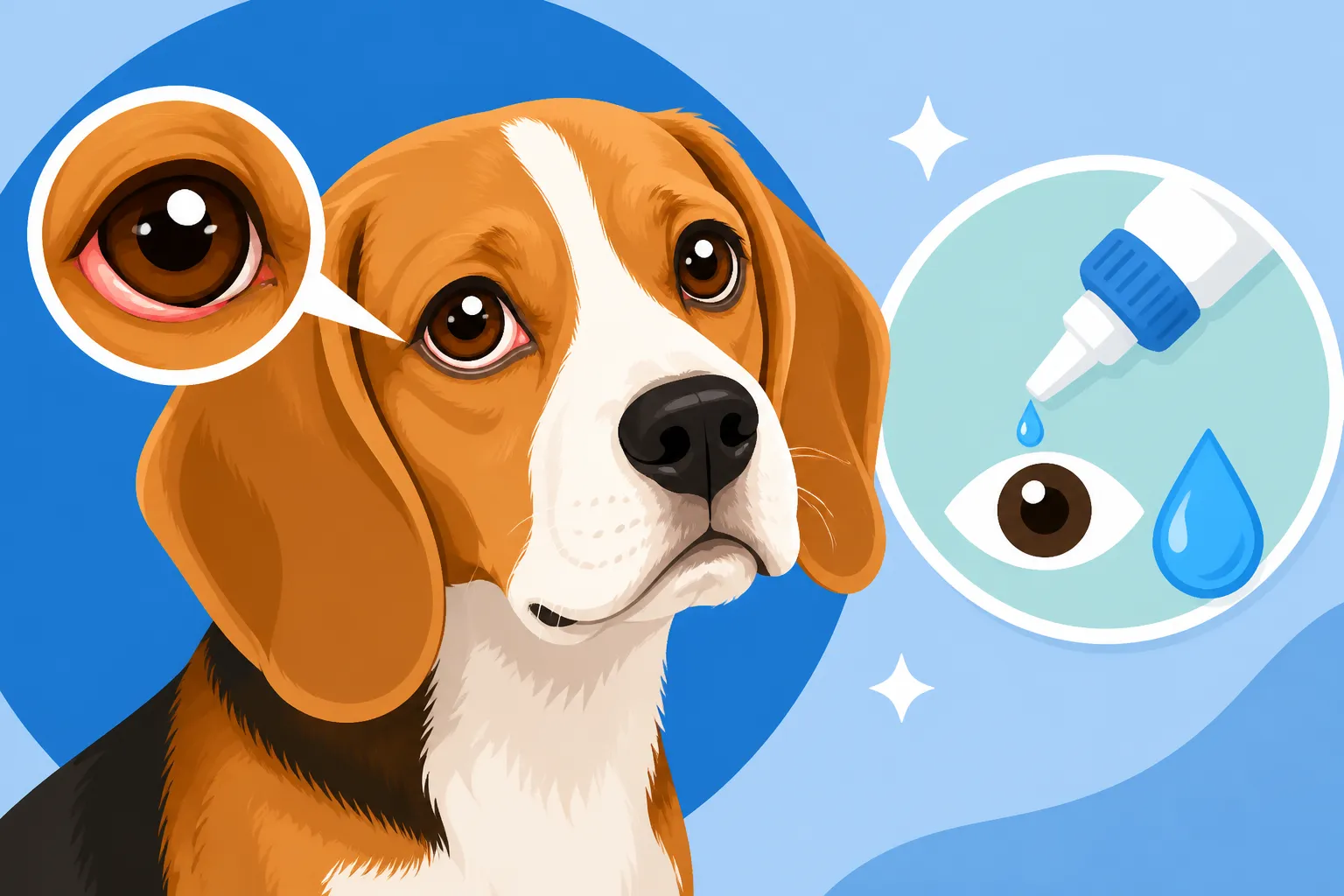
As KCS progresses and tear production significantly diminishes, the symptoms become much more apparent and concerning. You’ll likely start to see a thick, tenacious, yellowish or greenish discharge accumulating in the corners and sometimes even coating the eye surface itself. This isn’t just normal eye gunk; it’s a direct result of the eyes trying to compensate for the lack of healthy tears by producing more mucus and cellular debris. Your Beagle’s eyes will probably look decidedly bloodshot, indicating significant inflammation and irritation of the delicate eye tissues.
Pain and discomfort will become evident, with your Beagle squinting, holding one or both eyes partially closed, or rubbing their face frequently against furniture or their paws. This constant rubbing can unfortunately lead to secondary infections or even corneal abrasions, making the problem worse. The cornea itself, the clear front surface of the eye, might start to look cloudy, hazy, or even have a bluish tint. In severe, long-standing cases, the cornea can develop dark pigment (melanin) deposits, which appear as black spots or patches. This corneal pigmentation is a serious sign as it can significantly impair vision, making the world a much blurrier place for your sniff-happy Beagle. If left untreated, KCS can lead to corneal ulceration, rupture, and even permanent blindness.
When It's More Than Just "Allergies"
It's common for owners to initially mistake dry eye symptoms for environmental allergies, especially if their Beagle also suffers from Beagle Skin Allergies and Constant Itching. While allergies can cause red, itchy eyes and some discharge, the persistent, thick, mucoid discharge and corneal changes seen in KCS are usually much more pronounced and specific. With allergies, the discharge tends to be clearer and watery, and the primary symptom is often intense itching, leading to rubbing.
With KCS, the underlying issue is a lack of lubrication and protection, leading to direct damage to the eye surface. If you've tried antihistamines or flushing your Beagle’s eyes for "allergies" and seen no lasting improvement, or if the discharge is consistently thick and sticky, it's a strong indicator that you're dealing with something beyond typical seasonal sniffles. It’s important not to self-diagnose and instead seek professional veterinary advice to get an accurate diagnosis and appropriate treatment.
Diagnosing Dry Eye: The Schirmer Tear Test
The good news is that diagnosing KCS is usually straightforward and involves a relatively quick and painless test performed right in your vet's office. This simple procedure helps confirm whether your Beagle's tear production is indeed compromised.
The Simple Test Your Vet Will Perform
The most common and definitive diagnostic tool for KCS is the Schirmer Tear Test. It’s wonderfully low-tech yet incredibly effective. Your veterinarian will take a small, specially designed strip of filter paper, folded at one end. This folded end is carefully placed inside your Beagle’s lower eyelid, typically for one minute. The strip has a millimeter scale, and as tears are produced, they wick up the paper.
After one minute, the strip is removed, and the vet measures how many millimeters of the strip have become wet. A normal reading for a healthy Beagle is generally considered to be 15 millimeters per minute or more. If your Beagle's reading falls significantly below this, usually less than 10 mm/minute, and especially below 5 mm/minute, it's a strong indicator of KCS. The lower the reading, the more severe the dry eye condition. This simple test provides an objective measurement of tear production, taking the guesswork out of diagnosis.
Ruling Out Other Eye Conditions
While the Schirmer Tear Test is excellent for confirming KCS, your vet will also perform a thorough ophthalmic examination to rule out other eye conditions that might present with similar symptoms or co-exist with dry eye. This might include checking for Beagle Cherry Eye and Glaucoma, both of which can cause redness and discomfort. Cherry eye, for instance, appears as a red mass in the inner corner of the eye, a prolapsed gland of the third eyelid, rather than a problem with tear production itself. Glaucoma, on the other hand, involves increased pressure within the eye, leading to pain and often a hazy cornea, but the underlying cause is different.
Your vet may also check for conditions like Beagle Eyelash Problems That Scratch the Cornea, such as distichiasis or ectopic cilia, where eyelashes grow in abnormal locations and irritate the eye, or entropion, where the eyelid rolls inward. Fluorescein staining, a special dye, might be used to check for corneal ulcers, which can occur as a complication of KCS or from other trauma. By systematically evaluating all aspects of your Beagle's eyes, your veterinarian can ensure an accurate diagnosis and tailor the most effective treatment plan. A comprehensive eye exam is often part of the broader Beagle Health Testing Under CHIC recommendations for breeders, highlighting the importance of eye health.
Treatment Options: Daily Drops and Beyond
Once dry eye is diagnosed, the focus shifts to management. For most Beagles, KCS is a lifelong condition, meaning consistent, daily treatment is absolutely vital to keep their eyes comfortable and healthy, and to prevent further damage.
Lifelong Commitment to Daily Eye Drops
The cornerstone of KCS treatment in Beagles involves specific eye drops that work to stimulate tear production and manage the immune response. The most commonly prescribed medications are cyclosporine (often known by the brand name Optimmune) and tacrolimus. These are immune-modulating drugs that help suppress the immune system's attack on the tear glands, allowing them to hopefully resume some level of normal function. It’s important to understand that these aren’t just lubricating drops; they are targeting the root cause of the immune-mediated KCS.
These drops usually need to be administered twice a day, every single day, for the rest of your Beagle’s life. Consistency is absolutely key. Skipping doses can quickly lead to a return of symptoms and a worsening of the condition. While this might sound like a daunting commitment, the relief it brings your Beagle and the preservation of their vision makes it incredibly worthwhile. Your vet will often start with a slightly higher frequency and then determine the maintenance dose based on your Beagle’s response, as measured by follow-up Schirmer Tear Tests.
Administering Eye Drops Like a Pro
Giving your Beagle eye drops twice a day might feel like a wrestling match initially, but with patience, positive reinforcement, and a few tricks, it can become a smooth routine. The goal is to make it as stress-free as possible for both of you.
- Preparation is Key: Have everything ready – the drops, a soft towel (for wiping excess), and a high-value treat.
- Choose Your Spot: Find a comfortable, quiet place where your Beagle feels secure. This might be on the couch next to you, on your lap, or on the floor.
- Positioning: Gently hold your Beagle’s head steady with one hand, usually from above, using your thumb to gently pull down the lower eyelid and your index finger to lift the upper eyelid.
- Administer the Drop: With your other hand, hold the eye drop bottle about an inch or two above the eye. Aim for the center of the eye or the pocket created by the lower lid. Squeeze out one drop, making sure the tip of the bottle doesn't touch the eye to avoid contamination.
- Let Them Blink: Allow your Beagle to blink naturally. This helps distribute the medication across the eye surface.
- Reward! Immediately follow with praise and that amazing treat. Make it a positive experience!
If your Beagle is particularly resistant, try wrapping them in a towel like a burrito, leaving only their head exposed. Some owners find it easier to administer drops from behind their dog's head. Remember, short, positive sessions are better than prolonged struggles. If you're struggling, don't hesitate to ask your vet or vet tech for a demonstration.
Additional Support and Management
Beyond the primary tear-stimulating drops, your vet might recommend additional treatments to support your Beagle’s eye health, especially during flare-ups or if secondary issues arise.
- Artificial Tears: While cyclosporine or tacrolimus stimulate tear production, artificial tears can provide immediate lubrication and comfort, especially in severe cases or when starting treatment. They don't stimulate natural tear production but help keep the eye moist and wash away irritating debris.
- Antibiotic Eye Drops/Ointments: If secondary bacterial infections develop due to the compromised eye surface, your vet will prescribe antibiotic drops or ointments to clear them up.
- Anti-inflammatory Drops: Sometimes, additional anti-inflammatory drops (like topical steroids) might be used short-term to reduce severe inflammation, but these must be used cautiously and only under veterinary guidance, as they can sometimes worsen corneal ulcers.
- Regular Cleaning: Keeping the area around your Beagle’s eyes clean is crucial. Gently wipe away any discharge with a soft, damp cloth or sterile eye wipe several times a day to prevent crusting and further irritation. This is similar to the diligent care needed for Cleaning a Beagle Ear Before Infection Starts.
- Regular Vet Check-ups: Because KCS is a chronic condition, regular follow-up appointments with your vet are essential. They will monitor tear production with repeat Schirmer tests, check for corneal changes, and adjust medication as needed. This ongoing care is part of the broader commitment to a Senior Beagle Care After the Age of Ten or any Beagle with a chronic condition.
Living with Dry Eye: Protecting Your Beagle's Vision
Living with a Beagle diagnosed with KCS means integrating daily eye care into your routine, but it's a manageable condition with diligent effort. The long-term health and comfort of your furry friend depend on it.
Creating a Low-Irritant Environment
Environmental factors can significantly impact a Beagle with dry eye. Dust, smoke, wind, and even certain aerosols can further irritate an already compromised eye surface. Think about how much more sensitive your own eyes feel when they’re dry and then imagine that multiplied for your Beagle.
- Minimize Dust: Regularly dust and vacuum your home to reduce airborne particles.
- Avoid Smoke: Keep your Beagle away from cigarette smoke, wood-burning fireplaces, or strong fumes.
- Protect from Wind: On windy days, consider shorter walks or having your Beagle wear doggles (protective eyewear) if they tolerate them, especially if riding in the car with the windows down.
- Humidifiers: In dry climates or during winter when indoor heating dries out the air, a humidifier in the rooms where your Beagle spends most of their time can help.
- Grooming: Keep the fur around their eyes trimmed short to prevent hair from irritating the cornea or collecting discharge. This is just one aspect of thorough Beagle Grooming and That Shedding Double Coat.
The Importance of Consistent Care
I cannot stress this enough: consistency is paramount when managing KCS. This isn't a condition that "gets better" and then allows you to stop the medication. It's a chronic issue, and the immune-modulating drops work by continuously suppressing the immune attack on the tear glands. Stopping the drops, even for a few days, can lead to a rapid return of inflammation and a decline in tear production. This can undo weeks or months of progress, potentially causing irreversible damage to the cornea, including scarring and pigmentation that can permanently reduce vision.
Think of it like managing Beagle Hypothyroidism and the Weight It Puts On; once diagnosed, daily thyroid medication is a lifelong requirement to maintain normal function. Diligent adherence to the prescribed regimen ensures your Beagle remains comfortable, their eyes stay healthy, and their precious vision is preserved for years to come.
Financial Considerations and Insurance
A diagnosis of KCS often means a lifelong commitment not just to daily care, but also to ongoing expenses for medication and regular veterinary check-ups. The cost of cyclosporine or tacrolimus eye drops, even in generic forms, can add up over time. Plus, you’ll have the expenses of artificial tears, cleaning solutions, and those crucial follow-up vet visits to monitor progress.
This is where planning ahead with something like pet insurance can make a significant difference. If you were lucky enough to enroll your Beagle in a pet insurance plan, such as those offered by Healthy Paws, before any symptoms of dry eye appeared, the ongoing costs of these lifelong drops and veterinary visits for KCS might be significantly more manageable. Most pet insurance policies consider pre-existing conditions, so it's vital to have coverage in place before a chronic condition like KCS is diagnosed. Understanding Beagle Pet Insurance and What It Runs a Month can help you prepare for these possibilities. For many, pet insurance provides invaluable peace of mind when facing chronic health challenges.
| Symptom Category | Early Signs (Subtle) | Advanced Signs (Obvious) |
|---|---|---|
| Appearance | Dull, less shiny eyes | Bloodshot, very red eyes |
| Slight redness of conjunctiva | Cloudiness, haziness, or blue tint to cornea | |
| Dark pigmentation (black spots) on cornea | ||
| Discharge | Thin, clear or whitish discharge, often in corners | Thick, yellowish-green, mucoid discharge |
| More frequent "sleepy dust" accumulation | Discharge coating the eye surface | |
| Behavioral | Increased blinking | Squinting, holding eyes partially closed |
| Mild pawing or rubbing at face | Frequent, intense rubbing of face/eyes | |
| Sensitivity to light (photophobia) | ||
| Pain/Discomfort | Subtle signs of irritation | Obvious signs of pain (whining, head shaking, lethargy) |
| Vision | No noticeable vision changes | Impaired vision, bumping into objects |
| Total blindness in severe, untreated cases |
Disclaimer
This article is intended for informational purposes only and does not constitute medical advice. Always consult with a qualified veterinarian for any health concerns or before making any decisions about your Beagle’s medical care.