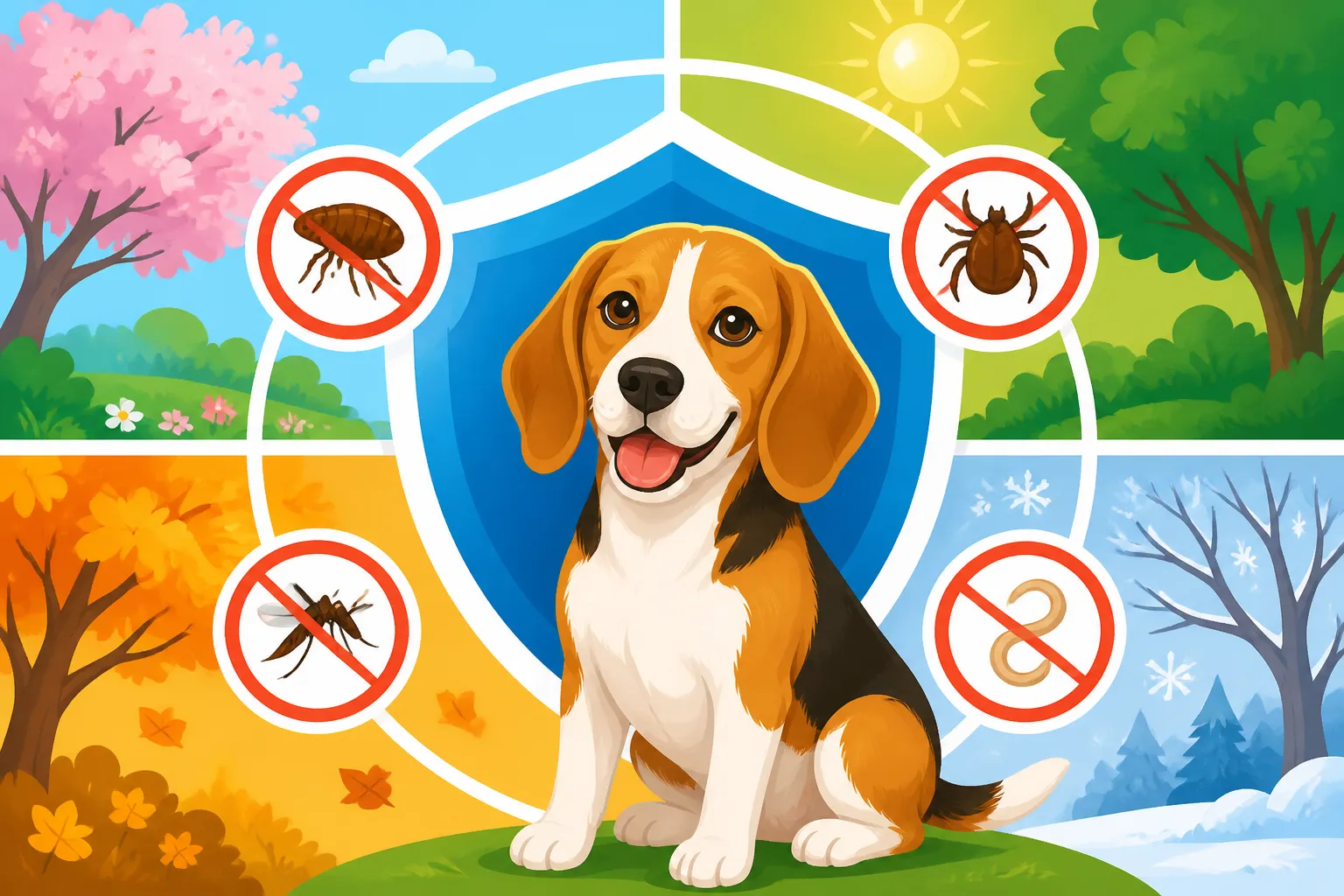
Year-Round Parasite Prevention for a Beagle
It's a common worry among Beagle owners: how do you keep your energetic, nose-to-the-ground companion safe from the creepy crawlies and invisible threats that seem to be everywhere? The truth is, parasites are a year-round concern, not just a seasonal nuisance, and skipping prevention can lead to serious health issues for your beloved hound. This guide will walk you through everything you need to know about implementing effective, consistent parasite prevention for your Beagle, ensuring they stay healthy and happy no matter the season.
Why Year-Round Prevention is Non-Negotiable for Beagles
Beagles are naturally curious, highly scent-driven dogs. Their very nature—nose to the ground, exploring every bush and blade of grass—puts them at a higher risk for encountering parasites. It's not just about protecting them from discomfort; it's about safeguarding their long-term health from potentially devastating diseases. Their inquisitive noses lead them into all sorts of nooks and crannies where parasites love to hide, making them prime targets for fleas, ticks, and microscopic worm eggs.
The Beagle's Lifestyle and Exposure Risk
Let's face it, a Beagle’s nose is their superpower. They live to sniff, track, and explore, which means they spend a lot of time with their faces buried in grass, leaf litter, and dirt where fleas, ticks, and microscopic worm eggs lurk. Whether you’re on a long hike in the woods or just letting them potter around your backyard, your Beagle is constantly interacting with environments that could harbor these unwelcome guests. This isn't a problem unique to rural Beagles; urban parks and even your own pavement can be host to parasite eggs and larvae carried by other animals.
Imagine your Beagle, utterly absorbed in a scent, tracing the path of a squirrel or rabbit through tall grass. While they're blissfully following that invisible trail, ticks are just waiting for an opportunity to hitch a ride. Similarly, a quick investigation of a communal potty spot can expose them to intestinal worm eggs left behind by other dogs. Their low-slung bodies and dense coats also make them prime targets, offering plenty of cozy places for parasites to hide and breed unnoticed, especially those famous long ears. These ears, designed for trapping scent, can also unfortunately trap moisture and debris, making them susceptible to other issues like Beagle Ear Infections and the Drooping Ear Flap.
It's easy to think of parasite prevention as something only for "outdoorsy" dogs, but a Beagle's inherent drive means even a well-contained, seemingly pristine backyard can present risks. They'll dig, they'll roll, and they'll explore every nook and cranny. This constant interaction with the environment means continuous exposure potential, making a consistent prevention strategy paramount for their well-being. Their drive to explore is a joy to watch, but it also comes with responsibilities for their safety and health.
The Myth of Seasonal Risk
Many people mistakenly believe that parasites like fleas and ticks disappear in colder months. This simply isn't true anymore, if it ever truly was. Modern heating and climate change mean that flea and tick populations can thrive indoors year-round, or survive mild winters outdoors. Fleas, for example, are quite adept at surviving in carpet fibers, pet bedding, and cracks in floorboards, emerging to feed on your Beagle whenever the opportunity arises. It's not uncommon to hear stories of flea infestations suddenly appearing in the dead of winter because a few resilient fleas found refuge indoors.
Ticks, too, are surprisingly resilient. While some species might be less active in freezing temperatures, others, like the blacklegged tick (deer tick), can remain active even on days above freezing. They’ll simply go dormant under snow or leaf litter and re-emerge when temperatures climb, often surprising owners who've let their guard down. Heartworm, spread by mosquitoes, is another year-round threat, as mosquitoes can find sheltered places to overwinter in basements, garages, or even storm drains and emerge during unseasonably warm spells. A single warm day can be enough for them to become active and potentially infect your Beagle.
Because of this persistent threat, relying on seasonal prevention is like leaving the back door open for half the year. Your Beagle could pick up parasites during an unexpected warm snap in December, or from an infestation thriving in your neighbor's heated garage. Year-round prevention offers uninterrupted protection, giving you peace of mind that your Beagle is always covered, regardless of the weather outside or the subtle shifts in parasite activity. It removes the guesswork and the potential for a dangerous lapse in protection.
Common Beagle Parasites and Their Dangers
Understanding what you're protecting your Beagle from is half the battle. There's a whole ecosystem of tiny invaders out there, and each one poses unique risks, from mild irritation to life-threatening disease. Knowing the enemy helps you appreciate the importance of vigilance.
Fleas and the Itchy Beagle
Fleas are arguably the most common and visible external parasite, and for a Beagle, they can be a real nightmare. These tiny, reddish-brown insects feed on blood, causing intense itching, scratching, and general misery. A single flea can lay dozens of eggs a day, quickly leading to a full-blown infestation in your home. For some Beagles, fleas can trigger flea allergy dermatitis (FAD), where even a single bite can cause a severe, widespread allergic reaction, leading to relentless scratching, hot spots, and secondary skin infections. If your Beagle is scratching uncontrollably, even when you don't see fleas, it might be a sign of this allergy. Beagle Skin Allergies and Constant Itching can often be traced back to fleas, even when other causes are suspected.
Beyond the immediate discomfort, fleas can transmit tapeworms if your Beagle ingests an infected flea while grooming. They can also cause anemia, particularly in puppies or small Beagles with heavy infestations, as they lose too much blood to the feeding parasites. This is why consistent flea prevention is crucial, not just for comfort but for preventing other health complications. Without proper prevention, you're not just fighting a few bugs; you're battling a potentially chronic condition that impacts your Beagle's quality of life and your own peace of mind when their scratching keeps you up at night.
Ticks and Disease Transmission
Ticks are more than just gross; they are dangerous vectors for a host of serious diseases that can severely impact a Beagle's health. When a tick bites and attaches to your Beagle, it can transmit bacteria and other pathogens directly into their bloodstream. Common tick-borne diseases in dogs include Lyme disease, Ehrlichiosis, Anaplasmosis, and Rocky Mountain Spotted Fever. Symptoms of these diseases can range from lameness, lethargy, and fever to joint pain and even organ damage. Some, like Lyme disease, can lead to chronic joint issues and kidney problems if left untreated.
The problem with ticks is that they often attach in hard-to-see places—between toes, in ear flaps, under collars, or in skin folds. A Beagle's dense coat and low-to-the-ground sniffing habits make them particularly susceptible. Catching them early is critical, but relying on daily checks alone isn't foolproof, especially with a dog that loves to roll and hide. Many tick-borne diseases require the tick to be attached for a certain period (often 24-48 hours) to transmit the pathogen, which is why preventive medications that kill ticks quickly are so vital. Think of it this way: a tick dying shortly after attaching might not transmit disease, but one that stays on for days will. This rapid killing action is a key benefit of modern tick preventatives.
Heartworms: The Silent Killer
Heartworm disease is insidious and terrifying because it often shows no symptoms until the infection is advanced. It's transmitted through the bite of an infected mosquito, which injects heartworm larvae into your Beagle's bloodstream. These larvae mature into adult worms that can grow up to a foot long and live in the heart, lungs, and associated blood vessels, causing severe lung disease, heart failure, and damage to other organs. The impact can be devastating, leading to a persistent cough, reduced exercise tolerance, weight loss, and ultimately, death if untreated.
Treatment for heartworm disease is complex, expensive, and risky, involving multiple injections of an arsenic-based drug, strict cage rest, and potential complications. It's a far cry from the relatively simple, monthly prevention. It’s important to understand that heartworm prevention kills the larvae before they can mature, not the adult worms. This is why annual testing is crucial, and why giving preventatives to an already infected dog can be dangerous. The best offense is a good defense when it comes to heartworm. Because mosquitoes are present in most climates for at least part of the year, and can survive indoors, year-round heartworm prevention is absolutely non-negotiable for every Beagle. Even if you live in a colder climate, a single infected mosquito can be enough to transmit this deadly disease, making Beagle Heart Disease and Murmurs a potential outcome if prevention isn't consistent.
Intestinal Worms and Their Impact
While fleas, ticks, and heartworms often get the most attention, intestinal worms are another persistent threat to Beagles. Common types include roundworms, hookworms, whipworms, and tapeworms. These parasites live in your Beagle's digestive tract and can cause a range of symptoms, from vomiting, diarrhea, and weight loss to a dull coat, pot-bellied appearance (especially in puppies), and even anemia. Some worms, like roundworms and hookworms, can also be transmitted to humans, posing a public health risk, particularly to children and immunocompromised individuals.
Beagles are at high risk for acquiring intestinal worms due to their constant sniffing and potential ingestion of contaminated soil, feces, or prey animals (like rodents). Puppies can even acquire roundworms from their mothers before birth or through nursing, highlighting the importance of deworming protocols for young pups. Many heartworm preventatives also include dewormers for common intestinal parasites, making combination products a smart choice. Regular fecal exams at your vet are important to detect less common worms or resistant infections, but routine prevention greatly reduces the risk.
Here's a quick overview of common Beagle parasites:
| Parasite Type | Mode of Transmission | Common Symptoms in Beagles | Potential Dangers | Prevention Strategy |
|---|---|---|---|---|
| Fleas | Direct contact, contaminated environment | Intense itching, scratching, "flea dirt" | Flea allergy dermatitis, tapeworms, anemia | Oral/topical medications, environmental control |
| Ticks | Direct contact with vegetation | Visible attachment, head shaking | Lyme disease, Ehrlichiosis, Anaplasmosis, Rocky Mountain Spotted Fever | Oral/topical medications, regular checks |
| Heartworms | Mosquito bites | Coughing, lethargy, weight loss, difficulty breathing (advanced) | Severe lung disease, heart failure, death | Monthly oral/topical medication, injections |
| Roundworms | Ingestion of eggs, mother to puppy | Pot-belly, dull coat, vomiting, diarrhea | Malnutrition, intestinal blockage, human transmission | Oral dewormers (often in heartworm meds) |
| Hookworms | Ingestion of larvae, skin penetration | Anemia, bloody diarrhea, weight loss | Severe blood loss, weakness, human transmission | Oral dewormers (often in heartworm meds) |
| Whipworms | Ingestion of eggs | Chronic diarrhea, weight loss, bloody stool | Anemia, intestinal inflammation | Oral dewormers (often in heartworm meds) |
| Tapeworms | Ingestion of infected fleas or prey animals | Scooting, visible segments in feces | Mild irritation, nutrient competition | Flea control, oral dewormers |
Choosing the Right Prevention Plan for Your Beagle
With so many options on the market, selecting the best parasite prevention for your Beagle can feel overwhelming. It's not a one-size-fits-all situation, and what works for one dog might not be ideal for another. The most crucial step is consulting with your veterinarian, who can tailor a plan based on your Beagle's specific risk factors, lifestyle, and local parasite prevalence. They are your primary partner in making these important health decisions.
Topical vs. Oral Medications
When it comes to flea and tick prevention, you generally have two main categories: topical treatments and oral medications. Both are highly effective, but they work differently and have different application considerations.
Topical treatments, often called "spot-ons," are applied to a small area of your Beagle's skin, typically between the shoulder blades. The active ingredients then spread across the skin and hair follicles, or are absorbed into the bloodstream. These can be convenient for owners who prefer not to give pills, but they do have considerations. Some Beagles might have skin sensitivities to certain topicals, leading to irritation. Also, you need to be careful about bathing your Beagle right after application, and ensure children or other pets don't touch the wet application site for at least 24-48 hours. Brands like K9 Advantix II are popular topical options and provide good coverage, but the application must be precise to ensure effectiveness.
Oral medications, on the other hand, are given by mouth, often as a tasty chewable tablet. These are increasingly popular because once ingested, they can't be washed off, and there's no residue for children or other pets to come into contact with. Oral preventatives work by being absorbed into the bloodstream, killing fleas and ticks when they bite your Beagle. Many owners find these easier to administer, especially if their Beagle is food-motivated (which, let's be honest, most Beagles are!). Popular oral brands include Bravecto, NexGard, and Simparica. The choice between topical and oral often comes down to personal preference, your Beagle's reaction, and your vet's recommendation. Some Beagles, for example, might have a reaction to one type of oral medication but do perfectly fine on another, so don't be afraid to discuss alternatives.
Combination Products for Broader Protection
For comprehensive parasite prevention, many vets recommend combination products. These are single medications that protect against multiple parasites, streamlining your Beagle's treatment regimen. For instance, many heartworm preventatives also include ingredients that kill and control common intestinal worms like roundworms and hookworms. Some go even further, combining heartworm and intestinal worm protection with flea and tick control in one monthly or quarterly dose. This holistic approach simplifies your life and provides robust protection.
Using a combination product can simplify your routine, reducing the number of different medications you need to remember to administer each month. This can be especially helpful for busy families or those who find it challenging to give multiple types of medication. However, it's vital to ensure the combination product covers all the parasites prevalent in your specific area and that your Beagle is at risk for. Your vet will have the most up-to-date information on local parasite risks and can guide you toward the best broad-spectrum option for your companion. Always check the label and consult your vet to ensure complete coverage for your specific region's parasite threats.
The Importance of Vet Guidance
Never try to navigate the world of parasite prevention alone. Your veterinarian is your best resource. They can assess your Beagle's individual needs, taking into account their age, health status (for example, if they have Beagle Epilepsy and Seizures From Six Months On or other conditions that might interact with medications), geographical location, and lifestyle. For instance, a Beagle that spends a lot of time hiking in heavily wooded areas might need a more aggressive tick prevention strategy than one that's mostly indoors.
Your vet will also perform annual or semi-annual physical exams and conduct necessary diagnostic tests, such as a heartworm test before starting or refilling heartworm medication. This is crucial because giving heartworm preventative to a Beagle that already has heartworms can be dangerous, potentially leading to severe reactions. They can also advise on potential side effects, drug interactions, and ensure you're using products safely and effectively. It’s also wise to consider pet insurance, like a plan from Healthy Paws, which can help cover the costs of unexpected parasite-borne illnesses should your prevention ever fail, or for diagnostic tests associated with maintaining your Beagle's health. While prevention is key, accidents can happen, and having that safety net is invaluable for peace of mind, especially with a breed as prone to exploration as a Beagle. Your vet's expertise ensures your Beagle receives the most appropriate and safest care.
Integrating Prevention into Daily Beagle Care
Parasite prevention isn't just about giving a pill or applying a topical once a month; it's about a consistent, holistic approach that weaves into your Beagle's everyday life. It requires diligence and an understanding of how your Beagle interacts with their environment.
Consistent Administration
Consistency is absolutely paramount for effective parasite prevention. Missing a dose, administering it late, or not applying it correctly can create gaps in protection, leaving your Beagle vulnerable. Mark your calendar, set phone reminders, or use a subscription service that delivers your Beagle's medication on schedule. Treat it like a non-negotiable part of their routine, just like feeding or walking. The goal is to make it as routine as their morning meal.
If you have a particularly finicky Beagle who resists pills, discuss strategies with your vet. Many oral medications are flavored, but for those truly stubborn hounds, hiding a pill in a favorite treat (like a dollop of peanut butter or cream cheese, or a piece of cheese) can often do the trick. Just make sure they actually swallow the pill and don't just eat the treat around it! For topical treatments, ensure your Beagle is dry before application and remains dry for the recommended period afterward. Patience and a positive association (e.g., following medication with a special treat or praise) can make the process smoother for both of you. This consistent care also ties into overall health management, like regular check-ups which are especially important for Beagle Vet Visit Frequency After the Age of Ten where immune systems may be less robust.
Environmental Control Strategies
Beyond direct medication, managing your Beagle's environment plays a significant role in minimizing parasite exposure. Regularly vacuuming your home, especially areas where your Beagle sleeps, can help remove flea eggs, larvae, and pupae. Flea eggs can fall off your Beagle anywhere, so regular cleaning is key to breaking the flea life cycle indoors. Washing your Beagle's bedding weekly in hot water is also a great habit. If you have an active flea infestation, you might need to use household flea sprays or call a professional exterminator, but consistent prevention makes such drastic measures less likely.
Outdoors, keep your yard tidy by mowing grass regularly and removing leaf litter, which reduces hiding spots for ticks. If your Beagle loves exploring dense brush, consider walking them in areas with shorter vegetation. Always perform thorough tick checks after walks in wooded or grassy areas, especially checking those deep ear flaps and between their paw pads, as well as under their chin and around their tail. If you find a tick, remove it carefully with fine-tipped tweezers, grasping it as close to the skin as possible and pulling straight up without twisting. Dispose of it properly in alcohol or by flushing it. Remember, an ounce of prevention in your yard can be worth a pound of cure in your home, and reducing tick habitat is a proactive step.
Budgeting for Prevention
The cost of year-round parasite prevention might seem like a lot up front, but it pales in comparison to the expenses associated with treating a severe infestation or a serious parasite-borne illness. Think of it as an investment in your Beagle's long-term health and your financial peace of mind. Investing in prevention now saves you from much larger, more stressful bills later.
For example, treating heartworm disease can cost thousands of dollars, involve weeks of strict rest, and carry significant risks, whereas a year's supply of heartworm preventative typically costs a few hundred dollars. Similarly, repeated vet visits for skin infections caused by fleas, or ongoing care for chronic conditions like Lyme disease, can quickly add up. This is where The Yearly Cost of Keeping a Beagle really comes into play, as proactive health measures often save money in the long run. Even issues like Beagle Dental Disease and Tartar Buildup can be exacerbated by systemic health problems, so a healthy, parasite-free dog is a healthier dog overall.
Many pet insurance providers, such as Healthy Paws, offer wellness plans or can help with the unexpected costs of treating illnesses that might arise despite prevention. While most pet insurance doesn't cover routine prevention itself, it's invaluable for covering the vet bills, diagnostics, and treatments if your Beagle does contract a severe parasite-borne disease. Factoring these prevention costs into your overall Beagle Food Budgets for a Dog That Never Stops Eating and general care budget is a smart financial move for any responsible Beagle owner. Ensure you discuss pricing and package deals with your vet, as some clinics offer discounts for purchasing a year's supply of medication at once.
Disclaimer
Please remember that the information provided in this guide is for educational purposes only and should not replace professional veterinary advice. Always consult with your veterinarian for accurate diagnoses, treatment plans, and specific recommendations tailored to your Beagle's individual health needs and local parasite risks.