Beagle Pain Syndrome and the Meningitis Behind It
It’s truly heart-wrenching when your normally boisterous, happy-go-lucky Beagle suddenly seems to be in pain, reluctant to move, or just not themselves. You might notice a stiff neck, a hunched posture, or even a fever that comes and goes, leaving you utterly confused and your vet scratching their head after initial exams. This guide is here to shed light on a challenging condition often diagnosed in Beagles: Beagle Pain Syndrome, also known as Steroid-Responsive Meningitis-Arteritis (SRMA), explaining what it is, how to identify it, and the path to managing it.
Unpacking Beagle Pain Syndrome: More Than Just a Sore Neck
When your beloved Beagle starts showing signs of discomfort, especially around their neck and back, it’s easy to jump to conclusions about injuries or perhaps even disc issues. But sometimes, the culprit is far more elusive and systemic, rooted deep within their own immune system. Beagle Pain Syndrome (BPS), medically known as Steroid-Responsive Meningitis-Arteritis (SRMA), is one such condition, and it can be incredibly frustrating for owners and vets alike to pinpoint.
The Elusive Nature of Beagle Pain Syndrome
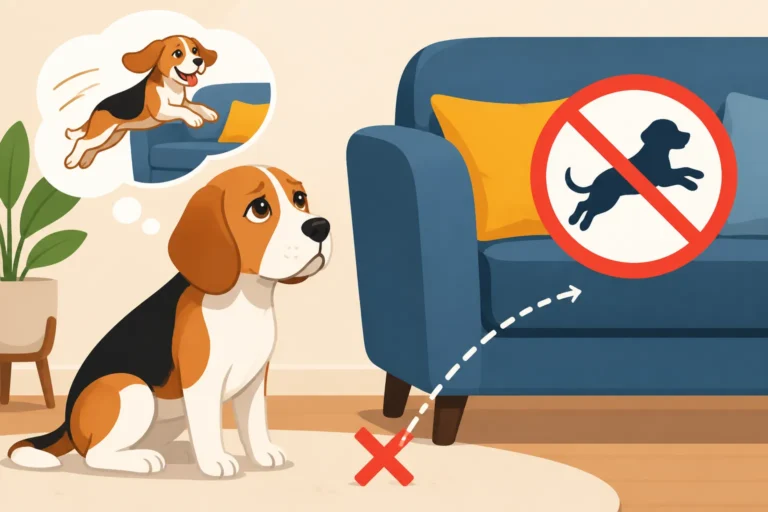
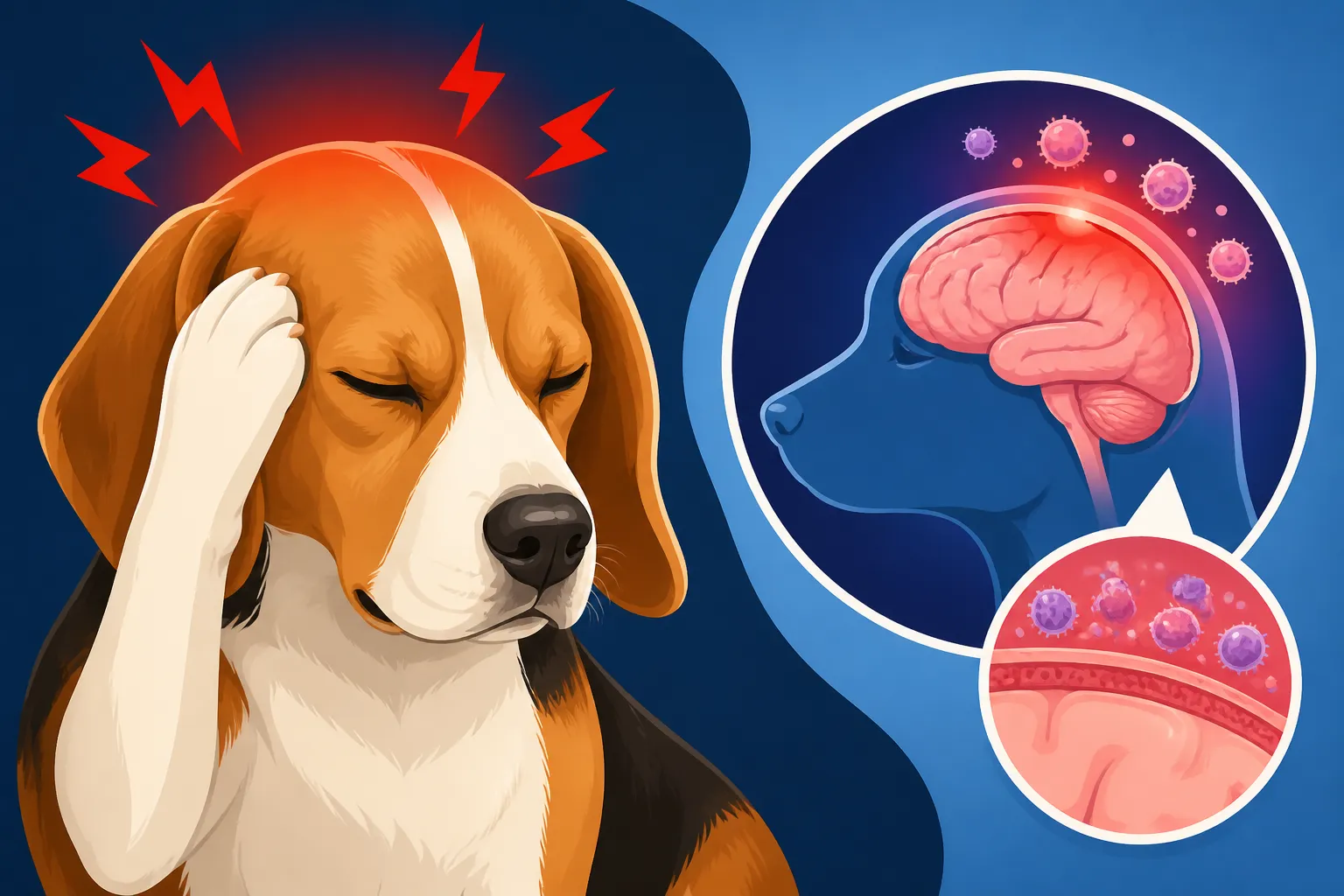
Imagine your typically active Beagle, full of life and scent-driven adventures, suddenly yelping when you try to gently pat their head or showing a strange reluctance to jump on the couch. This is often how BPS first presents itself. It’s an inflammatory condition that primarily targets the meninges – those protective membranes that encase your dog's brain and spinal cord – and sometimes the arteries around them. The "pain syndrome" part of its name truly highlights the main symptom: intense, often debilitating pain, particularly in the neck area. What makes it so elusive, and often a long road to diagnosis, is that many of the initial signs can mimic other common ailments. You might suspect a muscle strain, a minor injury from rough play, or even something like Beagle Disc Disease and That Slightly Long Back. The frustration for owners is immense, as their dog is clearly suffering, but the cause isn't immediately obvious, and standard X-rays or basic blood work might not show anything concrete. This often leads to multiple vet visits and a feeling of helplessness until a more specific diagnostic path is taken.
The Inflammatory Mechanism: What's Happening Inside
At its core, Beagle Pain Syndrome is an autoimmune disease, meaning your Beagle's own immune system, for reasons not fully understood, mistakenly launches an attack on its healthy tissues. In this case, it targets the meninges, leading to inflammation. Think of it like a persistent, internal swelling around the most sensitive and critical parts of the central nervous system. This inflammation is what causes the profound pain and stiffness that Beagles with BPS experience. It's not an infection caused by bacteria or viruses, but rather an overreaction by the body's defense mechanisms. Because the inflammation can also affect small arteries, it can sometimes lead to broader systemic signs, though the pain is usually paramount. This internal battle creates a cycle of discomfort, and without intervention, the inflammation can persist and potentially lead to more severe, long-term neurological problems if left untreated. Understanding that it's an inflammatory, autoimmune process is key to grasping why specific treatments, particularly steroids, are so effective.
Recognizing the Red Flags: Symptoms of Beagle Pain Syndrome
Catching Beagle Pain Syndrome early can make a significant difference in how quickly your dog responds to treatment and their overall prognosis. However, as mentioned, the symptoms can sometimes be vague or mimic other conditions, making a keen eye from owners absolutely essential.
The Classic Signs: Pain, Stiffness, and Fever
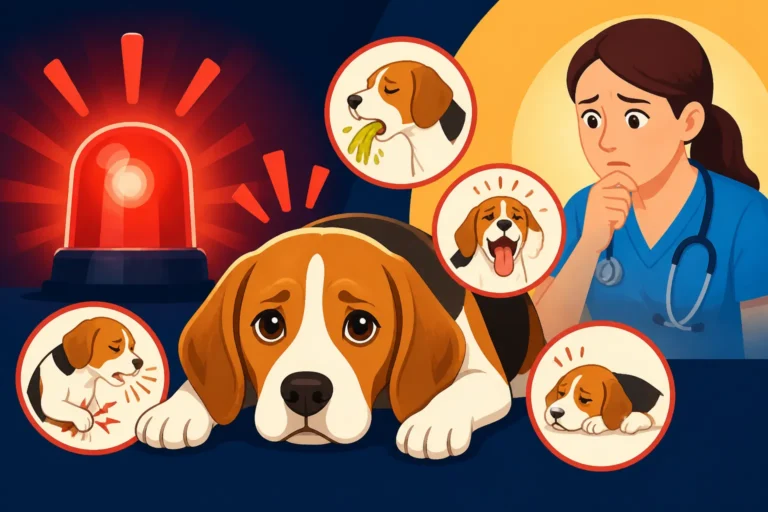
The most prominent indicator of BPS is undoubtedly pain, especially around the neck and sometimes extending down the spine. Owners often report their Beagle suddenly being unwilling to turn their head, yelping when touched near the neck, or holding their head low in a guarded position. This neck stiffness can lead to a reluctance to jump, climb stairs, or even eat from a bowl on the floor. Accompanying this pain is often a high fever, sometimes spiking above 104°F (40°C), which can be quite alarming. This fever, combined with the pain, makes your Beagle feel miserable, leading to lethargy and a noticeable lack of their usual Beagle enthusiasm. You might observe a characteristic hunched posture, where they tuck their tail and arch their back in an attempt to alleviate discomfort. The crucial, and often frustrating, aspect of these symptoms is their waxing and waning nature. Your Beagle might seem a bit better one day, only for the severe pain and fever to return with a vengeance the next, making it even harder to track and report to your vet. This inconsistency often adds to the diagnostic challenge, creating a stressful cycle for both you and your furry companion. It's crucial to document these episodes, noting the severity, duration, and any accompanying signs.
Beyond the Obvious: Other Warning Signs
While neck pain, stiffness, and fever are the hallmarks of BPS, there are other, more subtle clues that can indicate something serious is amiss. Your Beagle might display a general malaise, showing decreased energy levels, a noticeable lack of interest in walks or play, and a reduced appetite or even complete refusal of food. They might become unusually sensitive to touch all over their body, not just the neck, indicating systemic discomfort. Some Beagles might appear withdrawn or irritable, seeking solitude rather than their usual cuddles. In some cases, though less common in the early stages, there might be subtle neurological signs like a slightly wobbly gait or weakness in their limbs, indicating more widespread inflammation affecting the spinal cord. It's important to remember that The Age Beagle Pain Syndrome Usually Appears most often in young adult Beagles, typically between 6 months and 2 years of age, though it can appear older. If you notice any combination of these signs, especially the neck pain and fever, it’s imperative to seek veterinary attention promptly. Early intervention can prevent the progression of the disease and improve your Beagle's response to treatment.
Here’s a quick comparison of common Beagle back/neck issues:
| Symptom/Condition Feature | Beagle Pain Syndrome (BPS/SRMA) | Muscle Strain/Sprain | Intervertebral Disc Disease (IVDD) |
|---|---|---|---|
| Primary Cause | Autoimmune inflammation of meninges/arteries | Acute injury, overexertion | Degeneration/herniation of spinal discs |
| Typical Onset Age | Young adult (6 months – 2 years) | Any age, often tied to activity | Middle-aged to senior, can be acute in young |
| Key Pain Location | Severe neck pain, diffuse back pain | Localized muscle soreness, neck or back | Neck or back pain, often radiating |
| Fever Presence | Common, often high (103-105°F) | Rare | Rare |
| Posture | Hunched back, head held low/guarded | Reluctance to move, stiffness | Arched back, weakness, paralysis possible |
| Neurological Signs | Less common initially, can develop | Rare | Common (wobbliness, knuckling, paralysis) |
| Diagnosis | CSF analysis, blood work, ruling out others | Physical exam, history, pain response | X-rays, MRI/CT, neurological exam |
| Treatment Mainstay | Corticosteroids | Rest, pain relief, anti-inflammatories | Rest, anti-inflammatories, surgery |
The Diagnostic Journey: Getting to a Definitive Answer
The path to diagnosing Beagle Pain Syndrome can feel like a maze, fraught with dead ends and frustrations. Because the symptoms overlap with so many other conditions, your vet will need to perform a series of tests to systematically rule out other possibilities and ultimately confirm BPS.
Initial Vet Visits and Ruling Out Other Conditions
Your first visit to the vet will typically involve a thorough physical examination, where your vet will check for pain response, neurological deficits, and general health. They’ll likely order routine blood work, including a Complete Blood Count (CBC) and a chemistry panel. While these might not give a definitive diagnosis for BPS, they can help rule out other infectious causes, assess organ function, and sometimes show non-specific signs of inflammation, such as an elevated white blood cell count (leukocytosis) or increased C-reactive protein. X-rays of the neck and spine are also common, primarily to rule out traumatic injuries, bone abnormalities, or obvious signs of disc disease. The tricky part is that with BPS, these X-rays often come back looking completely normal, which can be disheartening when your dog is clearly in agony. This "normal" finding, however, becomes an important piece of the puzzle, directing your vet towards less common causes of pain. It’s a process of elimination, which, while thorough, can understandably test an owner’s patience, especially when their beloved Beagle is clearly suffering. They might also consider ruling out conditions like Beagle Pain Syndrome Fever and Neck Stiffness from other causes, which is a symptom, not a diagnosis in itself.
The Gold Standard: Cerebrospinal Fluid Analysis
When initial tests fail to provide a clear answer, and BPS is suspected, the definitive diagnostic test is a cerebrospinal fluid (CSF) analysis, often referred to as a spinal tap. This procedure involves collecting a small sample of the fluid that surrounds your Beagle's brain and spinal cord. It's usually performed under general anesthesia due to the sensitive nature of the area and the need for your dog to remain perfectly still. The CSF sample is then sent to a specialized laboratory for analysis. What vets look for in the CSF of a Beagle with BPS is a significantly elevated white blood cell count, particularly neutrophils, indicating inflammation. Crucially, in BPS, there will be no bacterial growth, confirming that it's an inflammatory, not infectious, process. The protein levels in the CSF may also be elevated. This test is highly specialized and requires expertise, so your regular veterinarian might refer you to a veterinary neurologist or an internal medicine specialist for its execution and interpretation. It's an invasive procedure, but it's the most reliable way to confirm BPS and differentiate it from other serious neurological conditions. This is often where the real costs start to mount, and having pet insurance, such as Healthy Paws, can provide considerable relief in covering these diagnostic expenses.
Treatment Strategies: Managing BPS for a Better Quality of Life
Once a diagnosis of Beagle Pain Syndrome is confirmed, the focus shifts to aggressive treatment to bring down the inflammation and alleviate your Beagle's pain. While BPS is a chronic condition, with proper management, many Beagles can live comfortable, happy lives.
Steroid Treatment: The Cornerstone of Management
The primary and most effective treatment for Beagle Pain Syndrome is the use of corticosteroids, such as prednisone or prednisolone. These powerful anti-inflammatory medications work by suppressing the overactive immune response that causes the inflammation in the meninges. Initially, your Beagle will be prescribed a high dose to quickly bring the inflammation under control and relieve their intense pain and fever. It’s often a dramatic turnaround, and many owners report a significant improvement in their Beagle's demeanor and comfort within a day or two. However, the treatment doesn't stop there. Once the initial symptoms resolve, the steroid dose is gradually tapered down over a period of several weeks to months. This slow tapering is absolutely critical to prevent a relapse of the symptoms. Rushing the process or stopping the medication abruptly can lead to the inflammation flaring up again, sometimes even worse than before. This long-term, carefully managed steroid regimen is often what's referred to as Steroid Treatment for Beagle Pain Syndrome. Your vet will provide a detailed schedule for dosage reduction, and it's vital to follow it precisely. Be prepared for potential side effects of steroids, such as increased thirst and urination, increased appetite, and panting. These are common and usually manageable, but always discuss any concerns with your veterinarian.
Adjunctive Therapies and Long-Term Management
While corticosteroids are the mainstay, sometimes they aren't enough, or the side effects become too problematic over the long term. In such cases, your vet might introduce other immunosuppressive medications, like azathioprine or cyclosporine, to help control the inflammation while reducing the steroid dose. These drugs work differently to modulate the immune system and can be very effective in managing BPS, particularly in Beagles who experience frequent relapses or cannot tolerate high doses of steroids. Additionally, in the initial painful stages, your vet might prescribe non-steroidal anti-inflammatory drugs (NSAIDs) or gabapentin to help manage the discomfort before the steroids fully take effect.
Long-term management of BPS is truly a marathon, not a sprint. It involves regular veterinary check-ups to monitor your Beagle's condition, adjust medication doses as needed, and keep an eye on any potential side effects. Blood tests will be performed periodically to monitor liver and kidney function, especially with long-term medication use. It’s also crucial for owners to remain vigilant for any signs of relapse, even subtle ones. This commitment to continuous care is why many owners consider pet insurance. Organizations like Healthy Paws can be a godsend, as they help cover the substantial costs of ongoing medication, specialist consultations, and diagnostic tests throughout your Beagle’s life. The goal is to find the lowest effective dose of medication that keeps your Beagle comfortable and symptom-free, allowing them to enjoy a good quality of life despite their chronic condition.
Living with a Beagle with Pain Syndrome: Support and Outlook
A diagnosis of Beagle Pain Syndrome is undoubtedly challenging, but it's important to remember that it's a manageable condition. Living with a Beagle who has BPS requires patience, vigilance, and a strong partnership with your veterinary team.
Navigating Relapses and Adjusting Expectations
Even with the best treatment plan, relapses can occur. These flare-ups are often triggered by a too-rapid reduction in steroid dosage, but sometimes they can happen seemingly without cause. Recognizing the signs of a relapse early – a return of neck pain, stiffness, fever, or lethargy – is crucial. If you suspect a relapse, contact your vet immediately. They will likely recommend increasing the steroid dose temporarily to regain control of the inflammation before once again gradually tapering it down. It’s a delicate balancing act that sometimes feels like two steps forward, one step back. This can be emotionally taxing for owners, as you naturally want your Beagle to be consistently well. It requires adjusting your expectations and understanding that BPS is a chronic condition that may have periods of improvement and occasional setbacks. Maintaining a detailed journal of your Beagle's symptoms, medication doses, and any changes in behavior can be incredibly helpful for your vet in tailoring the treatment plan. It's a reminder that even resilient breeds like The Beagle From English Rabbit Packs to American Homes need our full commitment when facing chronic illness.
Proactive Care and Quality of Life Considerations
Beyond medication, several aspects of proactive care can significantly enhance your Beagle's quality of life. Ensure they have a comfortable, supportive bed that eases pressure on their joints and spine. Avoid activities that might strain their neck or back, such as rough play, jumping on and off high furniture, or pulling on a collar during walks. Consider using a harness instead of a collar to minimize pressure on their neck. Gentle, controlled exercise, like short leash walks, can be beneficial, but always listen to your Beagle's cues and avoid overexertion. Maintaining a stable, stress-free environment can also contribute to their overall well-being.
Regular vet check-ups are non-negotiable. Even when your Beagle appears to be doing well, these visits are vital for monitoring their progress, adjusting medication, and catching any potential issues early. Think of it like Beagle Vet Visit Frequency After the Age of Ten, but applied to a younger dog with a chronic condition – consistent monitoring is key. The financial aspect of managing a chronic condition like BPS can be significant, encompassing not just the cost of medication but also regular blood tests, vet appointments, and potential specialist visits. This is where pet insurance truly shines, making the long-term financial burden more manageable. Providers like Healthy Paws offer comprehensive plans that can cover a substantial portion of these ongoing medical expenses, allowing you to prioritize your Beagle’s health without constantly worrying about the bill. For many families, this financial safety net is what makes managing a condition like BPS feasible over a Beagle's lifespan, contributing greatly to their overall quality of life. Without it, The Lifetime Bill for a Beagle That Reaches Fifteen could become astronomical, especially if a chronic condition appears early.
The Broader Picture: Genetic Predisposition and Research
Understanding Beagle Pain Syndrome also involves looking at why our beloved Beagles seem more prone to it and what the future might hold in terms of prevention and better treatments.
Why Beagles Are More Susceptible
It's a frustrating reality for Beagle owners: certain breeds, including Beagles, are disproportionately affected by BPS compared to the general canine population. While the exact genetic markers that predispose Beagles to this autoimmune condition haven't been fully identified, the breed's prevalence strongly suggests a genetic component. It's not as simple as a single recessive or dominant gene like some other inherited conditions, but rather a complex interplay of genetic factors that make their immune system more likely to malfunction in this specific way. This predisposition underscores the importance of breeders being aware of the condition, though without a clear genetic test, preventing it through selective breeding remains challenging. This area of study is crucial, as identifying the underlying genetic susceptibility could pave the way for future screening tests, allowing breeders to make more informed decisions and ultimately reduce the incidence of BPS in the breed. While we may focus on things like Beagle Health Testing Under CHIC for hips and eyes, immune-mediated conditions like BPS highlight other genetic vulnerabilities that deserve attention.
Ongoing Research and Hope for the Future
The good news is that veterinary science is constantly advancing, and research into autoimmune diseases like BPS is ongoing. Scientists are working to better understand the precise mechanisms behind the immune system's attack on the meninges and arteries in Beagles. This includes investigating specific inflammatory pathways and genetic markers that could be targeted with more specific therapies in the future, potentially reducing the reliance on broad-spectrum immunosuppressants like steroids, which come with their own set of side effects. Researchers are also exploring novel diagnostic tools that might be less invasive than a spinal tap. For owners, staying informed about these advancements and, where possible, participating in research studies (if your Beagle meets the criteria) can contribute to a better understanding of the disease and ultimately lead to improved outcomes for Beagles everywhere. The more we learn about the complexities of conditions like BPS, the closer we get to finding better, more targeted ways to manage and even prevent them.
Disclaimer
The information provided in this article is for educational purposes only and is not intended to be a substitute for professional veterinary advice, diagnosis, or treatment. Always seek the advice of your veterinarian or other qualified animal health provider with any questions you may have regarding a medical condition.