The Age Beagle Pain Syndrome Usually Appears
It's utterly heartbreaking when your cheerful, scent-driven Beagle suddenly becomes withdrawn, painful, or stiff, and you're left wondering what in the world could be wrong. One of the most perplexing and often misunderstood conditions that can strike our beloved hounds is Beagle Pain Syndrome, often leaving owners scrambling for answers. This comprehensive guide will walk you through what Beagle Pain Syndrome is and, crucially, focus on the typical age range when this challenging inflammatory disease usually makes its unwelcome appearance.
Unraveling Beagle Pain Syndrome A Complex Inflammatory Condition
Beagle Pain Syndrome, often abbreviated as BPS, is a deeply distressing condition that can turn your active, happy Beagle into a dog suffering from severe pain and stiffness. It's not just a simple ache; it's a serious immune-mediated inflammatory disease that primarily affects the central nervous system, specifically the meninges—the protective membranes surrounding the brain and spinal cord—and the arteries that supply them. Understanding what BPS truly is, beyond just the visible symptoms, is the first step toward effective management and providing your beloved companion with relief.
The Immune System's Misdirection
At its core, Beagle Pain Syndrome is an autoimmune disease, meaning your Beagle's own immune system, for reasons not entirely understood, mistakenly launches an attack on its own healthy tissues. Instead of fighting off external threats like bacteria or viruses, the immune system targets the delicate lining of the brain and spinal cord. This misplaced attack causes inflammation, swelling, and subsequent pain. It's often referred to by its more clinical name, Steroid-Responsive Meningitis Arteritis (SRMA), which perfectly describes its nature: an inflammation of the meninges and arteries that responds to steroid treatment.
Imagine your body's defense system suddenly deciding that a part of you is a foreign invader and starts attacking it relentlessly. That's akin to the internal battle a Beagle with BPS is fighting. The frustration for owners is immense because this isn't an infection you can clear with antibiotics, and the exact trigger for this immune system malfunction often remains elusive. It just… happens, leaving you feeling helpless as you watch your dog suffer. This makes early recognition and appropriate diagnosis even more critical for managing your Beagle's comfort and long-term health.
The Physical Manifestation of Internal Inflammation
The internal inflammation characteristic of BPS manifests externally as a constellation of painful and often alarming symptoms. The most prominent and consistent sign is intense pain, particularly in the neck and back. Your Beagle might yelp when touched, flinch dramatically from movement, or simply refuse to move their head at all. This pain can be so severe that it prevents them from eating or drinking comfortably, or even just lifting their head to greet you. Alongside this debilitating pain, a high fever is almost always present, often making the condition initially indistinguishable from a severe infection.
You might also notice a distinct stiffness in their gait, a hunched posture, or an extreme reluctance to engage in their usual activities like jumping on the couch or climbing stairs. A vibrant, joyful Beagle can transform into a quiet, uncomfortable shadow of their former self, struggling with every movement. For a breed known for its merry disposition and boundless energy, these changes are incredibly stark and concerning. These symptoms, especially the severe neck pain and fever, are crucial indicators that your Beagle needs immediate veterinary attention. This is often when owners start looking into Beagle Emergency Signs That Cannot Wait Until Morning as the pain can be so acute.
When Beagle Pain Syndrome Typically Makes Its Appearance
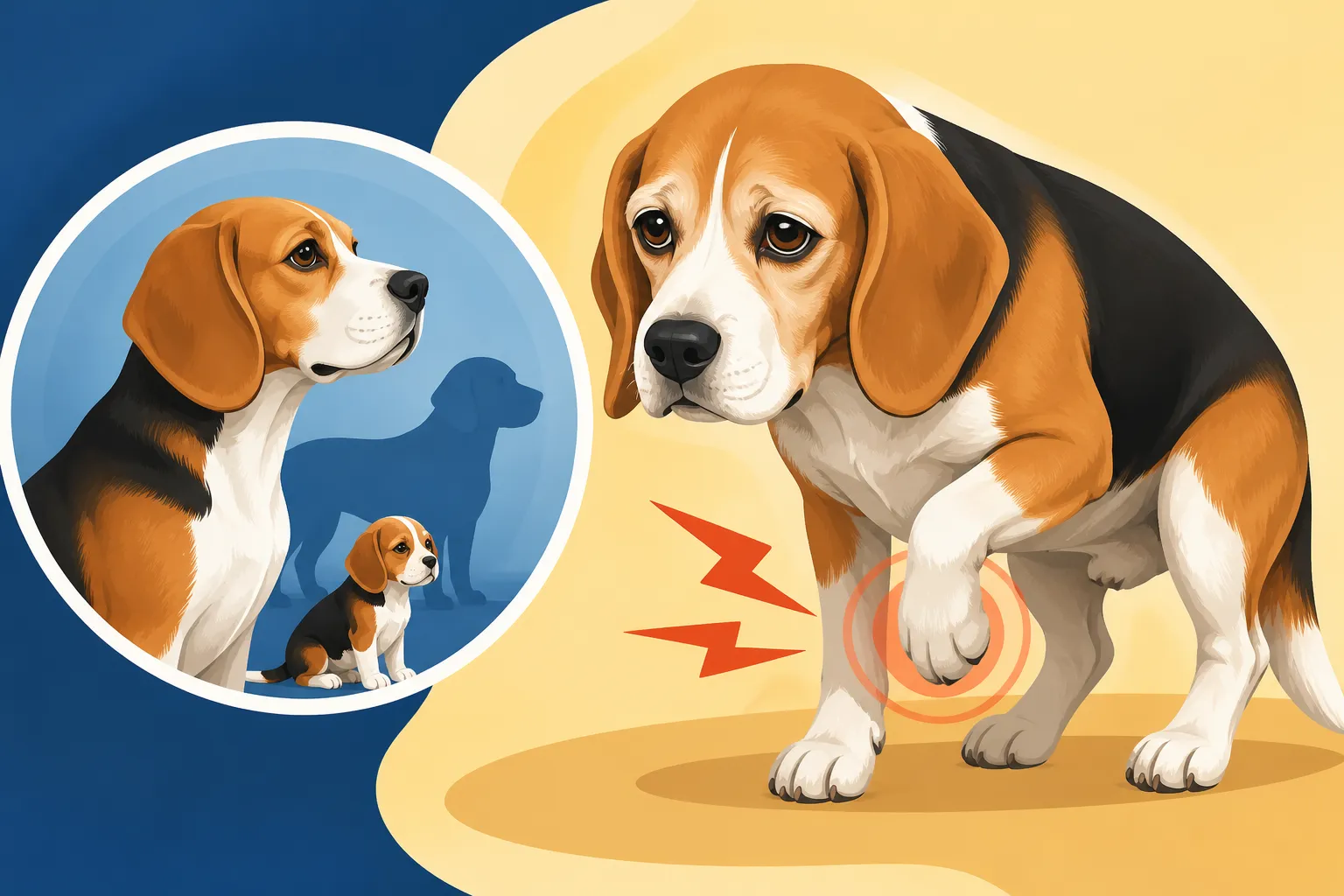
One of the most defining characteristics of Beagle Pain Syndrome is its tendency to appear within a specific age range. While it can theoretically occur at any age, BPS is overwhelmingly a disease of young Beagles, presenting most commonly in puppies and adolescents. This age specificity can be a crucial clue for veterinarians when diagnosing the condition, helping them differentiate it from other ailments that might present similarly in older dogs. Knowing this typical window of onset can also empower owners to be more vigilant during these vulnerable stages of their Beagle's life.
Juvenile Onset The Most Common Scenario
The vast majority of Beagle Pain Syndrome cases manifest when Beagles are still quite young, typically between 6 and 18 months of age. This juvenile onset is so prevalent that if a young Beagle puppy suddenly develops severe neck pain and a fever, BPS should be high on the differential diagnosis list. During this period, puppies are usually bursting with energy, exploring their world, and learning new things. To see them struck down by such intense pain and discomfort is truly heartbreaking for any owner.
I've heard countless stories of owners describing their normally boisterous 9-month-old Beagle puppy suddenly crying out when picked up, or refusing to go up or down the stairs they'd mastered weeks earlier. Their heads might be held low, almost glued to their chest, and their playful spirit replaced by lethargy and withdrawal. This period often coincides with other routine puppy health checks, which means vets might initially explore more common puppy ailments. However, the persistent fever and the specific presentation of neck and back pain should always prompt a deeper investigation into BPS. Early intervention, as with many conditions, is key to a better outcome.
Adolescent and Young Adult Manifestations
While the peak incidence is in the juvenile phase, BPS can also appear as Beagles transition into young adulthood, up to around two years of age. These cases might sometimes be more subtle in their initial presentation compared to the acute crises seen in younger puppies. An owner might first notice a general malaise, a slight reluctance to jump onto a favorite spot, or just a decrease in their usual energetic greetings. These milder signs can then rapidly escalate into the full-blown pain and fever characteristic of BPS.
It's absolutely vital not to dismiss these initial, seemingly minor changes in a young adult Beagle, especially given the breed's stoic nature when dealing with discomfort. Beagles often try to 'power through' pain until it becomes unbearable, masking their true suffering. Owners might feel a wave of confusion and frustration during this period, as the symptoms can sometimes wax and wane, making it difficult to pinpoint the problem until an acute episode forces the issue. Recognizing Beagle Pain Syndrome Fever and Neck Stiffness as a combined symptom during this phase can be a critical sign that your Beagle needs urgent veterinary care. Keeping a keen eye on your Beagle's behavior and energy levels, even if they seem minor, can make a significant difference in catching BPS early.
Recognizing the Subtle and Overt Signals of BPS
Identifying Beagle Pain Syndrome early requires a keen eye and an understanding of its varied symptoms. While severe pain and fever are the hallmarks, there are many other subtle cues your Beagle might be giving you that indicate something is wrong. Because BPS shares symptoms with several other conditions, a thorough veterinary evaluation is essential to confirm the diagnosis and ensure your Beagle receives the correct treatment. Ignoring these signs can lead to prolonged suffering and potentially more complex management down the line.
The Telltale Signs of Discomfort
Beyond the classic combination of neck pain and fever, several other signs should prompt concern:
- Intense Neck Stiffness and Pain: This is often the most striking symptom. Your Beagle might completely refuse to turn their head, cry out or flinch violently when their neck is touched or manipulated, or consistently hold their head low, almost in a "praying" position. They might avoid eye contact or struggle to lift their head to eat from a bowl.
- Persistent Fever: Often a high fever (over 103°F or 39.4°C) that doesn't resolve on its own and may not respond to initial, non-specific veterinary interventions. This fever is a direct result of the systemic inflammation.
- Lethargy and Depression: A once-bouncy and inquisitive Beagle will become quiet, withdrawn, and uninterested in walks, toys, or even food. They might sleep excessively or struggle to find a comfortable position. Their overall demeanor will be noticeably subdued.
- Loss of Appetite: This is a major red flag for a food-motivated breed like the Beagle. If your Beagle, who usually inhales their food, suddenly leaves kibble in their bowl or turns down a favorite treat, something is definitely amiss. The pain and fever can make eating unappealing.
- Hunched Posture: They might stand or sit with a distinctly rounded or hunched back, indicative of pain originating from the spinal area. This posture is an attempt to guard their painful back and neck.
- Shivering or Trembling: Due to pain, fever, or a combination of both, some Beagles might shiver or tremble, even in a warm environment.
- Reluctance to Move: They might be hesitant to get up, lie down, jump on furniture, or use stairs. Any movement that involves flexing or extending the spine becomes painful.
A common scenario I hear from worried owners is their Beagle, who usually greets them with a wiggly dance, now just gives a weak tail wag or doesn't move at all. If your Beagle exhibits these symptoms, especially the neck pain and fever, contact your vet immediately.
Differentiating BPS from Other Conditions
One of the challenges with BPS is that its symptoms can overlap with those of other conditions, making a definitive diagnosis crucial. Your veterinarian will need to perform a thorough examination and likely several diagnostic tests to rule out other possibilities.
For example, Beagle Back Pain Warning Signs can manifest similarly, leading owners to suspect issues like disc disease. Indeed, conditions like Beagle Disc Disease and That Slightly Long Back can cause severe pain and mobility issues. However, BPS typically involves a more generalized stiffness and, importantly, a fever that isn't usually present with purely orthopedic or neurological disc problems. Joint pain, often associated with Beagle Arthritis Arriving in Middle Age, is also usually seen in older dogs, making BPS less likely in that demographic, though not impossible.
Initial blood tests might show elevated white blood cell counts and increased inflammatory markers, which are indicative of inflammation but not specific to BPS. These findings help rule out many bacterial infections, which often have different blood work profiles. Your vet might also consider other inflammatory conditions or even rare cancers, especially if the Beagle is older. This complex diagnostic journey can be emotionally and financially taxing, but it's vital to get a clear picture. This is where comprehensive pet insurance, like a policy from Healthy Paws, can be an absolute lifesaver, covering the costs of multiple tests and specialist visits needed to pinpoint the exact problem and ensure your Beagle receives timely care.
Diagnosis and Initial Management Strategies
Navigating a diagnosis of Beagle Pain Syndrome can feel daunting, but understanding the steps involved and the available treatments can empower you as an owner. The journey from initial symptoms to a confirmed diagnosis often involves a series of tests, culminating in specific findings that point directly to BPS. Once diagnosed, effective management strategies are usually put in place quickly, aimed at reducing inflammation and alleviating your Beagle's pain.
The Diagnostic Journey
When your Beagle presents with the aforementioned symptoms, your veterinarian will begin with a comprehensive physical and neurological examination. They'll meticulously check for areas of pain, assess your Beagle's reflexes, gait, and proprioception (awareness of body position) to identify any neurological deficits. They'll typically measure your Beagle's temperature, which will almost certainly be elevated.
Blood tests are usually among the first diagnostic steps. These will look for markers of inflammation, such as an elevated white blood cell count (particularly neutrophils and monocytes) and increased C-reactive protein. While these results strongly indicate an inflammatory process, they don't definitively diagnose BPS, as other conditions can cause similar blood work changes. Ruling out other potential causes is crucial, which might include screening for infectious diseases or even considering other immune-mediated conditions. For example, your vet might check for signs of Beagle Hypothyroidism Symptoms Owners Notice First, as thyroid issues can sometimes present with vague symptoms like lethargy, though usually without acute pain and high fever.
The definitive diagnosis of Beagle Pain Syndrome most often requires a spinal tap, also known as a cerebrospinal fluid (CSF) analysis. This is a specialized procedure performed under sedation or general anesthesia, where a small sample of fluid is collected from around your Beagle's spinal cord. The presence of a high number of white blood cells, especially neutrophils, in the CSF, often accompanied by evidence of vasculitis (inflammation of blood vessels), is highly indicative of BPS. While the thought of a spinal tap can be worrisome for owners, it's an incredibly important diagnostic tool that provides clear answers when other tests fall short. The expense of such advanced diagnostics is a significant factor, which is why having pet insurance, such as Healthy Paws, can provide immense peace of mind, allowing you to prioritize your Beagle's health without undue financial stress.
The Role of Steroids and Long-Term Outlook
The good news is that Beagle Pain Syndrome, despite its initial severity, generally responds very well to treatment, which primarily involves corticosteroids like prednisone. Steroid Treatment for Beagle Pain Syndrome is the cornerstone of therapy because these powerful anti-inflammatory drugs work quickly to suppress the overactive immune system, thereby reducing the inflammation in the meninges. The typical protocol involves starting with a high dose of steroids, which is then gradually tapered down over a period of several weeks to months. It is absolutely critical to follow your veterinarian's tapering schedule precisely; stopping steroids too abruptly can lead to a severe rebound flare-up of symptoms, potentially worse than the initial episode.
During the initial phase of treatment, you'll likely see a dramatic improvement in your Beagle's pain and demeanor. Their fever will subside, and their appetite, which often becomes voracious due to the steroids, will return with gusto. Seeing your dog return to their cheerful, energetic self after such intense suffering is an immense relief. While many Beagles respond well and some may never have another episode, BPS can be a recurring condition for others. Some dogs might require repeated courses of steroids or even long-term, low-dose maintenance therapy to keep the inflammation at bay. Regular follow-up vet visits and blood work are essential to monitor your Beagle's response to medication and to check for any potential side effects of long-term steroid use. This ongoing care, including potentially multiple Beagle Vet Visit Frequency After the Age of Ten if it becomes a chronic issue, underscores the financial commitment involved. Investing in comprehensive pet insurance, perhaps through a provider like Healthy Paws, can help manage these ongoing costs, especially if your Beagle experiences relapses.
Understanding your Beagle's health predispositions is crucial, and while BPS isn't typically part of standard genetic panels, general health practices like those recommended for Beagle Health Testing Under CHIC help ensure overall breed health. Even with a good prognosis, it’s a journey that requires vigilance and dedication from owners.
| Feature / Age Group | Juvenile Onset (6-18 months) | Young Adult Onset (18-24 months) | Later Onset (>24 months, Rare) |
|---|---|---|---|
| Prevalence | Most Common | Less Common, but still significant | Very Rare |
| Initial Symptoms | Acute, severe neck pain, high fever, lethargy | More subtle initially, progressing to severe pain | Similar to juvenile, but harder to diagnose due to other age-related issues |
| Behavior | Sudden refusal to play, eat, or move neck | Reluctance to jump, altered posture, decreased enthusiasm | General malaise, joint stiffness, overall pain |
| Typical Diagnosis | Based on clinical signs, bloodwork, CSF analysis | Often after a few days of observation, then diagnostics | Extensive rule-outs before BPS is considered |
| Prognosis | Generally good with prompt steroid treatment | Generally good with prompt steroid treatment | Good with treatment, but management may be more complex due to other health factors |
Disclaimer
The information provided in this guide is for informational purposes only and does not constitute veterinary advice. Always consult with a qualified veterinarian for any health concerns or before making any decisions related to your Beagle's health and treatment.