A Beagle That Suddenly Will Not Jump on the Couch
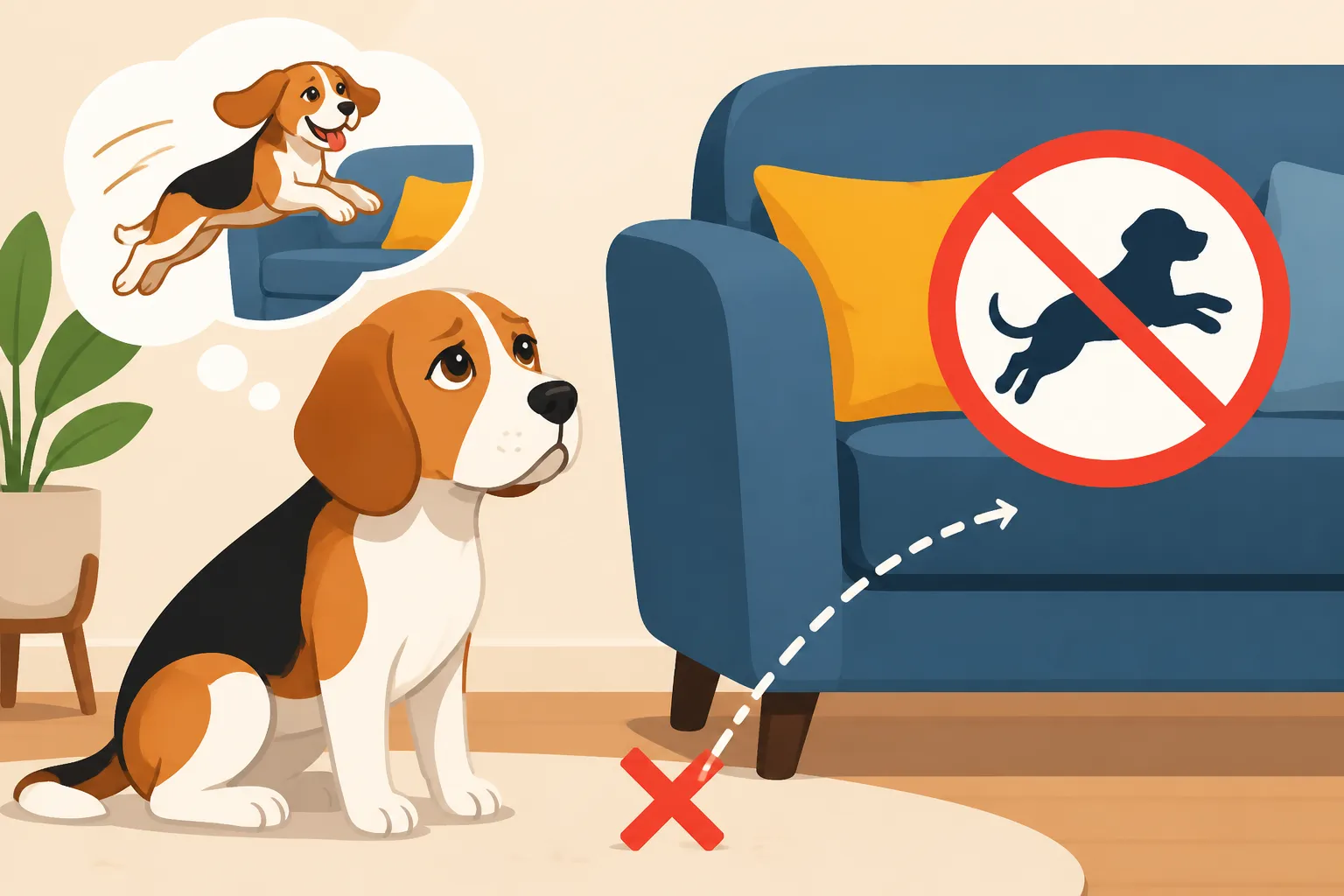
It's incredibly unsettling, isn't it, when your normally vivacious Beagle suddenly refuses to do something they’ve always loved, like leaping onto the couch for cuddles? That familiar thud and scramble is replaced by a hesitant stand-off, a sad look, or even a whimper. This guide is here to help you understand why your beloved Beagle might suddenly avoid jumping, what common health issues could be at play, and crucial steps you can take to alleviate their discomfort and get them the right care.
Understanding the Sudden Reluctance to Jump
When a Beagle, a breed known for its boundless energy and desire to be right in the middle of family life, suddenly decides a favorite activity like jumping on the sofa is off-limits, it's almost certainly a sign that something is physically bothering them. They aren't trying to be difficult; they're communicating pain or discomfort the only way they know how.
It's Not Just Stubbornness: A Sign of Discomfort
Let's be real: Beagles are creatures of comfort and habit. If your dog has always been a couch potato, finding joy in snuggling up beside you, then a sudden change in this behavior is a huge red flag. They love their routines, they love being close to their people, and they absolutely love a soft spot to snooze. When they stop jumping up for these things, it’s not because they’ve suddenly become stubborn or forgotten their manners. It’s because the act of jumping, landing, or even bracing themselves to jump causes them pain.
This isn't a behavior problem to be trained out; it's a plea for help. As their human, it's natural to feel worried, confused, and maybe a little helpless when you see this change. It can be hard to pinpoint exactly what's wrong, especially when there might not be any obvious external injuries. But trust your gut: if your Beagle is acting differently around an activity they once enjoyed, there’s likely an underlying physical reason that needs attention.
Common Areas of Pain That Affect Jumping
Jumping, whether it's onto the sofa, into the car, or up onto your bed, is a complex movement that engages multiple parts of a dog's body. When your Beagle suddenly starts avoiding these actions, the pain could be originating from several key areas. The most common culprits are usually connected to their back and spine, their hips, or sometimes their shoulders and elbows.
Consider the mechanics: a dog gathers themselves, pushes off with their hind legs, arcs their body, and lands on their front legs. Any compromise in this chain – from their toes all the way up to their neck – can make the movement painful. A subtle ache in their lower back might make the initial push-off excruciating, while discomfort in their shoulders could make the landing unbearable. Even something as seemingly minor as a pulled muscle can make an everyday activity like jumping feel like climbing Mount Everest.
Pinpointing the Source of Back and Spine Issues
Beagles, with their slightly longer backs and energetic personalities, are unfortunately prone to certain spinal conditions that can make jumping incredibly painful. If your Beagle is showing reluctance, their back is often one of the first places a veterinarian will investigate.
Intervertebral Disc Disease IVDD in Beagles
One of the most common and concerning conditions affecting a Beagle's back is Intervertebral Disc Disease, or IVDD. This is where the cushions (discs) between the vertebrae in their spine either bulge or burst, pressing on the spinal cord. It's a bit like a slipped disc in humans, and it can be incredibly painful, sometimes even leading to paralysis. Because Beagles have a chondrodystrophic conformation (meaning they have abnormal cartilage or bone development, often associated with shorter legs and longer backs), they are genetically predisposed to IVDD.
A Beagle suffering from IVDD might not just refuse to jump; they might also yelp when picked up, walk with a hunched back, be reluctant to go up or down stairs, or show weakness in their hind legs. The onset can be sudden and dramatic (acute) or develop gradually over time (chronic). If you've noticed your Beagle acting strangely with their back, it's crucial to get them to the vet quickly. Catching it early can make a huge difference in treatment and prognosis. This condition is a primary reason why you might start seeing Beagle Disc Disease and That Slightly Long Back discussions in breed circles.
Other Spinal Concerns and Their Impact
While IVDD is a big one, it's not the only spinal issue that can cause a Beagle to avoid jumping. Muscle strains in the back are also very common, especially if your Beagle has had a particularly enthusiastic play session, a rough tumble, or even just an awkward landing. Just like us, dogs can pull a muscle, and that pain can radiate, making them hesitant to move in ways that stretch or engage those muscles.
Less common, but still possibilities, include vertebral fractures from trauma (like being hit by a car, which we hope never happens, or a severe fall), or even inflammatory conditions affecting the spinal cord or surrounding tissues. Sometimes, neurological issues that aren't directly disc-related can mimic pain, causing weakness or incoordination that makes jumping impossible. For instance, a dog with early stages of a condition affecting nerve signals might want to jump but physically can't or feels unsafe doing so. Being aware of Beagle Back Pain Warning Signs can help you differentiate between a minor ache and something more serious. Pay attention to how they carry their tail, if they're shivering, or if they're unusually quiet.
Addressing Joint Pain Beyond the Back
While the back often takes center stage when a dog stops jumping, it's vital not to overlook other joints that play a critical role in movement. The hips, knees, and even the front limb joints can all be sources of pain that prevent a Beagle from getting airborne.
Hip Dysplasia and Arthritis in Beagles
Even though Beagles are a medium-sized breed, they aren't entirely immune to hip dysplasia, a condition where the hip joint doesn't form correctly. While it's more commonly associated with larger breeds, it can absolutely affect Beagles, leading to pain and degenerative joint disease. Over time, poorly formed joints inevitably lead to arthritis, or osteoarthritis, which is essentially the wearing down of the joint cartilage. Arthritis isn't just a condition for senior dogs; it can start much earlier, especially in joints that have experienced abnormal development or injury.
When a Beagle has hip pain, the powerful push-off needed for jumping becomes agonizing. You might notice them favoring a leg, a bunny-hopping gait when they run, or a general stiffness, especially after resting. This kind of pain can manifest subtly at first, with a slight hesitation, then gradually progress to outright refusal. Learning about Beagle Hip Dysplasia and Everyday Joint Wear can shed more light on why this condition occurs and how it progresses. It’s also important to remember that Beagle Arthritis Arriving in Middle Age is a real possibility, and often it’s something we notice first when they stop doing everyday things like jumping on the couch.
Shoulder and Elbow Discomfort
Don't forget the front end! When a dog jumps, they don't just push off with their hind legs; they also absorb the impact of landing with their front limbs. The shoulders and elbows take a significant brunt of this force. If your Beagle has a sprain in a shoulder, an inflamed elbow joint, or even early signs of osteoarthritis in these areas, the prospect of landing with impact can be deterrent enough.
Imagine the jolt of landing from a jump onto an already sore shoulder. It would be incredibly uncomfortable! Subtle limping, stiffness in the front legs after a walk, or a reluctance to put full weight on one leg when standing might indicate an issue with their front joints. Sometimes, the pain might be referred, meaning the problem is in one area, but the dog guards or feels discomfort in another. A thorough physical exam by your vet is essential to check all major joints.
What to Do When Your Beagle Stops Jumping
Discovering your Beagle is in pain can be distressing, but there are clear steps you can take to help them and ensure they get the care they need. Acting promptly and observing carefully are key.
Immediate Steps at Home
First and foremost, do not force your Beagle to jump. If they're showing reluctance, respect that signal. Your immediate priority should be to minimize further discomfort and prevent any potential exacerbation of an injury. Create a comfortable, safe space for them on the ground. A soft dog bed, perhaps near the couch where they usually like to be, can offer a temporary haven.
Observe them closely. Look for any changes in their gait, how they stand, if they're holding a limb strangely, or if they yelp when touched in certain areas. Are they eating and drinking normally? Are their bathroom habits unchanged? Sometimes, gentle massage might reveal a tender spot, but be very cautious not to cause more pain. For the short term, restrict access to stairs or other high-up places they might be tempted to jump from or onto. Encourage rest, even if it's hard for an energetic Beagle, as rest is often the first prescription for any musculoskeletal injury.
When to See the Veterinarian
Any sudden, unexplained change in your Beagle's mobility or behavior, especially a refusal to jump, warrants a visit to your veterinarian as soon as possible. This isn't something to "wait and see" for too long, as some conditions like IVDD can worsen rapidly. Your vet will perform a comprehensive physical examination, carefully palpating their spine and limbs to pinpoint areas of pain or discomfort. They might check their reflexes and observe their gait.
Depending on their findings, your vet may recommend diagnostic imaging like X-rays to look for arthritis, fractures, or changes in the spine. In some cases, if a disc issue is strongly suspected, an MRI might be suggested for a definitive diagnosis, as it provides a much clearer picture of soft tissues like discs and nerves. Don't hesitate to contact your vet immediately if you notice other concerning signs, as this could be an Beagle Emergency Signs That Cannot Wait Until Morning.
Here’s a quick guide to help you assess urgency:
| Symptom | Urgency Level | What to Do |
|---|---|---|
| Sudden refusal to jump, no other signs | Moderate | Schedule vet visit within 24-48 hours. Limit activity. |
| Refusal to jump + limping/lameness | High | Contact vet immediately for advice, likely same-day appointment. Limit all activity. |
| Refusal to jump + yelping when touched | High | Contact vet immediately. Assume significant pain. |
| Refusal to jump + dragging hind legs | Emergency | Seek emergency veterinary care immediately. This could indicate severe spinal cord compression. |
| Refusal to jump + lethargy/loss of appetite | High | Contact vet immediately. Could indicate pain or other systemic illness. |
Management and Support Options
Once your vet has diagnosed the cause of your Beagle's pain, they will discuss a treatment plan. This might include a course of anti-inflammatory medications (NSAIDs) to reduce pain and swelling, or muscle relaxants if muscle spasms are present. Strict rest is often prescribed, sometimes with crate rest to limit movement for several weeks.
For chronic conditions like arthritis or ongoing disc issues, long-term management might involve joint supplements, weight management to reduce stress on joints (as How Extra Weight Raises Beagle Disc Pressure can be significant), and even physical therapy. Canine physical therapy can be incredibly beneficial, helping to strengthen supporting muscles, improve range of motion, and reduce pain through techniques like therapeutic exercise, hydrotherapy, and laser treatments. If your vet recommends physical therapy, seeking out a certified canine rehabilitation therapist is key for Beagle Physical Therapy After a Back Injury.
To make life easier for your Beagle and reduce the need for jumping, consider installing Ramps and Steps That Protect a Beagle Spine around the house, especially for the couch and bed, and a car ramp for vehicle access. These simple tools can significantly improve their quality of life. For expensive treatments like advanced diagnostics, surgery, or ongoing physical therapy, having pet insurance like Healthy Paws can be a real lifesaver, helping to cover a significant portion of the costs and allowing you to focus on your Beagle's recovery without undue financial stress.
Proactive Measures to Protect Your Beagle's Joints and Spine
While some conditions are genetic or simply part of aging, there are many things you can do as a responsible Beagle owner to proactively protect their joints and spine, potentially delaying the onset or reducing the severity of painful conditions.
Maintaining a Healthy Weight
This is perhaps one of the most impactful things you can do for your Beagle's long-term joint and spinal health. An overweight Beagle carries extra pounds that put immense strain on every single joint, from their hips and knees to their delicate spinal discs. This additional burden accelerates wear and tear, exacerbating conditions like arthritis and significantly increasing the risk and severity of IVDD.
It's easy for Beagles to become overweight because they are notoriously food-motivated and will happily eat anything put in front of them (and often, things not meant for them!). Consistent portion control, feeding a high-quality diet, and ensuring they get appropriate exercise are crucial. Regularly assessing their body condition (you should be able to easily feel their ribs without seeing them, and they should have a discernible waist) is vital. Don't underestimate the impact of those extra treats! Beagle Obesity Treated as a Health Problem isn't just about looking good; it's about preventing debilitating pain and extending their healthy lifespan.
Safe Jumping and Movement Habits
Encouraging good movement habits from puppyhood can make a big difference. While it's tempting to let them bound off the bed or leap into the car, these high-impact activities put repetitive stress on their joints and spine. Teach them to use ramps or steps for accessing furniture and vehicles. If you need to lift your Beagle, always support both their front and hindquarters to keep their spine straight and avoid twisting. Never lift them by their front legs or under their chest alone, as this can put strain on their back.
When out on walks, especially if your Beagle is a puller (which many are when their nose is to the ground!), consider using a front-clip harness. This distributes pressure across their chest and shoulders rather than their neck and throat, which protects their cervical spine. Understanding Why a Harness Protects a Beagle's Neck is key for preventing injuries from pulling. Try to discourage excessive, uncontrolled jumping, like repeatedly jumping up on people or doing acrobatic leaps for toys, as this can lead to cumulative trauma over time.
Regular Vet Check-ups
Even if your Beagle seems perfectly healthy, regular veterinary check-ups are non-negotiable. For adult Beagles, an annual check-up allows your vet to thoroughly examine their musculoskeletal system, assess their weight, and catch any subtle signs of developing issues that you might miss. They can feel for early changes in joints, check for spinal pain, and discuss preventative measures like appropriate nutrition and exercise for their age and activity level.
As your Beagle enters their senior years, typically after age ten, bi-annual check-ups become even more important. At this stage, conditions like arthritis are more common, and early detection and management can significantly improve their comfort and quality of life. Regular screenings can help ensure that if your beloved companion is developing a health issue, it's caught early, before it progresses to the point of severe pain or mobility loss. Proactive visits ensure that things like Senior Beagle Care After the Age of Ten are in place, keeping them happy and healthy for as long as possible.
Disclaimer
This article is intended for informational purposes only and does not constitute medical advice. Always consult with a qualified veterinarian for any health concerns or before making any decisions about your pet's health or treatment plan.