Beagle Obesity Treated as a Health Problem
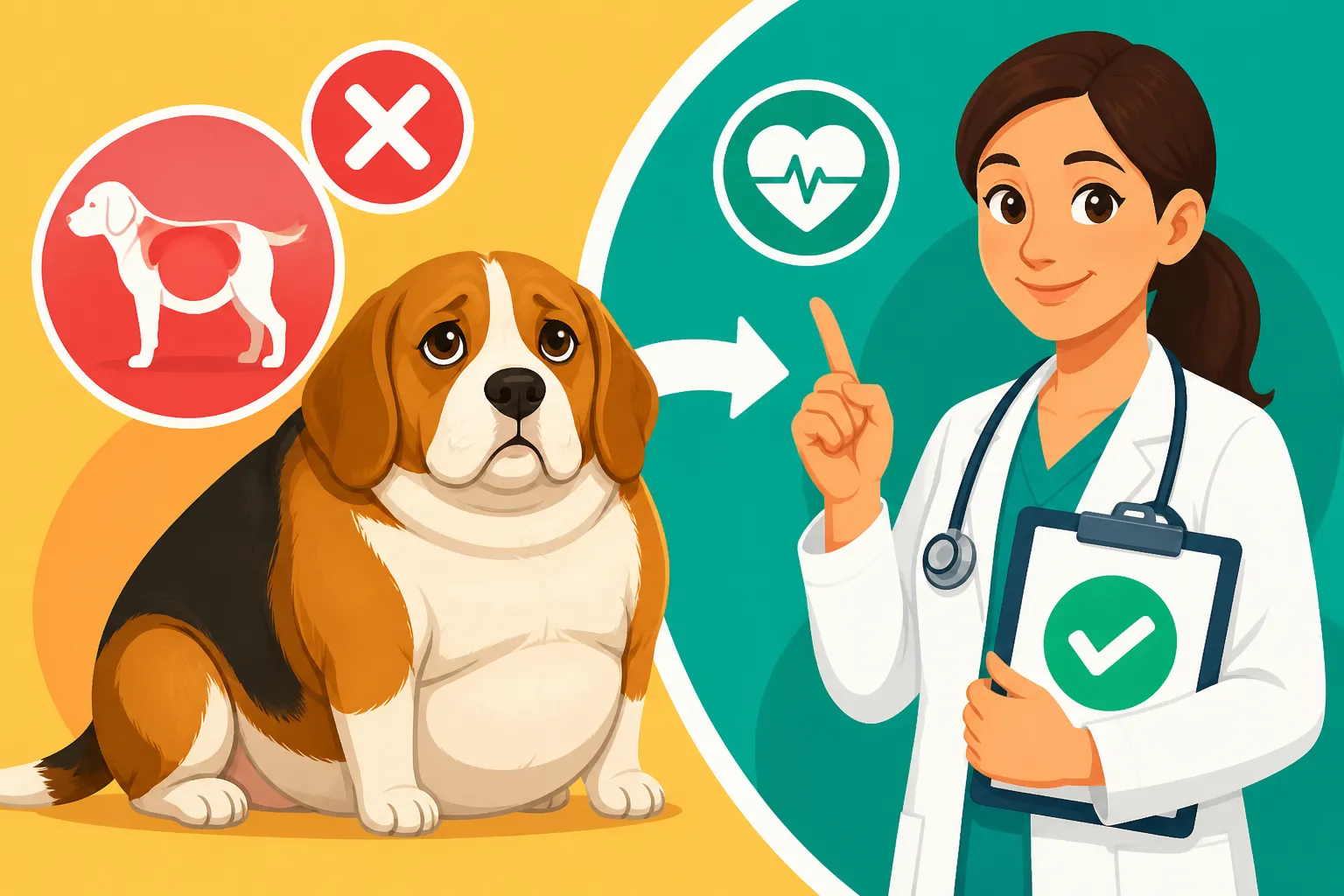
It's a common sight to see Beagles with a little extra padding, often lovingly referred to as "chubby" or "stocky." While it might seem endearing, that extra weight isn't just about aesthetics; it's a serious health concern that can significantly impact your beloved hound's quality of life and longevity. This guide aims to peel back the layers of this pervasive issue, helping you understand why Beagles are so prone to weight gain, how to spot the early signs, and most importantly, how to actively manage and prevent obesity to ensure your Beagle lives a full, healthy, and happy life.
Understanding Beagle Obesity: More Than Just a Little Extra Weight
Many Beagle owners, myself included, have fallen into the trap of thinking a slightly round Beagle is just part of the breed's charm. After all, they're so food-motivated and those soulful eyes are hard to resist when they're begging for a treat! But the reality is, what looks like a harmless extra few pounds can quickly snowball into a dangerous medical condition. Obesity in Beagles isn't just about a number on the scale; it's a metabolic disease that sets the stage for a host of other debilitating health problems. It's a silent threat that creeps up on us, often unnoticed until its effects become undeniable.
The Hidden Dangers of Excess Weight in Beagles
When your Beagle carries too much weight, every system in their body is put under additional strain. It's not just their joints that suffer, although that's certainly a major component. Imagine constantly carrying a heavy backpack; that's what your overweight Beagle's body is doing, day in and day out. This constant burden contributes to a significantly shortened lifespan and a reduced quality of life, often leading to chronic pain and decreased mobility long before their time.
One of the most immediate and visible impacts of obesity is on a Beagle's musculoskeletal system. The extra pounds put immense stress on their joints, accelerating the onset and severity of conditions like arthritis. This is particularly concerning for a breed already susceptible to joint issues such as Beagle Hip Dysplasia and Everyday Joint Wear and Beagle Arthritis Arriving in Middle Age. The cartilage in their joints wears down faster, leading to inflammation, pain, and a reluctance to engage in activities they once loved, like chasing squirrels or going for long sniff-walks. This can create a vicious cycle where less movement leads to more weight gain, exacerbating the problem.
Beyond joint pain, obesity dramatically increases the risk of several other serious health problems. It's a huge contributing factor to the development of Beagle Diabetes and Blood Sugar Control, where their bodies struggle to regulate insulin, leading to complications that can be life-threatening if not managed. Heart disease, including Beagle Heart Disease and Murmurs, is also more prevalent in overweight Beagles, as their cardiovascular system works harder to pump blood through a larger body mass. Even conditions like Beagle Hypothyroidism and the Weight It Puts On, which can cause weight gain, are made worse by existing obesity. An overweight Beagle might also face higher risks during anesthesia for any necessary surgeries, making routine procedures more dangerous. This is why having pet insurance, perhaps from a provider like Healthy Paws, can be so valuable, helping to cover the escalating costs of treating these obesity-related conditions.
Why Beagles Are So Prone to Weight Gain
Beagles, bless their hearts and their insatiable appetites, are almost perfectly designed to become overweight if we're not vigilant. Their history as scent hounds, bred to follow a trail for miles and miles, means they need a lot of fuel. And their incredible noses, with over 220 million scent receptors, are constantly on the lookout for anything edible. This powerful combination of a strong food drive and a nose that detects every crumb is the primary culprit behind their propensity for packing on pounds. They truly would "happily eat all day," as any Beagle owner can attest.
Genetics also play a significant role. Like many breeds, Beagles can have a slower metabolism compared to other dogs of similar size, meaning they don't burn calories as efficiently. This genetic predisposition, combined with their strong instincts, makes them highly efficient at storing fat. Couple that with the fact that many Beagles today aren't working as hunting dogs, but rather enjoying comfortable lives as beloved family pets, and you have a recipe for weight gain if their caloric intake isn't strictly managed against their actual energy output.
Moreover, Beagles are incredibly adept at manipulating their humans with those big, brown eyes. They learn very quickly that a mournful stare or a gentle nudge can often result in a treat or a dropped scrap from the table. This learned behavior, combined with their natural scavenging instincts, means they're always on the hunt for extra calories, whether it's an unattended plate, the kitchen counter, or something interesting they find on a walk. It’s a challenge every Beagle owner faces, and one that requires consistent effort and a unified front from all family members to overcome.
Recognizing the Signs: Is Your Beagle Overweight?
It's easy to dismiss a little roundness, especially when your Beagle's thick double coat can hide a lot. We often get used to how our dogs look day-to-day, making subtle changes harder to notice. But identifying obesity early is crucial for preventing the cascade of health issues it can trigger. Learning to accurately assess your Beagle's body condition goes far beyond just looking at the scale; it requires a hands-on approach and a keen eye for subtle behavioral shifts.
Beyond the Scale: How to Assess Your Beagle's Body Condition
While a vet visit will give you an exact weight, you can easily perform a body condition assessment at home, which is often more telling than just the number on the scale. The ideal body condition for a Beagle means you should be able to feel their ribs without pressing hard, and they should have a visible, but not overly exaggerated, waistline when viewed from above. When looking from the side, their abdomen should tuck up slightly, rather than hanging low.
To check this effectively, run your hands along your Beagle's sides. You should feel the individual ribs beneath a thin layer of fat. If you have to press firmly to feel them, or can't feel them at all, your Beagle is likely overweight. Next, stand directly above your Beagle and look down. You should see a distinct "tuck" or hourglass shape behind their ribs, before their hips. If they look more like a sausage or a straight line from head to tail, they're carrying too much weight. Finally, view them from the side. An ideal Beagle will have a slight upward slope from the bottom of their rib cage to their hind legs, not a flat or sagging belly. This "tuck" is often one of the first things to disappear when a Beagle starts gaining weight. Regular check-ups with your veterinarian, perhaps more frequent once your Beagle reaches Senior Beagle Care After the Age of Ten, are also vital for monitoring their weight and overall health.
Here's a simplified body condition score (BCS) chart, typically ranging from 1 (emaciated) to 9 (severely obese), with 5 being ideal:
| BCS Score | Description | Visual Appearance | Palpation (Ribs/Spine) |
|---|---|---|---|
| 1-2 | Underweight: Emaciated to very thin. | Ribs, spine, pelvic bones easily visible. Severe abdominal tuck. Loss of muscle mass. | Ribs, spine, pelvic bones very prominent, no fat cover. |
| 3-4 | Thin: Ribs easily palpable with minimal fat. | Ribs easily felt, slight abdominal tuck. Waist visible. | Ribs easily felt with minimal fat cover. |
| 5 | Ideal: Well-proportioned, visible waist, slight abdominal tuck. | Ribs palpable without excess fat cover. Waist observed behind ribs when viewed from above. Abdominal tuck when viewed from side. | Ribs easily palpable, smooth contour. Minimal fat cover. |
| 6-7 | Overweight: Ribs difficult to feel due to excess fat. | Ribs palpable but with difficulty, moderate fat cover. Waist barely discernible or absent. Abdomen rounded. | Ribs palpable only with significant pressure. Moderate fat cover. |
| 8-9 | Obese: Significant fat deposits over ribs, spine, and tail base. No waist or abdominal tuck. Distended abdomen. | Ribs not palpable or only with extreme pressure. Heavy fat deposits. No waist. Abdomen distended. | Ribs not palpable under thick layer of fat. Heavy fat deposits over back, tail base. Abdomen enlarged. Difficulty moving. |
Subtle Behavioral Changes That Signal Weight Trouble
Beyond the physical signs, your Beagle's behavior can also provide clues that they're carrying too much weight. One of the most common indicators is a noticeable decrease in energy or enthusiasm for activities they once loved. If your Beagle is less interested in going for walks, playing fetch, or seems to tire more quickly than usual, it could be a sign that the extra pounds are making movement difficult and uncomfortable.
You might also observe changes in their movement patterns. An overweight Beagle might be reluctant to jump up onto the couch or into the car, a common sign of joint pain or discomfort. They might move more slowly, or you might notice a stiffness when they first get up, especially after a nap. This can often be mistaken for "just getting older," but it's important to remember that premature aging symptoms can often be attributed to excess weight. They might also start panting more easily, even after minimal exertion, indicating their cardiovascular system is working harder. If you start to notice these subtle shifts, it's a good idea to consult your vet and consider adjusting their diet and exercise routine.
Crafting a Weight Management Plan: A Holistic Approach
Addressing Beagle obesity isn't about quick fixes or crash diets; it's about implementing a comprehensive, sustainable plan that involves careful dietary adjustments, appropriate exercise, and a strong partnership with your veterinarian. This holistic approach ensures that your Beagle loses weight safely and effectively, paving the way for a healthier, more active future. It's a journey, not a sprint, and requires patience and consistency.
The Role of Diet: Portion Control and Calorie Management
Diet is undoubtedly the cornerstone of any effective weight loss plan for a Beagle. Their powerful food drive means that "free feeding" – leaving food out all day – is a recipe for disaster. The first and most crucial step is to switch to measured, portion-controlled meals. Your veterinarian can help you determine the ideal daily calorie target for your Beagle, factoring in their current weight, target weight, activity level, and any underlying health conditions. This target will likely be lower than what you're currently feeding. For instance, a 13-inch Beagle and a 15-inch Beagle will have different Daily Calories for a 13-Inch Against a 15-Inch Beagle, and their individual metabolism also plays a role.
Once you have a calorie target, carefully measure out their food. I can't stress this enough: don't just eyeball it! Invest in a kitchen scale to Measuring Beagle Food by Weight Rather Than Cups, as cups can be notoriously inaccurate, varying widely depending on how densely packed the food is. Divide their daily allowance into two or three smaller meals to keep them feeling more satisfied throughout the day and to help stabilize blood sugar. Consider switching to a lower-calorie, high-fiber dog food, often labeled as "weight management" or "light" formulas. These foods are designed to provide essential nutrients while reducing caloric density, helping your Beagle feel full without overeating.
Treats, while a wonderful training tool and bonding experience, are often a hidden source of calories. During a weight loss journey, treats should be drastically reduced or replaced with low-calorie options like small pieces of plain cooked carrot, green beans, or blueberries. Remember to account for any treats in their daily calorie allowance. Puzzle feeders and slow feeders, such as those recommended to address Slow Feeders for a Beagle That Inhales Food, can also be incredibly useful. Not only do they make mealtime last longer, providing mental stimulation, but they also prevent your Beagle from inhaling their food too quickly, which can aid digestion and satiety.
Tailored Exercise Routines for Weight Loss
Diet works hand-in-hand with exercise to create a calorie deficit, which is essential for weight loss. However, it's crucial to start slowly and gradually increase the intensity and duration of exercise, especially if your Beagle is significantly overweight or has pre-existing joint issues. Pushing them too hard, too fast, can lead to injury and discourage them from future activity. Always consult your vet before starting a new exercise regimen.
For Beagles, who thrive on using their noses, "scent walks" are an incredible form of exercise that provides both physical and mental stimulation. Instead of a brisk walk where you dictate the pace, allow your Beagle to sniff and explore. These Scent Walks That Wear a Beagle Out burn calories and satisfy their innate hunting instincts, leaving them more tired and content than a simple leash walk. Aim for at least 30-60 minutes of moderate activity daily, broken into multiple sessions if necessary.
Beyond scent walks, incorporate other forms of play that get them moving without too much impact. Gentle games of fetch in the yard, controlled leash walks in varied terrain (avoiding steep hills if joints are an issue), or even short periods of swimming (if your Beagle enjoys water and you ensure safety with a life vest) can be beneficial. As they lose weight and build stamina, you can gradually increase the duration and intensity. Remember that exercising a senior Beagle, even a healthy one, will be different from a younger dog, so tailor activities to their age and capabilities as discussed in articles like Exercising a Beagle Past Ten Years Old.
Partnering with Your Vet: Setting Realistic Goals and Monitoring Progress
Your veterinarian is your most valuable partner in your Beagle's weight loss journey. They can accurately diagnose obesity, rule out any underlying medical conditions that might contribute to weight gain (like hypothyroidism), and help you develop a safe and effective plan. This partnership starts with an honest assessment of your Beagle's current health and a discussion about a realistic target weight and timeline.
Regular vet check-ups will be essential for monitoring progress and making necessary adjustments. Your vet can weigh your Beagle, re-evaluate their body condition score, and celebrate milestones with you. They can also recommend specific prescription weight-loss diets that are formulated to help dogs shed pounds safely, often with higher protein and fiber content to promote satiety. If complications arise, such as a relapse into excessive begging or a plateau in weight loss, your vet can offer expert advice and strategies to get back on track. For complex conditions stemming from obesity, like advanced arthritis, having robust pet insurance like Healthy Paws can be incredibly helpful for managing veterinary expenses, allowing you to focus on your Beagle's health without undue financial stress.
Overcoming Common Challenges: Keeping Your Beagle on Track
Let's be real, managing a Beagle's weight is not always a walk in the park. Their legendary food drive and those heartbreaking puppy eyes can make even the most disciplined owner waver. Plus, it's a family affair, and getting everyone on the same page can be a diplomatic mission. It's crucial to anticipate these challenges and have strategies in place to overcome them, ensuring your Beagle stays on the path to a healthier weight.
Dealing with the Beagle Food Drive: Strategies to Prevent Begging
The Beagle food drive is legendary. They live to eat, and they are incredibly persistent about it! The moment you walk into the kitchen, open a bag, or even think about food, your Beagle is likely there, ready to offer their most pitiful gaze or a gentle paw. This begging can be incredibly hard to resist, but giving in even occasionally can derail your weight loss efforts and reinforce the unwanted behavior.
One of the most effective strategies is to entirely remove the association between you eating and them getting food. This means no table scraps, ever. Encourage family members to put their plates away immediately and keep food out of reach on counters. During your own mealtimes, consider having your Beagle in their crate with a long-lasting chew or a puzzle toy filled with a portion of their own meal. This redirects their attention and energy away from begging. For their own meals, Puzzle Feeders That Genuinely Slow a Beagle or Snuffle Mats can turn mealtime into a mental workout, making it last longer and providing more satisfaction from less food. Establishing clear boundaries around food, and sticking to them consistently, is key.
Getting the Whole Family On Board
This is often where the weight loss plan hits its biggest snag. You might be diligently measuring food and resisting those pleading eyes, but if another family member is secretly slipping treats or leaving food within reach, your efforts will be in vain. It's not usually malicious; often, it's simply a lack of understanding of the serious health implications of obesity, or a genuine inability to resist their cute Beagle.
Hold a family meeting and explain why this is so important. Detail the specific health risks, like the increased chance of Beagle Diabetes and Blood Sugar Control or worsening joint pain. Show them the body condition score chart and explain what an ideal weight looks like. Emphasize that giving extra food or treats, no matter how small, is actually harmful. Create clear guidelines: who feeds the dog and when, what kinds of treats are allowed (if any), and where food is stored. Consider using a whiteboard or a shared app to track feedings if multiple people are involved. Consistency from every family member is paramount for success. Remind them that they are showing their love by helping the Beagle live a longer, healthier life, not by giving in to every food request.
Navigating Weight Loss Plateaus and Sticking with the Plan
Just like in human weight loss, Beagles can hit plateaus where the weight just doesn't seem to budge, even when you're doing everything right. This can be incredibly frustrating and disheartening, making you feel like all your hard work is for nothing. But don't give up! Plateaus are a normal part of the process and usually mean it's time for a slight adjustment, not abandonment of the plan.
If your Beagle hits a plateau, the first step is to revisit their diet and exercise routine with your vet. Are you absolutely sure you're measuring food accurately? Are there any hidden sources of calories you've overlooked? Sometimes, a very small reduction in daily calories (e.g., 5-10%) or a slight increase in exercise intensity is all it takes to kickstart weight loss again. Your vet might also want to do a blood panel to rule out any new or underlying metabolic issues, such as a worsening Beagle Hypothyroidism and the Weight It Puts On, that could be hindering progress. Remember that sustainable weight loss is slow and steady. Celebrate small victories, like increased energy or better mobility, even if the scale hasn't moved dramatically in a week or two. Patience and persistence are your greatest allies.
Long-Term Health and Prevention: A Lifetime Commitment
Achieving a healthy weight for your Beagle is a huge accomplishment, but it's not the end of the journey. Maintaining that healthy weight and preventing recurrence is a lifelong commitment. Obesity is a chronic condition, and without continued vigilance, those pounds can creep back on quickly. The goal isn't just to lose weight, but to establish a sustainable lifestyle that supports your Beagle's optimal health for years to come.
Sustaining a Healthy Weight: It's Not a Diet, It's a Lifestyle
Once your Beagle reaches their target weight, it's tempting to relax the rules a bit. However, this is precisely when many dogs start to regain the lost pounds. The habits you've built during the weight loss phase – precise portion control, regular exercise, and resisting begging – need to become the new normal. It's not a temporary diet; it's a permanent shift in lifestyle for both you and your Beagle.
Your vet can help you adjust their daily calorie intake for maintenance, which will likely be slightly higher than their weight loss calories but still carefully calculated. Continue to weigh their food, provide plenty of opportunities for Scent Walks That Wear a Beagle Out and other appropriate exercise, and be mindful of treats. Consider periodic weigh-ins at home or at the vet, perhaps once a month, to catch any upward trend in weight early. Staying proactive and consistent is the best defense against weight regain. If you notice even a small increase, address it immediately by tightening up on portions or increasing activity, rather than letting it spiral out of control.
Preventing Weight Gain in Beagle Puppies and Young Adults
The best way to treat obesity is to prevent it from happening in the first place. This starts from puppyhood, even before the famous Beagle food drive fully sets in. While it might seem counterintuitive to restrict a growing puppy's food, it's crucial to feed them appropriate portions of a high-quality puppy food, monitoring their body condition rather than letting them get chubby. Overfeeding a puppy can lead to accelerated growth, which is actually detrimental to their developing joints and can set them up for a lifetime of weight issues.
As your Beagle puppy transitions into adulthood, usually around 12-18 months, their caloric needs will change significantly. They'll no longer need the intense growth-supporting calories of puppy food. This is a critical time to transition them to an adult formula and adjust their portions. Many owners accidentally keep feeding puppy-sized portions of adult food, leading to rapid weight gain. Continue with measured meals, regular exercise, and early training to curb begging behaviors. Teaching your Beagle that their meals come from their bowl, not from your plate, will pay dividends in preventing weight gain throughout their lives. Investing in their health now, with good habits and perhaps pet insurance like Healthy Paws, ensures they can enjoy their Beagle Lifespan and the Twelve to Fifteen Year Range to the fullest.
Disclaimer
Please remember that the information provided in this guide is for informational purposes only and is not a substitute for professional veterinary advice. Always consult with your veterinarian before making any changes to your Beagle's diet, exercise routine, or health care plan, especially if your dog has existing health conditions or is undergoing a significant weight loss journey.