Puzzle Feeders That Genuinely Slow a Beagle
If you're a Beagle owner, you know the daily struggle: you put down a bowl of kibble, blink, and it's gone. Your sweet, food-motivated hound acts like every meal is its last, inhaling food at warp speed, often leading to indigestion, gas, or even a higher risk of more serious issues. It's frustrating to watch them scarf down their dinner in mere seconds when you've carefully measured and prepared it. This comprehensive guide is here to help you navigate the world of puzzle feeders, offering practical advice and specific recommendations to genuinely slow down your Beagle's eating and turn mealtime into a stimulating, healthy activity.
Why Beagles Inhale Their Food So Fast: It's Not Just Greed
It's easy to look at a Beagle vacuuming up its meal and think, "Wow, they're just super greedy!" While Beagles certainly have an enthusiastic approach to food – a trait we all love about them, even if it sometimes drives us a little crazy – there's more to it than simple gluttony. Their intense food drive is deeply ingrained in their breed history and physiology, and understanding this can help us address the problem effectively.
The Hunter's Instinct and Food Scarcity Mindset
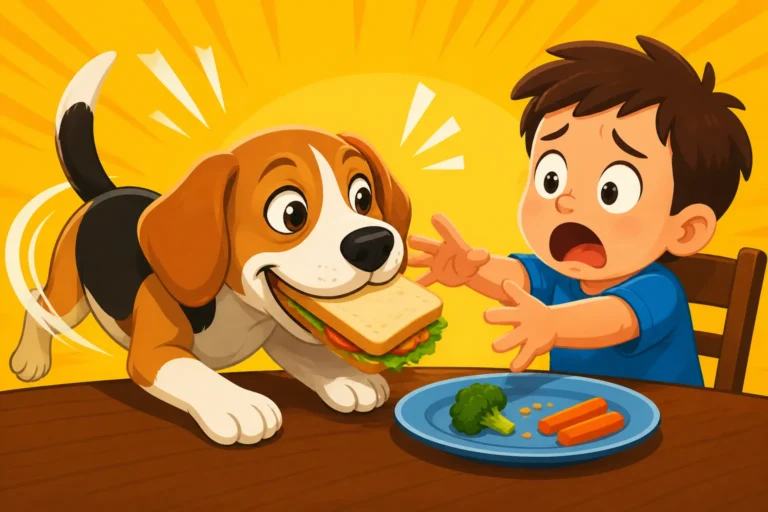
Beagles were originally bred as scent hounds to hunt rabbits and hares in packs. In a pack environment, competition for food is natural. The fastest eater often gets the most, a survival mechanism passed down through generations. Even though your Beagle lives a life of luxury with a guaranteed meal every day, that ancient instinct to eat quickly before a pack mate can snatch it away is still very much alive. It’s not a reflection of how well you feed them, but rather a hardwired behavior. They see food, and their brain says, "Go, go, go!" This quick consumption often means they don't even properly chew their food, which can lead to larger pieces being swallowed whole. A Beagle That Swallows Its Food Whole is a common sight in many Beagle households, and it's a direct result of this ingrained urgency.
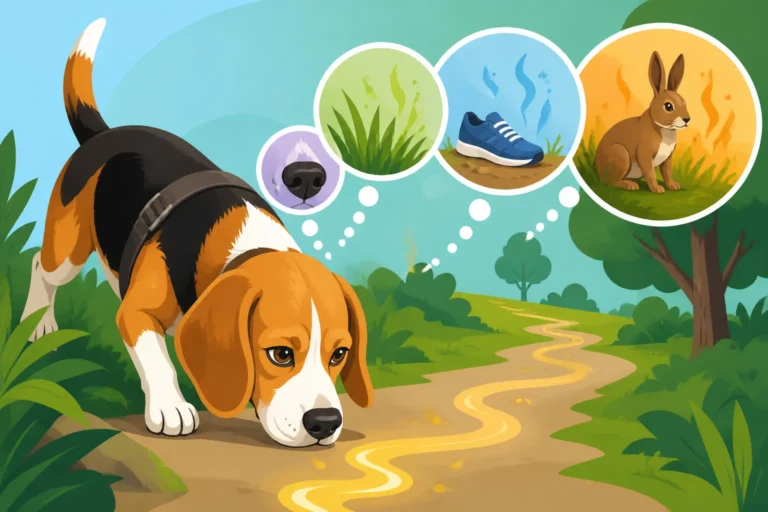
Beyond the pack mentality, Beagles are known for their incredibly powerful noses – those 220 million scent receptors aren't just for tracking rabbits, they're for finding every last crumb. This keen sense of smell, combined with their history, makes them incredibly food-motivated. Food isn't just sustenance; it's a high-value reward, a source of intense focus, and something to be secured as quickly as possible. This is why "Leave It" can be such a challenge for a Beagle, especially when there's a delicious smell involved.
Health Risks of Eating Too Quickly
While your Beagle's fast eating might seem harmless, it can lead to several health issues that are definitely worth addressing. The most common immediate problems are gas, bloating, and vomiting. When a dog eats too fast, they often swallow a lot of air along with their food. This air gets trapped in their digestive system, leading to uncomfortable gas and sometimes painful bloating. For some dogs, eating too rapidly can even trigger vomiting, as their stomach simply can't handle the sudden influx of unchewed food and air. Gas in a Beagle That Eats Far Too Fast is a frequent complaint I hear from other Beagle owners, and it's often directly linked to eating habits.
More seriously, eating too fast can be a contributing factor to bloat, or Gastric Dilatation-Volvulus (GDV), a life-threatening condition where the stomach twists. While Beagles aren't as high-risk for GDV as some deep-chested breeds, any dog that gulps food and air quickly is at an increased risk. Beyond digestive issues, chronic fast eating can also hinder nutrient absorption, as the food isn't properly broken down. Over time, this can indirectly contribute to weight management challenges because the dog doesn't feel full, leading to begging for more food. Beagle Obesity and the Diseases It Brings On is a very real concern for our beloved hounds, and managing mealtime speed is one piece of that puzzle.
Types of Puzzle Feeders That Actually Work for Beagles
When it comes to puzzle feeders for Beagles, you can't just pick any old "slow feeder" bowl. Our clever, food-driven hounds will often find a way to defeat simpler designs in mere minutes. We need feeders that genuinely slow them down, engage their minds, and make mealtime a productive activity. The goal isn't just to make it harder to eat, but to make it fun to earn their meal.
Basic Slow-Feeder Bowls: A Starting Point, But Not Always Enough
Many dog owners start with a basic slow-feeder bowl, which has ridges, mazes, or bumps in the bowl to make the dog eat around obstacles. These are a definite step up from a flat bowl and can work wonders for some dogs. For a Beagle, they can be a good first step, but don't be surprised if your clever hound quickly masters the art of angling their muzzle or using their tongue to scoop kibble out faster than intended.
- Pros: Relatively inexpensive, easy to clean, can be used for wet or dry food.
- Cons: Many Beagles figure them out quickly, offering limited mental stimulation beyond navigating obstacles. Some plastic ones can be easily chewed if your Beagle gets frustrated.
- Recommendations: Look for bowls with deeper, more complex patterns, rather than just a few shallow bumps. Brands like Outward Hound offer some good options that you can often find readily on Amazon. They're a practical entry point, but your Beagle might quickly need more of a challenge.
Treat-Dispensing Toys: Turning Meals into a Game
This category is where things start to get really engaging for a Beagle. Treat-dispensing toys require your dog to manipulate the toy – by nudging, rolling, or pawing – to release small amounts of kibble. This taps into their natural foraging instincts and provides fantastic mental enrichment. These are often made from durable rubber or hard plastic.
- Pros: Excellent mental stimulation, requires active engagement, can be used for entire meals, encourages slower eating by only releasing a few kibbles at a time.
- Cons: Can be noisy on hard floors, some Beagles might chew through less durable options, not suitable for wet food. Some dogs might get frustrated if the mechanism is too difficult.
- Recommendations:
- KONG Wobbler: This is a classic for a reason. You fill it with kibble, and your Beagle has to nudge it to make it wobble and dispense food from a hole in the side. It's durable and provides a good challenge without being overly frustrating.
- OurPets IQ Treat Ball: Similar concept to the Wobbler, but a ball. The difficulty can often be adjusted, making it versatile as your Beagle gets smarter. These types of feeders are fantastic because they make your dog work for their meal, which is immensely satisfying for a scent hound.
Snuffle Mats: Engaging the Nose, Not Just the Paws
Snuffle mats are essentially fabric mats with many strips or pockets where you can hide kibble or treats. They are perfect for Beagles because they harness their powerful sense of smell, turning mealtime into a natural foraging exercise. Instead of simply pushing a toy, your Beagle has to sniff out and root through the fabric, mimicking hunting for food in grass or leaves. Snuffle Mats and Scatter Feeding for a Beagle are excellent for mental enrichment, especially on days when physical exercise might be limited.
- Pros: Highly engaging for a Beagle's nose, provides significant mental stimulation, relatively quiet, can be used for dry food or smaller dry treats.
- Cons: Not suitable for wet food, can be chewed if your Beagle is an aggressive fabric chewer, requires regular washing to stay hygienic.
- Recommendations: Look for mats with varied textures and hiding spots to keep things interesting. You can find many handmade options or commercially produced ones. They are a wonderful way to let your Beagle use their primary sense in a constructive way indoors. When introducing a snuffle mat, start with easily accessible food so your Beagle understands the game.
Interactive Puzzle Toys: The Master Level Challenge
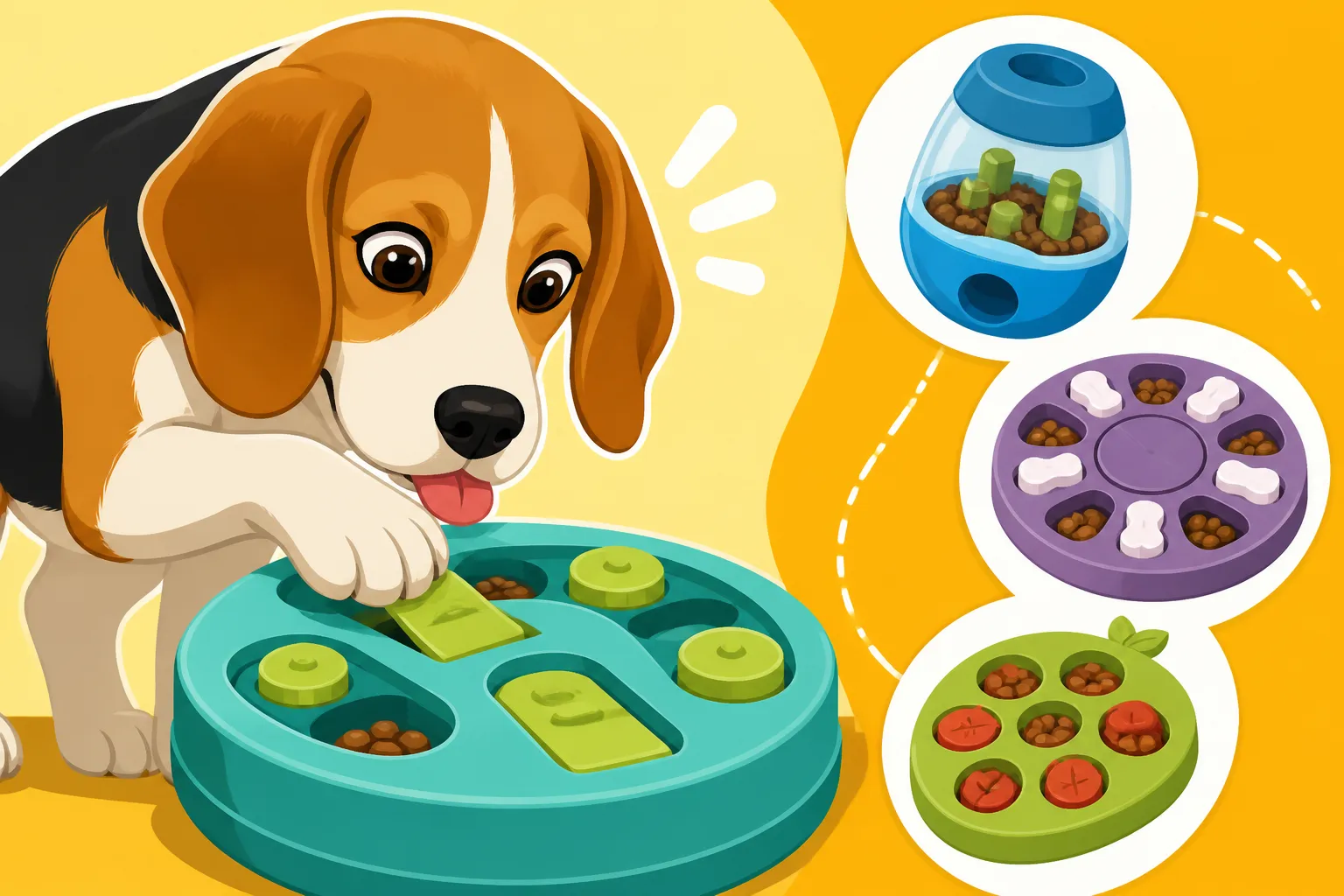
These are the more complex, multi-step feeders that require your Beagle to figure out a sequence of actions – sliding panels, lifting pieces, pushing levers – to get to their food. These are the ultimate mental workout and can truly tire out a clever Beagle.
- Pros: Provides the highest level of mental stimulation, genuinely slows down eating significantly, combats boredom, great for "brain game" sessions.
- Cons: Can be more expensive, more parts to clean, might be too frustrating for Beagles new to puzzles, not usually suitable for wet food. Some clever Beagles might even manage to pry off pieces if they are determined chewers.
- Recommendations:
- Nina Ottosson by Outward Hound Puzzles: This brand is renowned for its range of durable, engaging puzzles, from beginner to advanced. Puzzles like the "Brick" or "Dog Tornado" require your Beagle to lift blocks or spin segments to uncover hidden compartments. These are fantastic for a Beagle who has mastered simpler toys. The variety available on Amazon makes it easy to find one that suits your Beagle's current skill level.
- BAXTER & Bella often recommend integrating mental stimulation into a dog's daily routine, and these types of puzzles fit perfectly with that philosophy. They aren't just about slowing down eating; they're about building confidence and problem-solving skills. When you're working through a training program, using mealtime as a structured mental activity can be incredibly beneficial.
| Puzzle Feeder Type | Beagle Suitability | Mental Stimulation | Ease of Cleaning | Cost Range | Best Use Case |
|---|---|---|---|---|---|
| Basic Slow-Feeder Bowl | Moderate | Low to Moderate | High | Low | Beginner, simple slowing, wet/dry food |
| Treat-Dispensing Toy | High | Moderate to High | Moderate | Low-Moderate | Active engagement, dry food, noisy on hard floors |
| Snuffle Mat | High | High | Moderate | Moderate | Foraging instinct, quiet, dry food, soft chewer |
| Interactive Puzzle Toy | High | Very High | Moderate | Moderate-High | Advanced challenge, brain work, problem-solving |
How to Introduce and Progress With Puzzle Feeders
Introducing puzzle feeders to your Beagle isn't just about putting food in them and walking away. To ensure success and keep your Beagle engaged, it's essential to introduce them gradually and increase the difficulty over time. Remember, the goal is to make it a rewarding challenge, not a source of frustration.
Starting Simple and Building Confidence
When you first bring home a new puzzle feeder, especially if it's an interactive toy, start with the easiest possible configuration. For example, if it has adjustable difficulty, set it to the simplest level. If it's a treat-dispensing ball, make sure the opening is large enough for the kibble to fall out easily with minimal effort. The initial goal is for your Beagle to quickly understand that interacting with the toy leads to food. This builds positive association and confidence.
For a snuffle mat, don't bury the food too deeply at first. Scatter it mostly on the surface so your Beagle can easily sniff it out and get a quick reward. Stay with your Beagle during these initial sessions. Offer verbal praise and encouragement as they figure it out. If they seem confused or frustrated, gently guide them. You can even demonstrate how the toy works a few times, letting them see the food fall out or watching you slide a panel. The idea is to make early experiences overwhelmingly positive, so they want to keep playing the game.
Gradual Increase in Difficulty
Once your Beagle consistently masters the easiest level of a puzzle feeder, it's time to incrementally increase the challenge. For a slow-feeder bowl, you might introduce one with a more intricate maze. For a treat-dispensing toy, you could use smaller openings or ones that require more complex movements. With snuffle mats, start burying the kibble deeper into the fabric folds.
For interactive puzzle toys, move up to the next difficulty setting. If it's a multi-step puzzle, introduce one new step at a time. The key is to make the change noticeable enough to be a challenge, but not so difficult that your Beagle gives up. If you notice your Beagle getting truly frustrated, barking at the toy, or ignoring it, go back to an easier step for a few sessions. It's better to maintain their enthusiasm with consistent success than to push too hard and create a negative association with the puzzle. This slow progression keeps their brain working and prevents boredom. Many online dog training resources, like those offered by BAXTER & Bella, emphasize this principle of gradual progression in all forms of training and enrichment. It helps build a dog's problem-solving skills and resilience without overwhelming them.
Beyond the Bowl: Integrating Puzzle Feeding into Daily Life
Puzzle feeders aren't just for dinner anymore! Integrating them into other aspects of your Beagle's day can provide continuous mental stimulation, help with weight management, and even address common behavioral challenges like boredom or destructive chewing. For a highly food-motivated breed like the Beagle, every calorie is an opportunity for enrichment.
Full Meals and Snack Times
One of the most impactful ways to use puzzle feeders is to replace your Beagle's regular food bowl for all meals. Instead of just two quick gulps from a bowl, your Beagle will spend 15-30 minutes or more actively engaged in earning their breakfast and dinner. This stretches out mealtime, aids digestion, and provides a significant mental workout. Imagine if you had to solve a puzzle for every bite of your own dinner – it would certainly slow you down! Feeding a Beagle That Would Happily Eat All Day means we need to be creative about how we present their food.
Beyond full meals, puzzle feeders are fantastic for doling out treats or smaller portions throughout the day. Instead of just handing over a biscuit, put it in a treat-dispensing ball or a small puzzle. This makes even a simple snack an enriching experience. This is especially helpful if you're trying to manage your Beagle's weight, as it makes them work harder for those calories. Training a Beagle Without Making It Fat becomes easier when you can use their daily kibble allowance as high-value rewards in puzzles or training sessions.
Mental Enrichment for Boredom and Separation Anxiety
Beagles are intelligent and active dogs. If they don't get enough mental and physical stimulation, they can become bored, which often manifests as destructive chewing, excessive barking, or other undesirable behaviors. Puzzle feeders are an excellent form of Indoor Enrichment for a Rainy Beagle Week or any time your Beagle needs a mental boost. A challenging puzzle can keep them occupied and focused for a good chunk of time, burning mental energy in a constructive way.
For Beagles prone to separation anxiety, leaving them with a high-value, long-lasting puzzle feeder can help create a positive association with your departure. If they're engrossed in working for their breakfast when you leave, they might be less likely to immediately feel anxious. Start by offering the puzzle feeder for short absences and gradually increase the time. Make sure the puzzle is something they genuinely love and can get food from, but also something that will last a while.
Safety and Maintenance Tips for Long-Term Use
Choosing the right puzzle feeder isn't just about engagement; it's also about safety. Always supervise your Beagle when they're first using a new puzzle feeder to ensure they don't try to chew or destroy it, especially if they're a known chewer. If you have a particularly destructive Beagle, opt for tougher, more durable materials like hard rubber or very thick plastic. Regularly inspect all puzzle feeders for damage, cracks, or loose parts that could pose a choking hazard.
Cleaning is also crucial. Food residue can build up in the crevices of puzzle feeders, leading to bacterial growth. Most plastic and rubber puzzle feeders are dishwasher safe or can be easily hand-washed with warm, soapy water. Snuffle mats should be washed frequently according to their care instructions. Keeping the feeders clean ensures your Beagle stays healthy and enjoys their mealtime puzzles. Finding durable, easy-to-clean options on Amazon with good reviews can save you a lot of hassle in the long run.
By embracing puzzle feeders as a regular part of your Beagle's routine, you're not just slowing down their eating; you're enriching their lives, engaging their incredible minds, and contributing to their overall health and happiness.
Disclaimer
This article is for general informational purposes only and does not constitute professional advice. Laws, prices and regulations vary by location and change over time. Consult a qualified professional for guidance on your specific situation.