A Beagle Stealing Food From Small Children
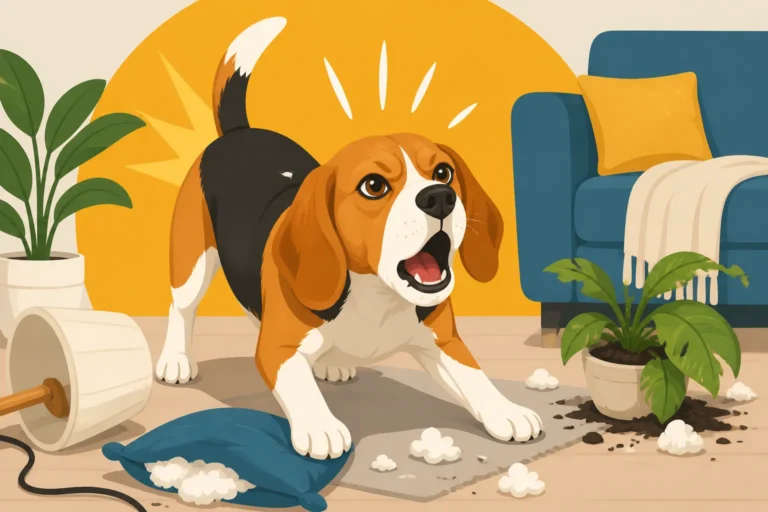
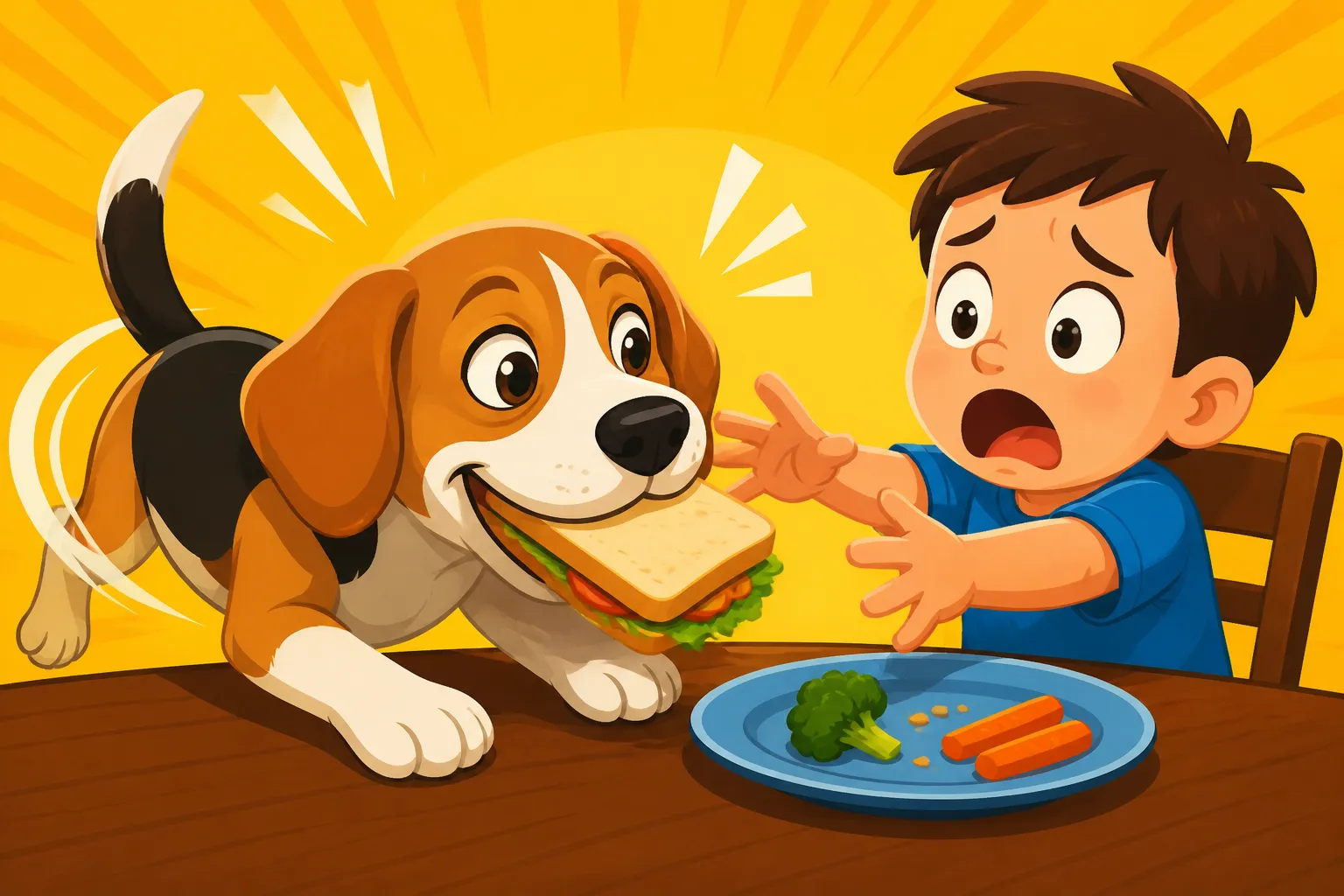
There's almost nothing more stressful for a Beagle owner than turning your back for a split second, only to hear the tell-tale smack of a tiny hand, followed by a frantic gulp, and then seeing your beloved Beagle bolting away with your child's lunch. It's not just a mess; it's a genuine worry about what they swallowed, if they'll choke, or if they'll accidentally nip your child in their food-driven frenzy. This guide is here to walk you through understanding why your Beagle is so prone to these culinary heists and, more importantly, how you can prevent them and manage the situation when, inevitably, it happens.
The Unyielding Force of the Beagle Food Drive
Let's be honest, most Beagle owners know their dogs are driven by their stomachs. It's not just a cute quirk; it's deeply ingrained in their genetics and historical purpose. Understanding this fundamental aspect of your Beagle's personality is the first step toward managing their tendency to swipe food.
A Nose That Never Rests
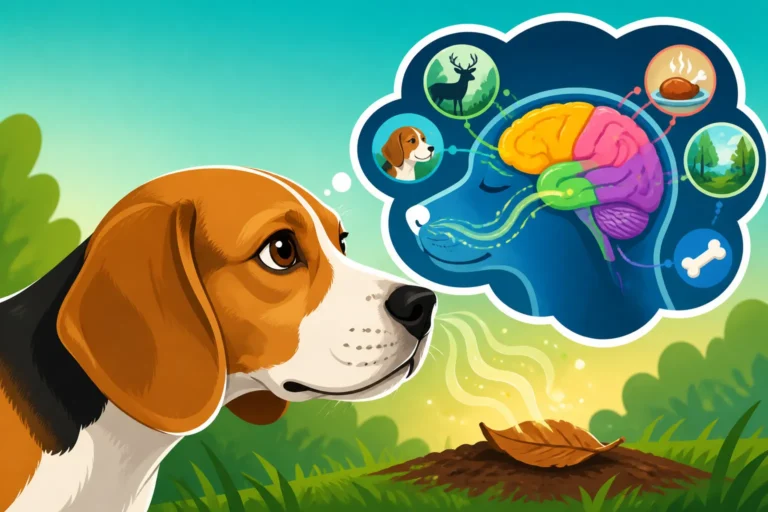
Beagles possess one of the most remarkable noses in the canine world. They have an estimated 220 million scent receptors, compared to our mere 5 million, and an olfactory bulb that is significantly larger. This isn't just about detecting a rabbit in a field; it means they can dissect and interpret every single scent molecule in the air around them. That tiny crumb of cracker your toddler dropped under the high chair? To your Beagle, it’s a beacon, a siren song of deliciousness, screaming its presence from across the room. They don't just smell food; they smell the exact ingredients, the cooking method, and the lingering warmth. It's a constant, overpowering information stream that can make ignoring food nearly impossible. You might find it fascinating to learn more about Why a Beagle Nose Beats Ours Ten Thousand Times Over.
Imagine you're in a crowded room, and someone whispers your name. You might hear it, or you might not. Now imagine that whisper is amplified to a roar, and it's coming from every direction, specifically telling you where your favorite food is. That's a bit like what a Beagle experiences around food. Their world is dictated by scent, and the scent of food, especially dropped or unattended food, is the most compelling story of all. It’s not about disobedience; it’s about an overwhelming biological imperative.
The Hunter's Mentality: Bred to Find Every Morsel
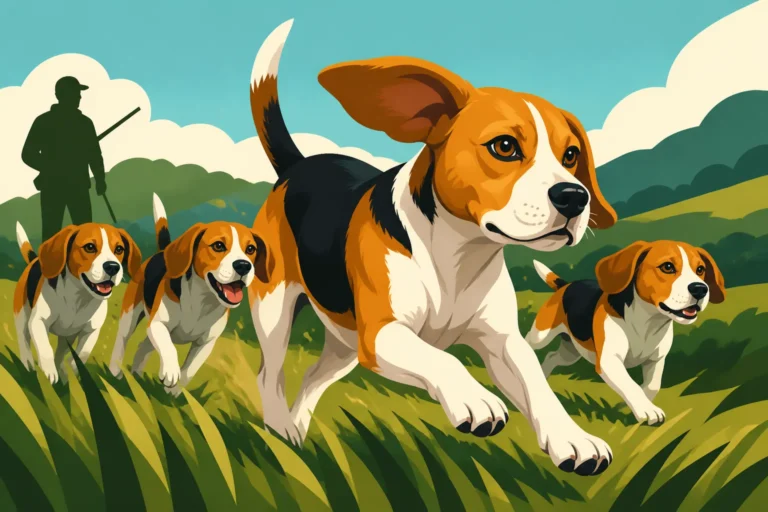
Historically, Beagles were bred for hunting in packs, primarily for rabbits and hare. Their job wasn't just to track; it was to find, flush out, and, yes, often to retrieve. In a pack environment, competition for food would have been fierce. The dog that hesitated, the dog that was polite, often went hungry. This bred a keen sense of urgency around food and a drive to consume quickly whatever was available. This isn't a personality flaw; it's a highly successful evolutionary trait for their original job.
This instinct translates directly into their behavior around your child's dropped snack. When your Beagle sees or smells food, even if it's "not theirs," their primal instincts kick in. There's an internal clock ticking, telling them to secure that meal before a rival pack member (or, in this case, another family pet, or even you) gets to it. They aren't thinking about manners or consequences; they're thinking about survival and opportunity. This strong drive is why The Beagle Food Drive That Empties Your Counters is such a common complaint among Beagle owners.
Food as a Primary Motivator
Because their food drive is so immense, food becomes an incredibly powerful tool for training. But it also means it's a massive distraction and temptation in everyday life. For a Beagle, food isn't just fuel; it's a reward, an obsession, and often, the primary focus of their existence. This means that while other breeds might be motivated by toys, praise, or affection, a Beagle will almost always prioritize food.
This powerful motivation, while useful in structured training scenarios, can be a nightmare in a household with small children. Children are, by nature, messy eaters. They drop crumbs, they leave plates unattended, and they often offer food directly to the dog (which, while cute, reinforces the very behavior we're trying to prevent). For a Beagle, every dropped piece of food is a jackpot, reinforcing the idea that good things come from the floor, and fast action gets the prize. This creates a challenging cycle that requires consistent human intervention and management.
The Dangers Beyond a Missing Snack
While a stolen piece of toast might seem like a minor inconvenience, a Beagle stealing food from small children carries several significant risks that go beyond mere annoyance. It can be genuinely dangerous for both your dog and your child.
Choking Hazards and Toxic Foods
Children's food, and the environment around them, often contains items that are dangerous or even toxic to dogs. Small, hard pieces of food like grapes, cherry pits, or even certain candies can be choking hazards. Bones from chicken wings or ribs are splinter risks. Beyond physical hazards, many common human foods are poisonous to dogs. Chocolate, grapes, raisins, xylitol (a common sugar substitute found in many candies and baked goods), onions, garlic, and even certain nuts can cause severe illness, organ damage, or even death.
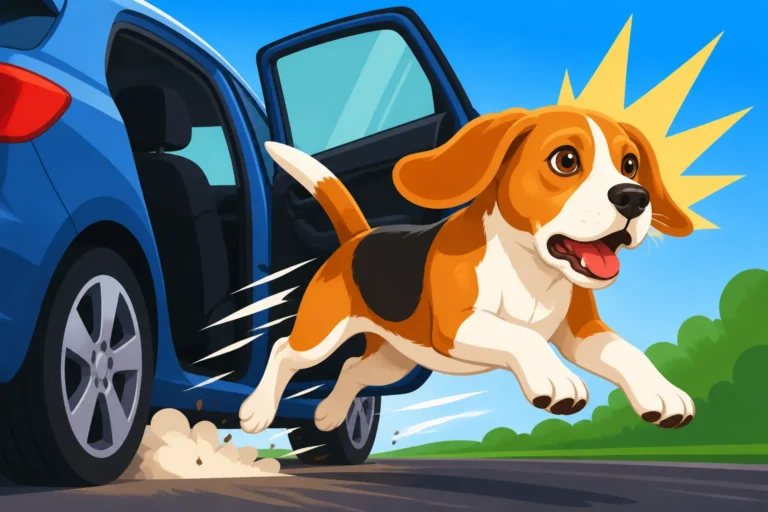
A Beagle's tendency to gulp food down quickly, inherited from their pack-hunting days, dramatically increases the risk of choking. They are not delicate eaters; they inhale. This means that a large piece of food, or something that splinters, can become lodged in their throat before you even have a chance to react. If your Beagle has swallowed something questionable, it's crucial to know Beagle Emergency Signs That Cannot Wait Until Morning. Even if the food isn't toxic, a sudden influx of rich, fatty human food can lead to gastrointestinal upset, severe vomiting, diarrhea, or even life-threatening pancreatitis, which can mean an expensive emergency vet visit. For a comprehensive list of dangers, you should be aware of What a Beagle Should Never Be Allowed to Eat.
Resource Guarding and Child Safety
Another serious concern arises if your Beagle begins to resource guard the food it has stolen. Resource guarding is when a dog perceives an item (food, toys, even a person or space) as highly valuable and exhibits defensive behaviors—growling, snapping, or biting—to prevent others from taking it. While Beagles are generally known for their merry and tolerant dispositions, resource guarding can develop in any breed, especially around high-value items like stolen human food.
If your child accidentally gets too close to a Beagle who is guarding a stolen treat, the consequences can be severe. A quick grab by a child trying to retrieve their snack could result in a nip or bite, even from a dog that has never shown aggression before. This isn't necessarily malice; it's an instinctual "stay away from my treasure" response. It's a terrifying scenario for any parent, and it's far better to prevent it than to react to it. Understanding Beagle Resource Guarding at the Food Bowl can provide valuable insights, even if the guarding is happening outside the bowl.
Digestive Upset and Vet Bills
Even if your Beagle manages to avoid choking or toxic ingestion, a diet of stolen human food can wreak havoc on their digestive system. Beagles are often sensitive to changes in diet, and rich, fatty foods can easily trigger an upset stomach, leading to vomiting and diarrhea. This isn't just unpleasant to clean up; it can lead to dehydration and discomfort for your dog.
Repeated incidents of dietary indiscretion can also lead to chronic issues. Pancreatitis, an inflammation of the pancreas, is often triggered by consuming fatty foods and can be a recurring, painful, and expensive condition to manage. If your Beagle shows signs of an upset stomach after a food heist, such as A Beagle Vomiting After Eating Something Outside, it's time to call your vet. All these potential health issues translate directly into unexpected and often substantial vet bills, adding financial stress to an already difficult situation.
Proactive Prevention: Setting Up for Success
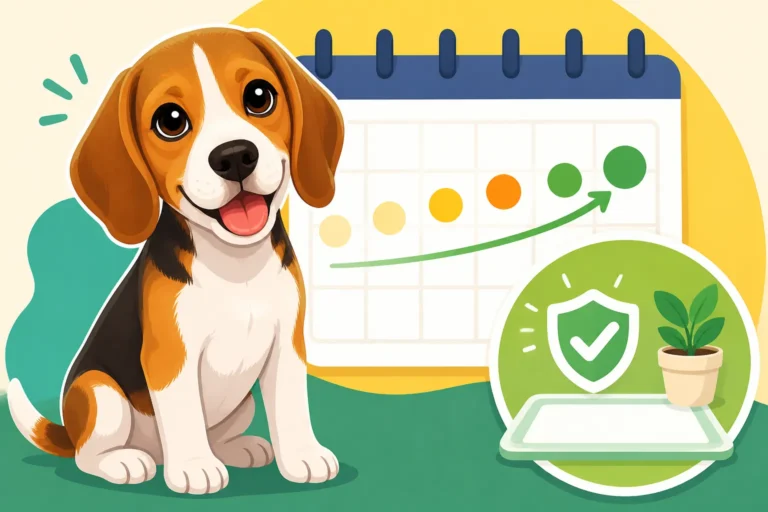
Preventing your Beagle from stealing food from small children is a multi-faceted approach involving environmental management, consistent training, and clear family rules. It's about setting your Beagle, and your children, up for success.
Environmental Management is Key
The easiest way to prevent food theft is to make sure there's no opportunity for it in the first place. This means being incredibly vigilant about managing your home environment, especially when children and food are involved.
- Designated Eating Areas: Have your children eat in specific areas, like a high chair or at a dining table, where the Beagle cannot easily access dropped food. Use baby gates to block off the kitchen or dining area during mealtimes. You can find durable and easy-to-install baby gates on platforms like Amazon that can make a huge difference in creating a dog-free eating zone.
- Prompt Cleanup: As soon as a meal or snack is finished, clean up immediately. Sweep or vacuum up crumbs, wipe down surfaces, and put away any leftover food. Don't let food linger on low tables or within a Beagle's reach. This also applies to secure trash cans; Beagles are notorious for raiding them, so invest in heavy-duty, locking bins. You might want to refer to Beagle-Proofing a Kitchen Counter for more ideas on securing your space.
- Supervision, Supervision, Supervision: Never leave a child unattended with food if your Beagle is in the same room. A moment's distraction is all it takes. This might sound exhausting, but it's the single most effective deterrent. Teach older children to eat at a table or counter where the Beagle cannot reach.
Teaching Impulse Control and Manners
While environmental management is crucial, training your Beagle in basic obedience and impulse control is equally important. These skills give your dog the tools to make better choices, even when temptation is high.
- "Leave It" and "Drop It" Commands: These are non-negotiable for a Beagle living with children. "Leave It" teaches your dog to ignore a tempting item on the ground or a counter, while "Drop It" teaches them to release something they already have in their mouth. Start practicing these commands in a low-distraction environment with low-value treats, gradually increasing the difficulty to include high-value human food. You can get started with specific guidance on Beagle Leave It Training With Real Food Down and Teaching Drop It Before a Beagle Swallows. Online puppy programs like BAXTER & Bella often have excellent, step-by-step modules for teaching these essential commands from puppyhood, which can be invaluable for consistent training.
- "Go to Your Place": Teach your Beagle to go to a designated bed or mat and stay there calmly while children are eating. Reward them for staying in their "place" with a long-lasting chew or puzzle feeder, keeping them occupied and away from the food zone. This helps redirect their attention and provides a safe, comfortable spot for them during mealtimes. Puzzle feeders, readily available on Amazon, can keep a Beagle happily engaged for a while.
- Consistent Rules: Everyone in the family, including older children and visitors, needs to be on the same page. No feeding the Beagle from the table, no giving them scraps, and no letting them "clean up" dropped food. Inconsistency will only confuse your Beagle and reinforce undesirable behaviors.
Creating Clear Boundaries
Beyond specific commands, establishing clear boundaries around food and children helps your Beagle understand what is expected of them.
- No Begging: Never reward begging behavior, even if it's just a tiny piece of food. This teaches your Beagle that begging works. If they beg, ignore them completely or redirect them to their "place."
- Child's Food is Sacred: From a young age, teach your children not to feed the dog their food. Explain that human food can make the dog sick, and that it encourages the dog to steal. While difficult with very young children, consistent messaging from parents is key as they grow.
- Positive Reinforcement for Calm Behavior: Actively praise and reward your Beagle when they exhibit calm behavior around food, such as lying quietly on their bed while dinner is being prepared or eaten. This reinforces the desired behavior and builds a positive association with respecting food boundaries.
| Prevention Strategy | Description | Best For | Challenges |
|---|---|---|---|
| Environmental Control | Using baby gates, secure trash, designated eating zones, immediate cleanup. | Managing highly food-motivated dogs and young, messy children. | Requires constant vigilance and physical barriers. |
| "Leave It"/"Drop It" | Training commands to ignore or release forbidden items. | Teaching impulse control and safety around found objects. | Requires consistent training, starts in low-distraction environments. |
| "Go to Your Place" | Directing dog to a specific spot during mealtimes. | Creating calm boundaries and reducing begging. | Requires patience; dog must learn to stay even with tempting scents. |
| Consistent Family Rules | Everyone in the household follows the same no-feeding rules. | Preventing mixed signals and reinforcing desired behaviors. | Requires full family cooperation and communication. |
| Supervision | Actively watching interactions between children and food with the dog present. | Preventing incidents in real-time. | Can be exhausting and difficult to maintain 100% of the time. |
What to Do When It Happens (and It Will!)
Despite your best efforts, your Beagle is a Beagle. There will likely be times when they manage to snag a rogue chicken nugget or a dropped cookie. When this happens, a calm and strategic response is critical for safety and to prevent reinforcing the undesirable behavior.
Immediate Intervention (Safely)
Your first priority is always safety – for your child and your dog. If your Beagle has something dangerous, like a chicken bone or chocolate, swift action is needed.
- Stay Calm: Panicking will only escalate the situation. Your Beagle might interpret your frantic movements as an attempt to steal their prize, potentially leading to resource guarding.
- Assess the Item: If it's something truly toxic or a major choking hazard, you need to get it away from them quickly and safely.
- "Drop It" Command: If your dog knows "Drop It," use it immediately and offer a higher value trade. A piece of cooked meat or a highly desirable commercial treat can often convince a Beagle to drop what they have. This teaches them that giving things up results in an even better reward, making them more likely to comply in the future.
- No Force: Avoid reaching directly into your Beagle's mouth or wrestling with them for the item unless it's a life-or-death emergency and there's no other choice. This can lead to a bite or solidify resource guarding behaviors.
- Call Your Vet: If you suspect your Beagle has ingested something toxic or a choking hazard, contact your veterinarian immediately. They can advise you on whether to induce vomiting, if a trip to the emergency clinic is necessary, or what symptoms to watch for.
- If it's Harmless (but still stolen): If it's just a piece of bread or a cracker that fell, it's often best to ignore the behavior in the moment, clean up any remaining mess, and then review your prevention strategy. Chasing them around for a harmless stolen item can inadvertently turn it into a fun game for the Beagle, reinforcing the act of stealing. A quick, sharp "No!" followed by ignoring them might suffice, but avoid making it a dramatic event.
Reviewing Your Strategy: Every Incident is a Learning Opportunity
Every time your Beagle successfully steals food, it means there was a loophole in your management or a breakdown in training. Use these moments as a chance to strengthen your preventative measures, rather than simply getting frustrated.
- Identify the Weak Point: Where did the food come from? Was the gate left open? Was the child unsupervised? Was the trash can unsecured? Pinpoint the exact moment the breach occurred.
- Reinforce Management: If it was an environmental issue, double down on your barriers. Perhaps you need a taller baby gate, a heavier trash can lid, or a firmer rule about eating only at the table. On Amazon, you can find a wide array of secure containers and management tools to help you beef up your defenses.
- Intensify Training: If your "Leave It" or "Drop It" commands failed, go back to basics in a controlled environment. Practice more frequently, increase the value of your training rewards, and ensure you're consistent. Programs like BAXTER & Bella can help provide structured lessons if you're struggling to make progress. Sometimes, simply practicing in a slightly more distracting environment can bridge the gap between classroom success and real-world application.
- Re-evaluate Family Involvement: Have a family meeting to remind everyone of the rules. Are older siblings inadvertently dropping food or leaving plates on coffee tables? Ensure everyone understands the importance of consistency for the Beagle's safety and behavior.
Consulting a Professional
If the problem persists, especially if you observe any signs of resource guarding or if your Beagle's food drive seems unmanageable, don't hesitate to seek professional help.
- Certified Professional Dog Trainer (CPDT): A good trainer can observe your home environment and dog's behavior, offering tailored strategies and helping you refine your training techniques for impulse control. They can provide hands-on guidance for "Leave It," "Drop It," and "Go to Your Place" in real-world scenarios.
- Veterinary Behaviorist (Dip ACVB): For severe cases, particularly if aggression or resource guarding is escalating, a board-certified veterinary behaviorist can provide a more in-depth assessment. They have both veterinary and behavioral expertise, allowing them to rule out any underlying medical conditions contributing to the behavior and to develop a comprehensive behavior modification plan, sometimes including medication if appropriate. This specialist can address the root causes of intense food drive or guarding in a way that a general trainer might not be equipped to handle.
Remember, living with a Beagle means embracing their incredible nose and powerful food drive. It's a journey of constant management and consistent training, but with patience and the right strategies, you can create a safe and harmonious environment for both your beloved hound and your little ones.
Disclaimer
This article is for general informational purposes only and does not constitute professional advice. Laws, prices and regulations vary by location and change over time. Consult a qualified professional for guidance on your specific situation.