Gas in a Beagle That Eats Far Too Fast
Oh, the infamous Beagle gas! If you're reading this, chances are you've experienced the potent aroma of your sweet-faced hound clearing a room, and you've probably noticed it happens most after they've inhaled their dinner at warp speed. It's frustrating, often embarrassing, and can sometimes be a sign that something more is going on in that rumbling tummy. This guide is here to help you understand why your Beagle turns into a little gas machine, especially after eating too fast, and what you can actually do about it to bring peace (and fresh air) back to your home.
Why Your Beagle Becomes a Gas Factory Beyond Just Eating Fast
It's a common sight: you put the food bowl down, and within what feels like mere seconds, your Beagle has vacuumed up every last kibble. Then, a few hours later, the symphony of flatulence begins. While speed eating is a huge contributor to gas, it's not the only piece of the puzzle. Understanding the whole picture is the first step to helping your gassy friend.
The Anatomy of a Speed-Eating Beagle's Digestive System
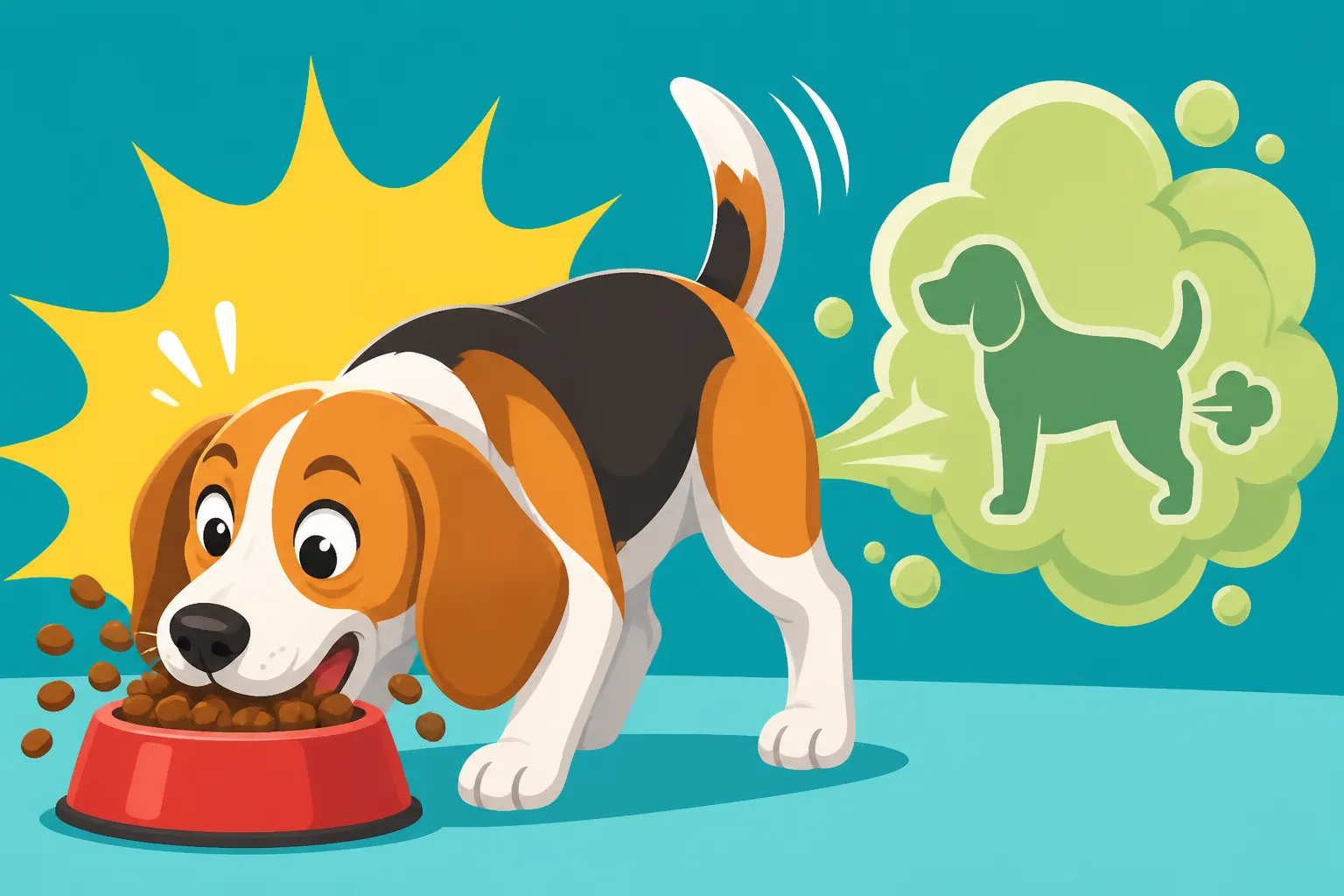
When your Beagle eats at lightning speed, they're not just consuming food; they're also swallowing a significant amount of air. Think about it – instead of carefully chewing and breaking down their meal, they're practically inhaling it. This gulping action introduces excess air into their stomach, which then makes its way through their digestive tract. It's like blowing up a balloon inside their system!
This rapid ingestion means the food doesn't get adequately mixed with saliva, which contains initial digestive enzymes. The stomach then has to work harder, and the food moves quickly into the intestines, where fermentation by gut bacteria takes over with less preliminary breakdown. This hurried process, coupled with the air swallowed, creates a perfect storm for gas production. Beagles, with their incredible food drive, are almost predisposed to this kind of "inhaling" behavior, which is why managing their mealtime pace is so crucial. It’s not just about manners; it’s about their comfort.
Beyond Speed: Other Dietary Contributors to Beagle Gas
While eating fast is a major player, what your Beagle is actually eating can make a huge difference in how much gas they produce, even if they're a quick eater. Some ingredients are notorious for causing excessive flatulence in dogs. High-fiber foods, especially those with certain complex carbohydrates like beans, peas, lentils, and some root vegetables, can ferment in the gut and produce gas.
Dairy products are another common culprit. Many dogs, just like people, are lactose intolerant. A small amount of cheese as a treat might seem harmless, but for a lactose-intolerant Beagle, it can lead to significant discomfort and a very smelly aftermath. Fatty scraps from the dinner table, while irresistible to your Beagle, can also wreak havoc on their digestive system, leading to gas and sometimes even pancreatitis. Even seemingly healthy vegetables, if introduced too quickly or in large quantities, can cause upset. Always consider if a new food or treat coincided with an increase in gas. The Foods That Are Toxic to a Beagle is a must-read, as some foods cause more than just gas.
Recognizing the Signs and Severity of Beagle Gas
It’s easy to dismiss a farty dog as just being, well, a dog. But sometimes, gas can be a clue that something more serious is happening internally. Knowing the difference between normal Beagle flatulence and a potentially problematic situation is key for every Beagle owner.
Distinguishing Normal Beagle Flatulence from a Problem
Let's be real: all dogs pass gas sometimes. An occasional, fleeting whiff after a big meal or a particularly exciting play session is probably nothing to worry about. This is just a normal byproduct of digestion. However, if your Beagle is consistently producing gas that's truly offensive, seems constant throughout the day, or is accompanied by other symptoms, then it's time to pay closer attention.
Signs that gas might be a problem include a frequency that seems abnormal, particularly pungent odors that are consistently worse than typical doggy farts, or visible bloating in their abdomen. You might also notice your Beagle seems uncomfortable, restless, or is stretching in unusual ways to try and relieve pressure. They might seem less enthusiastic about walks or playtime, or even lose interest in their food – and for a Beagle, that's a huge red flag! It’s about more than just the smell; it’s about their overall well-being.
When to Worry: Gas as a Symptom of a Larger Issue
There are definite warning signs that excessive gas points to something more serious than just fast eating or a dietary indiscretion. If your Beagle's gas is accompanied by any of these symptoms, you need to contact your vet immediately: severe abdominal pain (they might yelp if you touch their belly, or arch their back), persistent vomiting or diarrhea, lethargy, loss of appetite, pale gums, or unproductive retching (trying to vomit but nothing comes up).
These symptoms could indicate a range of serious conditions, from severe food sensitivities or inflammatory bowel disease to more life-threatening issues like bloat, medically known as Gastric Dilatation-Volvulus (GDV). Beagles are a deep-chested breed, making them somewhat susceptible to bloat, which is a true emergency. If you suspect bloat, time is of the essence. Don't wait; get to an emergency vet. It's also worth noting that if you're battling persistent gas alongside skin issues, it could point to food allergies. Beagle Food Allergies Showing Up on the Skin is an excellent resource for understanding those connections. Always be aware of Beagle Emergency Signs That Cannot Wait Until Morning.
Strategies to Slow Down a Hungry Beagle
Since eating too fast is a primary culprit for gas, tackling this behavior head-on is one of the most effective strategies. It requires patience and consistency, but the rewards—a calmer, less gassy Beagle—are well worth the effort.
The Power of the Slow Feeder Bowl
Slow feeder bowls are truly game-changers for fast-eating Beagles. These bowls aren't just pretty dishes; they're cleverly designed with ridges, mazes, or separate compartments that force your dog to eat around obstacles, making it impossible to gulp down large mouthfuls. By slowing down their eating pace, they ingest less air, which directly translates to less gas later on.
There's a wide variety available. Some, like a spiral maze bowl, make them push the food around the edges. Others have tall, rounded "spikes" that separate the kibble. You can find excellent options on sites like Chewy or Amazon, offering different designs to suit your Beagle's chewing style and frustration tolerance. It might take your Beagle a little while to get used to it, and they might give you some truly pitiful looks, but stick with it. It’s for their own good and can significantly reduce the internal discomfort and the infamous Beagle farts.
Innovative Feeding Techniques Beyond the Bowl
If your Beagle is a master at defeating even the most complex slow feeder bowl, or you just want to add more mental enrichment to their day, there are plenty of other creative feeding methods. Scatter feeding is a fantastic way to engage their incredible nose. Instead of putting their meal in a bowl, scatter their kibble across a clean floor, in the grass outside, or even hide it in different rooms. This forces them to use their natural sniffing abilities to "hunt" for their food, slowing down the eating process dramatically and providing valuable mental exercise.
Puzzle toys are another brilliant option. KONGs, treat-dispensing balls, or snuffle mats require your Beagle to work for their meal, engaging their brain and making them eat much slower. For instance, a snuffle mat is a fabric mat with various folds and pockets where you can hide kibble. Your Beagle has to sniff and dig to find each piece, turning mealtime into a fun, extended activity. You can also divide their daily food allowance into smaller, more frequent meals. Instead of two large meals, try three or four smaller ones. This reduces the amount of food in their stomach at any one time, giving their digestive system less to process in one go. For more ideas, check out Puzzle Feeders That Genuinely Slow a Beagle.
Making Mealtime a Calm, Controlled Event
The environment surrounding mealtime can also play a huge role in how fast your Beagle eats and, consequently, how much gas they produce. A chaotic or rushed mealtime can heighten excitement, leading to even faster gulping. Establishing a calm, consistent routine is really important. Designate a specific, quiet spot where your Beagle always eats, away from high-traffic areas or other pets if you have them.
If you have multiple dogs, feed them separately to reduce competition and prevent them from feeling like they need to race to finish. You might even incorporate a "wait" command before they're allowed to approach the bowl, teaching them a bit of impulse control and setting a calmer tone for the meal. Consistency is key here. Every single meal should be a relaxed, predictable event. If you're struggling with getting your Beagle to focus, remember that their nose is always on duty, which is why consistent training and environmental management are so important, especially when you think about Why a Beagle Should Never Be Off Leash Unfenced.
Dietary Adjustments to Reduce Beagle Gas
Beyond the speed of eating, the actual composition of your Beagle's diet can either mitigate or exacerbate gas issues. Sometimes, a few thoughtful tweaks to their food can make a world of difference.
Evaluating Your Beagle's Current Food for Gas Triggers
It’s time to play detective with your Beagle's kibble bag. Look closely at the ingredient list of your current dog food. Many commercial dog foods contain fillers, artificial colors, flavors, and preservatives that can be difficult for some dogs to digest and may contribute to gas. Common gas-producing ingredients include corn, wheat, soy, and certain animal by-products. While not inherently bad for all dogs, for some Beagles, these can be problematic.
Consider the protein source. If your Beagle is on a chicken-based diet and constantly gassy, a "novel protein" like duck or lamb might be worth exploring, especially if combined with an elimination diet guided by your vet. Some Beagles do better on diets with easily digestible carbohydrates like sweet potato or rice instead of grain-heavy formulas. Brands like Ollie often focus on fresh, whole ingredients, which can sometimes be easier on sensitive stomachs than highly processed kibble. Pay attention to how your Beagle responds to ingredient changes – it's a process of trial and error to find what works best for your specific dog.
The Role of Probiotics and Digestive Supplements
Just like in humans, a healthy balance of gut bacteria is crucial for efficient digestion in Beagles. If your Beagle's gut flora is out of whack, it can lead to excessive fermentation and, you guessed it, more gas. This is where probiotics and digestive enzymes can be really helpful. Probiotics introduce beneficial bacteria into the gut, helping to rebalance the microbiome and improve digestion. Digestive enzymes, on the other hand, help break down food more effectively, reducing the load on the gut bacteria and minimizing gas production.
You can find a wide range of these supplements on platforms like Chewy or Amazon. Look for products specifically formulated for dogs and always check with your vet before introducing any new supplement, especially if your Beagle has other health conditions or is on medication. They can advise on the best type and dosage for your dog. For Beagles with recurring loose stools, Probiotics for a Beagle With Loose Stools offers more detailed insights into how these supplements can help maintain digestive health.
Avoiding Common Gas-Inducing Human Foods and Treats
It's hard to resist those pleading Beagle eyes, especially when you're eating something delicious. But many human foods that are perfectly fine for us can cause digestive upset and significant gas in Beagles. As we touched on earlier, dairy is a big one. Avoid giving milk, cheese, or ice cream if your Beagle is prone to gas. Cruciferous vegetables like broccoli, cauliflower, and cabbage, while healthy in tiny amounts, can produce a lot of gas when eaten by dogs due to their complex sugars.
Legumes such as beans, peas, and lentils are also notorious gas producers. Even seemingly innocent fatty scraps from the dinner table, like chicken skin or bacon grease, can lead to severe gastrointestinal distress. It's best to stick to high-quality, dog-specific treats, and always introduce new foods slowly and in very small quantities to see how your Beagle reacts. Remember, their digestive systems are different from ours, and what's good for you isn't always good for them. Plus, being mindful of their diet helps manage their weight, preventing issues like Beagle Obesity Treated as a Health Problem, which also impacts their overall health, including joints as detailed in How Extra Weight Raises Beagle Disc Pressure.
Here’s a quick comparison of popular slow feeder types you might consider for your gassy Beagle:
| Slow Feeder Type | How It Works | Pros | Cons | Ideal For |
|---|---|---|---|---|
| Maze Bowl | Internal ridges or patterns force dog to eat around obstacles. | Effectively slows eating, durable, easy to clean. | Some dogs might still learn to "scoop" larger portions. | Most Beagles, especially those new to slow feeders. |
| Puzzle Feeder | Requires dog to manipulate parts, push levers, or solve a simple puzzle. | Excellent mental enrichment, significantly slows eating, very engaging. | Can be messy, some parts might break with aggressive chewers, takes longer. | Highly food-motivated Beagles needing mental stimulation. |
| Snuffle Mat | Fabric mat with folds/pockets where food is hidden; dog sniffs it out. | Promotes natural foraging, soft, quiet, provides mental exercise. | Not as durable for heavy chewers, can get dirty easily, machine wash needed. | Beagles who love to sniff, for enrichment, or for sensitive teeth. |
| Divided Bowl | Bowl with several distinct compartments for small portions of food. | Simple, effective, easy to clean, less intimidating than complex mazes. | May not slow down the most determined speed eaters as much as mazes. | Beagles needing a moderate slow-down, or those who get frustrated by complex puzzles. |
Disclaimer
This article is for general informational purposes only and does not constitute professional advice. Laws, prices and regulations vary by location and change over time. Consult a qualified professional for guidance on your specific situation.