Probiotics for a Beagle With Loose Stools
It's incredibly frustrating when your otherwise happy-go-lucky Beagle suddenly develops loose stools. One minute they're romping around, nose to the ground, and the next you're cleaning up a mess that makes you wonder what on earth they got into this time. This guide will walk you through understanding why your Beagle might be experiencing loose stools, how probiotics can be a powerful ally in restoring their digestive balance, and what other steps you can take for a healthier, happier gut.
Understanding Beagle Loose Stools: More Than Just a Mess
Loose stools in Beagles are a tale as old as time, or at least as old as Beagles themselves. Their incredible noses and insatiable appetites mean they are perpetually seeking out interesting (and often, disgusting) things to ingest. However, what looks like a simple "oops" can sometimes be a sign of something a little more complex happening beneath the surface.
Common Causes of Diarrhea in Beagles
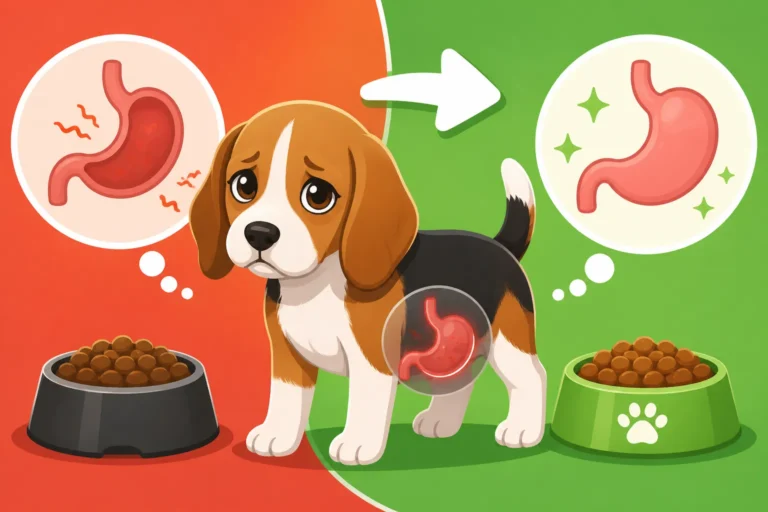
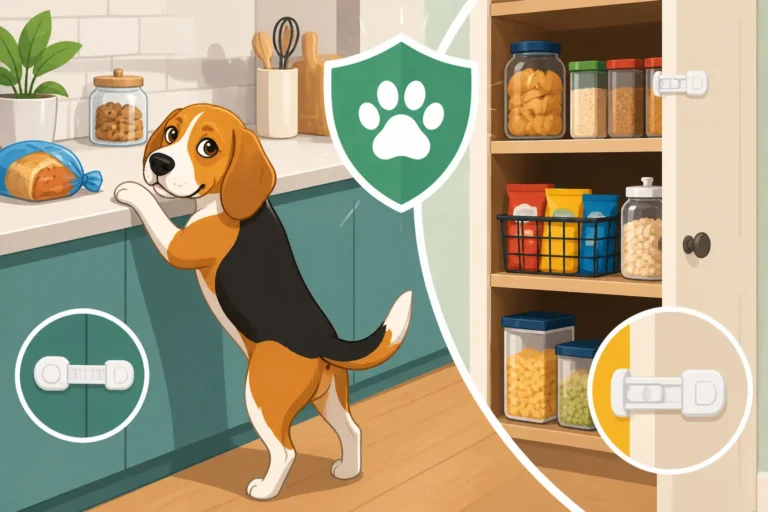
Let's be honest, Beagles are champion scavengers. If there's something remotely edible, or even just interesting-smelling, on the ground, they're going to try to eat it. This delightful trait, often endearing when it leads them to a dropped piece of cheese, is precisely why "dietary indiscretion" is at the top of the list for common causes of loose stools. A forgotten picnic scrap, a dive into the trash can, or even just some particularly rich human food shared under the table can send their sensitive digestive system into a tailspin, resulting in anything from soft stools to full-blown watery diarrhea. It's the ultimate Beagle gamble: a sniff, a gulp, and then you cross your fingers for tomorrow morning.
Beyond their adventurous eating habits, stress plays a much larger role in a Beagle's gut health than many owners realize. These are deeply social, routine-loving dogs, and any disruption can cause internal turmoil that manifests outwardly. Moving to a new home, the arrival of a new family member (human or furry), a change in your work schedule, or even a particularly boisterous thunderstorm can trigger anxiety that impacts their digestive system. Similarly, a sudden switch in dog food, perhaps from one brand to another or even just a different flavor within the same brand, without a gradual transition period, is a notorious culprit for upsetting a Beagle's stomach and leading to unpleasant surprises.
While the causes above are usually transient and easily remedied, it's vital to remember that loose stools can also signal more serious underlying issues. Intestinal parasites, like worms or protozoa (think giardia or coccidia), are incredibly common, especially in puppies or Beagles who spend a lot of time exploring outdoors. Bacterial infections, viral illnesses, or even a blossoming food allergy could also be at play. Sometimes, conditions like inflammatory bowel disease or even a pancreatic issue can first present with chronic loose stools. This is why paying attention and seeking professional advice when things don't clear up quickly is so important.
It's tempting to think every bout of loose stool is just "something they ate," and often, it is. But ignoring recurring or severe episodes can delay diagnosis of conditions that require specific medical intervention. A Beagle's gut is a complex environment, and while resilient, it definitely sends us signals when it's not happy. Understanding these potential causes helps you decide whether to reach for a bland diet and a probiotic, or pick up the phone to your veterinarian. It's all part of the joys and challenges of living with a Beagle!
When Loose Stools Become a Concern
A single episode of loose stool might just be a blip on the radar, a minor protest from your Beagle's stomach after they snuck that dropped crumb from under the couch. However, the real concern kicks in when you start seeing a pattern: repeated episodes, a duration that stretches beyond a day, or stools that become increasingly watery. The frequency of trips outside, especially if they're struggling to hold it, is a huge indicator that something more significant is going on. If your Beagle has had several loose bowel movements within a few hours, or if the problem has lingered for more than 24-48 hours, it's definitely time to take notice.
Beyond just the consistency, you need to be a detective for other accompanying symptoms. Is your normally energetic Beagle suddenly lethargic, sleeping more than usual, or uninterested in their favorite toys or walks? Are they vomiting in addition to the diarrhea? Even more concerning, have you noticed any blood – either bright red streaks or dark, tarry stools – or excessive mucus in their bowel movements? These are significant red flags that suggest more than a simple upset stomach and warrant immediate veterinary attention. Don't wait to see if these resolve on their own, especially if your Beagle seems otherwise unwell.
Dehydration is a silent and dangerous enemy, particularly for puppies and smaller Beagles when experiencing severe or prolonged loose stools. Each loose bowel movement means a loss of vital fluids and electrolytes. You might not see them drinking enough to compensate, and soon they can become weak, listless, and even go into shock. You can gently check their gums; if they feel tacky or their skin doesn't snap back quickly when you tent it (gently pull up on the skin over their shoulders), they might be dehydrated. Keeping an eye on their water intake and ensuring they have access to fresh water is paramount, but if they're not drinking, that's another reason to seek professional help.
Ultimately, while many minor gastrointestinal upsets can be managed at home with a bland diet and a day or two of rest, it's crucial to know when to escalate the situation. If your Beagle's loose stools persist, worsen, or are accompanied by any of the concerning symptoms mentioned above, do not hesitate to contact your veterinarian. Ignoring these signs can lead to more serious complications, and a quick check-up can often put your mind at ease or identify an issue before it becomes critical. Sometimes, knowing Beagle Emergency Signs That Cannot Wait Until Morning can make all the difference, so always trust your gut feeling if you sense something is truly wrong.
The Role of Probiotics in Beagle Gut Health
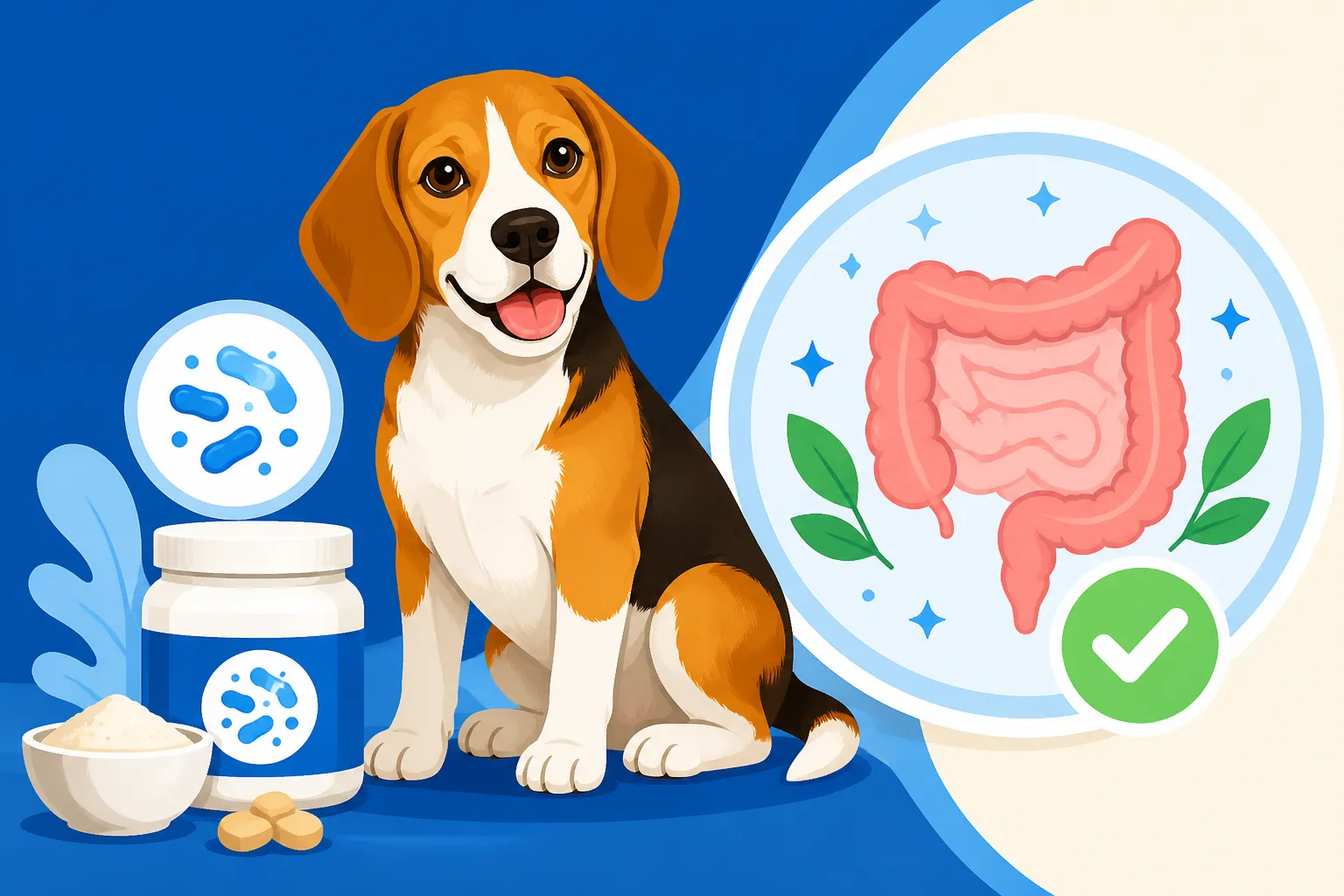
When we talk about probiotics, it might sound like a fancy medical term, but in reality, it's quite simple. Probiotics are essentially beneficial live bacteria and yeasts that live in your Beagle's gut, similar to the good bacteria found in human digestive systems and fermented foods like yogurt. Think of your Beagle's gut as a bustling city, teeming with trillions of microorganisms – this is their gut microbiome. When this city is balanced, with plenty of good guys keeping the peace, everything runs smoothly: food is digested efficiently, nutrients are absorbed, and waste is processed effectively.
However, sometimes this delicate ecosystem gets thrown out of whack, a condition known as dysbiosis. This can happen for many reasons: stress, a sudden change in diet, exposure to certain pathogens, or even a course of antibiotics. When the "bad" bacteria start to outnumber the "good" ones, your Beagle might experience digestive issues like gas, bloating, discomfort, and, of course, loose stools. Probiotics work by introducing more of those helpful microorganisms back into the gut, helping to restore that crucial balance and allow the good guys to flourish again.
Beyond simply rebalancing the gut flora, probiotics perform several vital functions that contribute to overall health. They play a significant role in helping your Beagle properly digest their food, breaking down nutrients that might otherwise pass through undigested. This improved digestion means your Beagle can extract more goodness from their meals. Furthermore, a healthy gut microbiome is intimately linked to a robust immune system. A large percentage of a dog's immune system resides in the gut, and by promoting a healthy environment there, probiotics can help bolster their body's natural defenses against illness and infection. It's a holistic benefit that goes far beyond just firming up stools.
How Probiotics Can Help With Loose Stools
When your Beagle is experiencing loose stools, one of the primary ways probiotics lend a helping paw is by directly influencing the consistency of their bowel movements. By introducing a healthy population of beneficial bacteria, these probiotics can outcompete and suppress the growth of harmful bacteria that might be contributing to the digestive upset. This rebalancing act helps to regulate gut motility, meaning food moves through the system at a more appropriate pace, allowing for better water absorption and leading to firmer, more well-formed stools. It’s like bringing in a team of expert traffic controllers to sort out a chaotic highway.
Another significant benefit of probiotics in cases of loose stools is their ability to help reduce inflammation within the digestive tract. Many gastrointestinal disturbances, whether caused by an infection, an allergy, or general irritation, involve an inflammatory response. Certain probiotic strains have been shown to have anti-inflammatory properties, which can soothe the irritated gut lining. This calming effect not only helps to alleviate discomfort for your Beagle but also creates a more conducive environment for healing and normal digestive function, working towards a healthier overall gut.
Probiotics can be an absolute godsend following a course of antibiotics, which are often prescribed for various infections. While antibiotics are essential for clearing up harmful bacteria, they don't discriminate, often wiping out the beneficial gut flora right alongside the bad guys. This collateral damage can leave your Beagle's digestive system vulnerable, frequently resulting in post-antibiotic diarrhea. By administering probiotics during and after antibiotic treatment, you can help replenish the depleted good bacteria, mitigating these side effects and accelerating the gut's return to a healthy, balanced state.
It's important to frame probiotics not as a miraculous cure-all for every single type of diarrhea, but rather as a highly effective and safe tool within your toolkit for managing common digestive upsets. While they might not fix a severe parasitic infection on their own, they can be incredibly beneficial for issues stemming from stress, dietary indiscretion, or general gut imbalance. For many Beagles prone to sensitive stomachs or occasional loose stools, a consistent probiotic regimen can make a world of difference, improving both stool quality and their overall digestive comfort.
Choosing the Right Probiotic for Your Beagle
Navigating the world of dog probiotics can feel a bit overwhelming with so many options out there. It’s easy to grab the first thing you see, but just like with human supplements, quality and specific ingredients truly matter for your Beagle's unique needs. It’s not enough for a product to simply say "probiotics"; you need to dig a little deeper to ensure you're getting something effective for their digestive system.
Key Ingredients and Strains to Look For
When you're sifting through probiotic options, the first thing to look for is a product that clearly lists specific bacterial strains. Rather than a generic "probiotic blend," you want to see names like Lactobacillus acidophilus, Bifidobacterium animalis, Enterococcus faecium, or Lactobacillus plantarum. These are well-researched, canine-specific strains known for their beneficial effects on gut health. Different strains can target different issues, so a product with a diverse range often offers broader support, helping with digestion, immune function, and stool quality. Think of it like a specialized team, each member with a particular skill.
Next up, pay close attention to the CFU count, which stands for Colony Forming Units. This number indicates the quantity of live, active microorganisms in each dose. A good quality probiotic for dogs will typically boast billions of CFUs, not just millions. While more isn't always automatically better, a higher CFU count generally suggests a more potent product, increasing the likelihood that enough beneficial bacteria survive the harsh acidic environment of the stomach to reach and colonize the intestines. Always check the CFU count per dose and ensure the product guarantees this count until the expiration date, not just at the time of manufacture.
Many of the most effective probiotic supplements also include prebiotics. These are non-digestible fibers that act as "food" for the probiotic bacteria, helping them to grow and thrive in your Beagle's gut. Common prebiotics to look for include FOS (fructooligosaccharides), inulin, or chicory root. When prebiotics are combined with probiotics, it's often referred to as a "synbiotic" effect, meaning they work synergistically to enhance gut health even more effectively. This combination supports the long-term health and stability of the gut microbiome, making the probiotic more likely to establish itself and do its job.
A crucial point that often gets overlooked is that human probiotics are generally not suitable for dogs without explicit veterinary guidance. The strains of bacteria that thrive in the human gut can differ significantly from those best suited for canines. Furthermore, human probiotic products might contain xylitol (a sugar substitute toxic to dogs) or other ingredients that are not dog-safe. Always opt for a probiotic specifically formulated for dogs to ensure it contains the right strains at appropriate dosages and is free from harmful additives. Your vet is the best resource if you're ever unsure about a specific product. You'll often find excellent, dog-specific options readily available on platforms like Chewy or Amazon.
Different Forms of Probiotics
The good news is that probiotics come in various forms, making it easier to find one that suits both your Beagle’s preferences and your daily routine. One of the most common and versatile forms is probiotic powder. These powders can be easily sprinkled over your Beagle’s regular kibble, mixed into wet food, or even blended with a little water or low-sodium broth to create a tasty slurry. Powders are often a great choice for picky eaters, as they can be disguised in their favorite meal, and for Beagles with sensitive stomachs, it offers a gentle way to introduce the supplement without any added binders or flavors found in other forms.
Probiotic chews are another popular option, offering the convenience of a treat-like supplement. These soft, palatable chews are often flavored with chicken, beef, or other dog-friendly tastes, making administration simple – most Beagles will eagerly gobble them up. While highly convenient, it's important to be mindful of the calorie count if your Beagle is prone to weight gain, as Fitting Beagle Treats Inside a Daily Calorie Budget is always a consideration for these food-motivated hounds. Always check the ingredient list carefully for any potential allergens or unnecessary fillers, even in chewable forms.
You might also come across dog foods that are fortified with probiotics. While convenient, integrating their daily dose directly into their meal, the effectiveness of these can vary. The processing methods used to create kibble, including high heat, can sometimes diminish the viability of the live probiotic cultures. While they can contribute to overall gut health, if your Beagle is experiencing specific digestive issues like persistent loose stools, you might find a dedicated probiotic supplement to be more potent and effective. It's often a good starting point, but don't hesitate to layer on a separate supplement if your Beagle needs more intensive support. Brands like Purina Pro Plan Veterinary Diets often incorporate targeted probiotic strains into their formulas.
Finally, some probiotics are available in liquid or paste forms. These can be particularly useful for immediate, targeted administration, especially during acute bouts of digestive upset or if your Beagle is refusing to eat. The paste can be squirted directly into their mouth, ensuring they receive the full dose quickly. While not as common for daily, long-term use, having a liquid or paste probiotic on hand can be a lifesaver during times of sudden gastrointestinal distress, offering rapid relief and support to their system when they need it most.
Integrating Probiotics into Your Beagle's Diet
When you first introduce a probiotic to your Beagle, especially if they have a sensitive stomach, the golden rule is to start slow. Just like with any new dietary component, a sudden influx of new bacteria, even good ones, can sometimes cause a temporary upset as their gut adjusts. Begin with half the recommended dose for the first few days, observing your Beagle closely for any changes in stool consistency or behavior. If all goes well, you can gradually increase to the full recommended dosage over a week or so. This gentle introduction helps their digestive system acclimatize without causing further distress.
Consistency truly is key when it comes to probiotics. These beneficial bacteria need to be continuously replenished and supported in the gut to maintain their numbers and exert their positive effects. Giving a probiotic sporadically, only when your Beagle has an upset stomach, is less effective than integrating it as a regular part of their daily routine. Aim to give it at the same time each day, perhaps mixed with their morning meal, to maximize its benefits and ensure a stable, healthy gut environment. Think of it as a daily vitamin for their digestive system.
Proper storage of your probiotic supplement is crucial for its efficacy. Probiotics contain live organisms, and these can be sensitive to heat, light, and moisture, which can degrade their potency over time. Always check the product label for specific storage instructions; many high-quality probiotics require refrigeration after opening to maintain their CFU count until the expiration date. Storing them correctly ensures that you're actually giving your Beagle a viable product that can do its job, rather than just an expensive inert powder.
While probiotics are a fantastic supportive measure, remember to be patient and manage your expectations. You might not see an immediate, miraculous overnight transformation in stool quality. It can take several days, or even a couple of weeks, for the beneficial bacteria to establish themselves and for the gut microbiome to rebalance effectively. During this time, continue to monitor your Beagle’s stools and overall well-being. If you're dealing with very persistent issues, sometimes combining a probiotic with a temporary, easy-to-digest diet, like learning how to run Beagle Elimination Diet Properly, can provide the comprehensive support your Beagle needs to get back on track.
Beyond Probiotics: Holistic Gut Support for Your Beagle
While probiotics are a fantastic tool in your Beagle's gut health arsenal, they are most effective when part of a broader, holistic approach. Think of them as helping hand, not the entire solution. Supporting your Beagle's digestive health truly involves looking at their diet, their environment, and when it’s time to bring in the professionals.
Dietary Adjustments for Sensitive Stomachs
Probiotics are wonderful, but the foundation of good gut health always starts with what goes into your Beagle's bowl. If your Beagle is frequently experiencing loose stools, it’s a strong signal that their regular diet might not be the best fit for their sensitive system. During an acute flare-up, transitioning them to a bland diet of plain, boiled chicken (no skin, no bones, no seasoning) and white rice for a few days can give their digestive system a much-needed break to recover. This easy-to-digest meal is gentle on the gut and typically helps firm up stools quickly.
For ongoing sensitivity, or if the bland diet doesn't quite resolve things, it might be time to explore novel protein diets or limited ingredient diets. Some Beagles develop sensitivities or even full-blown allergies to common protein sources like chicken or beef. A novel protein diet introduces a protein source your Beagle has likely never eaten before (like duck, venison, or rabbit), reducing the chances of an allergic reaction. Similarly, limited ingredient diets strip down the formula to a minimal number of components, making it easier to identify and avoid potential triggers. Sometimes, issues like Beagle Food Allergies Showing Up on the Skin can also manifest as digestive upset, so a change here can solve both problems. You might explore fresh food delivery brands like Ollie, which often use novel proteins and minimal ingredients, and some owners report better digestion on such diets.
Another critical dietary consideration is how you transition between foods. Beagles, with their sensitive stomachs, do not respond well to abrupt changes. When introducing a new food, always do so gradually over a period of 7 to 10 days. Start by mixing a small amount of the new food with their old food, slowly increasing the proportion of the new food each day while decreasing the old. This allows their digestive enzymes and gut bacteria ample time to adjust, preventing digestive upset. This principle is especially vital for young pups, where even a slight change can lead to problems, as seen in cases like A Beagle Puppy Stomach After a Kennel Diet Change.
Finally, be a hawk about treats, chews, and "extras." Even if your Beagle's main meal is perfectly balanced, those extra tidbits can quickly derail a sensitive stomach. Rich training treats, high-fat chew bones, or even just too many scraps from the dinner table can be enough to trigger loose stools. If your Beagle has a delicate tummy, stick to simple, low-fat treats, or use small pieces of their regular kibble for rewards. Always be mindful of What a Beagle Should Never Be Allowed to Eat to avoid accidental ingestion of toxic items, which can, of course, cause severe digestive issues beyond just loose stools.
Managing Stress and Environmental Factors
It's easy to overlook, but our Beagles are deeply sensitive creatures, and their emotional state can have a profound impact on their physical health, particularly their digestion. Just like humans can get nervous tummies, Beagles can experience stress-induced loose stools. Changes in their routine, loud noises (like fireworks or construction), a new person or pet in the house, or even separation anxiety when left alone can all manifest as digestive upset. Establishing a predictable daily routine for feeding, walks, and playtime can provide a sense of security and significantly reduce anxiety.
Ensuring your Beagle has a safe, comfortable, and quiet space they can retreat to is also vital. A cozy crate (if they're crate-trained), a designated bed in a low-traffic area, or even just a quiet corner can be their sanctuary when things get overwhelming. Regular, appropriate exercise, including plenty of sniffy walks where they can engage their incredible noses, provides mental and physical enrichment that can help burn off nervous energy and reduce overall stress levels. This ties into managing issues like Beagle Separation Anxiety in a Breed Bred for Packs, where a stressed mind can quickly lead to an upset tummy.
Beyond emotional stress, environmental factors play a huge role in preventing loose stools. Beagles are born scavengers, and their powerful noses often lead them to investigate (and ingest) all sorts of questionable items found in the backyard or on walks. Keeping your yard clear of discarded items, securing trash cans, and training a strong "leave it" command can prevent many instances of dietary indiscretion. A reliable Beagle Leave It Training With Real Food Down can literally save your Beagle from eating something that will cause digestive distress or worse. Even indoor plants can be toxic, so a thorough sweep of their accessible environment is always a good idea.
Ultimately, a calm, predictable, and engaging home environment translates to a calmer Beagle and, very often, a healthier gut. Minimizing sudden changes, providing plenty of appropriate outlets for their energy and curiosity, and being attuned to their emotional needs can go a long way in supporting a robust digestive system. When their world feels stable, their insides are much more likely to follow suit.
When to Consult Your Veterinarian
While probiotics and dietary adjustments are incredibly helpful for many minor digestive upsets, it's absolutely crucial to understand that they are not a substitute for professional veterinary care. There are clear situations when your Beagle's loose stools warrant immediate attention from your vet. If the loose stools are severe, meaning watery and frequent, or persist for more than 24-48 hours despite home care (like a bland diet), it's time to make that call. Prolonged diarrhea can lead to rapid dehydration and electrolyte imbalances, which can be dangerous, especially for smaller or older Beagles.
Any time you observe additional concerning symptoms alongside loose stools, do not delay seeking veterinary advice. This includes vomiting, lethargy, a significant decrease in appetite, or signs of pain or discomfort. Even more critically, if you notice any blood in your Beagle’s stool – whether bright red streaks or a dark, tarry appearance – or excessive amounts of mucus, these are definite red flags that could indicate a more serious underlying condition requiring prompt diagnosis and treatment. Puppies, in particular, can decline very quickly with digestive issues, so be extra vigilant with them.
Your veterinarian has the tools and expertise to properly diagnose the root cause of your Beagle's digestive issues. They might recommend diagnostic tests such as a fecal analysis to check for parasites, blood work to assess overall health and organ function, or even imaging (like X-rays or ultrasound) to rule out foreign bodies or other internal problems. Based on their findings, your vet can then prescribe appropriate medications, such as antibiotics, anti-diarrheals, or dewormers, or recommend specific therapeutic diets. They can also advise on the best long-term management strategies for chronic conditions.
Never hesitate to contact your vet if you're concerned. You know your Beagle best, and if something feels "off," trust that instinct. It's always better to be safe than sorry, and early intervention often leads to a quicker resolution and better outcome for your beloved companion. Knowing Beagle Emergency Signs That Cannot Wait Until Morning is vital for any owner, and severe or persistent digestive upset certainly falls into that category. A quick phone call could make all the difference, ensuring your Beagle gets the care they need to bounce back to their merry, tail-wagging self.
Here's a quick comparison of different probiotic forms to help you choose the best fit for your Beagle:
| Probiotic Form | Pros | Cons | Best For |
|---|---|---|---|
| Powder | Easy to mix with food, versatile, often high CFU count. | Can be messy, some Beagles might detect it and refuse to eat. | Picky eaters (when mixed well), Beagles on wet food, precise dosing. |
| Chew | Palatable, convenient, feels like a treat, easy administration. | Can contain fillers/allergens, may have added calories, less diverse strains. | Beagles who love treats, owners seeking ease of use, daily maintenance. |
| Fortified Food | Integrated into daily meals, no extra step required. | CFU count may be lower/less stable due to processing, less control. | General wellness, Beagles with mild sensitivities, ongoing support. |
| Paste/Liquid | Fast-acting, direct administration, good for acute issues. | Less common for daily use, might be more expensive per dose. | Acute digestive upsets, Beagles refusing other forms, targeted treatment. |
Disclaimer
This article is for general informational purposes only and does not constitute professional advice. Laws, prices and regulations vary by location and change over time. Consult a qualified professional for guidance on your specific situation.