A Beagle Puppy Stomach After a Kennel Diet Change
Bringing a new Beagle puppy home is an incredibly exciting time, full of wagging tails and tiny, adventurous noses. But let's be real, it can also come with its fair share of anxieties, especially when it comes to those first few days and weeks. One of the most common worries new owners face is stomach upset, often triggered by the unavoidable shift from a familiar kennel diet to a new food in their forever home. This guide will walk you through why these tummy troubles happen, what to look for, and exactly how to make that diet transition as smooth as possible for your precious little hound.
Why Diet Changes Upset a Beagle Puppy's Tummy
It’s completely disheartening to see your new bundle of joy looking a bit green around the gills or leaving puddles of liquid poop. You just want them to be happy and healthy! But a sensitive stomach after a diet change is incredibly common in puppies, and Beagles are no exception. There are a few key reasons why this happens, and understanding them can help you approach the situation with more patience and foresight.
The Immature Digestive System
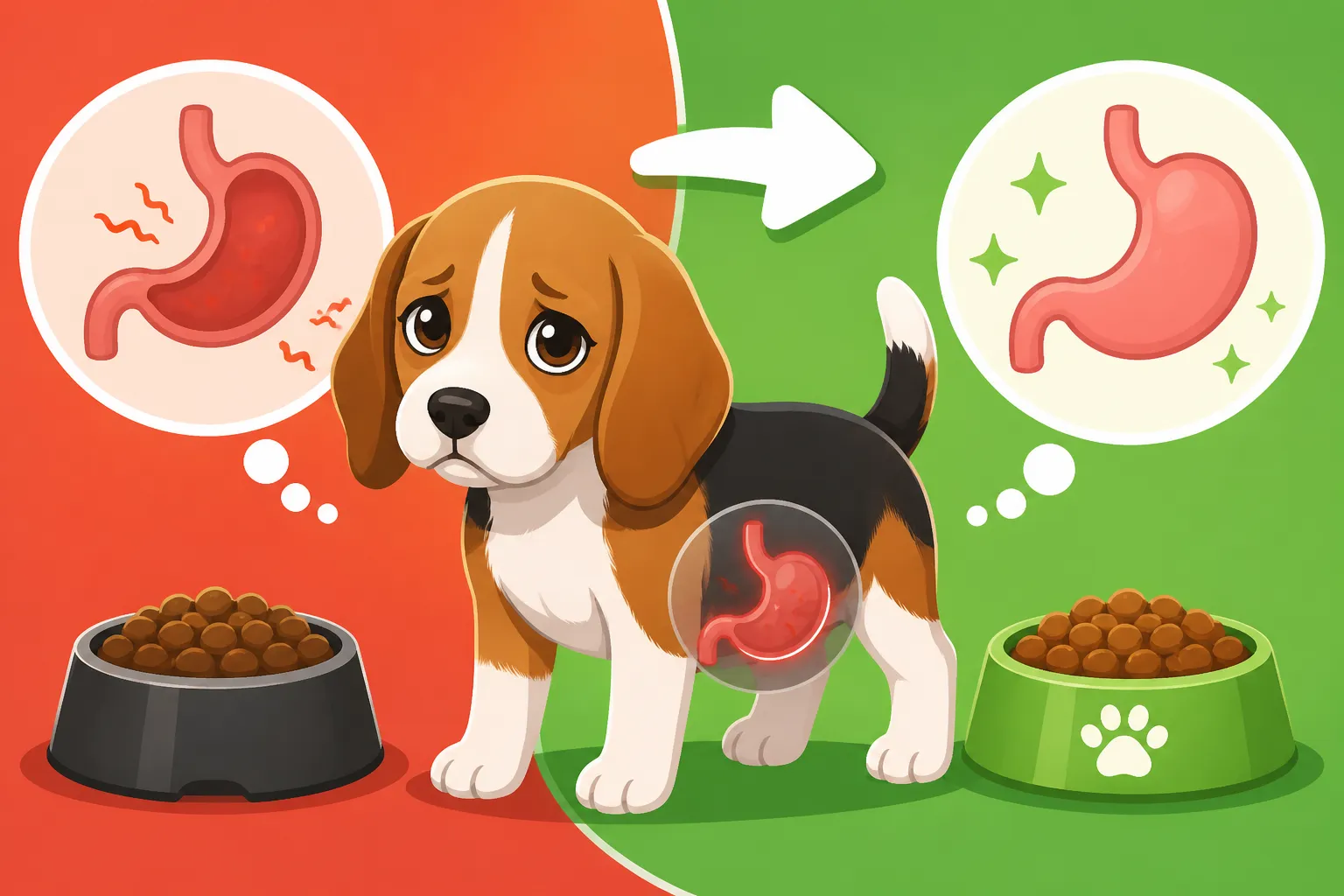
Think about a human baby – their digestive system isn't fully robust from day one, and neither is a puppy's. A young Beagle puppy's gastrointestinal tract is still developing, which means it’s far more sensitive to changes than an adult dog's. Their gut microbiome, the complex community of bacteria that aids digestion and immunity, is just starting to establish itself. When you suddenly introduce a different food, especially one with a completely new protein source or a different balance of fats and fibers, it can throw this delicate ecosystem into disarray. The beneficial bacteria might not be equipped to break down the new ingredients, leading to fermentation, gas, and irritation. It's like suddenly asking your stomach to digest a completely different type of food it's never encountered before, and often, without much warning!
Stress and Environment
Moving home is a monumental event for a puppy, even if it's going to the most loving family in the world. They're leaving their mother, their littermates, and the only environment they’ve ever known. This separation anxiety, combined with the new sights, sounds, smells, and routines of your home, creates a significant amount of stress. And stress, as we know, can wreak havoc on the digestive system. Just like a nervous human might get butterflies or an upset stomach, a puppy's gut can react intensely to this emotional upheaval. Their body's stress response can alter gut motility, meaning how quickly food moves through their system, and can also impact the production of digestive enzymes. Even the most carefully planned diet transition can be met with some digestive hiccups if the puppy is feeling overwhelmed. This is why giving them time to settle into their new surroundings before making drastic changes is so important, and it ties into the advice often given about Bringing a Beagle Puppy Home From a Kennel Litter.
Sudden Food Transitions
This is probably the biggest culprit in diet-related tummy troubles. It’s tempting, once you bring your puppy home, to immediately switch them to the "better" or "healthier" food you've chosen. Maybe the breeder was feeding something you don't approve of, or you've decided on a specific brand known for sensitive stomachs. However, a sudden, cold-turkey change is almost guaranteed to cause an upset. The enzymes and bacteria in their gut are accustomed to breaking down one specific formulation of ingredients. When you completely swap it out overnight, their digestive system doesn't have time to adapt. This can lead to maldigestion, where food isn't properly absorbed, resulting in undigested food passing through too quickly, causing diarrhea, or fermenting and causing gas and discomfort. Even if the new food is objectively superior, the method of introduction is paramount.
Signs Your Beagle Puppy Is Having Trouble
It’s one thing to expect a little bit of adjustment, but how do you know if your Beagle puppy's stomach upset is a normal part of the transition or something that needs more attention? Watching your puppy closely in the first few days and weeks is key. You'll want to become a detective of their habits and their output.
Loose Stools and Diarrhea
This is probably the most common sign owners notice. What starts as slightly soft stool can quickly escalate to full-blown diarrhea.
- What to look for:
- Consistency: Is it soft, like pudding? Or completely liquid, like water? Is there any mucus (slimy texture) or streaks of blood? A tiny bit of mucus or bright red blood can sometimes happen with severe straining, but it's always something to keep a close eye on.
- Frequency: Is your puppy having bowel movements much more often than usual? A healthy puppy typically goes a few times a day after meals, especially as you adhere to a schedule like discussed in Beagle Puppy Meal Frequency Month by Month. If they're going every hour or two, that's a red flag.
- Urgency: Are they having accidents in the house when they were previously reliable? Are they straining excessively to go?
Loose stools mean that nutrients aren't being properly absorbed, and watery diarrhea can lead to dehydration very quickly in a small puppy. If the diarrhea is persistent, severe, or accompanied by other symptoms, it's time to take action.
Vomiting and Regurgitation
While less common than diarrhea with a diet change, vomiting can also occur. It’s important to understand the difference between regurgitation and true vomiting.
- Regurgitation: This usually happens shortly after eating, often when a puppy eats too fast. The food comes back up largely undigested, often in a tube shape from the esophagus, and the puppy doesn't seem distressed. It's more of a passive expulsion. A slow feeder bowl can often help with a puppy that gulps food quickly.
- Vomiting: This is an active process where the puppy's body visibly retches and contracts to expel stomach contents. The vomit might be partially digested food, bile (yellowish liquid), or foamy white liquid. If your puppy is vomiting more than once or twice, especially within a short period, or if it seems painful, this is concerning. Persistent vomiting, where they can't keep any food or water down, is an emergency, and you should immediately consult your vet for guidance. If you're wondering what could be behind a more severe episode, consider Beagle Vomiting After Eating Something Outside as a possibility, though in this case, it's likely diet-related.
Beyond the Obvious: Appetite and Energy Changes
Sometimes the signs aren't as dramatic as diarrhea or vomiting. It's crucial to observe your puppy's overall demeanor.
- Reduced Appetite: Is your usually food-motivated Beagle puppy turning their nose up at meals, or only picking at their food? A slight decrease might be normal if their stomach feels a bit off, but a complete refusal to eat for more than 12 hours (or even less in very young puppies) is a serious concern. Remember, Beagles are generally very food-driven, so a lack of interest in food is a significant indicator.
- Lethargy and Weakness: Is your puppy less playful than usual? Are they sleeping more, even when they would normally be awake and active? Are they sluggish or uninterested in toys or interactions? A truly healthy puppy, even a tired one, usually has bursts of energy. If your puppy seems unusually quiet, weak, or unresponsive, it could indicate they're feeling unwell, potentially from dehydration or pain.
- Abdominal Pain: While harder to spot, a puppy with an upset stomach might show signs of discomfort. This could include hunching their back, reluctance to be touched on their belly, restlessness, or whining.
Any combination of these symptoms, especially if they worsen or persist, warrants a call to your veterinarian. It’s always better to be safe than sorry with a young puppy.
The Right Way to Transition Your Beagle Puppy's Food
Okay, so you've brought your adorable Beagle puppy home, and you know you want to switch their food eventually. Maybe the breeder was feeding a brand that isn't readily available or isn't up to your standards. The key here is gradual. Patience is your best friend when it comes to a puppy's digestive health. Rushing this step almost guarantees trouble.
The Seven-Day Transition Plan
This is the gold standard for introducing new food, and it gives your puppy's digestive system ample time to adjust to the new ingredients.
| Day | Old Food Ratio | New Food Ratio | Observation Notes |
|---|---|---|---|
| 1-2 | 75% | 25% | Monitor stool consistency and energy levels. Keep meals consistent. |
| 3-4 | 50% | 50% | Check for any signs of stomach upset. Ensure they are still eating enthusiastically. |
| 5-6 | 25% | 75% | At this point, most puppies should be tolerating the new food well. |
| 7+ | 0% | 100% | Fully transitioned. Continue to monitor for any delayed reactions. |
- Initial Step: When you pick up your puppy, make sure to get at least a few days' worth (ideally a week's worth) of their current food from the breeder. This is non-negotiable. You want to bring them home and feed them exactly what they're used to for the first couple of days while they adjust to their new surroundings.
- Day 1-2 (75% Old, 25% New): Start by mixing a small amount of the new food with their original kibble. For example, if you feed 1 cup total, use ¾ cup of the old food and ¼ cup of the new. Do this for all meals for two full days. Watch their stool closely. Is it firm? Is it consistent?
- Day 3-4 (50% Old, 50% New): If the first two days went well, you can increase the new food to half the portion. Continue for another two days, monitoring for any changes in their stool or appetite.
- Day 5-6 (25% Old, 75% New): Now, the new food should be the dominant part of their meal. Again, observe carefully. Most puppies should be tolerating this well.
- Day 7+ (100% New): If all has gone smoothly, you can now feed 100% of the new food.
Important Note: If at any point during this transition your puppy develops soft stools, diarrhea, or vomiting, stop increasing the new food. Go back to the previous ratio where they were tolerating it well and stay there for an extra few days until their stomach settles. You might even need to extend the transition to 10-14 days for particularly sensitive puppies. Slow and steady wins the race here!
Choosing the Right New Food
The type of food you choose for your Beagle puppy plays a huge role in their overall health and how well they tolerate changes. This isn't just about what's trendy; it's about what provides balanced nutrition for a growing, active hound.
- Puppy-Specific Formulas: Always choose a food specifically formulated for puppies. These diets are designed with the right balance of protein, fat, vitamins, and minerals to support rapid growth and development. Adult dog food simply won't cut it for a growing Beagle puppy. Look for a statement on the packaging that says it meets the nutritional levels established by the AAFCO Dog Food Nutrient Profiles for growth.
- High-Quality Ingredients: Read the ingredient list carefully. The first few ingredients should be identifiable protein sources (e.g., chicken, lamb, beef meal). Avoid foods with vague ingredients like "meat meal" or excessive fillers. You want whole, digestible components. Many owners find success with trusted brands available at retailers like Chewy, which often stock a wide range of premium kibbles and fresh food options.
- Consider Food Sensitivities: While Beagles aren't known for specific widespread food allergies, any dog can develop them. If your puppy shows signs of persistent itching (which can sometimes be related to food, as explored in Beagle Food Allergies Showing Up on the Skin) or digestive upset even after a slow transition, you might consider a "novel protein" diet or an elimination diet under veterinary guidance.
- Fresh Food Options: Some owners opt for fresh food diets, like those offered by services like Ollie, which provide pre-portioned, human-grade meals. If considering fresh food, ensure it's balanced for puppies and follow the same slow transition principles. Be mindful that even with fresh food, individual sensitivities can exist.
Monitoring and Adjusting
Your job doesn't end once the food is in the bowl. Consistent monitoring is essential during and after the transition.
- Keep a Food Diary: Note down what your puppy eats, how much, and the consistency of their stools. This record can be invaluable if you need to consult your vet. It helps establish a baseline and quickly identify any deviations.
- Observe Energy Levels: As mentioned before, a healthy puppy is a playful puppy. If they become unusually lethargic, it could be a sign of discomfort or more serious issues.
- Hydration is Key: Ensure your puppy always has access to fresh, clean water. If they are having diarrhea, dehydration is a serious risk. You can also get creative with water intake, sometimes adding a little bone broth to their water bowl can encourage drinking, as long as it's plain and unsalted.
- When to Pause or Revert: If you notice any significant digestive upset – persistent diarrhea, vomiting, loss of appetite, or lethargy – immediately pause the transition and revert to the last food ratio that they tolerated well, or even back to 100% of the breeder's food if needed. Consult your vet if symptoms don't improve quickly or if they worsen. Probiotics, available from places like Amazon or Chewy, can sometimes help support gut health during these transitions, but always discuss with your vet first.
When to Call the Vet
While some mild stomach upset is common with diet changes and new environments, there are definite red flags that indicate you need professional help. Waiting too long can be dangerous for a small puppy.
Persistent Vomiting or Diarrhea
One loose stool after a diet change might just mean you went a bit too fast. But persistence is the key word here.
- How much is too much? If your puppy has watery diarrhea for more than 24 hours, or if they have more than two or three episodes of vomiting within a day, it's time to call the vet. For very young or tiny puppies, even less time is cause for concern.
- Severity matters: Projectile vomiting, or diarrhea that is completely liquid and frequent, can lead to severe dehydration quickly. If you see blood in the vomit or stool (beyond tiny streaks from straining), it's an immediate red alert. This could be a sign of something more serious than a simple diet adjustment.
Your vet can assess the situation, potentially administer anti-nausea medication, or provide fluids to prevent dehydration. They might also suggest a bland diet, like boiled chicken and rice, to give the digestive system a rest. The costs associated with these visits can be a factor, so it's wise to consider your budget, as explored in The First Month Cost of a Beagle Puppy.
Dehydration and Lethargy
These two symptoms often go hand-in-hand with persistent digestive upset and are extremely serious in puppies.
- Checking for Dehydration: Gently lift your puppy's lip and look at their gums. They should be pink and moist. If you press a finger on their gum, the color should return almost immediately (within 1-2 seconds). If they are pale, tacky, or if the color return is slow, your puppy is likely dehydrated. Another check is the skin elasticity: gently tent the skin on their back or neck. If it snaps back quickly, they're likely hydrated. If it takes a few seconds to return to normal, they're dehydrated.
- Lethargy: As discussed, a persistently sluggish, unresponsive, or unusually quiet puppy is a huge concern. Puppies should be curious and playful, even if they're tired from a busy day. If your Beagle puppy is lying around, not responding to you, or struggling to stand, they need immediate veterinary attention. Dehydration causes weakness, and severe electrolyte imbalances can lead to critical health issues.
Other Worrying Symptoms
Don't dismiss these signs, even if you think it's "just" a diet issue.
- Pain: If your puppy is crying, whining, whimpering, reluctant to move, or shows signs of abdominal tenderness (hunching, guarding their belly), it could indicate significant pain or an underlying issue beyond simple indigestion.
- Fever: While not something you can usually check at home without a thermometer, if your puppy feels unusually warm, or is shivering, it could be a sign of infection or inflammation.
- Foreign Object Ingestion: Beagles are notoriously food-driven and will put almost anything in their mouths. If you suspect your puppy ate something they shouldn't have, and it's accompanied by vomiting or lethargy, this is a distinct emergency. Beagle Emergency Signs That Cannot Wait Until Morning covers more scenarios where quick action is vital.
It’s always best to err on the side of caution. When in doubt, call your veterinarian. They can provide specific advice tailored to your puppy's symptoms and guide you on whether an immediate visit is necessary. They are your best resource for keeping your little Beagle healthy and happy.
Disclaimer
This article is for general informational purposes only and does not constitute professional advice. Laws, prices and regulations vary by location and change over time. Consult a qualified professional for guidance on your specific situation.