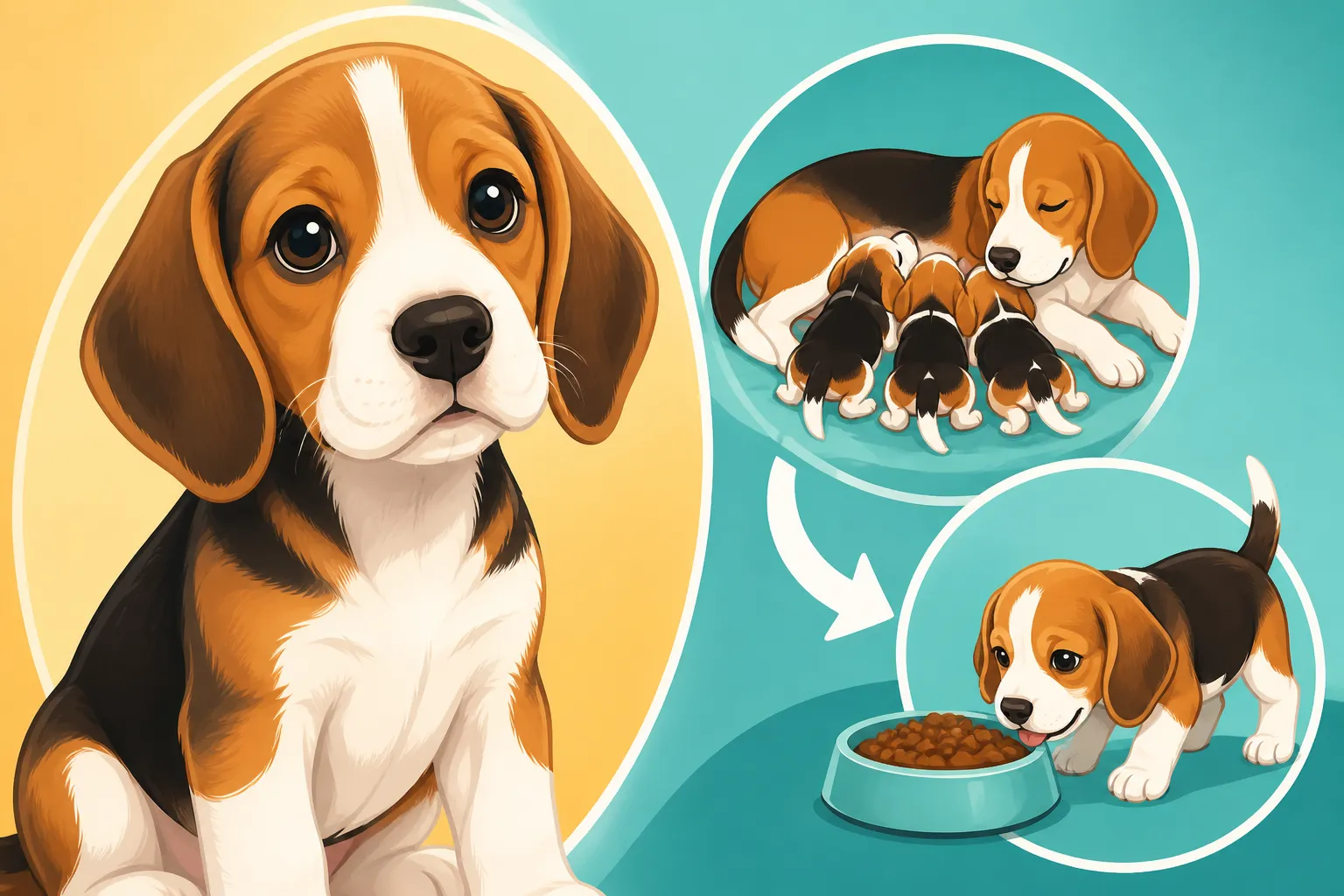
Weaning a Beagle Puppy Off the Litter
Bringing a litter of Beagle puppies into the world is an absolute joy, but it also comes with a unique set of challenges, especially when it's time to transition them from their mother's milk to solid food. Many new owners feel overwhelmed, wondering if they're starting too early or too late, or if they're preparing the right kind of food. This guide will walk you through the entire process of weaning a Beagle puppy off the litter, ensuring a smooth, stress-free transition for both the mother and her adorable pups.
The Gentle Art of Weaning: Why and When to Start
Weaning is a natural process, but as responsible Beagle owners, we play a crucial role in supporting it. It's not about abruptly removing the mother, but rather gradually introducing new foods while reducing reliance on her milk. Understanding the natural cues and timing is key to making this a positive experience for everyone involved. Rushing the process can lead to digestive upset, stress for the puppies, and even mastitis for the mother, while delaying it can make the transition harder later on.
The Mother's Role in Guiding Weaning
Initially, the mother Beagle is fully responsible for her puppies' nutrition and care. She provides warmth, comfort, and a steady supply of milk that contains all the essential nutrients and antibodies they need. However, as the puppies grow, those sharp little teeth start to emerge, and nursing can become quite uncomfortable for her. This discomfort is actually a natural signal that she begins to use to gently push them towards independence. You might notice her standing up more often during nursing, or even walking away for short periods when the puppies try to latch. This isn't her abandoning them; it's her teaching them that her milk supply isn't always available on demand anymore. It's her way of saying, "Hey, it's almost time for you to find some other snacks!" This instinctual behavior is your cue that the puppies are ready for you to step in with the next stage of their nutritional journey.
As the puppies become more mobile and their energy demands increase, the mother naturally reduces her nursing frequency, making her milk less of a constant buffet and more of a supplement. This gradual withdrawal of access encourages the puppies to explore their environment and seek out other food sources, exactly what you'll be providing. It’s a beautifully orchestrated dance of nature, and our job is to facilitate it, not disrupt it. Keeping an eye on her cues will tell you more than any calendar ever could.
The Puppy's Natural Readiness for Solids
Most Beagle puppies are naturally ready to start exploring solid foods between three and four weeks of age. By this point, their eyes are fully open, their hearing is developed, and they're starting to wobble around on their own four feet. Crucially, their baby teeth are usually starting to erupt, which is why Mom is getting a bit less enthusiastic about nursing. These little teeth, while still tiny, are a clear sign that their digestive systems are developing to handle something more substantial than just liquid.
You'll also notice their increased curiosity. They'll start sniffing around, mouthing at their littermates, and showing interest in whatever scent you might carry on your hands from preparing food for yourself. This inquisitive nature is a perfect indicator that they're mentally prepared for new experiences, including new tastes and textures. It’s a wonderful time to introduce them to the exciting world of puppy gruel, as their natural instincts are pushing them to try something new. Don't worry if they don't dive right in; it's a learning process for them. Observing them closely for these developmental milestones is far more effective than sticking to a rigid schedule. They'll tell you when they're ready.
Essential Preparations for Weaning Your Beagle Puppies
Before you even think about putting food down, a little preparation goes a long way. This isn't just about grabbing a bag of kibble; it's about creating an environment that supports successful, clean, and safe weaning. Without the right setup, you could end up with a huge mess, wasted food, and frustrated puppies (and yourself!). Taking these steps seriously will make the entire process much smoother.
Gathering Your Weaning Supplies
Getting everything ready beforehand means you won't be scrambling when those hungry little Beagle puppies are ready for their first taste of "real" food. First and foremost, you'll need a high-quality puppy food specifically formulated for growth and development. This isn't the time for adult dog food; puppies have unique nutritional needs, including higher protein and fat content. Many reputable brands offer excellent puppy formulas, and you can often find a good selection on platforms like Chewy, which makes it easy to compare ingredients and reviews. You'll want to have both dry kibble and a wet, canned puppy food on hand. The dry kibble will be the base for your gruel, and the wet food can be mixed in for extra palatability and moisture.
Beyond the food itself, you'll need shallow, wide dishes that the puppies can easily access without tipping over or climbing into entirely. Think low-sided saucers or sturdy, non-skid bowls. Stainless steel is often a great choice because it's easy to clean and sanitize. You might need several of these, especially if you have a larger litter, to ensure everyone gets a fair chance to eat without too much competition. An old towel or washable mat placed under the feeding dishes can catch spills and make cleanup much simpler. Lastly, a measuring cup is essential for consistent portions, and a whisk or fork will come in handy for mixing your gruel to the right consistency. Don't forget plenty of warm water for soaking the kibble and for refreshing their water bowl.
Creating a Safe and Clean Eating Space
The environment where your Beagle puppies eat their first solid meals is just as important as the food itself. You'll want a designated feeding area that is easy to clean and separate from their sleeping and potty areas. A puppy playpen or a whelping box with a removable, washable liner works perfectly. The key here is easy access for the puppies, but also easy containment of the inevitable mess. Puppies, especially Beagles with their enthusiasm, aren't known for their table manners at this stage!
Lay down old towels, newspaper, or disposable puppy pads to catch any spills or accidents. You'll be surprised how much food ends up outside the bowl. This also helps with hygiene, preventing bacteria buildup and ensuring a clean space for each meal. Make sure the area is warm and draft-free, as puppies are still vulnerable to temperature fluctuations. A quiet corner of the house, away from excessive household noise and foot traffic, will help them focus on the new experience of eating. After each feeding, it's crucial to clean up all food residue promptly and sanitize the bowls. This prevents the spread of bacteria and reinforces good hygiene habits, which are essential for growing puppies. A well-prepared feeding station minimizes stress for you and maximizes the puppies' comfort and success. You can find durable playpens and easy-to-clean mats on sites like Amazon, making the setup process straightforward.
Your Beagle Puppies' First Taste of Solid Food
This is often the most exciting (and messiest!) part of weaning. Don't expect perfection, or even much eating, on the first try. It's all about introduction, exploration, and getting them accustomed to new textures and flavors. Patience is your best friend during these initial feedings. Remember, their mother's milk is still their primary source of nutrition at this stage, so this is just supplemental learning.
The Right Consistency for Initial Meals
When you first introduce solid food, think "gruel." This isn't dry kibble right out of the bag; it's a soft, mushy consistency that mimics the ease of lapping up milk, but with substance. Start by taking your high-quality puppy kibble – the same one you plan to feed them once fully weaned – and soak it thoroughly in warm water. You can also add a little bit of wet puppy food to this mixture for added flavor and moisture. The goal is a consistency similar to oatmeal or a very thick soup. It should be thin enough for them to easily lap, but thick enough that it doesn't just run off their tongues.
You might even blend a small amount of the soaked kibble with water in a food processor to create a smooth paste for the very first few introductions. As they get more comfortable over a few days, you can gradually reduce the amount of water, making the gruel thicker and leaving small, soft chunks of kibble for them to chew. This slow progression from smooth to chunky helps their digestive systems adapt and encourages them to start using those emerging puppy teeth. A little trick: if your mother Beagle is still present and comfortable, you can let her lick the gruel from the bowl first. Her scent and approval can often encourage hesitant puppies to investigate!
Scheduling and Supervised Feedings
Timing is everything, and consistency really helps these little Beagles learn. Start by offering gruel two or three times a day, typically between their nursing sessions with their mother. This ensures they're hungry enough to be interested but not so famished that they panic or overeat. Each feeding session should be short, around 10 to 15 minutes. This prevents them from overeating, keeps the food from spoiling, and gives you time to observe them without exhausting yourself.
Place the shallow dishes directly in their designated feeding area. At first, you might need to gently guide a few puppies to the bowls. Some might step in it, others might just sniff, and a few might even try to climb in! This is all normal. Let them explore. You can even dab a tiny bit of gruel on your finger and let them lick it off to get them interested. Supervise closely during these times, not just to manage the mess, but also to ensure that all puppies are getting a chance to eat and that none are being overly pushy or timid. After the allotted time, remove any uneaten food to maintain hygiene. Their mother might still be cleaning them up a bit, but that's okay. Over the course of a week or so, you'll see them become much more confident and efficient eaters. Remember, their main source of nutrition is still mom, so don't worry if they only have a few licks at first.
Guiding Your Puppies to Full Independence
The journey from tiny, milk-dependent pups to robust, kibble-eating Beagles takes time and consistency. This final phase of weaning involves steadily increasing their solid food intake while gradually reducing their reliance on their mother's milk. It’s a delicate balance that requires observation and adjustment to ensure optimal health and development.
Monitoring Puppy Health and Weight
As you increase the amount of solid food and the mother naturally reduces her nursing, it's absolutely vital to keep a close eye on each puppy's health and weight. Puppies should be gaining weight steadily, not losing it. You can track this by weighing them daily or every other day using a kitchen scale for accuracy. Any puppy that seems lethargic, isn't eating, or isn't gaining weight needs immediate attention. Sometimes, a smaller puppy might struggle to compete at the food bowl, and you may need to give them a separate, supervised feeding session to ensure they get enough.
Observe their stools carefully. Any sudden changes, like persistent diarrhea, could indicate that the transition is too fast or that the food isn't agreeing with them. If you notice soft stools, you might need to slightly increase the amount of water in their gruel or slow down the transition to drier food. A healthy, well-weaned Beagle puppy will be active, alert, and have well-formed stools. Remember that their mother's antibodies from her milk gradually diminish, so a robust immune system also relies on good nutrition. If you have concerns about a specific puppy's progress, don't hesitate to consult your veterinarian. They can offer advice on What a Beagle Puppy Stomach After a Kennel Diet Change if you've already started the transition or faced any issues.
The Final Steps to Full Independence
By about six to eight weeks of age, your Beagle puppies should be almost entirely independent of their mother's milk and eating a diet of primarily solid, dry kibble. The transition from gruel to dry kibble should be gradual. Over the course of a week or two, you’ll progressively reduce the amount of water you add to the kibble, making it firmer and firmer until it’s completely dry. This helps them develop their jaw strength and encourages proper chewing, which is also good for their developing teeth. Beagle Puppy Teething and Hard Mouthing starts around this time, and dry kibble can offer some relief.
Continue to offer fresh water alongside their food at all times. Their mother will likely be completely done with nursing by this point, or only offering very brief, infrequent comfort nursing sessions. Ensure they are eating their full portions of puppy food, typically three to four meals a day, as discussed in Beagle Puppy Meal Frequency Month by Month. This full independence usually coincides with the age when most puppies are ready to go to their new homes, equipped with all the foundational nutrition they need to thrive. Providing them with puzzle feeders, available on Chewy or Amazon, can also slow down their eating and provide mental enrichment once they are on dry kibble, preparing them for a life of The Beagle Food Drive That Empties Your Counters. The goal is to ensure they are robust, healthy, and happy, ready for their next big adventure!
| Puppy Age | Mother's Role | Puppy Diet | Key Observations |
|---|---|---|---|
| 0-3 Weeks | Exclusive Milk Provider | Mother's Milk Only | Rapid growth, eyes open, initial mobility |
| 3-4 Weeks | Begins to Discourage Nursing | Gruel introduced 2-3 times/day | Curiosity, baby teeth erupting, increased activity |
| 4-6 Weeks | Less Frequent Nursing | Gruel to Soft Kibble, 3-4 times/day | Confident eating, consistent weight gain |
| 6-8 Weeks | Minimal to No Nursing | Dry Puppy Kibble, 3-4 times/day | Full independence, consistent solid stools |
This table provides a general guideline; remember that every litter and individual puppy might progress at their own pace.
Disclaimer
This article is for general informational purposes only and does not constitute professional advice. Laws, prices and regulations vary by location and change over time. Consult a qualified professional for guidance on your specific situation.