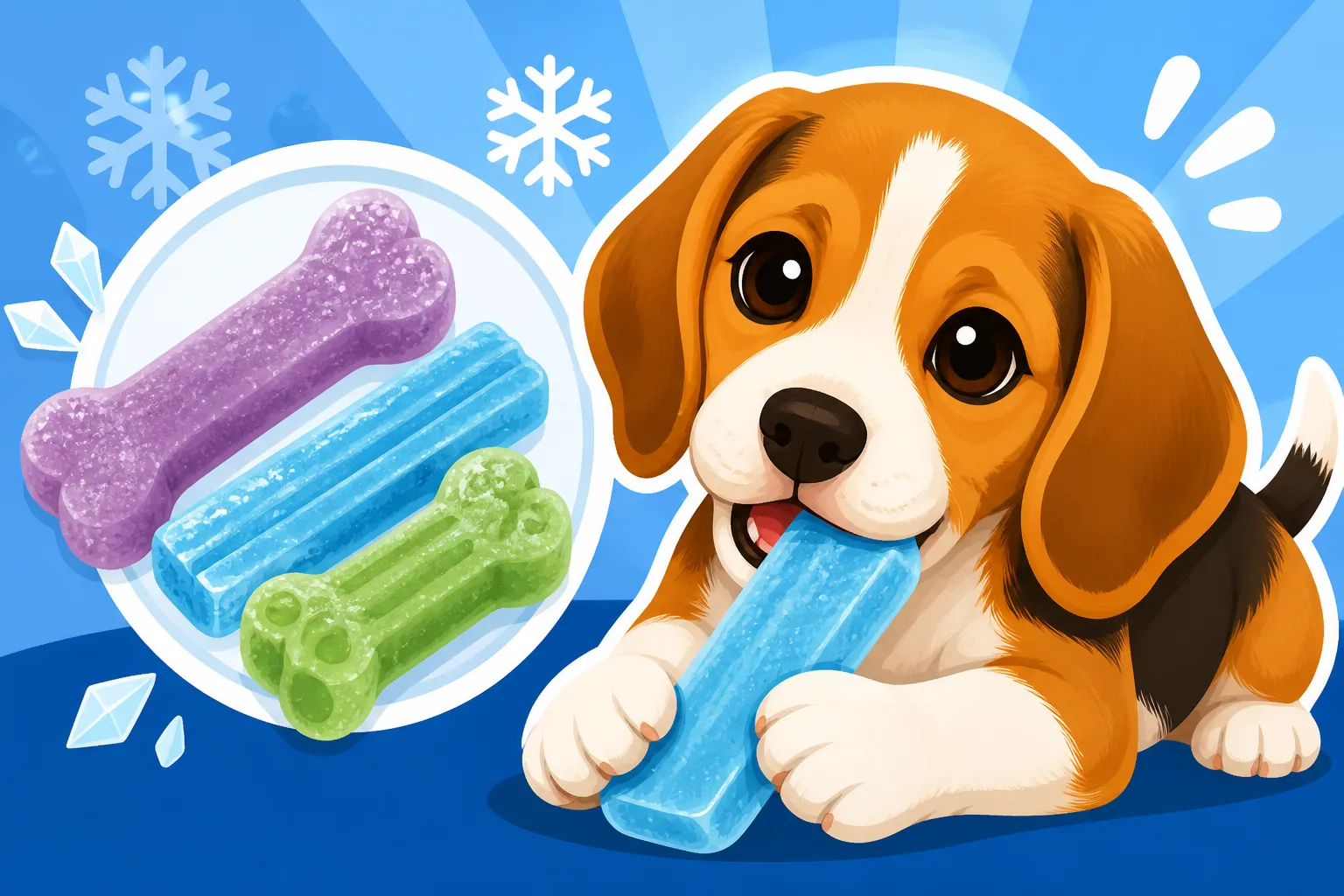
Frozen Chews for a Teething Beagle Puppy
Oh, the joys and… well, the chewing… of bringing home a new Beagle puppy! If you're currently navigating the sharp, tiny teeth of a fluffy land shark, you know the struggle is real. Those adorable little nips quickly become painful nips as new teeth push through sensitive gums, leaving your puppy desperately seeking relief and often, unfortunately, finding it on your furniture, your shoes, or even your fingers. This guide is all about finding soothing solutions, specifically diving deep into the wonderful world of frozen chews to give your little one some much-needed comfort during this intense teething phase.
Why Teething is Such a Big Deal for Beagle Puppies
Teething is a fundamental part of puppyhood, but for a Beagle, with their strong chewing instincts and incredible oral exploration, it can feel like an Olympic sport of destruction. Understanding why it's happening can help you be more patient and proactive in providing appropriate outlets.
The Intense Discomfort of New Teeth
Imagine tiny needles pushing through your gums, coupled with a deep, persistent itch that you just can't scratch. That's essentially what your Beagle puppy is going through when they're teething. Around 3-4 weeks old, their 28 deciduous, or "baby," teeth start to erupt. Then, between 12 and 16 weeks, those baby teeth begin to fall out, making way for 42 permanent adult teeth. This transition period, usually lasting until about six months of age, is incredibly uncomfortable. Their gums become inflamed, swollen, and very sensitive. It's a constant ache, and the primary way they know to relieve this pressure and irritation is by chewing. This isn't naughtiness; it's a physiological need.
Many new puppy owners are often caught off guard by the sheer intensity of this discomfort. You might notice your once-gentle puppy suddenly trying to mouth everything, from your hands during playtime to the leg of your favorite chair. This isn't a sign of aggression; it's a frantic attempt to find anything that can provide counter-pressure and alleviate the aching in their mouth. The more pain or itchiness they feel, the more desperate their chewing can become, which is why providing effective and safe relief is paramount.
The Beagle Puppy Chewing Instinct
Beagles, by nature, are incredibly oral creatures. Their entire world revolves around their nose and, subsequently, their mouth. They use their mouths to explore, investigate, and understand their environment. This inherent curiosity, combined with the pain of teething, creates a powerful drive to chew. It's not just about pain relief; it's also about satisfying a deep, natural instinct for a breed that was literally bred to use its nose and mouth to find and hold game.
This isn't a behavior you can, or should, try to eliminate entirely. Instead, your goal as a Beagle owner is to redirect this powerful instinct towards appropriate items. If you don't offer appealing, satisfying alternatives, your puppy will absolutely find their own – and those often happen to be your most cherished possessions. The textures, resistance, and even the "give" of different materials provide varying degrees of satisfaction. For a Beagle puppy, who is constantly learning and absorbing information, chewing is a sensory experience as much as it is a pain reliever. It helps them learn about the world around them. For more on navigating this phase, check out Beagle Puppy Teething and Hard Mouthing.
The Importance of Safe Chewing Outlets
Providing safe and appropriate chewing outlets is critical for several reasons beyond just saving your furniture. First, it establishes good habits from a very young age. If your puppy learns that their toys are for chewing and your items are not, you're setting them up for success in the long run. Allowing them to chew on inappropriate items, even just once, can reinforce that behavior, making it harder to break later. Second, it protects your puppy from harm. Ingesting parts of furniture, carpet, or other household items can lead to serious health issues, including blockages or choking.
The type of chew you offer also matters. It needs to be durable enough not to break into small, swallowable pieces, but not so hard that it could damage developing teeth. It should also be non-toxic, which is why things like specific frozen chews become such valuable tools in your puppy care arsenal. This proactive approach not only keeps your puppy healthy and happy but also preserves your sanity and your belongings. Investing in a good variety of safe chews now will pay dividends as your Beagle matures.
The Magic of Frozen Chews for Teething Beagles
When those tiny shark teeth are really causing trouble, nothing quite hits the spot for a suffering puppy like something cold. Frozen chews offer a unique combination of relief that can be a game-changer during the intense teething period.
How Cold Soothes Inflamed Gums
Think about when you have a toothache or a swollen joint – what's one of the first things you reach for? Ice, right? The same principle applies to your Beagle puppy's inflamed gums. The cold temperature acts as a natural analgesic, effectively numbing the painful area and reducing inflammation. This immediate relief can transform a grumpy, restless puppy into a much calmer, happier one.
When a frozen chew comes into contact with those swollen gums, it constricts the blood vessels slightly, which helps to lessen the swelling and discomfort. It's not just about the numbing sensation; it's about actively reducing the source of the pain. This is far more effective than just a regular chew for significant gum pain. The cold also provides a distraction from the discomfort, allowing your puppy to focus on the pleasant sensation rather than the nagging ache. It's a simple, yet incredibly powerful, tool in your teething toolkit.
Different Types of Frozen Chews to Consider
The beauty of frozen chews is their versatility! You're not limited to just one option, which is great for keeping your Beagle puppy engaged and interested. A classic choice is a KONG toy stuffed with something delicious and then frozen. You can use wet puppy food, plain yogurt (make sure it's xylitol-free!), mashed sweet potato, or even a bit of peanut butter (again, check for xylitol). Once frozen solid, it takes longer for your puppy to get to the good stuff, providing extended relief and mental stimulation.
Another popular and simple option is frozen carrots. These are usually safe and offer a satisfying crunch and coolness. Just make sure they're an appropriate size for your puppy to prevent choking; large carrots are best to avoid accidental swallowing. Some people also offer ice cubes, which many puppies find intriguing, but these can be a little hard on very young teeth or pose a choking hazard if swallowed whole by an eager Beagle. There are also specialized frozen teething toys available, often made of durable rubber or silicone, designed to be chilled in the freezer. These sometimes have ridges or nubs to further massage sore gums. When browsing for these, you'll find plenty of options on sites like Chewy or Amazon.
Making Your Own Frozen Chews at Home
One of the most cost-effective and customizable ways to offer frozen relief is by making your own chews at home. You have complete control over the ingredients, ensuring they are safe and healthy for your puppy. A favorite DIY is frozen broth cubes. You can use low-sodium chicken or beef broth (always check for onion or garlic, which are toxic to dogs) and freeze it in ice cube trays. These are wonderful for a quick, soothing treat, but again, ensure they aren't swallowed whole.
Another excellent homemade option is a frozen, wet washcloth. Simply dampen a clean washcloth with water, twist it or tie it in a knot, and freeze it. The cold, textured fabric provides great gum massage. Always supervise your puppy with this, as they might try to shred and ingest the fabric. For a more substantial chew, consider stuffing a KONG or similar toy with healthy ingredients and freezing it. Think pureed pumpkin, mashed banana, or even a mix of softened kibble and water. Companies like Ollie, which focus on fresh dog food, often have ingredients that could be safely pureed and frozen into puppy-friendly chews, but always verify ingredients for any additions. These homemade options offer fantastic, personalized relief.
Choosing the Right Frozen Chew for Your Beagle Puppy
With so many options out there, selecting the best frozen chew for your individual Beagle puppy can feel a bit overwhelming. The key is to prioritize safety and effectiveness, keeping your puppy's unique chewing style in mind.
Safety First: Size, Material, and Durability
The absolute most important factor when choosing any chew, especially a frozen one, is safety. First, size matters. A chew that's too small becomes a choking hazard. Your puppy should not be able to fit the entire chew in their mouth. As your Beagle puppy grows, you'll need to upgrade the size of their chews accordingly. Conversely, a chew that's too large might be difficult for them to manipulate.
Next, consider the material. For frozen chews, food-grade silicone, natural rubber, or even safe, edible ingredients (like carrots or specific frozen treats) are ideal. Avoid anything that could splinter, crack easily, or be made of unknown plastics that might leach chemicals. Remember that cold can make some materials brittle, so a chew that's normally durable might become more prone to breaking when frozen. Finally, assess durability. Beagles have surprisingly strong jaws for their size and can be persistent chewers. You need something that will withstand sustained gnawing without breaking off into pieces that could be swallowed. If your Beagle is particularly adept at destroying toys, you might need to rotate through chews frequently or opt for super-durable options. For some ideas on managing intense chewing, you can read Beagle Puppy Chewing Through Everything.
The Best Commercial Frozen Chew Options
When it comes to commercial options, certain brands have earned their stripes for teething puppies. KONG Classic toys are almost universally recommended. Their unique shape makes them unpredictable when bounced, adding an element of play, and their durable rubber is perfect for freezing after being stuffed. They come in various sizes and rubber strengths, so be sure to choose one specifically for puppies. You can fill them with a variety of safe, freezable items as mentioned before.
Another popular choice comes from Nylabone, which offers a range of teething rings and bones specifically designed for puppies. Some of these are even intended to be frozen for added relief. Look for their "Puppy Chew" lines, as they are softer than their adult counterparts to protect delicate puppy teeth. When shopping online at retailers like Chewy or Amazon, you'll also find various silicone or rubber teething toys that can be frozen. Pay attention to reviews regarding durability and how well they hold up to aggressive chewing. While these can be a bit of an investment, a good quality, safe frozen chew can provide hours of relief and distraction for your little one. Don't forget, these aren't just for teething; some can double as Puzzle Feeders That Genuinely Slow a Beagle even after your puppy's adult teeth are in!
Supervising Your Beagle Puppy with Frozen Chews
Even with the safest, most durable frozen chew, supervision is always non-negotiable. Puppies are unpredictable, and what might be safe for one moment could become a hazard the next. When you give your Beagle puppy a frozen chew, stay nearby and observe them. Watch for signs that the chew might be too small, breaking apart, or that your puppy is becoming frustrated rather than soothed.
If a chew starts to break down into smaller pieces, remove it immediately. If your puppy is becoming overly agitated or isn't actually chewing but just trying to gulp down the item, it might not be the right fit. It's also a good idea to rotate chews to keep your puppy's interest. Don't leave the same frozen chew out all day, every day. Offering a variety of textures and tastes will keep them engaged and prevent boredom, which can sometimes lead to destructive chewing out of sheer monotony. By being present and observant, you can ensure that frozen chews remain a positive and safe experience for your teething Beagle puppy.
Incorporating Frozen Chews into Your Teething Strategy
Frozen chews are a powerful tool, but they're most effective when used as part of a broader strategy to help your Beagle puppy navigate the teething phase. It's about timing, variety, and understanding their needs.
When to Offer a Frozen Chew
Timing is everything! Think about when your Beagle puppy is most likely to be experiencing peak discomfort or exhibiting intense chewing behaviors. A great time to offer a frozen chew is after they wake up from a nap. Just like human babies, puppies often feel increased gum pressure upon waking, leading to a surge in chewing energy. It can help them settle into their awake period calmly.
Another prime opportunity is before bedtime or during those "witching hour" periods when puppies tend to get overtired and nippy. A frozen chew can be a wonderful distraction, providing soothing relief that might help them wind down rather than winding up. If you notice your puppy focusing intensely on an inappropriate item, gently redirect them with a frozen chew. It's also excellent for independent playtime when you need them to be occupied safely while you attend to something else. For example, if your puppy struggles to settle in their crate at night, especially with teething discomfort, offering a frozen KONG might just buy you some extra peaceful sleep, rather than dealing with Beagle Crate Size and Crying Through the Night due to discomfort.
Combining Chews with Other Teething Relief
Frozen chews are fantastic, but they don't have to be the only solution. A multi-faceted approach can provide comprehensive relief for your teething Beagle puppy. Consider gently massaging their gums with your finger (if they allow it, and if your hands are clean!), which can provide counter-pressure similar to what they seek from chewing. Some owners find success with cooling rags – simply wet a small towel, wring it out, and let your puppy gnaw on it for a few minutes (under supervision, of course).
You can also use a combination of different types of chews. Offer a frozen KONG for intense relief, but also have a variety of softer, rubbery teething toys or even appropriate bully sticks (again, supervise!) available. The goal is to give your puppy options and rotate through them to keep their interest high. Remember that during this time, every positive interaction with a safe chew helps reinforce good habits and prevents destructive behaviors, leading to a happier household in the long run.
Beyond Teething: The Ongoing Benefit of Chews
While frozen chews are a lifesaver during the puppy teething phase, the benefits of providing appropriate chews don't end when your Beagle's adult teeth come in. Chewing remains a crucial activity for adult Beagles for both mental enrichment and dental health. It helps to keep their minds engaged, preventing boredom and potential destructive behaviors that stem from a lack of stimulation. A tired Beagle, both mentally and physically, is a well-behaved Beagle.
Furthermore, regular chewing on appropriate items can contribute significantly to maintaining good dental hygiene. It helps to scrape away plaque and tartar buildup, which is vital for preventing gum disease and other oral health issues that can affect Beagles as they age. Think of it as a supplementary brushing! Of course, it doesn't replace regular brushing or professional dental cleanings, but it definitely helps. To understand the full scope of ongoing oral care, you might want to read Beagle Dental Care Across Fifteen Years. So, while the immediate crisis of teething will pass, the habit of providing safe, engaging chews should absolutely continue throughout your Beagle's life.
Disclaimer
This article is for general informational purposes only and does not constitute professional advice. Laws, prices and regulations vary by location and change over time. Consult a qualified professional for guidance on your specific situation.