Weighing a Beagle at Home Between Vet Visits
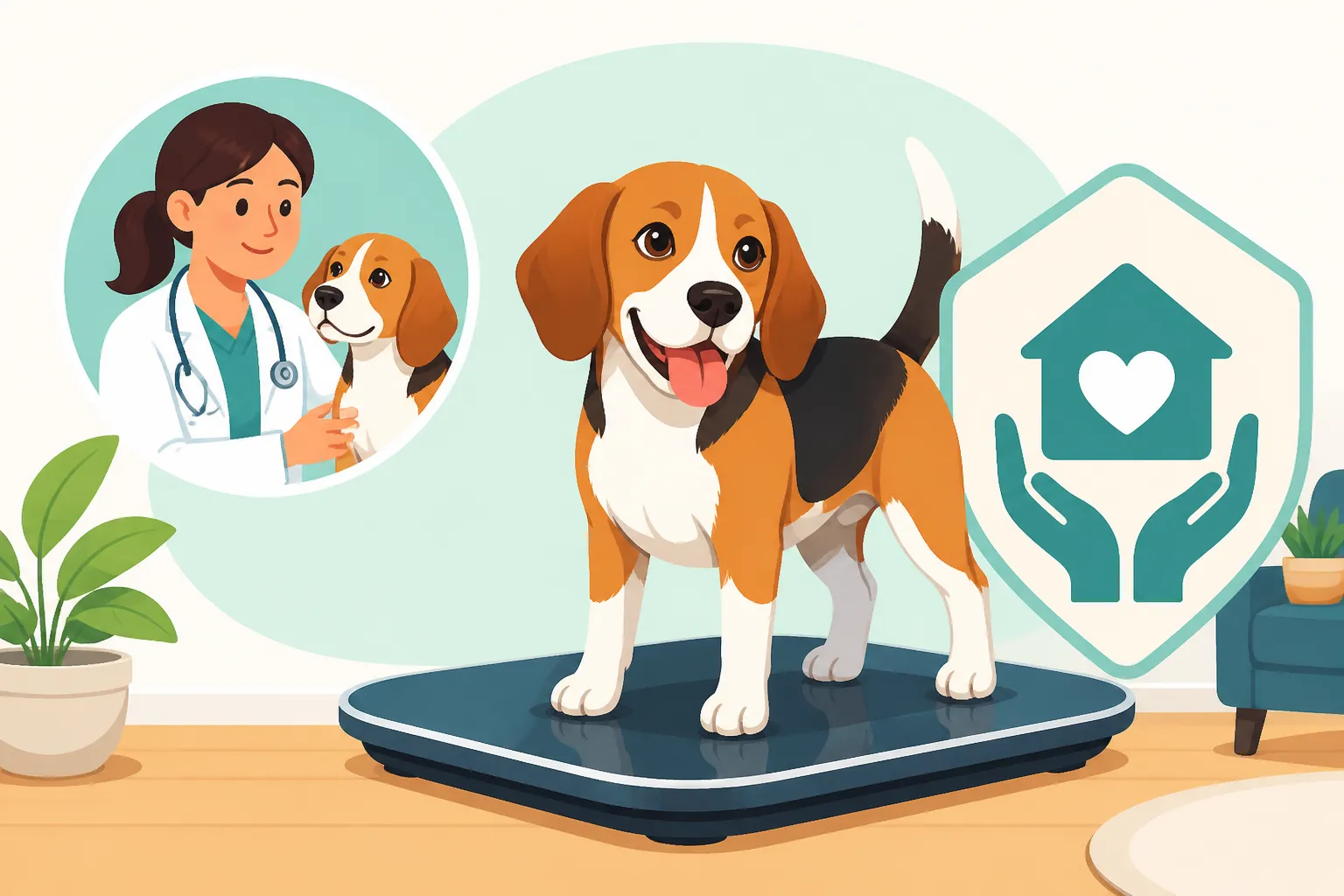
It’s incredibly easy to accidentally let those few extra pounds sneak onto your beloved Beagle, especially with their endless love for snacks and their pleading eyes. But catching weight changes early can make a huge difference in their health and longevity. Vet visits usually include a quick weigh-in, but those appointments aren't frequent enough to catch subtle shifts. This guide is all about empowering you to accurately weigh your Beagle right in the comfort of your own home, turning those in-between vet visits into opportunities for proactive care and ensuring you spot any trends before they become serious concerns.
Why Regular Home Weigh-Ins Are a Game Changer for Your Beagle's Health
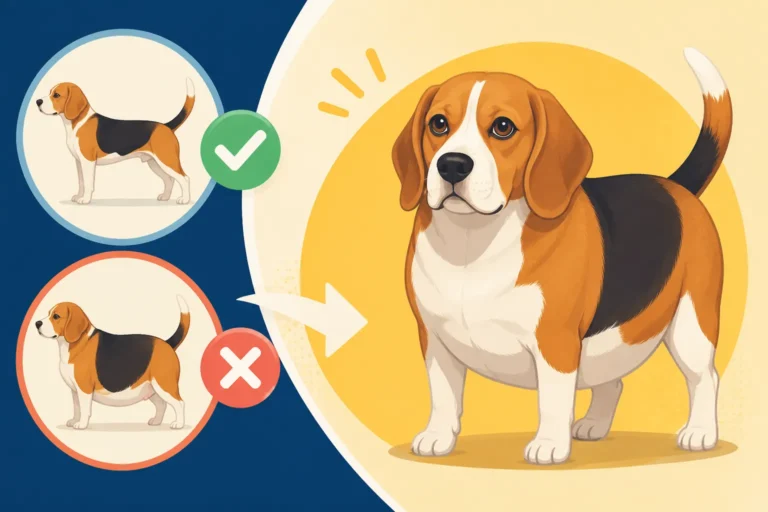
You might think a simple visual check is enough, but Beagles are masters of carrying a little extra weight without it being immediately obvious under that dense double coat. Regular home weigh-ins aren't just about spotting obesity; they're a critical tool for monitoring your Beagle's overall health, revealing insights that could otherwise go unnoticed until a vet visit.
Catching Subtle Weight Fluctuations Early
Our Beagles are such a part of our daily lives that tiny changes can become invisible. One day they seem perfectly normal, and then suddenly at their annual check-up, the vet mentions they've gained five pounds. Five pounds on a twenty-five-pound Beagle is a significant increase, representing a twenty percent jump in body weight! That’s like a human gaining thirty or forty pounds. Catching a half-pound increase here or a pound there allows you to adjust their diet or exercise routine much sooner, preventing a slow, insidious climb to an unhealthy weight.
Think of it like this: if you’re trying to budget your household finances, you don’t just check your bank account once a year. You keep an eye on it regularly to prevent overspending. The same goes for your Beagle’s health. Early detection of weight gain or loss means you can intervene with smaller, easier adjustments, rather than having to implement a drastic diet or investigate a serious underlying health issue. This proactive approach supports their longevity and helps avoid conditions like Beagle Arthritis Arriving in Middle Age or Beagle Obesity and the Risk of Diabetes that are often exacerbated by excess weight.
The Impact of Weight on a Beagle's Body
A few extra pounds on a Beagle aren't just a cosmetic issue; they place immense stress on their small frames and internal organs. Beagles, with their characteristic slightly long backs, are particularly susceptible to Beagle Disc Disease and That Slightly Long Back. Extra weight increases the pressure on those delicate spinal discs, raising the risk of injury. Every pound added to their frame means more work for their heart and lungs, potentially contributing to Beagle Heart Disease and Murmurs as they age.
Consider the active nature of a Beagle. They love to run, sniff, and play. When they carry too much weight, their joints take a pounding, leading to pain and inflammation, especially in their hips and elbows. This can quickly turn a happy, energetic Beagle into a reluctant couch potato, further compounding the weight problem. Their quality of life diminishes, and the joy they get from their natural instincts, like a good long sniff walk, is compromised. Regularly monitoring their weight at home gives you the power to keep them at their optimal condition, allowing them to enjoy their lives to the fullest and remain agile as they get older.
Practical Methods for Weighing Your Beagle at Home
So, you’re convinced! But how do you actually weigh a wiggly, treat-motivated Beagle without a professional vet scale? Don't worry, you don't need fancy equipment. There are several reliable methods you can use, each with its own advantages.
The Human Bathroom Scale Method
This is by far the most common and accessible method for most dog owners. It leverages the scale you likely already have in your bathroom.
Step-by-Step:
- Weigh Yourself: First, step onto your bathroom scale and record your weight. Make sure you're wearing approximately the same amount of clothing each time for consistency.
- Pick Up Your Beagle: Carefully pick up your Beagle. If your Beagle is particularly squirmy, you might need a second person to help gently hold them still, or try to get them when they are sleepy.
- Weigh Both Together: Step back onto the scale while holding your Beagle. Record this combined weight.
- Do the Math: Subtract your weight (from step 1) from the combined weight (from step 3). The difference is your Beagle’s weight.
Tips for Success:
- Consistency is Key: Always use the same scale and try to weigh at the same time of day (e.g., first thing in the morning before breakfast). This minimizes variables that could skew the results.
- Make it Positive: Associate the scale with good things! Place a favorite treat on the scale, or offer praise and a delicious tidbit, perhaps from a brand like Ollie, after each weigh-in. This makes the experience less stressful for your dog.
- Practice Makes Perfect: Your Beagle might be wary at first, but with patience and positive reinforcement, they’ll get used to it. Don't force them.
- Consider a Digital Scale: Digital scales tend to be more accurate and easier to read than old-fashioned dial scales. If you're in the market for a new one, you can find a good range on Amazon or Chewy.
Dedicated Pet Scales or Baby Scales
If your Beagle is particularly small or if you want even greater accuracy, a dedicated pet scale or a baby scale can be an excellent investment. These scales are designed for smaller, squirmier subjects and often have trays or platforms that make weighing easier.
Pet Scales: These come in various sizes and capacities. Many are digital and offer precise readings, sometimes down to ounces. They often have a low profile or a slight lip to help keep your dog contained. For a Beagle, you'd want one with a decent surface area, as they aren't tiny, but also not so large that it takes up too much space. You can often browse a wide selection of these scales on retailers like Chewy.
Baby Scales: Originally designed for infants, these scales are perfect for smaller Beagles, especially puppies or the smaller 13-inch variety. They typically have a contoured tray that helps prevent a wiggling Beagle from falling off. They offer very precise measurements, which can be crucial for tracking growth in a Beagle Puppy Growth Chart by Week.
Advantages:
- Higher Accuracy: Especially useful for tracking subtle changes.
- Easier Containment: Trays and low platforms help keep your Beagle in place.
- Less Math: Direct readouts of your dog’s weight.
Disadvantages:
- Cost: An additional purchase, though a good quality baby scale can often be found second-hand.
- Space: Dedicated scales take up more storage space than a bathroom scale.
The Luggage Scale Trick (for very small Beagles or puppies)
For very young Beagle puppies, or if you happen to have an exceptionally petite adult (though rare), a luggage scale can be surprisingly effective. You'll need a sturdy canvas bag or sling to hold your Beagle comfortably and safely. Place your Beagle in the bag, zero out the luggage scale with the empty bag, then lift using the scale. This method requires a very calm dog and a strong arm! It's less practical for a full-grown, wiggly Beagle.
| Method | Pros | Cons | Ideal For |
|---|---|---|---|
| Human Bathroom Scale | Accessible, no extra cost, good for cooperative Beagles. | Requires subtraction, less precise, can be hard with wiggly dogs. | Most adult Beagles, general monitoring. |
| Dedicated Pet Scale | High accuracy, designed for pets, direct readout. | Initial cost, takes up space. | All Beagles, precise tracking, anxious or squirmy Beagles. |
| Baby Scale | Very high accuracy, good containment. | Best for smaller Beagles/puppies, initial cost. | Beagle puppies, 13-inch Beagles, fine-tuned weight tracking. |
| Luggage Scale (with sling) | Portable, useful for tiny puppies. | Low accuracy for adults, requires strong arm, safety concerns. | Very young Beagle puppies, extreme portability. |
Interpreting Your Beagle's Weight: What the Numbers Tell You
Getting a number on the scale is just the first step. The real value comes from understanding what that number means for your individual Beagle. It's not just about hitting a specific weight, but maintaining a healthy body condition.
Understanding Ideal Weight Ranges for Beagles
Beagles come in two main varieties recognized by the American Kennel Club: the 13-inch and the 15-inch. Naturally, their ideal weights will differ. A 13-inch Beagle might ideally weigh between 18-20 pounds, while a 15-inch Beagle could be in the 20-30 pound range. However, these are general guidelines. Every Beagle is an individual, and their muscularity and bone structure will influence their optimal weight. What looks healthy on one Beagle might be underweight or overweight on another. This is why it's always best to consult with your veterinarian to establish a target weight range specifically for your Beagle. They can assess their body condition and help you determine what's healthy for them. You want to aim for a weight where you can easily feel their ribs, but not see them prominently. For more on this, you might find Beagle Weight Management Across the Two Size Varieties helpful.
Complementing Weight with Body Condition Scoring
Weight alone doesn't tell the whole story. Body Condition Scoring (BCS) is a visual and tactile assessment that complements your scale readings. It helps you determine if your Beagle is too thin, ideal, or overweight, regardless of the number on the scale.
How to Do a Basic Body Condition Score:
- Ribs: Gently run your hands along your Beagle’s sides. You should be able to feel their ribs easily, like feeling the knuckles on the back of your hand. If you have to press hard to feel them, your Beagle is likely overweight. If the ribs are visible without much effort, they might be too thin.
- Waist: Look down at your Beagle from above. You should see a clear "waist" tucked in behind their ribs. If they look like a straight block or an oval, they might be carrying too much weight.
- Abdominal Tuck: Look at your Beagle from the side. Their abdomen should tuck up slightly behind their rib cage, not sag down.
Combining your home weight checks with regular BCS is a powerful duo for proactive health monitoring. It adds a qualitative assessment to your quantitative data, giving you a much clearer picture of your Beagle's physical state.
When to Be Concerned About Weight Changes
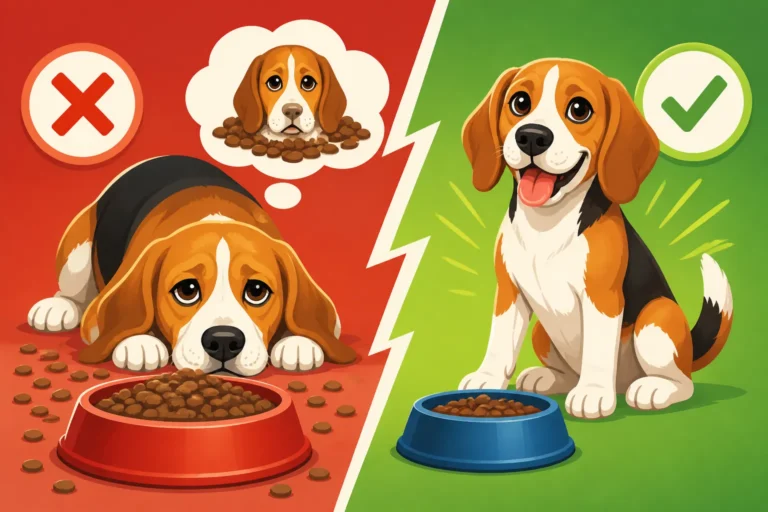
Consistent small increases in weight, even just a pound or two over a few months, should prompt a review of their diet and exercise. Are they getting too many treats? Has their activity level dropped? Sometimes, even a slight dietary adjustment, like switching to a lower-calorie food or reducing portion sizes, can make a significant difference. You might also want to look into Daily Calories for a 13-Inch Against a 15-Inch Beagle to ensure they're getting the right amount.
Sudden, unexplained weight loss or gain is a red flag and warrants a call to your veterinarian. Weight loss, especially if accompanied by changes in appetite, energy, or thirst, could indicate underlying health issues such as dental problems, digestive disorders, or more serious systemic diseases. Similarly, rapid weight gain without a clear increase in food intake or decrease in activity could point to conditions like Beagle Hypothyroidism and Sudden Weight Gain, which often presents with unexplained weight gain and lethargy. Don't hesitate to seek professional advice if you notice these kinds of abrupt changes.
Tips for Consistent and Stress-Free Home Weighing
Making home weigh-ins a positive, routine experience for both you and your Beagle is crucial for long-term success. It shouldn’t be a wrestling match or a source of anxiety.
Making It a Positive Experience
Beagles are smart and food-motivated, so leverage that to your advantage! Start small and make every interaction with the scale a good one. Place the scale on the floor and let your Beagle investigate it. Toss a few high-value treats (think tiny pieces of chicken or cheese, or even small, healthy training treats from a brand like Ollie) onto the scale. Don't force them to stand on it initially.
As they become more comfortable, gradually encourage them to put one paw on, then two, then eventually stand on it, even if just for a second. Reward heavily for even small steps in the right direction. Use a happy, encouraging tone of voice. The goal is for your Beagle to view the scale as a place where good things happen, not a strange, scary object. This positive association will make future weigh-ins much smoother and less stressful for everyone involved.
Consistency in Timing and Equipment
For the most accurate and comparable results, establish a routine. Try to weigh your Beagle at the same time of day, ideally before their first meal when their bladder and bowels are relatively empty. This minimizes minor fluctuations caused by food or waste. Always use the same scale, as different scales can have slight calibration differences.
If you’re using the "human plus Beagle" method, make sure you wear roughly the same clothing each time. A heavy sweater one day and light pajamas the next can throw off your readings. By controlling these variables, you ensure that any changes you observe are genuinely related to your Beagle's weight, not inconsistencies in your measuring technique. This data will be far more reliable when you share it with your vet, allowing them to make more informed decisions about your Beagle's care.
Dealing with Wiggly Beagles and Inconsistent Readings
Let's be real: Beagles can be bundles of energy and scent-driven distraction. A wiggly Beagle can make getting an accurate reading a challenge. If they won't stay still on the scale, try placing a non-slip mat or a small towel on the platform to give them more grip and confidence. Again, high-value treats are your best friend here. Hold a treat at nose level to encourage them to stand still for just a moment, long enough for the scale to register.
If your Beagle consistently refuses to cooperate with one method, don't be afraid to switch. If the human bathroom scale method is too difficult, consider investing in a dedicated pet scale available on platforms like Amazon, which might offer a more stable and inviting platform. For particularly anxious Beagles, practicing without actually doing a weigh-in – just getting them comfortable being near and on the scale with rewards – can build confidence over time. Keep a simple log or Keeping a Seizure Diary for Your Beagle (for an example of health log keeping) to jot down each weight, date, and any observations. This helps you track trends and quickly spot any anomalies that might require veterinary attention. The more consistent you are, the better data you'll gather, empowering you to be your Beagle's best health advocate.
Disclaimer
This article is for general informational purposes only and does not constitute professional advice. Laws, prices and regulations vary by location and change over time. Consult a qualified professional for guidance on your specific situation.