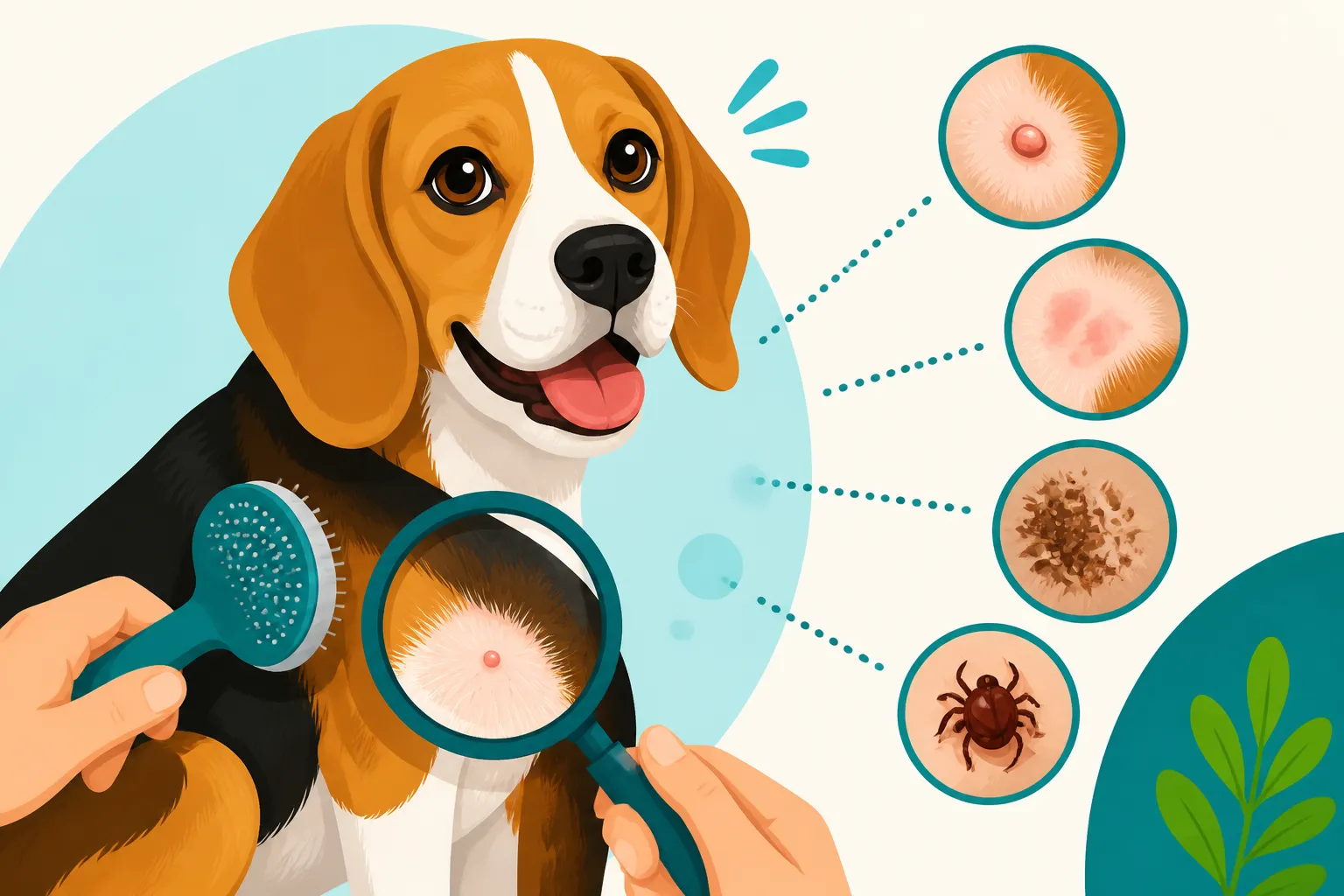
Skin Checks to Run While Grooming a Beagle
With a Beagle, it's easy to get caught up in their charming antics, their relentless sniffing, and their incredible food drive. But between all the fun, it's crucial not to overlook a vital part of their routine care: regular skin checks. Their dense double coat and those wonderfully droopy ears can hide a multitude of sins, from pesky parasites to sneaky skin infections, leaving your beloved hound uncomfortable or worse. This guide will walk you through a thorough head-to-tail examination of your Beagle's skin, empowering you to catch potential problems early and keep your furry friend happy and healthy.
Why Regular Skin Checks Are So Important for Beagles
As a Beagle owner, you know their nose is practically glued to the ground, exploring every patch of grass, every bush, and every suspicious puddle. This adventurous spirit, combined with their unique physical characteristics, makes them particularly susceptible to a range of skin issues. A simple daily pat and cuddle is wonderful, but it often isn't enough to really get a good look at what's going on beneath that thick, soft coat.
Their short, dense double coat, while beautiful, is fantastic at trapping moisture, dirt, and allergens close to the skin. This creates a cozy, humid environment perfect for yeast and bacteria to flourish, especially if your Beagle loves a good roll in something questionable, which, let's be honest, they usually do. Think about their floppy ears, too – these are like little humidifiers, constantly trapping air and moisture, making them prime real estate for ear infections. Beagle Ear Infections Under Those Long Ears are a common complaint among owners, and catching the early signs of irritation or discharge during a skin check can save a lot of discomfort and vet bills down the line.
Beyond the coat and ears, Beagles can also be prone to environmental and food allergies, which often manifest as itchy skin, redness, or hot spots. They're also not immune to the occasional lump, bump, or tick picked up on a sniffari. By making skin checks a regular part of your grooming routine, you're not just looking for problems; you're building a stronger bond with your dog and gaining an intimate understanding of what their healthy skin and coat feel and look like. This baseline knowledge is invaluable for spotting even subtle changes that might indicate a budding health concern.
A Head-to-Tail Guide: What to Look For During Your Beagle's Skin Check
Think of this as a mini-wellness check you can perform at home, ideally once a week or every other week, perhaps during a relaxing grooming session. You'll want good lighting, and maybe a few treats on hand to make it a positive experience for your Beagle.
Starting with the Ears and Face
This is a prime area for issues in Beagles. Begin by gently lifting those long, velvety ear flaps. What you're looking for inside a healthy Beagle ear is clean, pale pink skin with no noticeable odor.
- Color and Texture: Is the skin red, inflamed, or excessively waxy? Does it feel hot to the touch compared to the rest of their body?
- Discharge: See any dark brown, black, yellow, or green discharge? This is a huge red flag for infection. Beagle Ear Infection Symptoms to Catch Early are often visible here first.
- Smell: Give the ear a sniff. A healthy ear has a very faint, neutral smell. A strong, yeasty, or foul odor is a clear sign something is amiss.
- Hair: While Beagles don't typically have a lot of hair inside their ear canal, check for any matting or excessive hair that might be trapping moisture.
- Wounds/Scratches: Look for any scratches or sores from your Beagle possibly itching their ears aggressively.
Move to their face, paying close attention to the skin folds around their muzzle, if they have any, and under their chin. Check their lips and gums. Look for:
- Symmetry: Any swelling on one side of the face?
- Rashes/Redness: Especially around the mouth where drool can irritate the skin.
- Bumps: Feel along their jawline and chin for any small bumps, which could be anything from acne to insect bites.
Moving Down the Neck and Body
Once you've thoroughly checked their face and ears, gently work your way down their neck and across their body. Part their fur section by section, getting right down to the skin. It helps to have a good grooming brush on hand, which you can easily find on platforms like Amazon or Chewy, to help separate the dense coat.
- Redness and Irritation: Look for any patches of red, inflamed skin, particularly in areas where friction occurs, like under their collar, armpits, or groin.
- Flaking or Dryness: Is their skin flaky, dry, or excessively oily? Dry skin can lead to itching, while oily skin might indicate a yeast issue.
- Lumps and Bumps: This is a big one. Run your hands over their entire body, feeling for anything new. Beagles are prone to fatty tumors (lipomas) as they age, but any new lump warrants attention. Note its size, texture (soft, firm, squishy), and mobility (does it move under the skin or is it fixed?). Don't panic, but do make a note. Beagle Lumps That Need a Vet Appointment is an excellent resource if you find anything concerning.
- Scabs or Sores: These can indicate bug bites, scratches, or self-inflicted wounds from itching. Hot spots, which are raw, red, moist lesions, can develop incredibly quickly in Beagles, especially in warm, humid weather. Beagle Hot Spots Through the Summer explains how these can flare up.
- Hair Loss: Notice any thinning patches, bald spots, or dull, brittle fur? This could be a sign of allergies, hormonal imbalances like Beagle Hypothyroidism Symptoms Owners Notice First, or parasites.
- Parasites: Keep an eye out for fleas (tiny black specks that look like dirt, or the fleas themselves darting away), ticks (small, engorged bumps), or signs of mites (intense itching, scabs, hair loss, especially on elbows and hocks). Fleas in a Beagle's Dense Double Coat can be tricky to spot.
Don't Forget the Paws and Tail
These often-overlooked areas are critical, especially for a Beagle that spends so much time sniffing and trotting around.
- Paws: Beagles are always on their feet! Check between their toes and paw pads. Look for:
- Redness or Swelling: Especially between the toes, which can indicate allergies, yeast infections, or irritation from something they stepped on.
- Foreign Objects: Grass awns, small stones, or even burrs can get lodged in their paw pads or between toes, causing pain and infection.
- Cracked or Dry Pads: Especially after walks on rough terrain or hot pavement.
- Nails: While not skin-related, it's a good time to check if their nails are too long. Overgrown nails can affect their gait and cause discomfort.
- Tail: Part the fur and check the skin along their tail, especially at the base.
- Redness/Flaking: The base of the tail is a common spot for flea allergies.
- Sores: Sometimes Beagles can get 'stud tail' (sebaceous gland hyperplasia) which looks like greasy, waxy skin at the base of the tail, leading to irritation.
Common Beagle Skin Issues You Might Discover
It's empowering to know what to look for, but it's even better to understand what some of the common findings might mean. Remember, this isn't diagnostic; it's about giving you informed questions for your vet.
Identifying Allergies and Irritations
Beagles, unfortunately, often fall into the "itchy dog" category. Their inquisitive noses lead them into all sorts of environmental allergens, and many develop sensitivities to food ingredients.
- Environmental Allergies (Atopy): These are often seasonal, flaring up with pollen, dust mites, or mold. You'll typically see intense itching, especially around the paws, face, ears, and belly. The skin might look red, inflamed, or even thickened and darkened (hyperpigmentation) in chronic cases. They might chew their paws incessantly or rub their face. Beagle Skin Allergies and Constant Itching can be a real nuisance for both dog and owner.
- Food Allergies: Unlike seasonal allergies, food allergies often cause year-round itching and can also come with gastrointestinal upset like diarrhea or vomiting. The itching often presents similarly to environmental allergies, but can also include skin lesions or ear infections. Finding an appropriate diet can be a journey; sometimes novel protein foods or prescription diets are necessary. Brands like Ollie offer fresh food options, which some owners find beneficial, but always consult your vet before making significant dietary changes, especially if you suspect allergies. Beagle Food Allergies Showing Up on the Skin can be a complex puzzle to solve.
- Contact Dermatitis: This happens when your Beagle's skin directly contacts an irritant, like certain plants, cleaning chemicals, or even materials in their bedding. The reaction usually occurs on the belly, paws, or other areas that touch the irritant. It appears as a sudden rash, redness, or bumps.
Dealing with Lumps, Bumps, and Growths
Finding a lump on your Beagle can be terrifying, but many are benign. However, always have a veterinarian check any new lump or any existing lump that changes in size, shape, or texture.
- Lipomas: These are benign fatty tumors, incredibly common in older Beagles, especially if they carry a bit of extra weight. They feel soft and movable under the skin. While usually harmless, they can grow quite large and interfere with movement if located in certain areas.
- Warts (Papillomas): These are small, cauliflower-like growths, often seen in younger dogs with immature immune systems, but older dogs can get them too. They're usually harmless and often resolve on their own.
- Cysts: These are sacs filled with fluid, dead cells, or sebum. They can range from small, soft bumps to larger, firmer ones. Sometimes they rupture, leading to local irritation and infection.
- Mast Cell Tumors: These are a type of cancer that can appear as skin lumps. They can look like anything from a benign fatty tumor to an ulcerated sore, which is why veterinary examination is crucial. They can vary wildly in appearance and behavior.
- Abscesses: These are pockets of pus that form under the skin, usually due to a bacterial infection from a bite, scratch, or foreign body. They tend to be warm, painful, and swell rapidly.
Parasites: Fleas, Ticks, and Mites
Despite preventive measures, parasites can sometimes sneak onto your Beagle. Regular checks are your best defense.
- Fleas: These tiny, reddish-brown insects are masters of camouflage in a Beagle's dense coat. You might see "flea dirt" (feces) which looks like black pepper flakes, or the fleas themselves. Flea bites cause intense itching, especially at the base of the tail, groin, and neck.
- Ticks: Ticks attach themselves to feed on blood. They can be tiny, like a poppy seed, or engorged and grape-sized. Always check behind the ears, in skin folds, between toes, and around the tail. Prompt and correct removal is key to preventing disease transmission. Checking a Beagle for Ticks After Every Walk is a habit every Beagle owner should adopt.
- Mites (Scabies/Demodex): These microscopic parasites cause intense itching, hair loss, and scabbing. Scabies (sarcoptic mange) is highly contagious and causes extreme itchiness. Demodex (demodectic mange) often causes localized hair loss and can be seen in puppies or immunocompromised dogs. Both require veterinary diagnosis and treatment.
| Skin Issue Category | Common Signs to Look For | Initial Home Action / When to See a Vet |
|---|---|---|
| Allergies/Irritations | Redness, intense itching (paws, face, belly), hot spots, scabs, chewing/licking, dull coat. | For mild irritation, a gentle dog-specific shampoo (like those available on Chewy) might offer temporary relief. If persistent, widespread, or accompanied by open sores, contact your vet for diagnosis (environmental, food, contact) and treatment (antihistamines, steroids, special diets). |
| Lumps/Growths | Any new lump or bump, changes in size/texture of existing ones. | Immediately contact your vet for any new lump, or any existing lump that changes. Never assume it's benign. Describe its location, size, and feel to the vet when you call. |
| Parasites | Flea dirt (black specks), visible fleas/ticks, intense itching, scabs, hair loss. | For fleas, ensure year-round prevention (your vet can recommend options). For ticks, remove carefully with tweezers and monitor the bite site; contact vet if symptoms develop. For mites, immediate vet visit is needed for diagnosis and specific treatment. Year-Round Parasite Prevention for a Beagle is vital. |
| Infections | Red, inflamed skin, discharge, foul odor (especially ears), hot spots, pain, swelling. | For ear issues, do not put anything in the ear without vet guidance. For minor hot spots, keep clean and dry; consider an Elizabethan collar to prevent licking. For persistent, spreading, or painful infections, consult your vet immediately. |
When to Call the Vet: Red Flags and Next Steps
Being proactive about your Beagle's skin health is fantastic, but knowing when to elevate your concerns to a professional is even more important. Here are some clear indicators that it's time to pick up the phone and make an appointment:
- Persistent Itching or Licking: If your Beagle is constantly scratching, licking, or chewing at an area for more than a day or two, it’s a sign of significant discomfort that needs attention. Don't wait until the skin is raw or infected.
- New Lumps or Changes: As mentioned, any new lump, or any change in an existing one (size, color, texture, ulceration), needs a veterinary check. While many are benign, it's impossible to tell without a professional examination, which might include a fine needle aspirate (FNA) or biopsy.
- Open Sores, Scabs, or Hot Spots: These can become infected very quickly. If you find raw, red, moist areas (hot spots), or if scabs are widespread or ooze, your vet needs to see them. Infections can spread and cause more serious systemic issues.
- Foul Odor or Discharge: A strong, unpleasant smell from the ears or any part of the skin, especially if accompanied by discharge (pus, blood, thick wax), is a classic sign of infection.
- Sudden or Rapid Hair Loss: While some shedding is normal for Beagles, sudden patches of hair loss, or large areas of thinning, could indicate allergies, parasites, fungal infections, or underlying hormonal issues. Beagle Hair Loss Traced Back to the Thyroid is one example.
- Pain or Tenderness: If your Beagle reacts negatively (yelps, pulls away, growls) when you touch a specific area of their skin, it's likely painful and needs professional assessment.
- Lethargy or Behavioral Changes: If skin issues are severe enough to affect your Beagle's overall demeanor—they're unusually tired, not eating, or acting withdrawn—this constitutes a more urgent situation. Beagle Emergency Signs That Cannot Wait Until Morning always include changes in overall disposition.
When you call your vet, be prepared to describe what you've found, when you first noticed it, and any changes you've observed. Bringing a small notebook where you've kept notes on your skin checks can be incredibly helpful for your vet to understand the timeline of the issue. A good relationship with your veterinarian, built on open communication and proactive care like these skin checks, is truly the best way to ensure your Beagle lives a long, happy, and itch-free life!
Disclaimer
This article is for general informational purposes only and does not constitute professional advice. Laws, prices and regulations vary by location and change over time. Consult a qualified professional for guidance on your specific situation.