Beagle Hot Spots Through the Summer
Oh, the dreaded "hot spot!" If you've ever had a Beagle, especially through the warmer months, you know the panic that sets in when you spot that angry, red, weeping patch on their skin. It seems to appear out of nowhere, and once it's there, your poor pup can't stop bothering it, making everything so much worse. This guide is all about understanding these irritating skin lesions, how to tackle them quickly, and most importantly, how to help prevent them from ruining your Beagle's summer fun.
Understanding What a Beagle Hot Spot Really Is
Hot spots are one of those frustrating canine ailments that can escalate from a tiny itch to a nasty lesion in what feels like mere hours. For a Beagle owner, it’s a constant battle against their natural tendencies and the environment.
The Frustrating Cycle of Itch and Self-Trauma
A hot spot, medically known as acute moist dermatitis or pyotraumatic dermatitis, is essentially a rapidly developing, inflamed, infected skin lesion that often looks wet and red. It's not a primary disease but rather a secondary issue triggered by an underlying irritation. Imagine a tiny itch – maybe from a flea bite, maybe an allergy flare-up – and your Beagle, with their persistent nature, decides to scratch, lick, or chew that spot. What starts as a minor irritation quickly becomes an open wound as they break the skin barrier. Bacteria, which are naturally present on your dog's skin, then seize the opportunity to invade, causing an infection. The area becomes intensely itchy, leading to more licking and chewing, and just like that, you have a vicious cycle of self-trauma and infection.
Beagles are particularly susceptible because of their dense double coats, which can trap moisture and heat, creating a perfect breeding ground for bacteria, especially in the summer. Their relentless drive means they'll often fixate on an itch, turning a small problem into a large, painful one faster than many other breeds. The constant licking prevents the area from drying out, perpetuating the "moist" part of acute moist dermatitis. Before you know it, a tiny pink patch can become a two-inch raw, oozing mess overnight.
Common Triggers That Spark a Hot Spot
Understanding the root cause is crucial because treating the hot spot itself without addressing the underlying trigger means it's likely to come right back. Many things can kick off this uncomfortable chain reaction for a Beagle.
One of the most common culprits, especially when the weather warms up, is parasites. A single flea bite on an allergic Beagle can be enough to start the whole miserable process. While you might not see fleas, remember they are tiny, and even a minor infestation can cause significant discomfort. Regular, year-round flea and tick prevention is absolutely vital for Beagles.
Allergies are another huge factor. Just like us, Beagles can suffer from environmental allergies (pollen, dust mites, grass) or food allergies. When their allergies flare, their skin becomes itchy and inflamed, making them more prone to licking and chewing specific areas. If your Beagle is constantly scratching or has recurring hot spots without an obvious cause, it's worth investigating potential allergies. For a deeper dive into how allergies manifest on their skin, you might want to read our guide on Beagle Skin Allergies and Constant Itching.
Moisture plays a significant role. If your Beagle loves to swim, gets a bath, or even just gets caught in a summer downpour and isn't thoroughly dried, that trapped moisture in their thick coat can irritate the skin. This is particularly true in areas like behind the ears, under the tail, or in skin folds. Similarly, ear infections are a classic trigger. An itchy, painful ear can cause your Beagle to scratch their ear and the surrounding neck area excessively, creating a hot spot. Our article on Beagle Ear Infections Under Those Long Ears explains why their long, floppy ears are so prone to these issues. Other triggers can include insect bites (mosquitoes, flies), minor cuts or scrapes that get infected, or even boredom and anxiety that lead to compulsive licking.
Recognizing the Early Signs and Taking Action
Catching a hot spot early is your best defense against it becoming a much larger, more painful problem that requires extensive veterinary intervention. Beagles, with their thick coats, can hide these spots deceptively well.
Visual and Behavioral Clues to Watch For
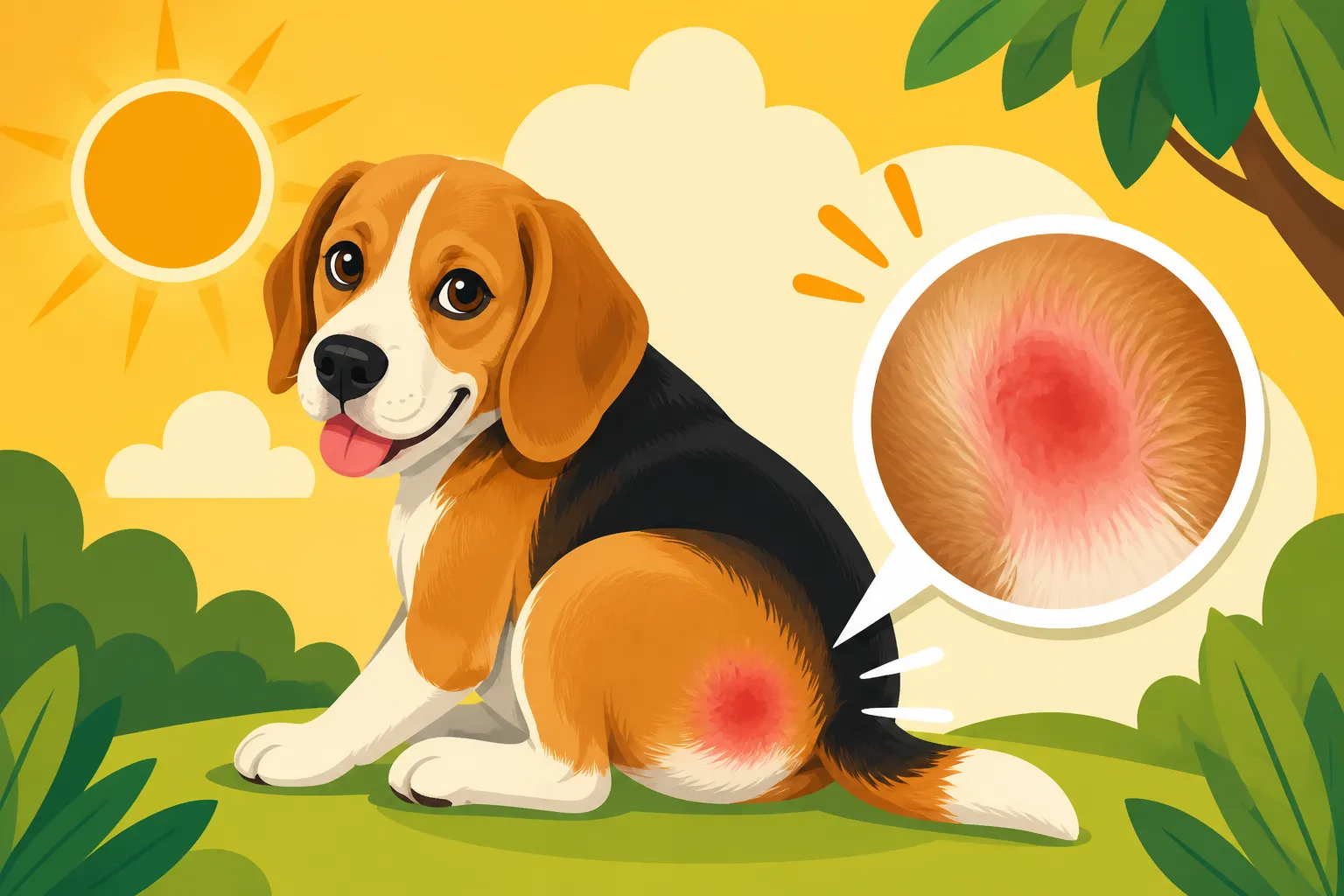
The most obvious visual sign of a hot spot is a rapidly appearing red, inflamed, often wet or oozing lesion on the skin. The fur around the area might be matted or, in more advanced cases, completely gone due to the constant licking and chewing. The skin itself will look raw, angry, and can sometimes have a yellowish or crusty discharge. It often feels warm to the touch. These spots frequently appear on the neck, cheeks, rump, outer thighs, or anywhere your Beagle can easily reach to lick or chew.
However, often you'll notice behavioral changes before you see the actual lesion. Your Beagle might start obsessively licking or chewing a particular spot, sometimes for hours. You might hear them chomping or see them frantically scratching with their hind leg. They might also shake their head repeatedly if the hot spot is near their ear. They might become restless, unable to settle, or even show signs of pain when you try to touch the affected area. Don't dismiss this constant attention to one spot – it's your early warning system. That little "nick" they're grooming relentlessly could be the start of something much bigger.
First Aid Steps You Can Take at Home and When to Call the Vet
The moment you suspect a hot spot, time is of the essence. Your immediate goal is to stop the self-trauma and clean the area.
- Prevent Further Licking/Chewing: This is critical. Get an Elizabethan collar (E-collar or "cone of shame") on your Beagle immediately. This might feel harsh, but it's the single most effective way to break the cycle of self-mutilation and allow the area to begin to heal.
- Gently Trim the Hair: If your Beagle tolerates it and it's safe to do so, carefully trim the hair around the hot spot. This allows air to get to the wound, helps it dry out, and makes it easier for topical treatments to reach the skin. Be extremely careful not to cut the skin, as it's often very tender and thin. If you're unsure or your Beagle is in too much pain, leave this step for the vet.
- Clean the Area: Gently clean the hot spot with a mild antiseptic solution. Povidone-iodine (diluted to a weak tea color with water) or chlorhexidine wipes are good options. Avoid harsh rubbing; just gently dab to remove any crusts or discharge. Pat the area completely dry afterward.
- Observe Closely: Keep a close eye on the spot. If it's small, caught very early, and shows signs of improving within 12-24 hours with your first aid, you might be able to manage it.
However, in most cases, especially with Beagles, a vet visit is almost always necessary. You should call your vet if:
- The hot spot is large (over an inch or two in diameter).
- It's extremely painful or your Beagle won't let you near it.
- It's oozing a lot of pus or bleeding heavily.
- It shows no improvement, or gets worse, within 24 hours of your initial first aid.
- Your Beagle is also showing other signs of illness (lethargy, fever, loss of appetite).
Your vet can properly diagnose the extent of the infection, rule out other skin conditions, and prescribe the appropriate medications. Trying to guess what medicine your Beagle needs can prolong their suffering and make the problem much harder to treat later.
Treatment Options to Heal and Soothe
Once you've identified a hot spot and, ideally, seen your veterinarian, the focus shifts to healing the current lesion and making sure it doesn't immediately return.
Veterinary Treatments for Active Hot Spots
When you take your Beagle to the vet for a hot spot, the first thing they'll likely do is thoroughly clean and clip the hair around the area, which is often difficult to do effectively at home, especially if your dog is in pain. This allows them to get a clear view of the lesion and prepare it for treatment.
Depending on the severity and whether a secondary bacterial infection is present, your vet might prescribe several types of medication. Oral antibiotics are very common to combat the bacterial infection, and they often need to be given for a full course, typically 7-14 days or longer. It's crucial to finish the entire course, even if the spot looks better, to prevent a relapse. Sometimes, if the itching and inflammation are severe, a short course of oral corticosteroids might be prescribed to quickly reduce the itch and discomfort, providing much-needed relief to your Beagle and breaking that itch-scratch cycle.
Topical treatments are also a staple. These can include medicated sprays, creams, or ointments containing antibiotics, steroids, or drying agents. Your vet will advise you on how to apply these and how often. Medicated shampoos with antiseptic ingredients like chlorhexidine can be used for more widespread skin irritation or as a follow-up once the acute hot spot has settled down. For significant pain, your vet might also prescribe pain relief medication to keep your Beagle comfortable while the area heals.
Remember, treating the hot spot is only half the battle. Your vet will also work to identify and address the underlying cause. This might involve discussing flea prevention protocols, allergy management plans, or checking for other issues like ear infections that could be triggering the licking. This comprehensive approach is key to long-term success.
Managing Pain and Preventing Recurrence
Managing the immediate pain and discomfort is crucial for your Beagle's well-being and to prevent them from making the hot spot worse. As mentioned, an E-collar is non-negotiable until the hot spot is well on its way to healing. Without it, even the best medications are fighting an uphill battle against your dog's persistent licking and chewing.
To prevent recurrence, a multifaceted approach is best. If your vet diagnosed an allergy, diligently following their recommendations for allergy management – whether it's a special diet for food allergies, antihistamines, or immunotherapy shots for environmental allergies – will be vital. Regular and effective parasite control, like that offered by products such as Bravecto or NexGard, is paramount. Even if you don't see fleas, assume they could be a factor. Our article on Beagle Flea, Tick and Heartworm Budgets offers more details on managing these pesky parasites.
Consider investing in a good pet insurance policy, like those offered by providers such as Healthy Paws, especially if your Beagle seems prone to recurrent skin issues. Chronic conditions or repeated vet visits for hot spots can certainly add up, and having coverage can provide peace of mind. It’s always best to get pet insurance before conditions develop, as most policies consider pre-existing conditions. For more information, take a look at our guide on Beagle Pet Insurance and What It Runs a Month. You might find that once you manage one hot spot, another pops up in a different location, indicating a systemic issue that needs ongoing attention.
Finally, regular grooming and meticulous drying after baths or swims are key. This helps keep the skin healthy and reduces the chances of moisture getting trapped and causing irritation.
Proactive Summer Prevention Strategies for Beagles
Preventing hot spots is always better than treating them. For Beagles, especially during the summer months, a proactive approach can save you and your furry friend a lot of discomfort.
Keeping Their Coat Clean and Dry
Beagles have that wonderful, dense double coat, perfect for protecting them in the field, but also a fantastic incubator for skin issues if not properly cared for. During summer, when they might be swimming more or just getting caught in sudden downpours, it's absolutely crucial to dry them thoroughly. Don't just towel dry the surface; try to get down to the skin, especially in areas like their armpits, groin, under their long ears, and around their tail. A dog-specific blow dryer on a cool setting can be a lifesaver. If you're bathing your Beagle at home, ensure all shampoo is rinsed out completely, as residue can be irritating. Regular brushing, even if it's just a few minutes every other day, helps remove loose hair, allows for better air circulation, and gives you a chance to spot any potential skin issues early.
Their long, floppy ears are particularly vulnerable. Moisture, warmth, and limited airflow create an ideal environment for yeast and bacteria to grow, leading to ear infections that can trigger head shaking and subsequent hot spots on the face or neck. A routine of weekly ear cleaning with a vet-approved solution, as discussed in Cleaning a Beagle Ear Before Infection Starts, is highly recommended, especially after swims.
Year-Round Parasite Control and Allergy Management
We can't stress this enough: consistent, year-round parasite prevention is non-negotiable for Beagles. Fleas and ticks are not just a nuisance; their bites can be the initial spark for a hot spot, particularly if your Beagle has flea allergy dermatitis. Talk to your vet about the best options for your area and your dog's lifestyle. There are many effective oral and topical preventatives available. Don't skip doses, even in winter, as fleas can survive indoors year-round.
If you suspect allergies are playing a role in your Beagle's recurring hot spots, a deeper dive into allergy management is necessary. This might involve working with your vet on an elimination diet to identify food sensitivities, environmental allergy testing, or simply managing symptoms with medications. For Beagles with food allergies, changing their diet to a novel protein or hydrolyzed protein diet can make a world of difference, as detailed in Beagle Food Allergies Showing Up on the Skin. Sometimes, persistent hot spots are the loudest alarm bell that an underlying allergy needs to be addressed. Companies like Healthy Paws can often cover diagnostics and ongoing treatment for allergies once a policy is in place and the condition isn't pre-existing, which can be a huge relief given the cost of long-term allergy care.
Enrichment and Stress Reduction
Sometimes, Beagles can develop hot spots due to behavioral issues. A bored or anxious Beagle might resort to compulsive licking as a self-soothing mechanism, turning a healthy patch of skin into an irritated mess. Beagles are intelligent, active dogs who thrive on having a "job" to do.
Ensure your Beagle is getting enough physical and mental stimulation. Daily walks that allow for plenty of sniffing – what we call "sniffari" walks – are incredibly enriching for them. Engaging them in scent work or puzzle toys can tap into their natural abilities and keep their minds busy. Our article on Scent Work as the Job a Beagle Was Built For can give you some excellent ideas. A tired Beagle is often a content Beagle, less likely to resort to obsessive licking.
If your Beagle suffers from separation anxiety or other stress-related behaviors, addressing these issues with a trainer or veterinary behaviorist can also reduce instances of self-trauma. A calm, well-exercised, and mentally stimulated Beagle is far less likely to turn a minor itch into a full-blown hot spot.
Here's a quick summary of common hot spot triggers and what you can do:
| Trigger Category | Common Examples | Prevention / Management Strategies |
|---|---|---|
| Parasites | Fleas, mites, ticks | Year-round, consistent flea/tick prevention (e.g., Bravecto, NexGard). Regular grooming and checks. |
| Allergies | Environmental (pollen, dust), Food | Vet consultation for allergy testing, elimination diets, antihistamines, immunotherapy, prescription diets. |
| Moisture/Humidity | Swimming, baths, rain, high humidity | Thoroughly dry coat after getting wet (especially ears, armpits). Regular brushing for airflow. |
| Poor Grooming | Matted fur, tangled hair, residue from shampoo | Regular brushing, professional grooming. Use appropriate, thoroughly rinsed shampoos. |
| Minor Irritations | Insect bites, scrapes, stings | Inspect coat regularly, particularly after outdoor activities. Immediate cleaning of minor wounds. |
| Underlying Pain | Ear infections, arthritis, anal gland issues | Address root cause with vet. Regular vet check-ups. |
| Boredom/Anxiety | Lack of stimulation, separation anxiety | Provide ample exercise (sniff walks!), mental enrichment (puzzle toys, scent work), address anxiety with training. |
Final Thoughts
Dealing with hot spots can feel like a never-ending battle, especially with a Beagle's determination to scratch, lick, or chew any irritation. But by understanding the causes, recognizing the early signs, and being proactive with prevention, you can significantly reduce the chances of your furry friend suffering from these painful skin lesions. Your Beagle relies on you to be their advocate, so staying vigilant, keeping up with preventative care, and not hesitating to involve your vet are your best tools in this fight.
Disclaimer
This article is intended for informational purposes only and does not constitute medical advice. Always consult with a qualified veterinarian for any health concerns or before making any decisions about your Beagle's medical care.