Beagle Flea, Tick and Heartworm Budgets
It’s a constant worry for Beagle owners, isn't it? That relentless itch, the sudden cough, or the nightmare of finding a bloated tick after a walk. We know our Beagles love to follow their noses, which often leads them through tall grasses, muddy trails, and places where all sorts of unwelcome guests like fleas, ticks, and mosquitos lurk. Budgeting for year-round parasite prevention isn't just about shelling out money; it's about safeguarding your beloved companion from serious illnesses and the far more expensive treatments that come with them. This guide will walk you through understanding these costs, exploring different prevention options, and figuring out how to keep your Beagle safe without breaking the bank.
Understanding the Persistent Threat of Parasites to Beagles
Our Beagles are hardy little hounds, full of life and an insatiable curiosity that pulls them into every bush and patch of undergrowth. But this very trait, their incredible scenting ability and desire to explore, makes them prime targets for parasites. Fleas, ticks, and heartworms aren't just gross; they carry diseases that can severely impact your Beagle's health and shorten their vibrant Beagle Lifespan and the Twelve to Fifteen Year Range. Understanding the specific threats helps us appreciate why prevention is non-negotiable, not just an optional expense.
Why Beagles Are More Susceptible
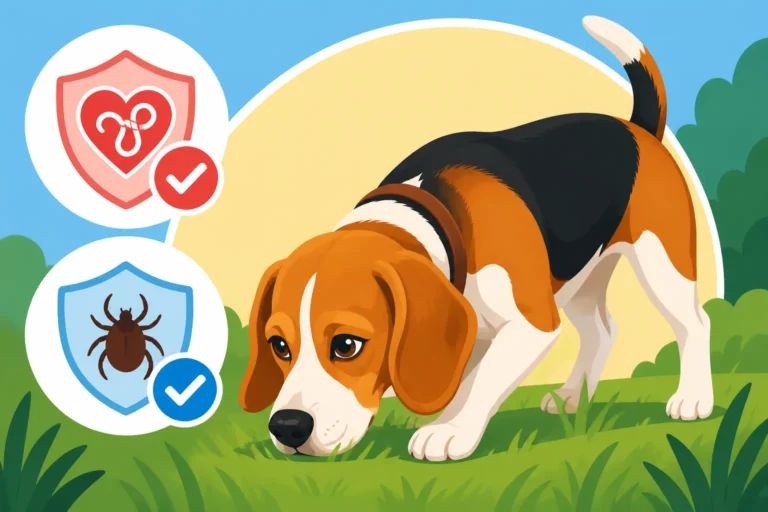
Beagles, with their low-to-the-ground posture and dense double coats, are practically perfectly designed to pick up parasites from their environment. When they're nose-down, tracing an irresistible scent trail through tall grass, they're inadvertently brushing against every leaf and blade that might harbor a tick waiting for a host. Their floppy ears, while adorable, can also offer a warm, protected environment for ticks to attach or for mites to flourish, if prevention isn't consistent.
Moreover, their sheer enthusiasm for the outdoors means they're exposed more frequently and in varied environments than, say, a tiny lapdog who rarely leaves the backyard. A Beagle will gleefully dive into a pile of leaves or explore a woodland edge, places where fleas and ticks are just waiting. This inherent lifestyle choice, while making them happy, means we as owners have a greater responsibility to keep them protected from these common invaders. It's not just about one hike; it's about every single time they step outside.
The Dangers These Parasites Pose
The threats posed by fleas, ticks, and heartworms go far beyond simple discomfort. Fleas can cause severe itching, leading to Beagle Skin Allergies and Constant Itching and secondary bacterial infections from excessive scratching. Some Beagles develop flea allergy dermatitis, where even a single flea bite can trigger an intense, generalized allergic reaction. Ticks are even more concerning, capable of transmitting diseases like Lyme disease, Anaplasmosis, Ehrlichiosis, and Rocky Mountain Spotted Fever, all of which can lead to serious health issues, chronic pain, and in some cases, life-threatening complications.
Heartworms, transmitted by mosquitos, are perhaps the most insidious threat. These worms live in the heart, lungs, and associated blood vessels, causing severe lung disease, heart failure, and damage to other organs. The symptoms can be subtle at first, like a mild cough or reduced exercise tolerance, but without treatment, the disease is progressive and ultimately fatal. Treatment for heartworm disease is complex, lengthy, and incredibly expensive, making prevention not just a medical recommendation, but a critical financial decision for every Beagle owner. It's a prime example of how an ounce of prevention is worth a pound of cure, especially when it comes to your Beagle's heart.
Breaking Down the Cost of Flea and Tick Prevention
When it comes to keeping those pesky fleas and ticks at bay, Beagle owners have a dizzying array of options. From topical treatments to oral medications and even collars, the market is saturated, and the prices can vary significantly. Navigating these choices and understanding what you're actually paying for is key to effective budgeting.
Topical Treatments and Their Price Ranges
Topical "spot-on" treatments are a popular choice for many owners because they're relatively easy to apply and often more affordable upfront. These treatments typically come in small tubes that you apply to your Beagle's skin, usually between the shoulder blades, where they can't lick it off. The active ingredients then spread across the skin via the natural oils or are absorbed into the bloodstream, killing fleas and ticks. Brands like Frontline Plus, K9 Advantix II, and Advantage II are common names you'll encounter.
A single dose for a Beagle, which usually lasts about a month, can range anywhere from $10 to $25, depending on the brand, the size of your Beagle (which dictates the dosage), and where you purchase it. Buying a multi-pack, like a 3-month or 6-month supply, can often reduce the per-dose cost. For example, a 6-month supply might cost between $60 and $120. While convenient, some Beagles with sensitive skin might experience mild irritation at the application site, and their effectiveness can diminish if your Beagle swims frequently or is bathed often, requiring careful consideration of your lifestyle. Online retailers like Chewy often offer competitive prices and subscription services for these products.
Oral Medications and Their Price Ranges
Oral medications have become increasingly popular due to their convenience and effectiveness, and the fact that they aren't affected by bathing or swimming. These are chewable tablets that your Beagle ingests, and the active ingredient works systemically through their bloodstream. They typically offer protection for one to three months, depending on the specific product. Common oral medications include Bravecto (3 months), NexGard (1 month), and Simparica (1 month).
The cost per dose for oral medications tends to be higher than topicals, but many owners find the peace of mind and ease of administration worth the extra expense. A single monthly chewable might run from $20 to $35, while a 3-month chewable could be in the range of $55 to $80. So, for a year, you could be looking at $240 to $420 for monthly treatments or around $220 to $320 for quarterly treatments. Again, purchasing from online pet pharmacies or your veterinarian in larger quantities can sometimes offer a slight discount. It's crucial to remember that these are prescription medications, so you'll need a vet visit and a valid prescription before you can purchase them. This also highlights the need to factor in Beagle Routine Vet Costs Across a Year when planning your overall budget.
Flea and Tick Collars and Other Options
While not as universally recommended as oral or topical treatments, flea and tick collars still exist and can be an option for some. The most well-known and often vet-recommended collar is the Seresto collar, which releases active ingredients into your Beagle's skin and coat, offering protection for up to 8 months. These collars are a significant upfront investment, typically ranging from $60 to $80. However, when you break that down over 8 months, the monthly cost becomes quite competitive, often around $7.50 to $10.
Other, cheaper flea collars exist, but many veterinarians caution against them due to their lower efficacy and potential for skin irritation. Beyond collars, there are also flea and tick shampoos, sprays, and dips. These are generally considered short-term solutions, excellent for immediate kill-offs but not for long-term prevention. Shampoos and sprays might cost $10-$20 per bottle but would need frequent reapplication, quickly adding up. For a busy Beagle owner, convenience and consistent protection are often paramount, making the longer-lasting oral or topical options more practical for day-to-day use, despite their higher per-dose price.
Budgeting for Heartworm Prevention in Beagles
Heartworm disease is a silent killer, and because Beagles spend so much time outside, often in environments where mosquitos thrive, prevention is absolutely critical. Unlike fleas and ticks, heartworms require a dedicated preventive regimen that always starts with a diagnostic test.
Annual Heartworm Testing Requirements
Before your Beagle can even start heartworm prevention medication, they must be tested. This is a non-negotiable step that your veterinarian will insist upon, and for good reason. Giving heartworm prevention to a dog that already has heartworms can be dangerous, potentially leading to a severe, even fatal, reaction as the medication rapidly kills off microfilariae (baby heartworms) in their bloodstream.
This annual test typically involves a small blood draw from your Beagle, which is then sent to a lab or tested in-house with a rapid antigen test. The cost for a heartworm test can vary, usually ranging from $25 to $50, depending on your geographic location and your veterinarian's pricing structure. This isn't a one-time fee; it's an annual expense that needs to be factored into your budget every single year for your Beagle's entire life. Even if your Beagle has been on prevention consistently, annual testing ensures that the medication has been effective and that no lapses in dosing (which, let's be honest, can happen to the best of us!) have led to an infection.
Heartworm Prevention Medications and Costs
Once your Beagle tests negative for heartworms, your vet will prescribe a preventive medication. These medications come in various forms, most commonly as monthly oral tablets or chewables, but there are also topical options and even an injectable medication that provides 6 or 12 months of protection. Popular brands for monthly oral prevention include Heartgard Plus, Sentinel Spectrum, and Interceptor Plus. The injectable option is ProHeart 6 or ProHeart 12.
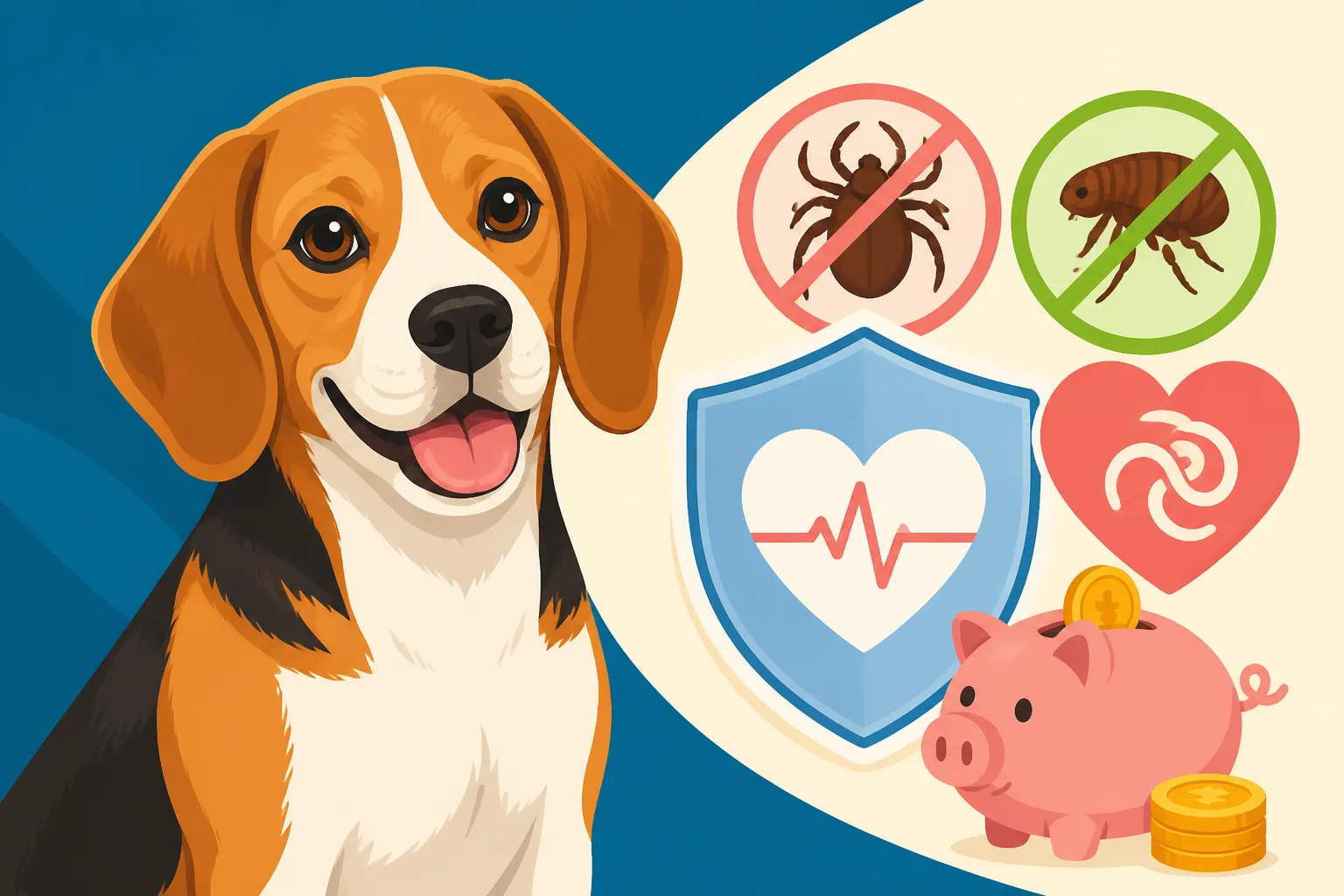
Let's look at the costs for Heartworm and Tick Prevention for a Nose-Down Beagle:
- Monthly Oral Chewables: A 6-month supply typically costs between $40 and $80. This means a year's supply would be in the range of $80 to $160.
- Injectable Prevention (ProHeart 6/12): This can be more expensive upfront but offers great convenience. ProHeart 6 (6 months of protection) might cost $70 to $120 per injection, while ProHeart 12 (12 months) could range from $120 to $200. This is injected by your vet and removes the worry of missing a monthly dose.
When choosing, consider your Beagle's temperament and your own routine. Is your Beagle good at taking pills? Are you good at remembering monthly doses? Missing even one dose can open the window for infection. The injectable option, while pricier, might offer better compliance for busy owners. Always get a prescription from your vet, and check prices at various sources – your vet clinic, local pet pharmacies, and online retailers like Chewy often offer different pricing.
Combination Products and Their Value for Beagle Owners
In the quest to keep our Beagles healthy and free of parasites, convenience often plays a huge role. That's where combination products come in – those brilliant all-in-one solutions that tackle multiple parasites with a single dose. For busy Beagle owners, these can be a game-changer, simplifying your routine and potentially offering cost savings in the long run.
All-in-One Prevention Solutions
Imagine giving your Beagle one monthly chewable that protects against fleas, ticks, heartworms, and even some intestinal parasites. Sounds pretty good, right? That's exactly what all-in-one products like Simparica Trio, Sentinel Spectrum, and Interceptor Plus (when combined with a separate tick product like NexGard) offer. These medications simplify your routine by reducing the number of different products you need to administer and remember. Instead of a topical for fleas/ticks and a separate oral for heartworm, you're streamlining everything into a single, often palatable, chew.
For a Beagle who might be wary of multiple medications, or for an owner who struggles to remember several different schedules, these combined preventatives are invaluable. They ensure comprehensive protection against the most common threats without the hassle. Plus, for a dog that spends as much time with its nose to the ground as a Beagle, protection against intestinal worms, which they can pick up from sniffing and licking contaminated soil, is an added bonus that helps maintain their overall well-being. This robust protection is crucial for active dogs and can reduce the chances of issues like Beagle Skin Allergies and Constant Itching caused by fleas.
Cost-Benefit Analysis of Combined Products
While the per-dose cost of a combination product might seem higher than buying individual flea/tick and heartworm preventatives separately, a thorough cost-benefit analysis often reveals their true value. Let's compare a hypothetical scenario:
Option 1: Separate Products
- Monthly oral flea/tick preventative: $25/month x 12 = $300/year
- Monthly oral heartworm preventative: $10/month x 12 = $120/year
- Annual heartworm test: $40
- Total Estimated Annual Cost: $460
Option 2: All-in-One Product (e.g., Simparica Trio for flea, tick, heartworm, and intestinal worm prevention)
- Monthly all-in-one chewable: $35/month x 12 = $420/year
- Annual heartworm test: $40 (still required!)
- Total Estimated Annual Cost: $460
In this simplified example, the annual cost is similar. However, the benefits of the all-in-one extend beyond just the dollar amount:
- Convenience: Fewer doses to remember, less chance of missing a critical treatment.
- Broader Protection: Many combined products also cover common intestinal parasites like roundworms and hookworms, which might require separate deworming treatments if not covered by your chosen prevention.
- Peace of Mind: Knowing your Beagle is thoroughly protected with one easy regimen can be priceless.
It's always best to discuss with your vet which combination product is most suitable for your specific Beagle's needs, lifestyle, and local parasite risks. They can help you weigh the options and find the most effective and efficient solution for your budget, keeping in mind that the best prevention is the one you consistently give.
Long-Term Financial Planning for Beagle Parasite Control
Owning a Beagle is a long-term commitment, and so is their parasite prevention. It’s not a one-off purchase but an ongoing, recurring expense that needs to be factored into your financial planning for the next decade or more. Thinking about these costs over the entire Beagle Lifespan and the Twelve to Fifteen Year Range can help you create a sustainable budget and prepare for potential unexpected expenses.
Yearly and Lifetime Estimates
Let's break down the typical annual costs for a Beagle's parasite prevention, keeping in mind the ranges we discussed.
Estimated Annual Costs:
| Item | Low Estimate (USD) | High Estimate (USD) | Notes |
|---|---|---|---|
| Flea & Tick Prevention (12 months) | $120 (topical) | $420 (oral combo) | Varies by product, form (topical/oral/collar) |
| Heartworm Prevention (12 months) | $80 | $160 | Varies by product, form (oral/injectable) |
| Annual Heartworm Test | $25 | $50 | Mandatory yearly vet visit component |
| Total Estimated Annual Cost | $225 | $630 | This doesn't include vet exam fees, just prevention. |
As you can see, the annual budget for flea, tick, and heartworm prevention for a Beagle can range quite a bit, from around $225 on the low end to over $600 per year. Now, let's consider the lifetime cost. If a Beagle lives for 12 to 15 years, you can multiply these annual figures:
- Lifetime Low Estimate (12 years): $225/year x 12 years = $2,700
- Lifetime High Estimate (15 years): $630/year x 15 years = $9,450
These are significant figures, demonstrating that parasite prevention is a substantial, unavoidable part of The Lifetime Bill for a Beagle That Reaches Fifteen. It’s not just the purchase of the medication; it’s the commitment to continuous, uninterrupted protection that truly impacts your budget over the years.
Preparing for Treatment Costs if Prevention Fails
While prevention is incredibly effective, no method is 100% foolproof, and accidents or missed doses can happen. This is why it’s crucial to also mentally (and financially) prepare for the potential cost of treating a parasite infestation or, worse, a parasite-borne disease. These treatment costs can dwarf the cost of prevention.
For instance, treating a severe flea infestation might involve multiple vet visits, specialized shampoos, professional house treatments, and medications for secondary skin infections, easily racking up hundreds of dollars. Treating tick-borne diseases like Lyme can involve weeks or months of antibiotics, follow-up blood work, and managing chronic symptoms, often costing several hundred to over a thousand dollars.
The most financially devastating is heartworm treatment. If your Beagle tests positive, the treatment protocol is intensive, lengthy, and carries risks. It typically involves multiple injections of an arsenic-based drug, pain management, strict cage rest for weeks, and follow-up tests. The cost for heartworm treatment can range from $1,000 to $5,000 or more, depending on the severity of the disease and your location. This is where pet insurance, like a plan from Healthy Paws, can really make a difference, potentially covering a significant portion of these emergency and treatment costs, illustrating why consistent prevention is also a form of insurance against financial hardship. Remember, though, that insurance rarely covers preventative medications, only treatment for conditions once they arise.
Finding Affordable Solutions Without Compromising Care
We all want the best for our Beagles, but "the best" doesn't always have to mean "the most expensive." There are smart ways to manage your parasite prevention budget without cutting corners on your Beagle's health. It’s about being an informed consumer and working closely with your veterinarian.
Generic vs. Brand-Name Medications
Just like human medicine, veterinary medicine often has generic equivalents for brand-name drugs. These generics contain the same active ingredients, dosage, and are required to meet the same strict efficacy and safety standards as their brand-name counterparts. The main difference? The price tag. Often, generic heartworm or flea/tick medications can be significantly cheaper than the well-known brands.
For example, while Heartgard Plus is a popular brand-name heartworm preventive, there might be a generic ivermectin/pyrantel combination available at a lower cost. Similarly, for flea and tick control, while brands like NexGard or Bravecto are prominent, your vet might be able to recommend a generic topical or oral equivalent that provides similar protection at a reduced price point. Always ask your vet if a generic alternative is suitable for your Beagle. They can advise you on safe and effective options that fit your budget. It’s a good conversation to have during your Beagle Vet Visit Frequency After the Age of Ten or any routine check-up.
Online Pharmacies and Vet Buying Programs
Shopping around is a smart strategy for almost any purchase, and pet medications are no exception. Online pet pharmacies have become a popular way to purchase flea, tick, and heartworm preventatives, often at prices lower than those found at your local veterinary clinic. Websites like Chewy, 1-800-PetMeds, and others frequently offer discounts, bulk pricing, and subscription services that can lead to significant savings over time. Just be sure that any online pharmacy you use requires a valid prescription from your veterinarian and is reputable and accredited to ensure you're getting genuine, safe products.
Many veterinary clinics also understand the financial burden of year-round prevention and offer their own buying programs. These might include:
- Bulk Discounts: Purchasing a 6-month or 12-month supply directly from your vet can sometimes come with a discount or a free dose.
- Rebates: Pharmaceutical companies often offer rebates directly to consumers after purchase, especially for larger quantities. Your vet clinic usually has information on these.
- Wellness Plans: Some clinics offer wellness plans that bundle routine exams, vaccinations, and sometimes even a year's supply of preventatives for a fixed monthly fee, which can help smooth out the costs.
- Local Initiatives: Don't forget to check with local animal shelters or humane societies, as they sometimes run low-cost vaccination and preventative clinics, especially around certain times of the year.
By combining the advice of your vet with smart shopping practices, you can ensure your Beagle receives consistent, high-quality parasite prevention without excessive strain on your wallet.
Disclaimer
The information provided in this article is for general informational purposes only and is not a substitute for professional veterinary advice. Always consult with a qualified veterinarian for any health concerns or before making any decisions about your Beagle's medical care, diet, or treatment.