Beagle Insurance Premiums Provider by Provider
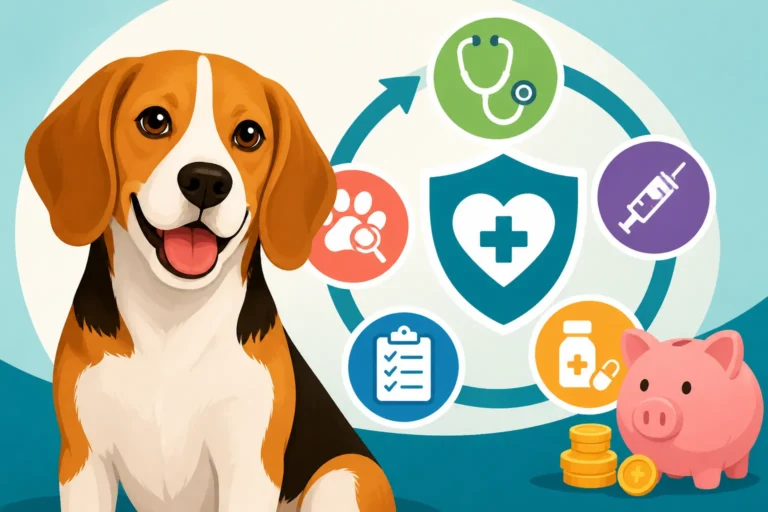
The financial worries that creep in when your beloved Beagle needs unexpected veterinary care can be absolutely overwhelming. We all dread that phone call from the vet's office, or the sudden emergency visit that drains your savings faster than a Beagle can sniff out a rogue crumb. This guide is all about navigating the sometimes confusing world of pet insurance, specifically looking at how different providers price their premiums for our wonderful, mischievous Beagles, so you can find a plan that offers genuine peace of mind without breaking the bank.
Why Beagle Insurance Is More Than Just an Option
When you bring a Beagle into your life, you're not just getting a dog; you're adopting a family member with a heart of gold, a nose for adventure, and, unfortunately, a predisposition to certain health quirks. Thinking about pet insurance isn't about hoping for the worst; it's about preparing for life's inevitable curveballs, ensuring your furry friend gets the best care no matter what.
The Unpredictable Nature of Beagle Health
Let's be real, Beagles are generally robust dogs, full of energy and zest for life. But just like us, they can face unexpected health challenges. From an accidental injury during a spirited zoomie session in the backyard to a sudden illness that requires urgent medical attention, these things happen. It’s not a matter of if but often when you'll face a significant vet bill. For instance, imagine your Beagle suddenly starts experiencing seizures. That terrifying moment can escalate into ongoing specialist visits and medication. We've talked before about Beagle Epilepsy and Seizures From Six Months On, a condition that can be heartbreaking and costly to manage throughout a dog's life. Having insurance in place can mean the difference between making difficult financial choices and simply focusing on your dog's recovery and comfort.
Beyond the sudden emergencies, Beagles are also known for certain breed-specific health issues that can pop up as they age. Conditions like Beagle Hip Dysplasia and Everyday Joint Wear or Beagle Hypothyroidism and the Weight It Puts On can develop over time, requiring consistent veterinary care, diagnostics, and potentially lifelong medication. These aren't one-off expenses; they are ongoing financial commitments. Without insurance, these cumulative costs can really add up, causing a huge strain on your budget. It's truly a common frustration among Beagle owners, feeling caught between wanting the best for their dog and the reality of escalating medical costs.
Peace of Mind for Planned and Unexpected Costs
The biggest benefit of pet insurance, beyond the financial safety net, is the sheer peace of mind it offers. When your Beagle needs care, you want to be able to say "yes" to the recommended treatment without a moment's hesitation over the cost. This applies not only to unexpected accidents or sudden illnesses but also to the general health concerns that can arise. For example, Beagle Dental Disease and Tartar Buildup is incredibly common, and professional dental cleanings under anesthesia can be surprisingly expensive. Many insurance plans offer wellness add-ons that can help offset some of these routine, yet crucial, preventative care costs.
Think about it this way: knowing you have a plan in place removes a layer of anxiety from pet ownership. You can enjoy your Beagle's playful antics and curious nose, knowing that if they ingest something they shouldn't on one of their famous scent-tracking missions – a very real possibility for our food-motivated friends – you're covered for the emergency vet visit. The ability to approve critical care, consult specialists, or get prescription medications without immediate financial panic is invaluable. It shifts the focus from your wallet to your pet's well-being, which is exactly where it should be. The goal is to provide your Beagle with the best possible Beagle Lifespan and the Twelve to Fifteen Year Range, and comprehensive care plays a huge part in that.
Understanding How Beagle Insurance Premiums Are Calculated
It can feel like you're navigating a labyrinth when trying to understand how pet insurance companies arrive at those monthly premium numbers. Why does your friend pay one price for their Doodle, and you're quoted something different for your Beagle? There are several key factors at play, and understanding them can help you make a more informed decision.
Key Factors That Influence Your Monthly Bill
Pet insurance premiums aren't one-size-fits-all. They are tailored to a variety of risk factors, much like human health insurance. One of the primary drivers is the cost of veterinary care in your specific area. If you live in a big city with high veterinary overheads, your premiums will likely be higher than someone living in a rural area with lower costs. It’s simple economics: if claims cost more in your region, premiums will reflect that. The type of plan you choose also plays a massive role. An accident-only plan will be significantly cheaper than a comprehensive accident and illness plan, which covers a much wider range of scenarios, from broken bones to serious diseases.
Beyond that, the breed of your dog is a huge consideration. While Beagles are generally healthy, they do have documented predispositions to certain conditions. For example, insurance companies look at actuarial data on claims for specific breeds. If a breed is known for expensive conditions like severe allergies or certain orthopedic issues, their premiums might be adjusted accordingly. For Beagles, issues like intervertebral disc disease (IVDD) or even the potential for Idiopathic Epilepsy in Beagles From Six Months to Six Years are taken into account. Providers also consider the gender of your dog, as some conditions are more prevalent in males or females, and whether they are spayed or neutered. Typically, spayed or neutered pets often have slightly lower premiums because they are less prone to certain reproductive organ cancers and issues like pyometra.
The Impact of Your Beagle's Age and Location
The age of your Beagle is one of the most significant factors influencing your monthly premium. As dogs get older, their risk of developing health issues naturally increases, and so does the cost of their insurance. A young, healthy Beagle puppy will generally have a much lower premium than a Senior Beagle Care After the Age of Ten. We've all seen how rapidly health needs can change as our dogs mature, and insurance companies factor that in. This is why many experienced pet owners recommend insuring your Beagle as early as possible – ideally when they are still a puppy – to lock in lower rates and ensure coverage before any conditions have a chance to develop. It's a real frustration for owners whose Beagles develop a condition like epilepsy later in life, only to find it's considered a pre-existing condition because they didn't have insurance in place beforehand, a scenario we detail in Insuring a Beagle Before an Epilepsy Diagnosis.
Your geographical location is another huge piece of the puzzle. Just like with human healthcare, the cost of veterinary care varies dramatically from one state or even one zip code to another. A vet visit in Los Angeles or New York City will likely be more expensive than one in a smaller town in the Midwest. Insurance companies use this data to adjust premiums. It's why two Beagle owners, living in different parts of the country, could have identical dogs and identical plans but vastly different monthly payments. This can be a bit of a shock when you start comparing notes with friends online, but it’s a standard practice across the insurance industry.
Diving Into Provider Options and Their Offerings
Choosing a pet insurance provider can feel overwhelming, with so many companies offering a myriad of plans. The key is to look beyond the monthly premium and truly understand what each plan offers in terms of coverage, limitations, and how it aligns with your Beagle's specific needs.
Exploring Coverage Tiers and What They Include
Most pet insurance providers offer a few different tiers of coverage, each designed to meet varying needs and budgets. The most basic is often an accident-only plan. This covers injuries from accidents like broken bones, lacerations, or if your Beagle swallows something it shouldn't – a very real risk for our curious, nose-to-the-ground companions. These plans are typically the most affordable but don't cover illnesses like infections, cancer, or chronic conditions.
Next, and most commonly chosen, are accident and illness plans. These are the comprehensive workhorses of pet insurance, covering everything from accidents to a vast array of illnesses, including common Beagle issues like allergies, ear infections (Beagle Ear Infections Under Those Long Ears), and serious conditions such as cancer or diabetes. This tier usually covers diagnostics, treatments, medications, and sometimes even alternative therapies. Within this category, you might find variations, some with more extensive coverage for specific conditions or higher limits on payouts.
Finally, some providers offer wellness add-ons or separate wellness plans. These aren't insurance in the traditional sense but rather discount programs that help cover routine care costs like annual exams, vaccinations, heartworm prevention, and sometimes even dental cleanings. While they add to your monthly premium, they can be worthwhile if you consistently utilize these services. For a breed like the Beagle, known for their love of exploring and sometimes getting into mischief, an accident and illness plan with a potential wellness add-on often provides the most robust protection.
A Look at Deductibles, Reimbursement, and Annual Limits
Beyond the type of plan, three crucial elements determine how your insurance policy actually works in practice: the deductible, the reimbursement percentage, and the annual limit.
The deductible is the amount you pay out of pocket before your insurance coverage kicks in. Most plans offer a range of deductibles, typically from $100 to $1,000 or more. A lower deductible means you pay less upfront, but your monthly premium will be higher. Conversely, a higher deductible means a lower monthly premium but a larger initial out-of-pocket expense when you make a claim. For example, if you have a $500 deductible and your Beagle needs a $2,000 surgery, you'll pay the first $500, and then your reimbursement percentage will apply to the remaining $1,500.
The reimbursement percentage is the portion of the covered vet bill that the insurance company pays back to you after you've met your deductible. Common percentages range from 70% to 90%, though some might offer 100% for an even higher premium. Using our previous example, if you have an 80% reimbursement rate on that remaining $1,500, the insurance company would pay you back $1,200. This is where you really see the value of the insurance, especially for costly procedures.
Lastly, the annual limit is the maximum amount the insurance company will pay out in covered claims within a policy year. These limits can range from $2,500 to unlimited. A higher annual limit, or an unlimited one, offers greater protection against catastrophic illnesses or multiple serious incidents, but it will also come with a higher premium. For a Beagle diagnosed with a chronic condition like Beagle Thyroid Medication Paid for Life or needing ongoing treatment for Beagle Arthritis Arriving in Middle Age, a higher annual limit can be incredibly important, as those recurring costs can quickly eat into a lower cap. Carefully consider your Beagle's potential health needs and your financial comfort level when choosing these variables.
Comparing Top Pet Insurance Providers for Beagles
When it comes to picking a provider, the landscape is rich with options, and each one has its own flavor. It's not just about the cheapest premium, but about finding a company whose coverage, customer service, and claims process truly align with your needs and your Beagle's health profile.
Healthy Paws: A Focus on Accident & Illness
Healthy Paws is consistently rated highly by pet owners, and for good reason. Their approach is straightforward: they offer one comprehensive accident and illness plan that covers a broad spectrum of conditions, including accidents, illnesses, cancer, hereditary conditions, and chronic conditions. They don't offer separate wellness plans, which means their focus is purely on unexpected medical events. For a Beagle owner, this can be incredibly appealing. If your Beagle is prone to ingesting things they shouldn't, leading to emergency vet visits, or if they develop a serious illness, Healthy Paws aims to cover a significant portion of those costs.
What sets Healthy Paws apart for many is their high reimbursement rates (often 70%, 80%, or 90%) and unlimited annual payouts on all plans. This means you don't have to worry about hitting a cap if your Beagle faces a particularly expensive or long-term health challenge. Their claims process is generally praised for being quick and efficient, often processed through their mobile app. While their premiums might be slightly higher than some budget options, the comprehensive coverage and unlimited payout often justify the cost for owners who want maximum protection for their furry family member.
Embrace Pet Insurance: Customizable Plans
Embrace Pet Insurance stands out for its flexibility, allowing owners to customize their plans to fit their budget and specific needs. They offer accident and illness plans, but with a range of deductibles (from $200 to $1,000), reimbursement percentages (70%, 80%, 90%), and annual limits (from $5,000 to $30,000). This means you can really dial in a policy that feels right for you. For example, if you know you want lower monthly payments but are comfortable with a higher deductible, Embrace allows for that adjustment.
One unique feature of Embrace is their Healthy Pet Deductible, which reduces your annual deductible by $50 for every year you don't file a claim. This is a fantastic incentive for healthy Beagles and can lead to significant savings over time. They also offer optional wellness rewards plans that can help cover routine care like dental cleanings, vaccinations, and even training costs, which can be useful for training a Beagle Recall and Why Your Voice Stops Registering. This customizable approach makes Embrace a strong contender for Beagle owners who appreciate tailoring their coverage precisely.
Lemonade Pet Insurance: Tech-Savvy Options
Lemonade, primarily known for its home and renters insurance, has brought its modern, tech-forward approach to pet insurance. Their plans are often lauded for being easy to understand and manage through their intuitive app. They offer comprehensive accident and illness plans, covering diagnostics, procedures, and medication for a wide array of conditions. For a Beagle that might develop Beagle Back Problems and Intervertebral Disc Disease and require extensive diagnostics like an MRI, Lemonade's coverage would apply.
What's particularly appealing about Lemonade for many is their rapid claims processing, often handled digitally. They also offer preventative care packages as an add-on, which can cover things like annual wellness exams, vaccinations, and even routine blood tests. For a tech-savvy Beagle owner who appreciates efficiency and transparent policies, Lemonade provides a streamlined experience. Their premiums are often competitive, and their platform makes it easy to get a quote and manage your policy on the go.
Fetch Pet Insurance: Breed-Specific Offerings
Fetch Pet Insurance (formerly Petplan) offers comprehensive accident and illness coverage with a strong emphasis on what they call "complete coverage." This includes not just accidents and illnesses, but also dental disease (up to the annual limit), behavioral therapy, physical therapy, and even virtual vet visits. This broad coverage can be a huge plus for Beagles, who might need behavioral support for issues like Beagle Separation Anxiety in a Pack Breed or physical therapy after an injury.
Fetch also pays close attention to breed-specific conditions. For Beagles, this means they are well-versed in the common ailments and structure their coverage to address them. They offer flexible deductibles, reimbursement percentages, and annual limits, allowing owners to choose what best fits their budget. Their policy includes coverage for things like hydrotherapy and acupuncture, which can be beneficial for an aging Beagle experiencing Beagle Arthritis That Starts in Middle Age. The combination of extensive coverage and a deep understanding of breed-specific health concerns makes Fetch a strong option for many Beagle families.
Here's a quick comparison of some popular providers, keeping in mind that actual premiums will vary based on your specific details:
| Provider Name | Plan Type | Deductible Range | Reimbursement Rates | Annual Limit Range | Key Feature for Beagles |
|---|---|---|---|---|---|
| Healthy Paws | Accident & Illness | $100 – $1,000 | 70%, 80%, 90% | Unlimited | Unlimited payouts, ideal for chronic conditions like epilepsy or cancer. |
| Embrace | Accident & Illness | $200 – $1,000 | 70%, 80%, 90% | $5,000 – $30,000 | Healthy Pet Deductible reduces by $50 for no claims, customizable. |
| Lemonade | Accident & Illness | $100 – $1,000 | 70%, 80%, 90% | $2,500 – Unlimited | Tech-savvy claims process, affordable preventative add-ons. |
| Fetch | Accident & Illness | $300 – $1,000 | 70%, 80%, 90% | $5,000 – $15,000 | Broad coverage including dental, behavioral, and physical therapy. |
| Pets Best | Accident-Only, A&I, Wellness | $50 – $1,000 | 70%, 80%, 90%, 100% | $5,000 – Unlimited | Flexible options, offers a 100% reimbursement plan. |
| Spot | Accident & Illness | $100 – $1,000 | 70%, 80%, 90% | $2,500 – Unlimited | Wide range of deductible/reimbursement/annual limit combinations. |
Please note: This table provides general information. Premiums, specific coverage details, and availability can vary significantly based on your location, your Beagle's age, and other individual factors. Always get a personalized quote.
When considering pet insurance, many owners also look at wider pet care resources. Retailers like Chewy, for instance, not only offer a vast selection of pet supplies and food (including specialized diets for sensitive Beagles) but also often partner with insurance providers or offer their own pet health programs, making it a convenient one-stop-shop for managing your pet's needs. Similarly, if you're exploring high-quality food options like Ollie, ensuring you have insurance for other health costs frees up your budget for optimal nutrition.
Navigating Policy Exclusions and Waiting Periods
This is often where the "fine print" of pet insurance can cause the most frustration and heartbreak. It's easy to get excited about the potential savings, but if you don't understand what isn't covered or when your coverage actually begins, you could be in for a rude awakening.
The Frustration of Pre-Existing Conditions
Perhaps the most common and often painful exclusion in pet insurance policies revolves around pre-existing conditions. Simply put, a pre-existing condition is any illness or injury your Beagle had before your policy's effective date or during its waiting period. This is true for all pet insurance providers; they will not cover conditions that were present, diagnosed, or showing symptoms before you signed up. This rule is a major source of angst for many pet owners, especially when they finally decide to get insurance after a health scare.
For a Beagle, this could mean that if your dog showed signs of a limp before you got insurance, and it later developed into Beagle Hip Dysplasia and Everyday Joint Wear, that condition would be excluded. Similarly, if your Beagle had its first seizure, even if undiagnosed, before you purchased a policy, any subsequent seizure treatments for Beagle Epilepsy and Seizures From Six Months On would likely not be covered. This is precisely why getting insurance when your Beagle is young and healthy is so critical. It locks in coverage for potential future conditions before they become "pre-existing." Some providers do have rules around "curable" pre-existing conditions, where if a condition resolves and has no recurrence for a certain period (e.g., 180 days to 12 months), it might become eligible for coverage. However, chronic issues like diabetes or certain allergies are almost always permanently excluded if they were present before enrollment. It’s a harsh reality, but an important one to understand upfront.
Understanding Waiting Periods Before Coverage Kicks In
Another critical aspect to grasp is the waiting period. This is the amount of time that must pass from your policy's effective date before your coverage actually begins. You can pay your first premium, but you won't be able to file claims for a set period. Waiting periods vary by provider and by the type of coverage.
Most companies have:
- Accident Waiting Periods: These are usually quite short, often 2-14 days. This means if your Beagle gets hit by a car three days after your policy starts, and the waiting period is 14 days, that accident won't be covered. This is a crucial detail, especially for active Beagles prone to mishaps.
- Illness Waiting Periods: These are typically longer, ranging from 14-30 days. If your Beagle shows signs of an illness, like a persistent cough, and you visit the vet within this waiting period, any diagnosis or treatment for that illness will likely be excluded.
- Orthopedic Waiting Periods: Some providers have extended waiting periods specifically for orthopedic conditions (like hip or knee issues), sometimes 6 months or even a year. This is to prevent people from signing up only after noticing a subtle limp that could indicate a developing condition. For a Beagle, with its slightly longer back and potential for disc issues, knowing these waiting periods is vital.
It’s an understandable frustration for owners; you pay for insurance, but it doesn't immediately cover everything. However, waiting periods are a necessary mechanism for insurance companies to prevent fraudulent claims and ensure the health of the pet is genuinely unknown at the time of policy purchase. Always confirm these waiting periods with any provider you're considering to avoid any unwelcome surprises down the line.
Tips for Lowering Your Beagle's Insurance Premiums Without Sacrificing Coverage
Finding the sweet spot between affordable premiums and adequate coverage is the goal for every Beagle owner. Thankfully, there are several strategies you can employ to bring down your monthly cost without leaving your furry friend vulnerable.
Adjusting Your Deductible and Reimbursement Rates
This is one of the most direct ways to influence your premium. As we discussed, a higher deductible will almost always result in a lower monthly premium. If you have a solid emergency fund set aside for your Beagle, you might feel comfortable choosing a higher deductible (e.g., $500 or $1,000) knowing that you can cover that initial out-of-pocket expense when a claim arises. This allows you to save on monthly payments, which can really add up over a year. For example, if you pick a $1,000 deductible over a $250 one, your premium could drop by $10-$20 a month, saving you $120-$240 annually.
Similarly, adjusting your reimbursement rate can have an impact. Opting for an 80% reimbursement instead of 90% will slightly lower your premium, as the insurance company is paying out less. Choosing 70% will lower it further. This is a trade-off you need to consider based on your personal finances. Are you comfortable paying 20% or 30% of a large vet bill, or do you prefer the peace of mind of a higher reimbursement, even if it means a slightly higher monthly cost? For long-term chronic conditions, like those requiring Lifetime Costs of Beagle Seizure Medication, that extra 10% reimbursement can translate into significant savings over the years. Play with these numbers on different provider websites to see how they impact your specific quotes.
Bundling Policies and Exploring Discounts
Many insurance companies offer discounts that can help reduce your premiums. One common discount is for multi-pet households. If you have two Beagles, or a Beagle and another pet, insuring both with the same provider often qualifies you for a discount on each policy. This makes sense for the insurance company, and it can be a great way to save money if your household is full of furry friends. Some companies also offer discounts for paying annually instead of monthly, as it reduces administrative costs for them. If you can afford to pay the full year's premium upfront, this can often save you a small percentage (e.g., 5-10%).
Additionally, check for discounts related to your employer, military service, or specific affiliations. Some employers offer pet insurance as part of their benefits package, often at a group rate. Veterinary professionals might also receive discounts. Always ask about any available discounts when getting a quote. Another often overlooked factor that can influence your premium is promoting good health and preventative care. Keeping your Beagle at a healthy weight, for example, can prevent conditions like Beagle Obesity Treated as a Health Problem, which in turn reduces the likelihood of expensive claims for associated issues like diabetes or joint problems. While this doesn't directly lower your quoted premium, it helps you avoid future costs and ensures your Beagle lives a longer, healthier life, which is truly the best form of savings.
Remember, finding the right pet insurance for your Beagle is a personal decision, but by understanding these factors and exploring different providers and options, you can make an informed choice that protects both your beloved companion and your wallet.
Disclaimer
This article is for general informational purposes only and does not constitute professional advice. Laws, prices and regulations vary by location and change over time. Consult a qualified professional for guidance on your specific situation.