Beagle Dental Disease and Tartar Buildup
That distinctive beagle curiosity, the way they sniff out every single interesting scent, unfortunately, doesn't extend to diligently brushing their own teeth. Many of us beagle parents face the same frustrating reality: our beloved hounds, with their legendary noses and lovable personalities, often develop some pretty gnarly dental issues, including that stubborn tartar buildup that leads to truly awful breath and much worse. This comprehensive guide is here to walk you through everything you need to know about beagle dental disease, how to prevent it, and what to do when it inevitably creeps up.
Understanding Beagle Dental Disease: More Than Just Bad Breath
It’s easy to dismiss a bit of bad breath or some yellowish teeth in your beagle as just part of being a dog. After all, they’re always sniffing questionable things and sometimes eating stuff they shouldn’t. But dental disease in beagles is far more than a cosmetic issue or a minor annoyance. It’s a progressive and painful condition that can significantly impact their overall health and well-being, often going unnoticed until it becomes severe.
The Silent Threat: What Dental Disease Really Is
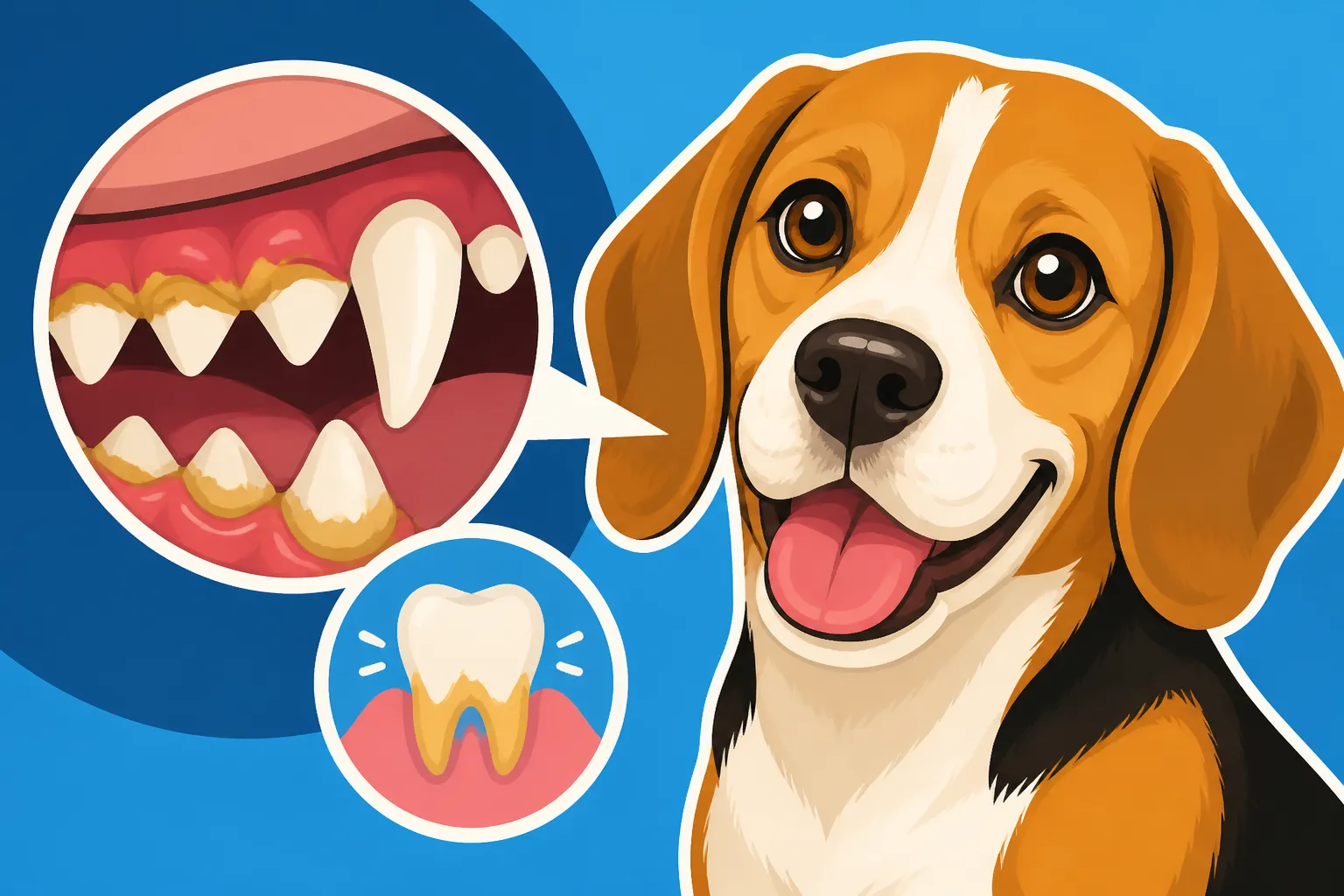
At its heart, dental disease in dogs, including our beagles, is a fancy term for periodontal disease. This isn't just about a cavity, like in humans. It's an inflammatory condition affecting the structures supporting the teeth: the gums, the bone, and the ligaments that hold each tooth in place. It starts with a buildup of bacteria in the mouth, forming plaque, which then hardens into tartar. This rough surface is a perfect breeding ground for more bacteria, irritating the gums and leading to gingivitis – a reversible inflammation of the gums.
The real trouble begins when gingivitis isn't addressed. The inflammation progresses, affecting deeper tissues and leading to periodontitis. This is where things get serious and painful. The gums pull away from the teeth, creating pockets where more bacteria thrive, eroding the bone and tissue that support the teeth. Imagine having a constant, low-grade infection in your mouth that slowly eats away at the foundation of your teeth. That's what many beagles experience. Because beagles often have a strong chew drive, they might seem to be naturally cleaning their teeth, but many chews only scrape the surface and can't reach below the gum line where periodontal disease truly takes hold. Genetically, some breeds are more prone to dental issues, and while beagles aren't typically cited as the absolute worst, their generally long lifespans mean they have plenty of time for issues to develop if not properly managed, potentially shortening their otherwise healthy Beagle Lifespan and the Twelve to Fifteen Year Range.
How Tartar Builds Up on Beagle Teeth
Tartar, also known as dental calculus, is the hard, brownish or yellowish substance you might see accumulating on your beagle's teeth, especially near the gum line. It all starts innocently enough with plaque. Every time your beagle eats, microscopic food particles and bacteria mix with saliva to form a sticky, colorless film called plaque. This film adheres to the tooth surfaces, especially where the tooth meets the gum and in the crevices of the back molars.
If plaque isn't removed regularly through mechanical action (like brushing or effective chewing), it begins to mineralize. Saliva contains minerals like calcium that, over time, combine with the plaque to harden it into tartar. Once tartar forms, it's virtually impossible to remove with a toothbrush alone. It's incredibly tenacious, acting like a protective shield for the bacteria underneath, allowing them to continue their destructive work on the gums and supporting structures of the teeth. For many beagles, who are known for their strong appetites, rapid eating can also contribute to less "scrubbing" action from their food, as they often gulp down their meals rather than thoroughly chewing. The constant cycle of eating and saliva production means that without intervention, tartar will continue to accumulate steadily, setting the stage for significant dental problems if no proactive measures are taken.
Recognizing the Early Signs of Dental Trouble in Your Beagle
Catching dental disease early can save your beagle a lot of pain and save you a lot of money in veterinary bills. Unfortunately, dogs are masters at hiding pain, a survival instinct that makes it hard for us to know when something is wrong. That's why it's so important to be vigilant and know what to look for, even if your beagle seems perfectly happy and is still devouring their dinner.
What to Look For: Visible Clues and Subtle Changes
The most obvious sign of dental disease is often the one that hits us first: truly offensive breath. If your beagle's breath makes you wince, it's a strong indicator that bacteria are thriving in their mouth, a classic symptom of Beagle Bad Breath Coming From the Tooth Roots. This isn't just "dog breath"; it's a foul odor that goes beyond normal. Beyond the smell, visually inspect their teeth and gums. Look for red, swollen, or bleeding gums, especially along the gum line where the tooth meets the tissue. Healthy gums should be a pale pink, not angry red. You might also see visible tartar – those hard, brownish deposits on the tooth surface. It often starts on the canine teeth and the large molars in the back.
Beyond these visible cues, pay attention to subtle changes in your beagle's behavior. Are they hesitating to chew on their favorite hard toys? Are they dropping food while eating or showing a preference for softer foods over kibble? Sometimes, a beagle with dental pain might only chew on one side of their mouth or rub their face with a paw. They might become less interested in playing fetch or engage in less vigorous play if moving their jaw causes discomfort. In more advanced cases, you might notice drooling, weight loss (because eating is too painful), or even swelling on one side of the face if an abscess has formed. It's these subtle shifts that often clue us in before the problem becomes undeniable.
When to Consult Your Veterinarian About Your Beagle's Mouth
The truth is, if you're noticing any of the signs we just talked about – especially bad breath or visible tartar – it's already time for a vet visit. Waiting until your beagle is in obvious pain, like refusing to eat or showing facial swelling, means the disease has likely progressed to a severe and more complicated stage. Think of it like this: if you had a toothache, you wouldn't wait until your face swelled up to see a dentist, right? Your beagle deserves the same proactive care.
Your veterinarian can conduct an oral examination to assess the extent of the dental disease. During a routine wellness check, they'll often lift your beagle's lips to get a look at the teeth and gums. They might recommend a professional dental cleaning, which we'll discuss in more detail shortly. These routine checks are crucial, and many vets include a basic dental assessment as part of your beagle's annual Beagle Routine Vet Costs Across a Year. Don't be afraid to ask your vet specifically about your beagle's dental health at every visit. They can guide you on the best preventive strategies and when it's appropriate for their When a Beagle Needs Its First Dental Cleaning. Early intervention is key to managing dental disease and preventing it from escalating into more serious conditions that could lead to tooth extractions or even systemic health problems.
Proactive Home Dental Care for Your Beagle
While professional cleanings are essential, the bulk of dental health maintenance happens at home, just like with our own teeth. This is where we, as beagle parents, can make the biggest difference in slowing down tartar buildup and keeping our dogs comfortable. It takes commitment, but the payoff in their health and happiness is immense.
The Gold Standard: Brushing Your Beagle's Teeth
Let's be real: convincing a beagle, known for their independent streak and devotion to all things sniffing, to sit still for a toothbrush can be a challenge. But brushing is, without a doubt, the most effective way to remove plaque before it hardens into tartar. Aim for daily brushing, or at least several times a week. You'll need a dog-specific toothbrush (finger brushes work well for some, or a brush with an angled head) and enzymatic dog toothpaste. Never use human toothpaste, as it contains xylitol and fluoride which are toxic to dogs.
Start slowly and make it a positive experience. Let your beagle lick the toothpaste off your finger first to get used to the taste. Then, gently introduce the brush to just one or two teeth, focusing on the outside surfaces, especially the canines and molars, as that's where plaque accumulates fastest. Reward generously with praise and a small, healthy treat afterward. The goal isn't perfection, especially not at first, but consistent, gentle exposure. Slowly increase the number of teeth you brush over several sessions. Many beagles, being food-motivated, can be trained to accept brushing if it's paired with delicious dog toothpaste and a reward. Consistency is your biggest ally here; even a quick 30-second brush is better than nothing, and it all adds up to better long-term oral health.
Dental Chews, Water Additives, and Other Aids
Beyond brushing, there are several other products that can help in your home dental care routine, though none replace brushing entirely. Dental chews are a popular option, designed with specific shapes and textures to scrape plaque off the tooth surface as your beagle chews. Look for products approved by the Veterinary Oral Health Council (VOHC), which means they meet standards for reducing plaque and/or tartar. Brands like Greenies, Oravet Dental Chews, and Virbac C.E.T. VeggieDents are often recommended. However, be mindful of your beagle’s chewing style; a chew that’s gone in two seconds offers little benefit. Also, always supervise your beagle with chews to prevent choking, and avoid anything too hard (like antlers or real bones) that could fracture a tooth.
Water additives can also be helpful. These are liquids you add to your beagle's drinking water, containing ingredients designed to reduce bacteria in the mouth or break down plaque. While they are easy to use, their effectiveness can vary, and they won't clean existing tartar. Dental wipes are another option for dogs who resist brushing but tolerate having their gums and teeth wiped. They offer some mechanical removal of plaque from the surfaces they touch. Finally, some toys are designed with dental nubs or textures. While they contribute minimal cleaning, they can be part of a multi-pronged approach to maintaining oral health. Remember, these are aids, not standalone solutions.
The Role of Diet in Preventing Tartar Buildup
What your beagle eats can also play a significant role in their dental health. While kibble alone often isn't enough to prevent tartar, certain specialized dental diets are formulated specifically to help. These diets, like Hill's Prescription Diet T/D Dental Care or Royal Canin Dental Dry Dog Food, typically feature larger kibble sizes and a unique fiber matrix that scrubs the tooth surface as the dog chews. This mechanical action helps reduce plaque and tartar buildup on the outer surfaces of the teeth.
In contrast, soft, wet foods generally offer no abrasive action and can even contribute to plaque accumulation if particles stick to the teeth. If your beagle is on a wet food diet, or if you incorporate wet food as a topper, it makes diligent brushing even more critical. For beagles who tend to inhale their food, a slow feeder can also encourage more chewing, which can offer a slight benefit, but again, it’s not a substitute for active dental care. Furthermore, managing your beagle's overall weight, as discussed in Beagle Obesity Treated as a Health Problem, can indirectly support dental health, as healthier dogs tend to have healthier mouths. Always discuss dietary changes with your vet, especially if you're considering a prescription dental diet, to ensure it's appropriate for your beagle's specific needs and health status.
Professional Dental Cleanings: When and Why Your Beagle Needs Them
Even with the best home care, most beagles will eventually need a professional dental cleaning. Just like we go to the dentist for a deep clean and check-up, our dogs benefit from a thorough veterinary dental procedure. It’s the only way to remove hardened tartar and address issues below the gum line that we can’t see at home.
What Happens During a Professional Dental Cleaning
A professional dental cleaning for a beagle is a much more involved procedure than what we do with a toothbrush at home. Crucially, it's performed under general anesthesia. This isn't just for comfort; it allows the veterinary team to thoroughly and safely examine every tooth, probe under the gum line, and clean both above and below the gums without causing stress or pain to your dog. During the procedure, your beagle will have pre-anesthetic blood work done to ensure they are healthy enough for anesthesia, and they will be continuously monitored by a dedicated veterinary nurse.
Once safely under anesthesia, the real work begins. The vet or vet technician will use ultrasonic scalers, similar to those human dentists use, to remove tartar from the tooth surfaces and, most importantly, from below the gum line. This subgingival cleaning is critical, as this is where the most damaging periodontal disease often occurs. After scaling, the teeth are polished to smooth out any microscopic etches left by the scaling, which helps prevent new plaque from adhering quickly. The vet will also perform a full oral exam, probing for pockets, checking for loose teeth, and taking dental X-rays to assess the health of the tooth roots and jawbone – issues that are invisible to the naked eye. If severe disease or damage is found, extractions may be necessary. This thorough process ensures that underlying problems, like tooth root abscesses or bone loss, are identified and treated, ultimately preventing future pain for your beagle. Many beagle parents are surprised by the extent of what goes into a Beagle Dental Cleaning Under Anesthesia.
Understanding Anesthesia and Its Risks for Beagles
One of the biggest concerns for many beagle owners when their vet recommends a dental cleaning is the anesthesia. It's completely normal to feel apprehensive about your dog going under. However, modern veterinary anesthesia is incredibly safe, especially compared to what it was even a decade ago. Veterinary clinics take extensive precautions to minimize risks. Before the procedure, your beagle will undergo a thorough physical exam and often pre-anesthetic blood tests. These tests help identify any underlying health issues, like kidney or liver problems, that could increase anesthetic risk.
During the procedure itself, your beagle will be continuously monitored by a trained veterinary professional. This monitoring includes checking heart rate, respiratory rate, blood pressure, oxygen saturation, and body temperature. IV fluids are typically administered to help maintain blood pressure and support organ function. While no anesthetic procedure is entirely without risk, the benefits of addressing severe dental disease almost always outweigh these minimal risks, particularly when the alternative is ongoing pain, infection, and potential systemic disease for your beagle. In fact, ignoring advanced dental disease can pose far greater health risks in the long run than a carefully managed anesthetic procedure. If you have concerns, don't hesitate to ask your vet to walk you through their specific anesthetic protocols and monitoring practices.
The Cost and Long-Term Benefits of Regular Cleanings
The cost of a professional dental cleaning can vary significantly based on your location, the veterinary clinic, and the extent of the work needed (e.g., whether extractions are required). Generally, you can expect to pay anywhere from a few hundred to over a thousand dollars, especially if your beagle needs multiple extractions or specialized care. While this might seem like a significant expense upfront, consider it an investment in your beagle's long-term health and comfort.
Regular, proactive dental cleanings can actually save you money in the long run. By preventing severe periodontal disease, you can avoid more costly and invasive procedures like multiple Beagle Tooth Extractions in Old Age or treatment for systemic infections that originate in the mouth. Beyond the financial aspect, the benefits to your beagle's quality of life are immeasurable. A healthy mouth means no chronic pain, no ongoing infection, and a better ability to eat and enjoy life. Think of it as protecting their overall well-being, allowing them to live out their full Beagle Lifespan and the Twelve to Fifteen Year Range in comfort. Investing in pet insurance, such as a plan from Healthy Paws, can also help mitigate the financial impact of unexpected dental procedures, covering a portion of the costs for unforeseen extractions or other treatments if the condition isn't pre-existing. It's smart planning for a breed that lives so long.
Here's a quick comparison of some common dental care options:
| Dental Care Method | Primary Benefit | Frequency | Typical Cost (Estimated) | Effectiveness for Tartar Removal |
|---|---|---|---|---|
| Daily Brushing | Prevents plaque, freshens breath | Daily | Low (toothpaste, brush) | High (plaque), Low (existing tartar) |
| Dental Chews (VOHC) | Reduces plaque/tartar surface | Daily to Several/Week | Moderate (ongoing purchase) | Moderate (surface only) |
| Water Additives | Reduces oral bacteria | Daily | Low (ongoing purchase) | Low (no mechanical cleaning) |
| Specialized Dental Diet | Mechanical cleaning during eating | Daily | High (premium food cost) | Moderate (surface only) |
| Professional Cleaning | Removes tartar, addresses disease | Annually/Biennially | High (procedure cost) | Very High (above & below gumline) |
Note: Costs are estimates and can vary widely. Effectiveness is for typical use; always consult your vet for personalized advice.
Connecting Dental Health to Overall Beagle Wellness
It might seem strange to link your beagle's teeth to their heart or kidneys, but the mouth is not an isolated system. What happens in your beagle's mouth can, and often does, have far-reaching effects on their entire body. This connection underscores why dental health is so critical to their overall wellness.
Systemic Health Issues Linked to Poor Oral Hygiene
The primary concern with untreated dental disease is the constant presence of bacteria and inflammation in the mouth. These bacteria don't just stay put; they can enter the bloodstream, especially when your beagle chews, eats, or if their gums are bleeding. Once in the bloodstream, these bacteria can travel to vital organs and cause serious problems.
One of the most concerning links is to heart disease. Bacteria from the mouth can settle on the heart valves, leading to infections and inflammation that can worsen existing heart conditions or even contribute to the development of new ones. Similarly, the kidneys and liver, which are responsible for filtering toxins and waste from the blood, can also be affected by chronic bacterial exposure, potentially leading to or exacerbating organ dysfunction. Studies have shown a clear correlation between severe periodontal disease and systemic health issues. It's a silent threat that can chip away at your beagle's health, leading to more complex and expensive medical interventions down the line. Maintaining good oral hygiene is a simple, yet powerful, way to protect your beagle from these serious, whole-body consequences.
Addressing Specific Beagle Dental Challenges
While dental disease is common across all dog breeds, some specific factors can influence its progression in beagles. Their generally good appetite and tendency to gulp food, for example, mean they might get less natural "scrubbing" from their kibble compared to a dog that chews meticulously. Their long, floppy ears, while adorable, are primarily a concern for Beagle Ear Infections Under Those Long Ears, but maintaining overall hygiene can contribute to their comfort. Beagles, known for their love of food, can also be prone to obesity if not carefully managed. Beagle Obesity Treated as a Health Problem isn't just a separate issue; excess weight can contribute to inflammatory conditions throughout the body, potentially making them more susceptible to the inflammatory cascade that is part of periodontal disease.
As beagles age, their dental health naturally becomes a greater concern. Older beagles may have accumulated more tartar over the years, and their immune systems might not be as robust, making them more vulnerable to infection. This highlights the importance of continued vigilance and potentially more frequent professional dental check-ups and cleanings as part of Senior Beagle Care After the Age of Ten. Additionally, genetics can play a role; some individual beagles may simply be more prone to tartar buildup or gum disease. Regardless of these predispositions, a consistent, multi-pronged approach combining home care and regular professional veterinary attention is the best defense against dental disease throughout your beagle's life.
Crafting a Lifetime Dental Care Plan for Your Beagle
Dental care isn't a one-time fix; it's a lifelong commitment that evolves as your beagle ages. Creating a comprehensive plan that integrates various strategies will provide the best protection against dental disease and support their overall health for years to come.
A Multi-Pronged Approach for Optimal Health
The most effective dental care plan for your beagle will combine several different strategies, each playing a vital role. Firstly, daily or near-daily tooth brushing remains the cornerstone of home care. This mechanical action is unparalleled in removing plaque before it hardens. Secondly, incorporate VOHC-approved dental chews or a prescription dental diet as supplements, offering additional abrasive action or plaque-inhibiting ingredients. These can make a noticeable difference when used consistently.
Thirdly, regular veterinary check-ups are non-negotiable. Your vet will monitor your beagle's oral health, identify early signs of trouble, and recommend professional dental cleanings as needed. These cleanings, under anesthesia, are essential for removing established tartar and addressing issues below the gum line. A good schedule might involve annual check-ups with your vet, who can then advise if your beagle needs a professional cleaning every year, or perhaps every two years, depending on their individual needs, genetics, and how diligent you are with home care. Remember, every beagle is an individual, and their dental care plan should be customized. What works perfectly for one beagle might need adjustments for another. Don't hesitate to work closely with your veterinarian to develop and refine this plan. When unexpected issues arise, having a safety net like Healthy Paws pet insurance can be a huge relief, covering unforeseen dental procedures that might be required due to accident or illness, rather than routine cleaning.
Maintaining Vigilance and Adapting as Your Beagle Ages
Just like us, a beagle's health needs change over time, and their dental care plan needs to adapt accordingly. What was effective for a young adult beagle might not be sufficient for a senior. As your beagle moves into their golden years, typically after the age of ten, you might find that tartar accumulates faster or that they become more susceptible to gum disease. This could mean your vet recommends more frequent dental check-ups or even more regular professional cleanings.
It's crucial to maintain vigilance throughout your beagle's life. Continue to check their mouth regularly for any new lumps, bumps, changes in gum color, or excessive drooling. Pay attention to any shifts in their eating habits or interest in toys. If they start dropping food more often, seem hesitant to eat hard kibble, or become sensitive around their mouth, it's a clear signal to consult your vet. As discussed in Senior Beagle Care After the Age of Ten, managing pain and discomfort becomes paramount for older dogs, and dental pain is often overlooked. Dental disease is a progressive condition, but with consistent home care, regular veterinary oversight, and a willingness to adapt your approach, you can help ensure your beagle enjoys a healthy, pain-free mouth throughout their entire life.
Disclaimer
The information provided in this guide is for general educational purposes only and should not be considered a substitute for professional veterinary advice. Always consult with a qualified veterinarian for any health concerns or before making any decisions related to your beagle's care, diet, or treatment.