Checking a Beagle for Ticks After Every Walk
There’s nothing quite like watching your Beagle follow a fascinating scent trail, nose to the ground, tail wagging like a tiny flag. But that joy can quickly turn to anxiety when you realize just how many hidden dangers lurk in that tempting undergrowth—especially ticks. These tiny arachnids are more than just a creepy crawly; they're vectors for serious diseases that can make your beloved hound very sick. This comprehensive guide will walk you through everything you need to know about thoroughly checking your Beagle for ticks after every outdoor adventure, as well as how to remove them safely and prevent future encounters.
Why Ticks Are Such a Big Deal for Beagles (and for You!)
For us Beagle owners, the low-to-the-ground sniffing and bush-diving antics are part of their charm. But it also means they are perfectly designed tick magnets. Ticks hang out on grass blades and low shrubs, just waiting for a host to brush by, and a Beagle’s intense curiosity puts them right in the tick's path. It's not just about the gross-out factor of finding one; it's about what that tick might be carrying.
The Health Risks That Come with a Tick Bite
A single tick bite, if it goes unnoticed or is removed too late, can transmit a host of nasty diseases. We're talking about things like Lyme disease, anaplasmosis, ehrlichiosis, and Rocky Mountain spotted fever. These aren't just minor inconveniences; they can lead to chronic pain, joint issues, lethargy, fever, and even kidney damage or neurological problems. Imagine your normally boisterous Beagle suddenly too tired to play, limping, or running a fever – that's the kind of worry a tick-borne illness can bring. The insidious part is that symptoms might not show up for weeks, making it hard to connect them back to that one walk you took a while ago. This is why vigilance is absolutely paramount. It's not just about protecting your dog; it's about protecting your peace of mind and your wallet from potentially hefty vet bills.
Where Ticks Like to Hide on a Beagle's Body
Ticks are masters of stealth, seeking out warm, dark, and somewhat protected areas on your dog's body. A Beagle's unique physical characteristics provide ample hiding spots. Those long, floppy ears? Prime real estate for ticks. The loose skin around their neck and chest? Another favorite. Don't forget their armpits and groin area, where body heat is plentiful and the skin is soft. Their dense double coat can also make them hard to spot, especially if your Beagle has a dark coloring. Even between their toes and on their paw pads are common spots, particularly if they’ve been trampling through tall grasses or wooded trails. When you consider how much time a Beagle spends with its nose to the ground, pushing through undergrowth, it's easy to see how a tick can quickly latch on and start its feast before you even know it's there. Always remember to check those ears, as Beagle Ear Infections and the Drooping Ear Flap are already a common concern, and a tick bite could complicate matters.
Your Post-Walk Tick Check Routine: A Step-by-Step Guide
Establishing a consistent and thorough tick-checking routine after every outdoor excursion is the single best way to protect your Beagle. It needs to become as automatic as removing their leash. Don't just give them a quick once-over; you need to feel for these tiny invaders.
Gathering Your Tick-Checking Toolkit
Before you even start, make sure you have the right tools at hand. Being prepared makes the process smoother and more effective, especially if you find a tick that needs immediate removal.
Here's what you'll want in your tick-checking arsenal:
- Disposable Gloves: Always a good idea for hygiene and to avoid direct contact with the tick.
- Fine-Tipped Tweezers or a Dedicated Tick Remover Tool: Regular blunt tweezers can squeeze the tick's body, potentially injecting more disease-causing agents into your dog. Fine-tipped ones allow you to grasp the tick close to the skin. There are also specific tick removal tools, often small levers or hooks, that are designed to safely lift the tick out. You can find excellent options on sites like Amazon or Chewy.
- Antiseptic Solution or Rubbing Alcohol: For cleaning the bite site after removal.
- Small Sealable Container (e.g., a pill bottle or small jar) with Rubbing Alcohol: This is for disposing of the tick once it's removed. The alcohol will kill it. Don't just crush it or flush it!
- A Bright Light or Headlamp: Especially helpful if your Beagle has a dark coat or for checking in poorly lit areas of their body.
| Tick Removal Tool Type | Pros | Cons | Best Use |
|---|---|---|---|
| Fine-Tipped Tweezers | Easily accessible, precise for small ticks | Can squeeze body if not used carefully, risk of leaving head | General-purpose, good for visible ticks |
| Tick Removal Hook/Lever | Designed to cradle tick, minimizes squeezing, easy twist/lift | May be less effective on very small or engorged ticks, requires practice | Ticks of varying sizes, user-friendly once mastered |
| Tick Card | Flat, portable, good for sliding under tick | Less leverage than hooks, can be tricky with deeply embedded ticks | Quick removal on the go, credit card sized |
The Systematic Head-to-Tail Inspection
This isn't a quick pat-down; it's a methodical exploration. Find a quiet, well-lit spot where your Beagle is relaxed. A treat or two during the process can make it a positive experience for them.
- Start at the Head and Face: Gently run your fingers over their entire head. Pay close attention to the outside and inside of their ears. Lift those long ear flaps and check the folds and crevices. Ticks love this spot. Examine their muzzle, around their eyes, and under their chin.
- Move to the Neck and Throat: Feel all around their neck, especially where their collar sits (or would sit). Beagles often have loose skin here, which ticks exploit.
- Check the Chest and Front Legs: Work your way down their chest, feeling for any bumps. Extend to their front legs, moving your fingers against the direction of hair growth. Don't forget their armpits!
- Inspect the Paws: Spread their toes apart and check in between them and on their paw pads. This is crucial if your Beagle loves to sniff and explore rough terrain.
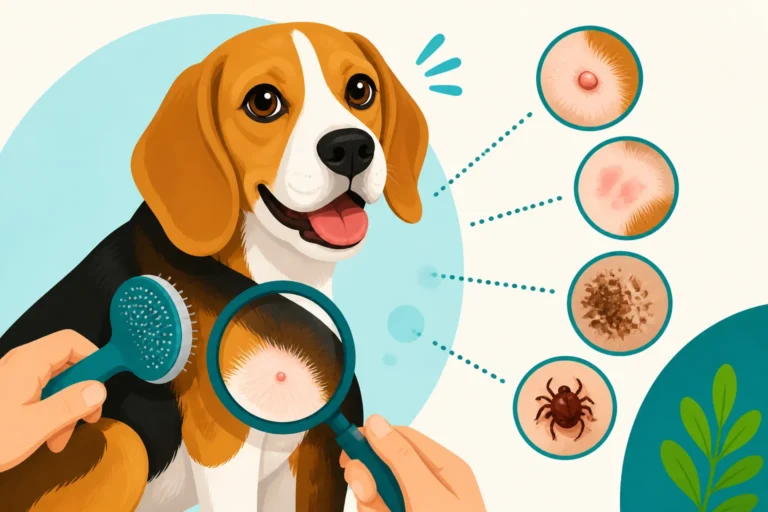
- Go Over the Body and Back: Systematically feel every inch of their back, sides, and belly. Part the fur with your fingers, looking and feeling for any raised bumps. Ticks can range in size from a poppy seed to a small grape if engorged.
- Don't Forget the Underside: Have your Beagle lie down if possible. Check their groin area, tummy, and under their tail. This is another hotspot for ticks seeking warmth and protection.
- Examine the Tail: Run your hands from the base of their tail all the way to the tip.
While you're feeling, don't just look for ticks you can see. Feel for them. A tick often feels like a small bump, a skin tag, or a tiny scab that shouldn't be there. If you find something suspicious, part the fur for a closer look. Remember, a quick, consistent check after every walk, even short ones, drastically reduces the risk.
What to Do If You Find a Tick on Your Beagle
Finding a tick can be alarming, but don't panic! The key is to remove it quickly and correctly to minimize the chance of disease transmission. Most tick-borne diseases require the tick to be attached for at least 24-48 hours to transmit infection.
Safe and Effective Tick Removal
Once you've spotted a tick, follow these steps carefully:
- Don Your Gloves: Protect yourself from potential pathogens.
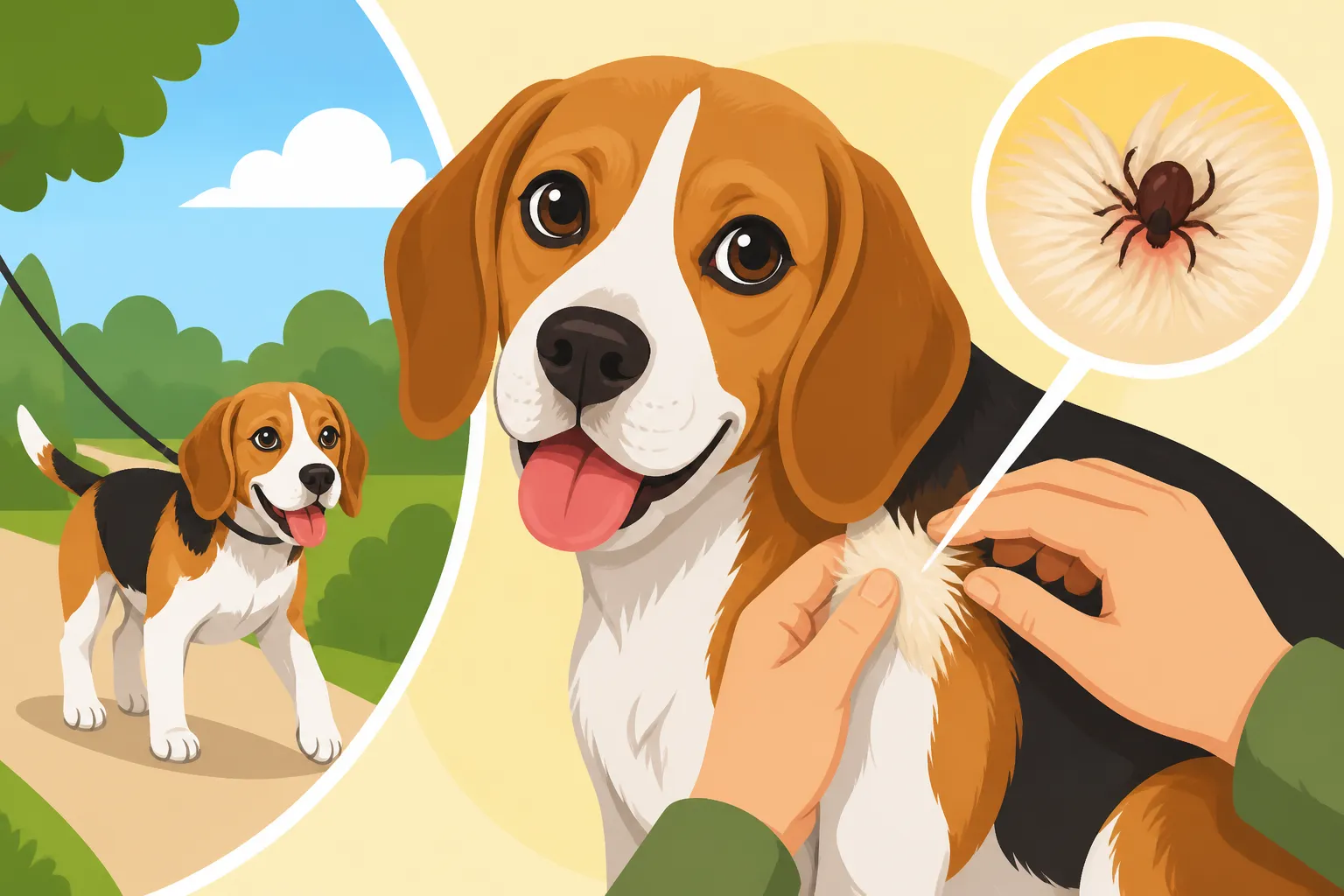
- Get a Good Grip: Using your fine-tipped tweezers or tick removal tool, grasp the tick as close to your Beagle's skin as possible. Aim for the tick's head, not its body. The goal is to avoid squeezing the tick's abdomen, which can force its gut contents (and any pathogens) into your dog.
- Pull Straight and Steadily: Do not twist, jerk, or squeeze. Pull upwards with steady, even pressure. Ticks do not "screw" into the skin, so twisting isn't necessary and can break off the mouthparts.
- Check for Missing Parts: Once the tick is removed, inspect it to ensure the head and mouthparts are intact. If any parts remain in the skin, don't fret too much. They usually fall out on their own, similar to a splinter, and don't typically transmit disease. However, you can try to gently remove them with the tweezers if they're easily accessible. Avoid digging around, as this can cause more irritation.
- Clean the Area: Clean the bite site on your Beagle with an antiseptic solution or rubbing alcohol. This helps prevent secondary bacterial infections.
- Dispose of the Tick Safely: Place the removed tick in your sealable container with rubbing alcohol. This will kill it. You might even want to save the tick for a few days in case your Beagle develops symptoms and your vet wants to identify the tick species.
After the Tick Is Gone: Monitoring and When to Call the Vet
Removing the tick is a huge step, but your job isn't quite finished. You need to keep a close eye on your Beagle and the bite site.
- Monitor the Bite Site: For the next few days, check the area where the tick was removed. Some minor redness or a small bump is normal, akin to a mosquito bite. However, if you notice increasing swelling, pus, a spreading red rash, or if the area becomes painful, contact your vet.
- Watch for General Symptoms: More importantly, monitor your Beagle for any changes in behavior or health over the next few weeks to months. Keep an eye out for signs of tick-borne illness, which can include:
- Lethargy or unusual tiredness: If your normally energetic Beagle seems sluggish or just "off." This is often a first indicator.
- Lameness or joint pain: Shifting lameness (limping that moves from one leg to another) is a classic sign of Lyme disease.
- Fever: Your dog might feel warm to the touch or show other signs of illness.
- Loss of appetite: If they're not interested in their food, that's a red flag.
- Swollen lymph nodes.
- Changes in drinking or urination.
If you observe any of these symptoms, even if they seem mild, contact your veterinarian immediately. Be sure to mention that your dog had a tick bite. Early diagnosis and treatment are crucial for better outcomes. Sometimes a vague symptom like increased tiredness can be confused with other issues, so if you've recently removed a tick, definitely mention it to your vet. You can learn more about general fatigue in Beagle Lethargy That Turns Out to Be Thyroid, but always consider ticks if one was present. If your Beagle exhibits severe symptoms like difficulty breathing, collapse, or multiple seizures, seek emergency veterinary care right away, as these are Beagle Emergency Signs That Cannot Wait Until Morning.
Proactive Tick Prevention Strategies for Your Adventurous Beagle
While diligent tick checks are non-negotiable, prevention is always better than cure. Given a Beagle's natural inclination to follow its nose into every nook and cranny, creating layers of protection is key.
Regular Parasite Prevention: Your First Line of Defense
The most effective way to prevent tick-borne diseases is to prevent ticks from attaching in the first place, or at least from living long enough to transmit pathogens. This is where parasite prevention comes in. There are many excellent options available, and your veterinarian can help you choose the best one for your Beagle's lifestyle and local tick prevalence.
Common prevention methods include:
- Oral Medications: These are chewable tablets given monthly or every few months. They work by entering your dog's bloodstream and killing ticks when they bite. Brands like Bravecto, NexGard, and Simparica are popular choices that you can often get through your vet or sometimes order from online pharmacies like Chewy with a prescription. They are often highly effective and generally safe.
- Topical Treatments: These are liquids applied to your dog's skin, usually between the shoulder blades, that spread over the body and repel or kill ticks on contact. Frontline Plus and K9 Advantix II are well-known examples. These are usually applied monthly.
- Tick Collars: Some collars contain active ingredients that repel or kill ticks. Seresto is a popular choice that can last for several months. Ensure the collar fits properly (snugly but with two fingers easily underneath) and doesn't irritate your Beagle's skin.
Consistency is absolutely critical with any of these methods. Missing a dose or letting a collar expire leaves your Beagle vulnerable. Make it part of your routine—like setting a monthly reminder on your phone. Discuss Year-Round Parasite Prevention for a Beagle with your vet to tailor a plan that works best for your specific area and your dog's individual needs.
Environmental Management and Wise Walking Choices
Beyond medication, you can also reduce your Beagle's exposure to ticks through smart choices about where and how you walk, and by managing your home environment.
- Avoid High-Risk Areas: During peak tick season (which varies by region but often includes spring, summer, and fall), try to avoid walking your Beagle through tall grasses, dense brush, and heavily wooded areas. Ticks don't jump or fly; they "quest" by climbing onto vegetation and waiting to grab onto a passing host. Stick to paved paths or well-maintained trails where you can see the ground clearly. Even on Sniffing Walks and Why They Tire a Beagle Out, try to choose safer environments.
- Keep Your Yard Tidy: If you have a yard, keep the grass mowed short. Rake up leaves and clear away brush piles, especially along fences or wooded edges. Ticks thrive in shaded, moist environments, and a tidy yard offers fewer hiding spots. Creating a barrier of wood chips or gravel between your lawn and any wooded areas can also deter ticks from migrating into your main yard.
- Consider Tick Repellents for Clothing: If you are walking in high-risk areas, consider using EPA-approved tick repellents on your clothing. This helps protect you from bringing ticks into your home, where they could then transfer to your Beagle.
- Check Yourself Too: After every walk in nature, remember to check yourself, your children, and any other pets. Ticks are opportunistic and aren't loyal to just one host! This double-checks the potential for ticks to hitch a ride into your home.
By combining consistent pharmaceutical prevention with smart environmental management and thorough post-walk checks, you can significantly reduce the risk of ticks and the diseases they carry for your beloved Beagle. This proactive approach allows your Beagle to enjoy their scent-filled adventures while keeping them safe and healthy. Remember that Heartworm and Tick Prevention for a Nose-Down Beagle is vital for their overall well-being.
Disclaimer
This article is for general informational purposes only and does not constitute professional advice. Laws, prices and regulations vary by location and change over time. Consult a qualified professional for guidance on your specific situation.