Beagle Paw Pad Cracks After Field Walks
There's nothing quite like watching your Beagle revel in a field walk, nose to the ground, tail wagging like a metronome set to overdrive. But the joy can quickly turn to worry when you notice those tough little paw pads, the very foundations of their adventures, are starting to look dry, rough, or even cracked. It's a common frustration for many Beagle owners who love to give their hounds the enrichment of outdoor exploration, only to find the rough terrain takes a toll. This guide is here to walk you through understanding why those cracks appear, how to effectively treat them, and most importantly, how to prevent them so your Beagle can keep sniffing and exploring happily.
Why Beagle Paw Pads Develop Cracks on Field Walks
Beagles, with their tireless energy and incredible noses, are natural explorers. They'll follow a scent through tall grasses, over rocky paths, and across varied terrains that can be surprisingly abrasive on their paw pads. While a Beagle's paw pads are designed for resilience, they aren't invincible. Understanding why they crack is the first step toward keeping them healthy.
The Impact of Varied and Rough Terrain
Imagine walking barefoot over a mix of concrete, gravel, dried stubble from a harvested field, and even rough asphalt, day after day. That's essentially what your Beagle's paw pads endure on many of their beloved field walks. Different surfaces present different challenges:
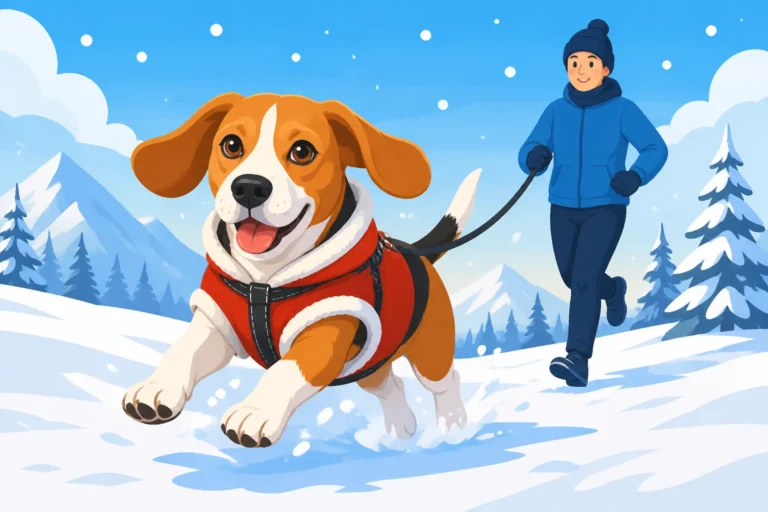
- Hot or Cold Surfaces: Extreme temperatures can dry out paw pads quickly, making them brittle and prone to cracking. A sun-baked sidewalk in summer or icy ground in winter can be equally damaging.
- Abrasive Materials: Gravel, jagged rocks, coarse sand, and even dried, stiff plant stalks (like those found in late-season fields) can act like sandpaper, slowly wearing down the outer layers of the paw pad. This constant friction can cause micro-tears that deepen into noticeable cracks. Think about how a tiny paper cut can sting—now imagine that on every step for your dog.
- Chemical Irritants: Sometimes, it's not just the texture. Lawn chemicals, de-icing salts, or even natural irritants from plants can cause dryness, itching, and inflammation that contribute to cracking. Your Beagle might lick or chew at their paws due to irritation, exacerbating the problem.
These environmental factors, combined with the sheer mileage a determined Beagle can put in on a good scent, create a perfect storm for paw pad wear and tear. Their enthusiasm often means they don't slow down, even if their paws are feeling the strain.
Natural Paw Pad Structure and Moisture Loss
A Beagle's paw pads are made of tough, keratinized skin, much like the calluses on our hands and feet. This specialized skin provides cushioning, grip, and protection. However, just like human skin, it needs moisture to remain supple and flexible.
- Lack of Natural Oils: Unlike the skin on their body, paw pads have fewer sebaceous (oil-producing) glands. This means they don't naturally moisturize themselves as effectively. Exposure to dry air, wind, and harsh surfaces strips away what little natural moisture they do have.
- Genetics and Predisposition: While not as common for cracking specifically, some breeds or individual dogs might have naturally drier skin or paw pads. Sometimes, underlying skin conditions or deficiencies in their diet can also lead to drier, more brittle paw pads, making them more susceptible to damage from Beagle Skin Allergies and Constant Itching.
- Age-Related Changes: As Beagles get older, their skin, including their paw pads, can become less elastic and more prone to dryness. Senior Beagle Care After the Age of Ten often includes paying closer attention to paw health. A senior Beagle might not be running as hard, but their pads are often more fragile.
When these pads lose moisture, they become stiff and less able to flex with the movement of the foot. Each step, jump, or sudden turn can then cause the rigid skin to split, creating those painful cracks. It's not just an aesthetic issue; those cracks can be incredibly uncomfortable, and if left untreated, can lead to infection.
Recognizing and Treating Cracked Paw Pads
Catching paw pad cracks early is key to a faster, less painful recovery for your Beagle. Often, you might first notice your dog licking their paws more than usual, or perhaps a slight limp after a walk. Don't ignore these subtle signs!
Signs Your Beagle's Paw Pads Are Cracked
It's important to become familiar with what healthy Beagle paw pads look and feel like – typically smooth, tough, and somewhat pliable. When they're not, here’s what to look for:
- Visual Cues:
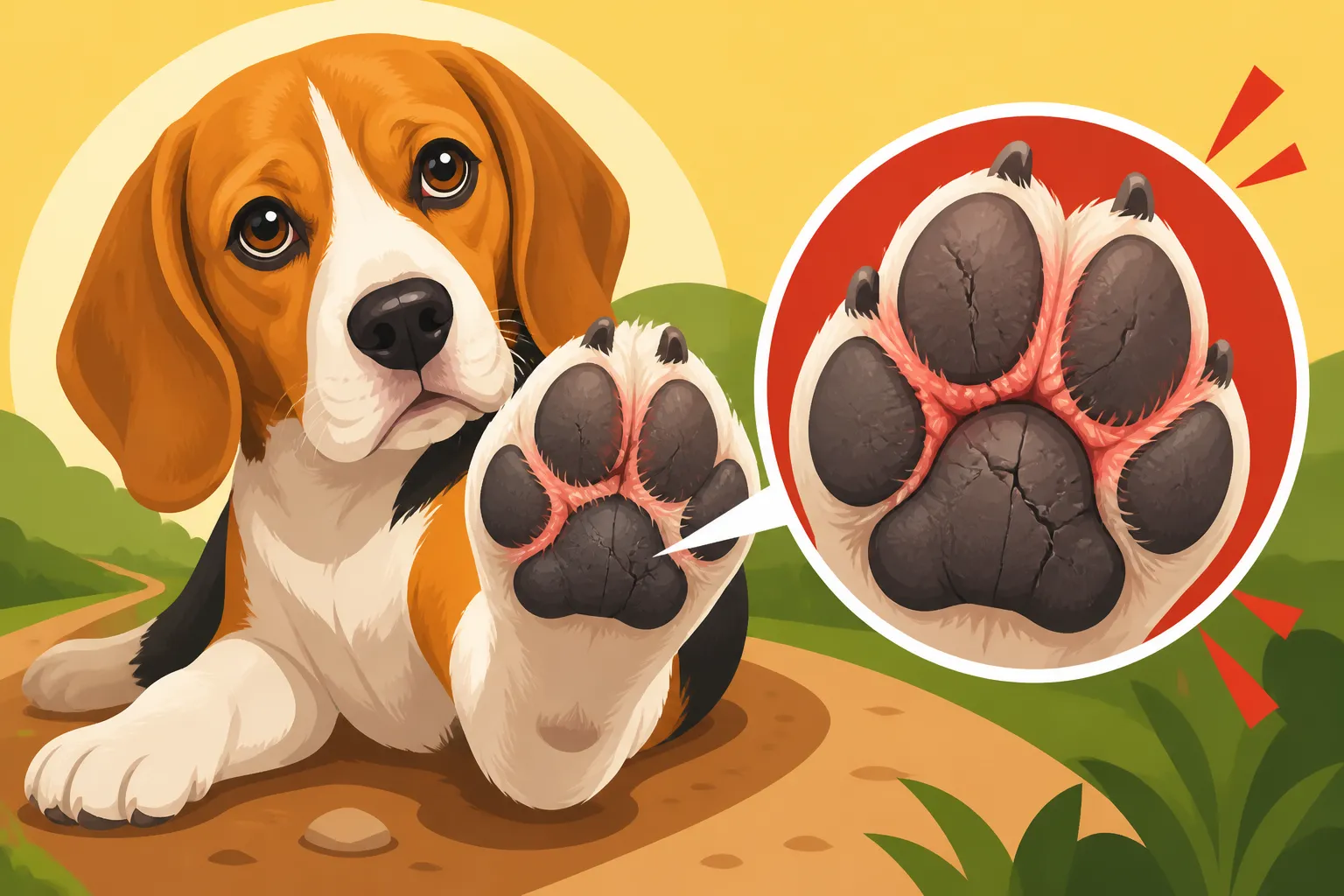
- Dryness and Flaking: The surface of the pad might look chalky or have small flakes peeling off. This is often the earliest sign of dehydration.
- Redness or Discoloration: Irritation can cause the pads to look redder than usual, especially along the edges or between the digital pads.
- Visible Cracks or Splits: These can range from superficial lines on the surface to deep fissures that may bleed. Deep cracks are particularly painful and pose a higher risk of infection.
- Rough Texture: Instead of a smooth, resilient surface, the pads might feel coarse and sandpaper-like.
- Behavioral Indicators:
- Excessive Licking or Chewing: Your Beagle might constantly lick, chew, or nibble at their paws, attempting to soothe the discomfort.
- Reluctance to Walk or Play: Pain from cracked paws can make your Beagle hesitant to put weight on the affected foot, leading to a limp or a general decrease in activity. They might avoid jumping on furniture or running as much.
- Sensitivity to Touch: If your Beagle pulls their paw away or whines when you touch their pads, it's a strong indicator of pain.
- Holding a Paw Up: After resting, they might hold one paw up, trying to keep pressure off it.
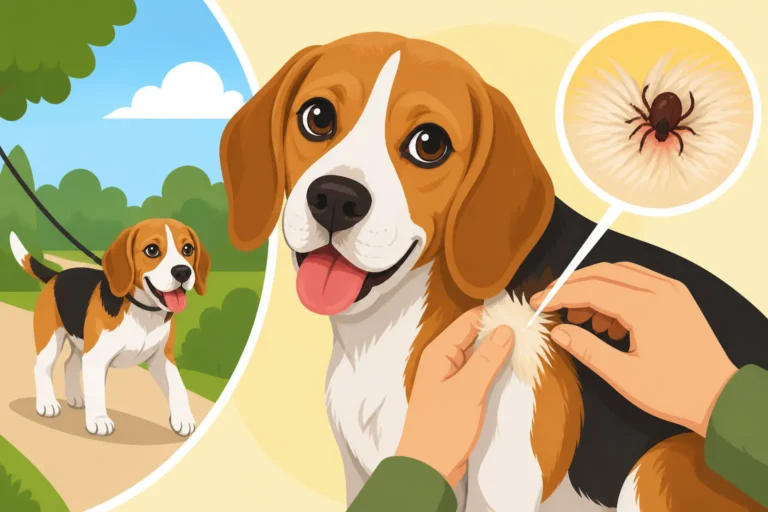
If you suspect cracks, gently examine your Beagle's paws in a well-lit area. Part the fur between the pads and check all surfaces carefully.
First Aid and Home Treatment for Minor Cracks
For minor dryness or small, superficial cracks, you can often provide effective first aid at home. The goal is to clean, protect, and moisturize.
- Clean the Paws Gently: Use warm water and a mild, pet-safe antiseptic soap to clean the affected paw. If there's any dirt or debris in a crack, remove it carefully with tweezers. Rinse thoroughly and pat dry. This is crucial to prevent bacteria from entering compromised skin.
- Apply a Paw Balm or Wax: A good quality paw balm or wax will help to moisturize the dry skin and create a protective barrier. Look for products made with natural ingredients like beeswax, shea butter, or coconut oil. Gently massage a generous amount into the pads. Many brands offer excellent paw balms, and you can find a wide selection of highly-rated options on Chewy or Amazon. Apply it several times a day, especially before and after walks.
- Consider Protective Booties: For outdoor adventures, especially if the cracks are a bit deeper or the terrain is particularly harsh, temporary booties can protect the healing pads from further irritation or contamination. Ensure they fit well – not too tight, not too loose.
- Prevent Licking: If your Beagle is persistently licking at the balm or the cracked paw, an Elizabethan collar (cone) might be necessary for a short period to allow the product to absorb and the pad to heal. Licking can introduce bacteria and prevent healing.
- Soft Surfaces at Home: Encourage your Beagle to rest on soft bedding or rugs while their paws heal. Avoid hard floors or rough carpets that could further irritate the pads.
Remember to be patient and consistent with treatment. Paw pads can take time to heal because they are constantly under stress.
When to Consult Your Veterinarian
While home care is effective for minor issues, some situations definitely warrant a trip to the vet. Don't hesitate if:
- Deep or Bleeding Cracks: Any crack that is deep, openly bleeding, or appears infected (redness, swelling, pus, foul odor) needs professional attention immediately. These can be very painful and easily become severely infected.
- Lameness or Severe Pain: If your Beagle is consistently limping, refusing to put weight on a paw, or shows significant pain, a vet visit is essential. There might be a foreign object embedded in the pad, a more serious injury, or an underlying condition.
- Lack of Improvement: If home treatment doesn't show improvement within a few days, or the condition worsens, your vet can assess the situation and prescribe stronger medications if needed (e.g., antibiotics for infection, pain relief).
- Unusual Growths or Changes: Sometimes, what looks like a crack might be something else entirely, like a wart or a tumor. Any unusual growth or persistent change in the paw pad texture should be checked by a professional.
- Associated Symptoms: If your Beagle also has a fever, lethargy, or loss of appetite along with the paw issues, it could indicate a systemic infection or other serious problem.
Your vet can properly clean and bandage severe wounds, prescribe antibiotics, or recommend specialized treatments. They can also check for potential underlying issues like Beagle Food Allergies Showing Up on the Skin or other health concerns that might manifest as paw problems.
Preventing Paw Pad Cracks in the Future
The best offense is a good defense, especially when it comes to your Beagle's paw pads. Proactive care can save your furry friend a lot of discomfort and you a lot of worry.
Regular Paw Maintenance Routine
A consistent routine is your best friend in preventing cracked paw pads. Think of it like brushing your teeth – it's something you do regularly to maintain health.
- Weekly Paw Checks: Make it a habit to check your Beagle's paws weekly, or even after every long or particularly challenging walk. Look between the pads, inspect the nails, and feel the texture of the pads. This allows you to catch any dryness or minor issues before they escalate. It's also a great bonding moment!
- Trimming Paw Hair: For Beagles with longer fur between their paw pads, regularly trimming this hair is important. Excess hair can collect dirt, debris, burrs, and moisture, leading to irritation, matting, or even traction problems. Use blunt-nosed scissors or a small trimmer carefully.
- Moisturize Regularly: Just like we use lotion, your Beagle can benefit from regular paw moisturization. Apply a good quality paw balm or wax a few times a week, or daily if their paws tend to be dry. This helps keep the pads supple and resilient. A great time to do this is when they're relaxed, perhaps after a meal or before bed. Products found on Amazon or Chewy are widely available and can be delivered right to your door.
- Nail Trimming: Long nails can change how your Beagle's paw lands, putting unnatural pressure on the pads and leading to splaying of the toes, which can make the pads more vulnerable. Keep nails trimmed to a healthy length, where they don't click on hard floors.
This routine is often overlooked until a problem arises, but it’s a simple way to maintain overall paw health and prevent issues like cracks or even discomfort from Beagle Dental Disease and Tartar Buildup (yes, they’re connected – overall health!).
Protective Gear for Walks
While Beagles love to feel the ground beneath their paws, some situations call for a little extra protection.
- Paw Waxes: These are an excellent barrier for everyday use on varied terrain. Applied directly to the paw pads, waxes create a thin, protective layer that helps shield against hot pavement, ice, salt, and abrasive surfaces, while also helping to retain moisture. They're great for those long Scent Walks That Wear a Beagle Out where they'll be covering a lot of ground.
- Dog Booties: For extreme weather conditions (blistering heat or freezing cold, snow, ice) or particularly rough, rocky, or chemical-laden terrain, dog booties are invaluable. They offer a physical barrier that paw waxes can't quite match.
- Choosing the Right Booties: This is critical. They need to fit snugly enough not to slip off but not so tight that they restrict circulation. Look for durable, breathable materials with good traction. It might take some trial and error, and your Beagle might look a little awkward at first, but many adjust surprisingly well, especially if introduced with positive reinforcement and treats.
- Acclimation: Introduce booties slowly. Let your Beagle wear them for short periods indoors, then gradually extend the time and take them on short, easy walks before tackling longer field adventures.
| Protection Type | Best Use Cases | Pros | Cons |
|---|---|---|---|
| Paw Balm | Daily moisturization, minor dryness, light protection | Natural ingredients, easy to apply, helps heal existing minor cracks | Offers minimal physical barrier, can wear off quickly on rough terrain |
| Paw Wax | Hot/cold pavement, ice, salt, light abrasive terrain | Creates protective barrier, good grip, helps retain moisture, less bulky | Can be messy to apply, needs reapplication, not for deep cuts |
| Dog Booties | Extreme weather, harsh/sharp terrain, deep cracks | Maximum physical protection, prevents contamination, aids healing | Can be tricky to fit, some dogs dislike them, may reduce natural grip |
Nutritional Support and Hydration
What goes into your Beagle's body plays a huge role in the health of their skin and paw pads.
- High-Quality Diet: A diet rich in essential fatty acids (Omegas 3 and 6) supports healthy skin and a robust coat, which extends to the paw pads. Look for dog foods that list quality protein sources and healthy fats. Brands like Ollie focus on fresh, human-grade ingredients that can contribute to overall skin health.
- Hydration: Ensure your Beagle always has access to fresh, clean water, especially after vigorous exercise. Proper hydration from the inside out helps keep all tissues, including paw pads, supple. If your Beagle is prone to gulping water too fast, consider a slow-down bowl.
- Supplements: If your Beagle consistently has dry or cracked paws, talk to your vet about adding an Omega-3 fatty acid supplement. Fish oil is a common choice and can significantly improve skin elasticity and moisture. Always consult your vet before adding any new supplements to your dog's diet.
By combining a diligent paw care routine, appropriate protective gear for their adventures, and excellent nutrition, you can significantly reduce the risk of your Beagle developing painful paw pad cracks. This proactive approach ensures their paws stay strong and healthy, ready for countless more exciting field walks and scent-driven explorations.
When to Seek Professional Help
While we've covered a lot of ground on home care and prevention, it's really important to know when a problem transcends what you can manage on your own and truly warrants a professional veterinary assessment. Neglecting a severe paw issue can lead to prolonged pain, deeper infection, and more complicated treatment down the line.
Identifying Serious Cracks or Potential Infections
Sometimes, those little cracks can become big problems quickly. It's not always just a simple matter of dryness.
- Deep Fissures that Don't Heal: If a crack penetrates deep into the paw pad tissue, exposing raw flesh, it's a direct pathway for bacteria. These often bleed, cause significant pain, and struggle to close up on their own due to constant pressure from walking. A vet can properly clean, possibly debride, and bandage these wounds to facilitate healing without complications. They might also prescribe systemic antibiotics if the risk of infection is high.
- Signs of Infection: Keep a close eye out for classic signs of infection. This includes:
- Pus or Discharge: Any yellowish, green, or foul-smelling discharge coming from the crack.
- Excessive Swelling: The paw pad or surrounding tissue appears puffy and inflamed.
- Intense Redness and Heat: The area feels noticeably warmer to the touch and looks very red, beyond simple irritation.
- Increased Pain: Your Beagle might yelp, snap, or aggressively pull their paw away when you try to examine it, indicating severe pain.
- Fever or Lethargy: If your Beagle seems generally unwell, has a reduced appetite, or is unusually tired, it could be a sign that the infection is spreading or affecting their overall health.
- Limping That Worsens or Persists: A slight limp that comes and goes after a long walk might be minor soreness. However, a persistent limp, especially one that gets worse, or a complete refusal to bear weight on the paw, signals a significant problem that needs veterinary diagnostics. This could be due to a deep crack, an embedded foreign object, or even something like Beagle Arthritis Arriving in Middle Age that's being exacerbated by paw discomfort.
Don't try to play vet with deep wounds or suspected infections. The wrong treatment can make things much worse. Your vet has the tools and knowledge to correctly diagnose and treat these more serious issues, ensuring your Beagle gets back on their paws safely and comfortably.
Ruling Out Underlying Health Conditions
Sometimes, persistent paw pad problems aren't just about rough walks; they can be a symptom of a larger health issue. This is another critical reason why professional help is invaluable.
- Allergies: Beagles can suffer from environmental or food allergies, and one common symptom is itchy paws, leading to excessive licking and chewing. This constant moisture and irritation can actually cause cracks. Your vet can perform allergy testing or guide you through an elimination diet to identify the allergen. Beagle Food Allergies Showing Up on the Skin is a common culprit.
- Autoimmune Diseases: In rare cases, certain autoimmune conditions can affect the skin, including paw pads, making them fragile, crusty, or prone to cracking and ulceration. These conditions require specific diagnosis and medication, which only a veterinarian can provide.
- Nutritional Deficiencies: While less common with high-quality commercial dog foods, severe nutritional imbalances can impact skin and paw health. Your vet can evaluate your Beagle's diet and recommend appropriate changes or supplements, particularly if you're feeding a homemade diet.
- Endocrine Disorders: Conditions like hypothyroidism, where the thyroid gland doesn't produce enough hormones, can sometimes manifest with dry, flaky skin and brittle paw pads, alongside other symptoms like weight gain or lethargy. Beagle Hypothyroidism Symptoms Owners Notice First often include changes in skin and coat. A simple blood test can often diagnose this.
- Tumors or Cysts: Occasionally, a lesion on or between the paw pads might mimic a crack or an infection. A vet can examine the area, and if necessary, perform a biopsy to rule out any serious growths.
Your vet is trained to look beyond the immediate symptom and consider the whole picture of your Beagle's health. They can run diagnostic tests, from blood work to skin scrapings or biopsies, to pinpoint the root cause of recurrent or severe paw pad issues. This holistic approach ensures that not only are the cracks treated, but any underlying conditions contributing to them are also addressed, leading to long-term health for your beloved hound.
Disclaimer
This article is for general informational purposes only and does not constitute professional advice. Laws, prices and regulations vary by location and change over time. Consult a qualified professional for guidance on your specific situation.