Beagle Nail Grinders Against Clippers
One of the most common struggles many Beagle owners face isn't just the baying or the endless sniffing, but the sheer anxiety that can accompany a simple nail trim. Those long, floppy ears might be cute, but those sharp little claws on the end of their sturdy paws can feel like a genuine battle every few weeks. This guide is here to walk you through the nitty-gritty of keeping your Beagle's nails healthy, focusing specifically on the merits and practicalities of using either traditional clippers or the increasingly popular nail grinders to make this often-dreaded task a little less stressful for everyone involved.
The Beagle Nail Predicament: Why This Task Feels Like a Chore
Let's be honest, grooming a Beagle isn't always a walk in the park. Their dense double coat sheds, their ears need regular attention, and then there are those nails. Beagles are active dogs, built for covering ground, but many modern Beagles spend less time on rough terrain that naturally grinds down their nails. This means that nail maintenance often falls squarely on our shoulders, and it can be a source of real frustration and even fear for both dog and owner.
Understanding the Beagle Quick and Why It Matters
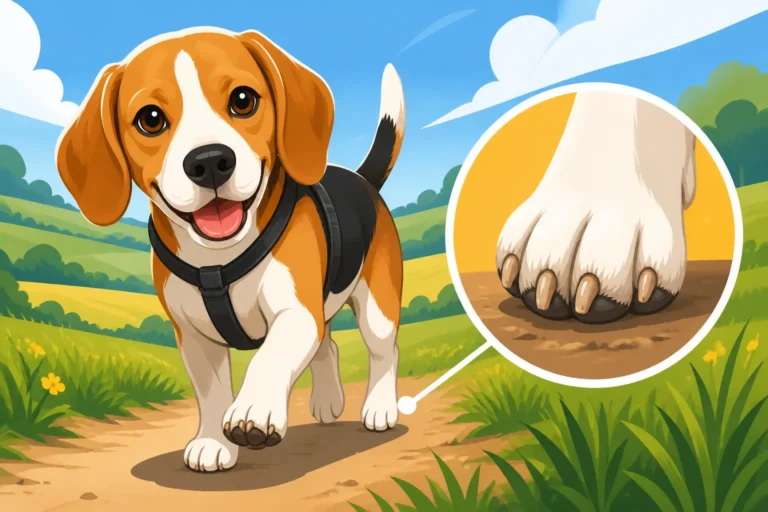
The "quick" is probably the most terrifying word in a dog owner's grooming vocabulary. It's the live part of your Beagle's nail, containing blood vessels and nerves. If you cut into the quick, it hurts, it bleeds, and it makes your Beagle very, very reluctant to let you near their paws again. For Beagles with dark nails, which is common, the quick is practically invisible, making every trim feel like a high-stakes guessing game. You're trying to trim just enough nail to prevent overgrowth without hitting that sensitive spot, and it can be incredibly nerve-wracking. This fear of causing pain often leads to nails getting too long, creating further issues down the line.
The Impact of Overgrown Nails on Your Beagle's Health
Long nails aren't just an aesthetic problem; they're a health concern. When a Beagle's nails touch the ground, they push back up into the nail bed, putting pressure on the toe joints. Over time, this can lead to discomfort, pain, and even changes in how your Beagle stands and walks. Imagine walking around with shoes that are too small, constantly pushing your toes back – that's what long nails can feel like for your dog. It can contribute to issues like Beagle Arthritis Arriving in Middle Age or simply make everyday movements less comfortable. In severe cases, they can grow so long they curl under and pierce the paw pad, leading to infections and considerable pain. Keeping those nails at a proper length is crucial for your Beagle's overall comfort and mobility, especially as they get older and may already be dealing with things like Senior Beagle Care After the Age of Ten.
The Traditional Approach: Nail Clippers for Beagles
Nail clippers have been the standard tool for dog grooming for generations. They're readily available, come in various styles, and for some dogs and owners, they work perfectly fine. But for others, they can be the source of much angst.
Types of Nail Clippers and How They Work
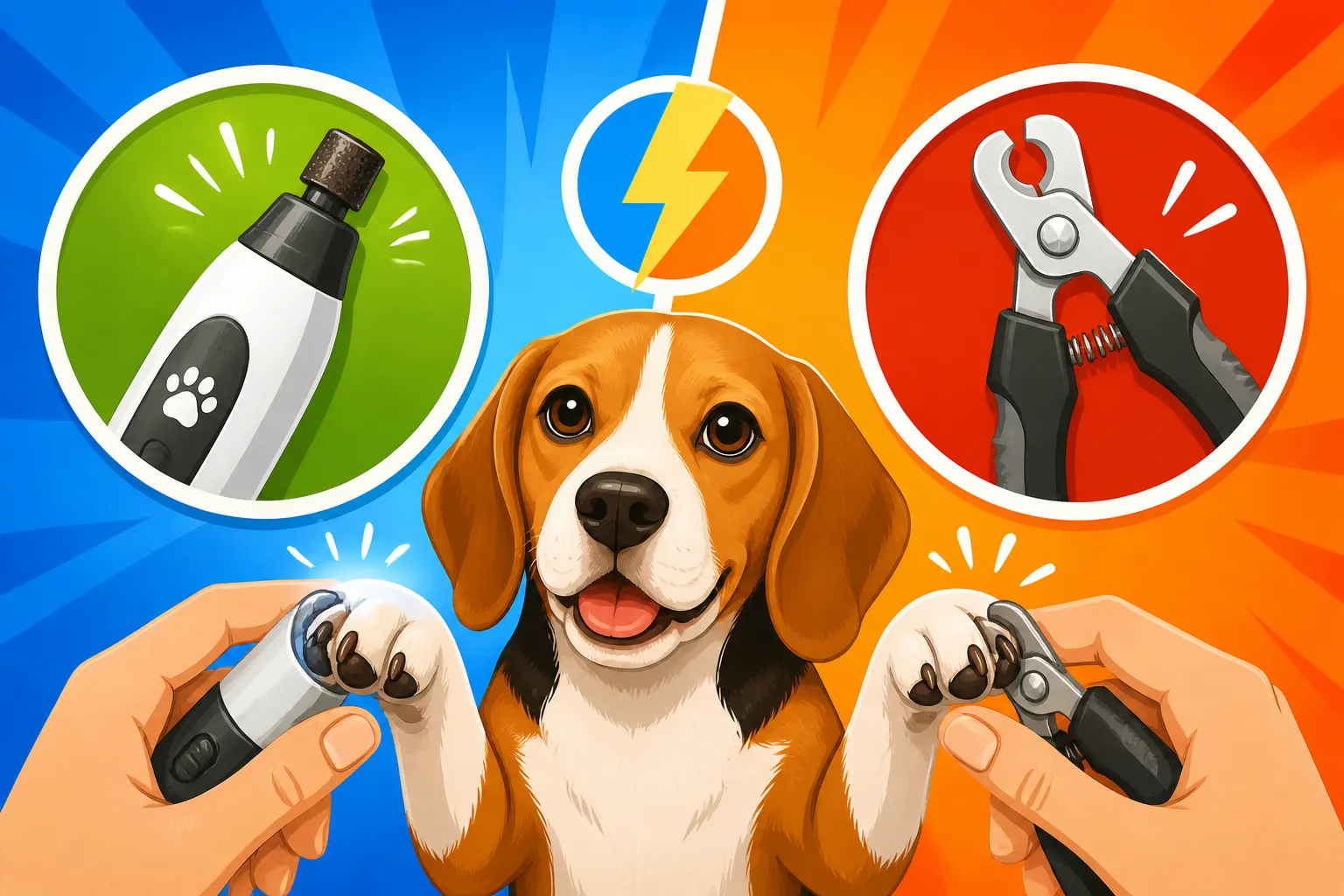
There are generally two main types of nail clippers designed for dogs: guillotine-style and scissor-style.
The guillotine-style clippers have a small hole you insert the nail into, and then a blade slices through it when you squeeze the handle. They tend to be favored by professional groomers and vets because they offer a clean, quick cut if used correctly. However, they can be intimidating for novice owners, and if your Beagle has very thick nails, they might struggle to get a clean cut without crushing the nail.
Scissor-style clippers, on the other hand, look more like a pair of pliers with sharp, curved blades. These are often easier for owners to handle and give a better view of the nail as you're cutting. They come in different sizes, so you can find one appropriate for your Beagle's nail thickness. Some even feature a safety guard that's supposed to prevent you from cutting too much, but always remember that these are just a guide and shouldn't be relied upon entirely, especially when dealing with Trimming Black Beagle Nails You Cannot See Through.
Pros and Cons of Using Clippers
Clippers certainly have their advantages. They are generally:
- Fast: With a cooperative Beagle and a steady hand, you can get the job done very quickly. A few snips and you're done! This is a huge plus if your dog has a short attention span or is very anxious about having their paws handled.
- Affordable: Clippers are relatively inexpensive and can be found almost anywhere that sells pet supplies, from your local pet store to online retailers like Amazon or Chewy.
- Portable: They're small and easy to pack, making them convenient for travel if you need to do a quick touch-up while away from home.
However, the downsides can be significant, especially for Beagles:
- Risk of Quicking: As we discussed, hitting the quick is the biggest fear. This can cause pain, bleeding, and set back any progress you've made in making nail trims a positive experience. A negative experience can turn a neutral Beagle into a nail-trimming terror.
- Sharp Edges: Even with a perfect cut, clippers can leave sharp edges on the nail, which can scratch you, your furniture, or even your Beagle if they scratch themselves. These often need to be filed down afterward, adding another step to the process.
- Fear and Aversion: The snapping sound of clippers can be startling to some Beagles, especially if they've had a bad experience in the past. This can lead to them pulling away, making the job harder and increasing the risk of an accidental quicking. Many Beagles learn to associate the sight of clippers with discomfort, leading to a lifelong struggle.
The Modern Alternative: Nail Grinders for Beagles
Nail grinders have gained significant popularity over the last decade, offering an alternative to traditional clipping that many owners find less stressful and more effective, particularly for dogs with dark nails or a strong aversion to clippers.
What Nail Grinders Are and How They Work
A nail grinder is essentially a small, handheld rotary tool with an abrasive sanding band that files down the nail gradually. They are typically battery-operated, making them cordless and easy to maneuver. Instead of cutting the nail, the grinder sands it away, little by little. This allows for much more control over the length you're removing, reducing the risk of hitting the quick. Many models come with different speed settings and sometimes a safety guard to help guide the nail and collect dust.
Think of it like getting a pedicure at a salon; the nail tech smooths and shapes your nails carefully, rather than taking off a large chunk at once. This slow, steady removal means you can "feather" the nail back, making it shorter and smoother without the sharp edges clippers can leave. It's an excellent way to safely manage your Beagle's nails, and for some, it's a complete game-changer in their grooming routine.
Pros and Cons of Using Grinders
The benefits of using a nail grinder can be substantial:
- Reduced Risk of Quicking: This is arguably the biggest advantage. Because you're taking off small amounts at a time, you can see the quick as it becomes visible (or at least the center of the nail, which indicates proximity to the quick) and stop well before you cause pain or bleeding. This builds trust with your Beagle and makes the experience less traumatic.
- Smooth Finish: Grinders leave a perfectly smooth, rounded edge on the nail, eliminating those sharp points that can snag on things or scratch skin. This is a huge bonus for both your Beagle's comfort and your own.
- Less Stress for Fearful Dogs: While the vibration and sound can take some getting used to, many dogs tolerate grinders better than clippers, especially if introduced positively. There's no sudden snap, which can be less startling. It allows for a more gradual, less invasive approach to nail care.
- Better for Dark Nails: For Beagles with dark nails where the quick is hidden, grinding allows you to slowly work the nail back until you see a small black dot appear in the center, signaling you're getting close to the quick. This visual cue is invaluable.
However, grinders aren't without their drawbacks:
- Time-Consuming: Grinding takes longer than clipping, especially if your Beagle's nails are very long to start. You'll need patience and potentially more frequent, shorter sessions.
- Noise and Vibration: While less startling than clippers for some, the whirring noise and vibration of the grinder can be a source of anxiety for other Beagles. Careful desensitization is key, starting with simply letting them get used to the sound and feel of the device while rewarding them generously.
- Dust and Odor: Grinding nails creates fine nail dust, which can get messy. It also produces a distinct burning smell, which can be off-putting for both you and your Beagle. Doing it in a well-ventilated area is recommended.
- Cost: Grinders are typically more expensive than basic clippers, though many affordable and effective models are available from retailers like Chewy or Amazon.
Making the Right Choice for Your Beagle and You
Deciding between clippers and a grinder really comes down to your personal comfort level, your Beagle's temperament, and what you're willing to commit to in terms of time and training. There's no single "best" answer; what works for one Beagle might be a nightmare for another.
Assessing Your Beagle's Temperament and Your Own Comfort
If your Beagle is generally laid-back and doesn't flinch at having their paws handled, clippers might be a fast and efficient option, particularly if you have experience with them. However, if your Beagle turns into a wriggly, protesting mess at the sight of clippers, or if you're terrified of hurting them, a grinder might be worth the investment in time and effort to introduce.
Consider your own comfort level too. Are you confident with clippers? Or does the thought of hitting the quick make your stomach drop? Your stress will transfer to your Beagle. If you're calmer and more relaxed with a grinder, your Beagle is more likely to be calm too. Patience is paramount, especially when introducing any new grooming tool, and rewarding your Beagle with high-value treats can make a world of difference. Consistency is also important; regular, positive interactions around paw handling and the chosen tool will yield the best results.
A Comparative Look at Clippers vs. Grinders
To help you visualize the differences, here's a quick comparison:
| Feature | Nail Clippers | Nail Grinders |
|---|---|---|
| Speed | Generally faster for a full trim | Slower, more gradual process |
| Risk of Quicking | Higher, especially with dark nails | Much lower, due to gradual removal |
| Nail Finish | Can leave sharp, rough edges | Smooth, rounded edges |
| Dog's Reaction | Sudden snap can be startling; fear possible | Whirring sound/vibration can be startling; fear possible but often overcome |
| Owner Comfort | Requires confidence to avoid quicking | More control, less fear of injury |
| Cost | Low upfront cost | Higher upfront cost |
| Maintenance/Care | Keep blades sharp | Replace sanding bands/batteries |
| Best For | Cooperative dogs, light-colored nails | Anxious dogs, dark nails, owners fearful of quicking |
Tips for Introducing Either Tool to Your Beagle
No matter which tool you choose, positive reinforcement and gradual desensitization are key. This is especially true for Beagles, who are very sensitive to their environment and can form strong associations, both good and bad.
- Start Slow: Don't just spring the tool on your Beagle. Let them see and sniff it. For a grinder, turn it on in a different room first so they get used to the sound.
- Associate with Treats: Whenever the tool is out, shower your Beagle with their favorite treats. Touch their paw, give a treat. Touch the tool to one nail briefly (without actually trimming/grinding), give a treat. Build positive associations.
- Short Sessions: Aim for very short sessions, even just one nail at a time, especially at first. The goal is to end before your Beagle gets stressed or agitated. Always end on a positive note.
- Practice Paw Handling: Regularly handle your Beagle's paws when no grooming is happening. Gently squeeze their toes, massage their pads. Make paw handling a normal, pleasant interaction. This will make Beagle Paw Care After a Field Walk much easier, for instance.
- Seek Professional Help: If you're truly struggling, don't hesitate to consult a professional groomer or your vet. They can often provide demonstrations, offer tips tailored to your Beagle, or even do the trimming for you while you observe and learn. Sometimes, a professional's touch can help establish a baseline before you take over.
Ultimately, the goal is to keep your Beagle's nails healthy and short without turning grooming into a wrestling match. Whether you choose clippers or a grinder, consistent, positive reinforcement will be your best friend in ensuring happy paws for your beloved Beagle. Remember to check out what supplies you might need when bringing home a new pup, including grooming tools, by looking at articles like What Should Come Home With a Beagle Puppy or tips on Leash Training a Beagle From Eight Weeks where you might also practice paw handling.
Disclaimer
This article is for general informational purposes only and does not constitute professional advice. Laws, prices and regulations vary by location and change over time. Consult a qualified professional for guidance on your specific situation.