Exercising a Beagle in Snow and Cold
The crisp bite of winter air and the serene blanket of snow can be absolutely beautiful, but for us Beagle owners, it often brings a fresh set of challenges when it comes to daily exercise. It's not just about bundling ourselves up; it's about making sure our ever-curious, scent-driven Beagles stay safe, warm, and still get the physical and mental stimulation they desperately need when the temperatures drop. This guide is all about navigating those chilly days, ensuring your Beagle can still enjoy the outdoors safely and happily, or find engaging ways to burn off that endless energy inside.
Understanding Your Beagle's Needs in Winter Weather
Winter isn't just a prettier version of autumn; it poses unique considerations for our Beagles, and understanding these is the first step to keeping them safe and comfortable.
Why Cold is a Bigger Deal for Beagles Than You Might Think
You might look at your Beagle's dense coat and think they're pretty well-equipped for cold weather, but dig a little deeper, and you'll find that's not entirely the case. Unlike breeds specifically developed for arctic conditions, a Beagle's short, although double, coat doesn't offer the same level of insulation. They also tend to have a leaner body type with less insulating fat compared to some other breeds. This means they can get cold faster than you'd expect, especially if they're standing still, or if there's a biting wind.
Compounding this is their incredible nose. A Beagle's world is scent, and they possess an astounding The 220 Million Receptors Behind a Beagle's Nose. Snow and ice can actually amplify scents, or at least change them in a way that makes them even more intriguing for your dog. This means your Beagle might be absolutely determined to keep their nose to the frozen ground, oblivious to the dropping body temperature or the chill creeping into their paws. Their natural drive to follow a trail means they might push through conditions that would send a less scent-driven dog scurrying back indoors, putting them at higher risk for cold-related issues.
Despite the cold, their boundless energy levels don't magically disappear with the snow. Beagles need regular activity to stay happy, healthy, and out of trouble. Without a proper outlet, that pent-up energy can quickly turn into destructive behaviors or excessive baying, which no one wants in the middle of winter. Finding ways to meet their exercise requirements, even when it's frigid, becomes paramount for their overall well-being.
Recognizing the Risks: Hypothermia, Frostbite, and Injuries
When the mercury drops, there are some serious health risks for our furry friends that we need to be aware of. Hypothermia occurs when a dog's body loses heat faster than it can produce it, causing their core temperature to drop dangerously low. Signs to watch out for include excessive shivering, which might be subtle at first but can become uncontrollable. They might seem lethargic, weak, or clumsy, and their ears, paws, and tail might feel noticeably cold to the touch. In severe cases, they can become unresponsive, and their breathing and heart rate can slow down. If you suspect hypothermia, it's a veterinary emergency.
Frostbite is another nasty winter hazard, particularly for exposed areas like a Beagle's ears, tail tip, and those delicate paw pads. It happens when tissues freeze, leading to cell damage. The signs might not be immediately obvious, often appearing after the dog has been warmed up. Affected areas might look pale, grayish, or bluish, and feel cold and hard. Later, they can become red, swollen, painful, and even blister. Just like hypothermia, if you suspect frostbite, a vet visit is crucial.
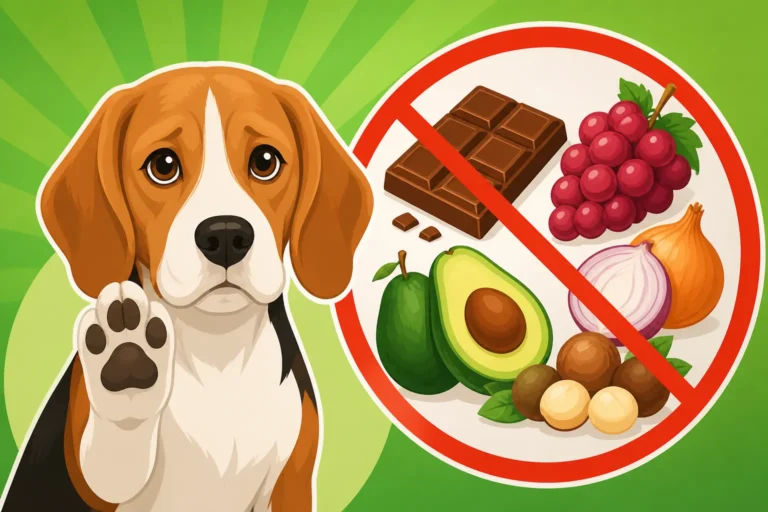
Beyond the cold itself, winter walks bring environmental hazards. Icy patches and unseen black ice can lead to painful slips and falls, potentially causing sprains, fractures, or even Beagle Back Problems and Intervertebral Disc Disease. Rock salt, commonly used to melt ice on sidewalks, can irritate and burn paw pads. If ingested by licking paws, it can cause stomach upset or more serious issues. Antifreeze is another silent killer; it has a sweet taste that attracts dogs, but even a small amount can be fatal. It's a prime example of What a Beagle Should Never Be Allowed to Eat. Always keep an eye out for these dangers during your winter excursions.
Essential Gear and Preparations for Cold Weather Walks
Equipping your Beagle properly for winter walks isn't just about looking cute in a little sweater; it's about genuine protection and comfort.
Protecting Those Paws from the Elements
A Beagle's paws are their primary interface with the cold, harsh ground, and they take a beating in winter. Booties are an absolute game-changer for many dogs, offering a protective barrier against icy cold, sharp ice shards, abrasive rock salt, and even chemicals like antifreeze. There are many types out there, from soft fleece ones for light snow to rugged rubber-soled versions for serious winter conditions. The key is to find a pair that fits snugly enough not to fall off, but isn't so tight it restricts circulation. Introducing booties slowly, with positive reinforcement and treats, can make all the difference. Start indoors for short periods, associating them with fun things, before venturing outside.
If booties aren't a hit with your Beagle, or you need supplemental protection, paw balms can be a good alternative. These waxy formulations create a protective layer on the paw pads, shielding them from salt, ice, and cold while also helping to moisturize and prevent cracking. Apply it generously before walks, and don't forget to reapply as needed. Many brands are available through online retailers like Amazon or Chewy, offering various ingredients and textures.
Regardless of whether your Beagle wears booties or balm, a critical step is to always wipe their paws thoroughly with a warm, damp cloth immediately after every winter walk. This removes any lingering salt, ice melt chemicals, or ice balls that might have formed between their toes. It also gives you a chance to inspect their paw pads for any cuts, cracks, or signs of irritation before they become a bigger problem.
Choosing the Right Winter Coat for Your Beagle
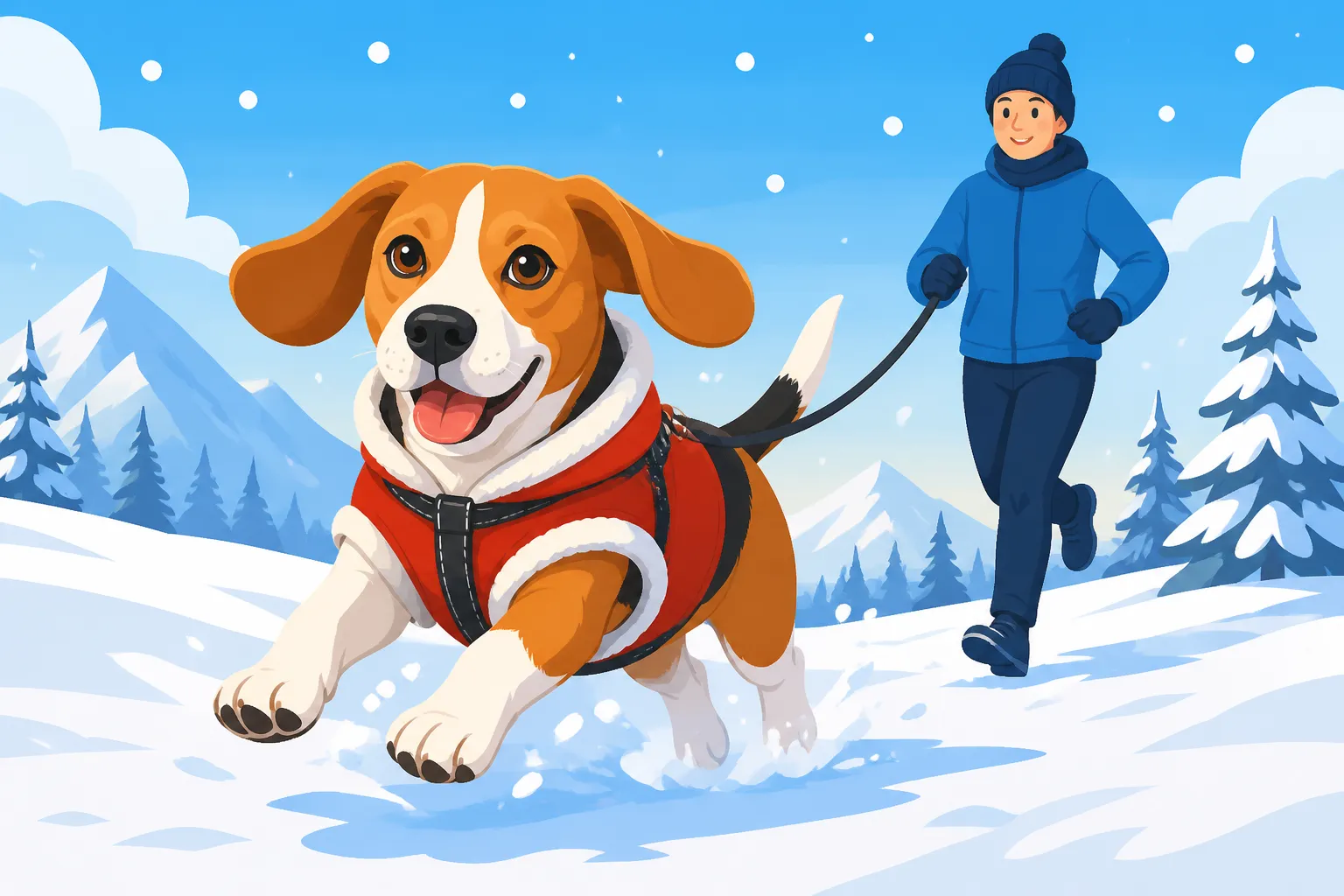
For most Beagles, especially the shorter-haired variety, a winter coat isn't a luxury; it's a necessity. Think of it as a personal warming layer that helps them maintain their core body temperature. When selecting a coat, look for one that is waterproof or at least highly water-resistant. Snow melts, and a wet coat will only make your Beagle colder. Insulation is key, so choose options with fleece lining, synthetic fill, or even down, depending on how extreme your local winters get.
The fit is also paramount. A good coat should cover your Beagle's back from the base of the neck to the tail, and ideally cover their chest and belly, which are areas where they can lose a lot of heat. It should allow for full range of motion, so they can walk, run, and, most importantly, sniff comfortably without chafing. Reflective elements are a huge bonus, increasing visibility during those shorter, darker winter days. Remember, your Beagle has Beagle Shedding and the Two Coats Underneath, and while that provides some protection, it's often not enough on its own in freezing temperatures.
While a cute knitted sweater might look adorable, it typically won't offer the same level of protection as a true winter coat. Sweaters are great for indoor lounging or very mild, dry cold, but they often lack wind and water resistance, and the knit can easily get wet and stay wet, leading to a chill. For genuine outdoor protection in snow and cold, opt for a purpose-built winter coat from a reputable brand you can find on sites like Chewy.
Pre-Walk Checks and Post-Walk Routines
Before you even step out the door, a quick mental check and visual scan can prevent problems. Always check the current temperature, but also consider the wind chill factor – that biting wind can make it feel much colder than the thermometer reads. If it's too frigid for you to be comfortable, it's likely too cold for your Beagle. Make sure their coat and booties are on securely and comfortably. Double-check their collar and harness, ensuring their ID tags are clearly visible. If you're walking in low light, reflective gear on both you and your Beagle is a must for safety.
The moment you come back inside, the post-walk routine begins. The first priority is a thorough towel drying. Pay special attention to their ears, chest, and belly, which can get surprisingly wet and cold. Beagle Ear Infections Under Those Long Ears are a common problem, and trapping moisture in them from snow can exacerbate this. Next, focus on their paws. Use a warm, damp cloth to meticulously clean away any road salt, ice melt, or debris. This is also your opportunity to check for any ice balls that might have formed between their paw pads. These can be painful and lead to skin irritation or even frostbite if not removed. Gently melt them with warm water or carefully pick them out.
Finally, give your Beagle a quick once-over. Look for any cuts or scrapes on their pads, any signs of redness or irritation from salt, or any discomfort they might be showing. If they seem to be limping or favoring a paw, investigate immediately. This diligent routine ensures their comfort and health after braving the winter elements.
Creative Exercise Strategies for Snowy and Cold Days
Just because it's cold doesn't mean your Beagle's exercise routine needs to grind to a halt. It simply means getting a little more strategic and creative.
Making Outdoor Walks Shorter, More Purposeful, and Safe
On those truly frigid days, shorter, more frequent walks are often the best approach. Instead of one long outing, break it up into two or three 15-20 minute sessions, allowing your Beagle to relieve themselves and get some fresh air without risking overexposure. Focus on quality over quantity. For a Beagle, quality often means sniffing. Why a Scent Walk Tires a Beagle Faster Than Running is because engaging their powerful nose is incredibly mentally stimulating and tiring. Let them sniff, follow interesting trails (within reason!), and explore their environment. This mental workout is just as important as the physical one.
When walking, try to stick to cleared paths or areas where snow isn't too deep. Deep snow can be exhausting for a small dog like a Beagle, and they can easily lose their footing or get too cold if their belly and legs are constantly submerged. Avoid icy areas altogether if possible. Keeping your Beagle on a leash or The Long Line Length a Beagle Actually Needs is always a good idea in winter, not just for safety from traffic or wildlife, but to prevent them from bolting onto thin ice or ingesting something dangerous hidden under the snow. Even in a familiar, fenced yard, ice can be a hidden hazard.
Remember, the goal is to provide exercise without putting your Beagle at risk. Observe them closely for any signs of discomfort—shivering, lifting paws, or trying to turn back. If they show any of these signs, it's time to head home and warm up.
Bringing the Adventure Indoors: Mental and Physical Games
When outdoor conditions are simply too harsh, or your Beagle still has energy to burn after a short walk, it's time to get creative indoors. One of the best ways to tire out a Beagle's brain and body is through puzzle feeders and treat-dispensing toys. These toys require your dog to use their problem-solving skills to get food rewards, mimicking their natural foraging instincts. You can find a huge variety of these on Amazon or Chewy, from simple snuffle mats to complex interactive games. Puzzle Feeders That Genuinely Slow a Beagle are not only fun but also help prevent them from gobbling their food too quickly, reducing the risk of digestive upset.
If you have enough space, a quick game of indoor fetch or tug-of-war can burn off some physical energy. Always be mindful of your surroundings, ensuring there's no fragile furniture or objects that could be knocked over. Hide-and-seek is another fantastic game; hide treats around the house and let your Beagle's powerful nose go to work, or have family members hide themselves and call your Beagle to find them. This engages their senses and is a great way to bond.
Don't underestimate the power of short, engaging training sessions. Beagles are smart, and learning new tricks or refining old commands uses a lot of mental energy. Work on 'stay,' 'come,' 'leave it,' or even teach them a fun new trick like 'spin' or 'weave.' You can also create simple DIY scent games using cardboard boxes or old towels, hiding treats for them to find. The key is variety and engagement to keep their keen minds occupied and their bodies moving.
Considerations for Puppies and Senior Beagles
Puppies and senior Beagles have different vulnerabilities in cold weather and require extra special care. Beagle puppies, with their smaller body mass and less developed thermoregulation, lose heat much faster than adult dogs. Their immune systems are also still developing, making them more susceptible to illness if they get too cold. Keep outdoor potty breaks for puppies extremely short—just long enough for them to do their business, then back inside immediately. Dress them in a small coat, even for quick trips outside, and always monitor them closely for shivering or discomfort. Remember how much sleep a Beagle puppy needs and plan activities around their rest schedule. Beagle Puppy Sleep and Waking at Three in the morning is tough enough without having to worry about the cold!
Senior Beagles, on the other hand, may face a different set of challenges. They often have less muscle mass and thinner coats, reducing their natural insulation. Many seniors also develop Beagle Arthritis Arriving in Middle Age or other joint issues, which can be exacerbated by cold and damp weather. Icy surfaces are a higher risk for them, as they may have less agility and poorer balance. Keep their winter walks even shorter and slower, focusing on comfort over speed. A supportive, warm coat is vital, and you might consider joint supplements to help ease any discomfort. Heated beds or blankets can be a wonderful comfort for them indoors. Always prioritize their comfort and listen to their cues; if they seem reluctant to go out or show signs of pain, it's time for an indoor alternative.
Maintaining Hydration and Nutrition During Cold Months
Just because it's cold outside doesn't mean your Beagle's basic needs change. In fact, some might become even more important.
Water Intake and Keeping Bowls Accessible
It's a common misconception that dogs need less water in winter because they aren't panting from heat. However, winter air, especially indoors with heating, can be very dry, leading to dehydration. Additionally, dogs can lose moisture through their breath in cold air. It's crucial that your Beagle always has access to fresh, unfrozen water. If you have an outdoor water bowl, consider a heated bowl to prevent it from turning into a block of ice. Otherwise, bring the bowls inside during freezing temperatures.
Some Beagles might also try to eat snow, which can seem like a good way to hydrate, but it's not ideal. Snow can contain impurities, chemicals, or even bacteria. Plus, eating too much cold snow can drop their body temperature or cause stomach upset. Always provide easily accessible, clean drinking water indoors to ensure they stay properly hydrated throughout the colder months.
Adjusting Food for Winter Activity Levels
For most Beagles, their daily calorie needs might not change dramatically in winter, especially if their outdoor exercise is reduced. However, if your Beagle is particularly active outside, romping in deep snow, or spending more time in truly cold temperatures, they might burn more calories to maintain their body heat. In such cases, a slight increase in their daily food intake could be beneficial.
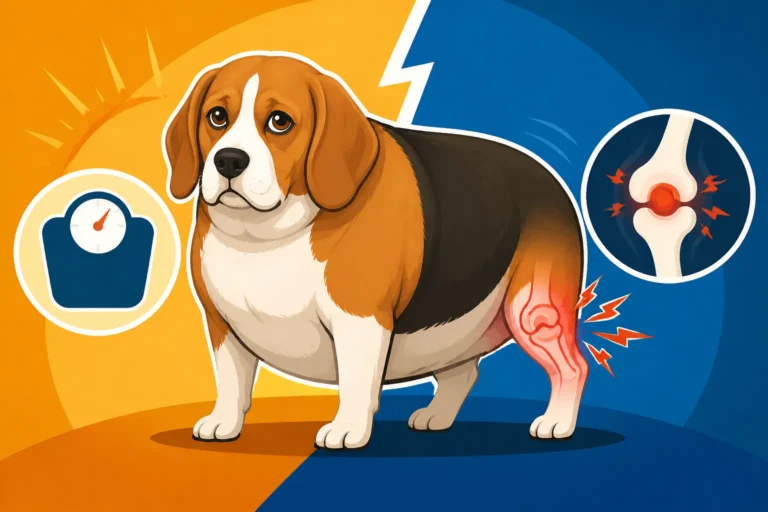
The trick is to find the right balance. You don't want to overfeed a Beagle who's spending more time lounging indoors, as Beagle Obesity Treated as a Health Problem is a serious concern, leading to other health issues. Conversely, you don't want an active Beagle to lose condition. Always monitor your Beagle's weight and body condition score. You should be able to feel their ribs easily without seeing them protruding. Consult with your vet if you're unsure about adjusting their diet. High-quality food is always important, and some owners consider slightly richer formulas or fresh food options during winter. Brands like Ollie, for instance, offer pre-portioned, human-grade food that can be tailored to activity levels. Just remember, consistency and careful monitoring are key.
Cold Weather Gear Comparison for Beagles
To help you visualize the various options for keeping your Beagle cozy and safe this winter, here’s a quick comparison of essential cold weather gear.
| Gear Type | Primary Benefit | Key Features to Look For | Best For |
|---|---|---|---|
| Booties | Protection from ice, salt, chemicals, cold | Durable sole, waterproof material, secure fastening, good fit | Walks on salted sidewalks, icy trails, deep snow, protecting sensitive paws |
| Winter Coat | Insulation, warmth, weather protection | Waterproof/resistant exterior, warm lining (fleece/insulated), chest/belly coverage, reflective accents, proper fit | Almost all Beagles in temperatures below freezing, wind, snow, rain |
| Paw Balm | Barrier against irritants, moisturizer, prevents cracking | Natural waxes, non-toxic ingredients, easy application | Mild cold, light snow, protection from salt (as supplement to booties or alone) |
| Heated Water Bowl | Prevents water from freezing outdoors | Thermostatically controlled, chew-resistant cord | Outdoor Beagles, or any Beagle whose water bowl is kept outside in freezing temps |
| Reflective Harness/Collar | Visibility in low light | Bright colors, reflective stitching/strips, comfortable fit | Dawn, dusk, or nighttime walks; foggy or snowy conditions |
Remember, this is a general guide, and the specific needs of your Beagle may vary based on their age, health, and the exact climate you live in. Always prioritize their comfort and safety.
Disclaimer
This article is for general informational purposes only and does not constitute professional advice. Laws, prices and regulations vary by location and change over time. Consult a qualified professional for guidance on your specific situation.