The Foods That Are Toxic to a Beagle
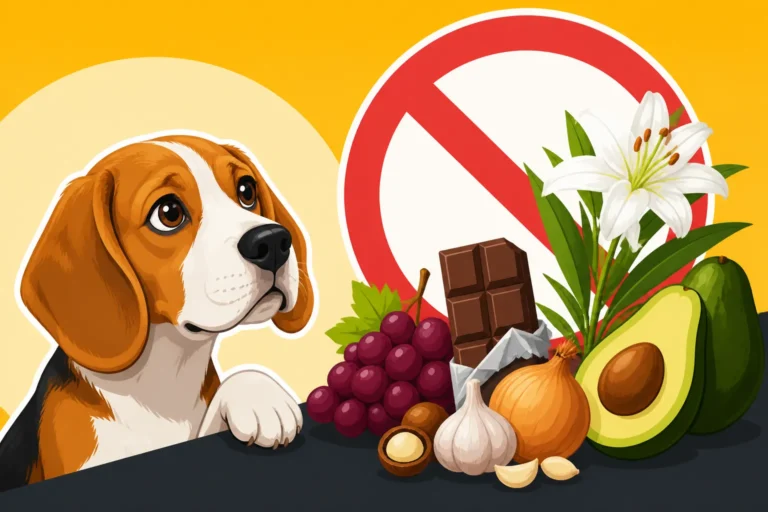
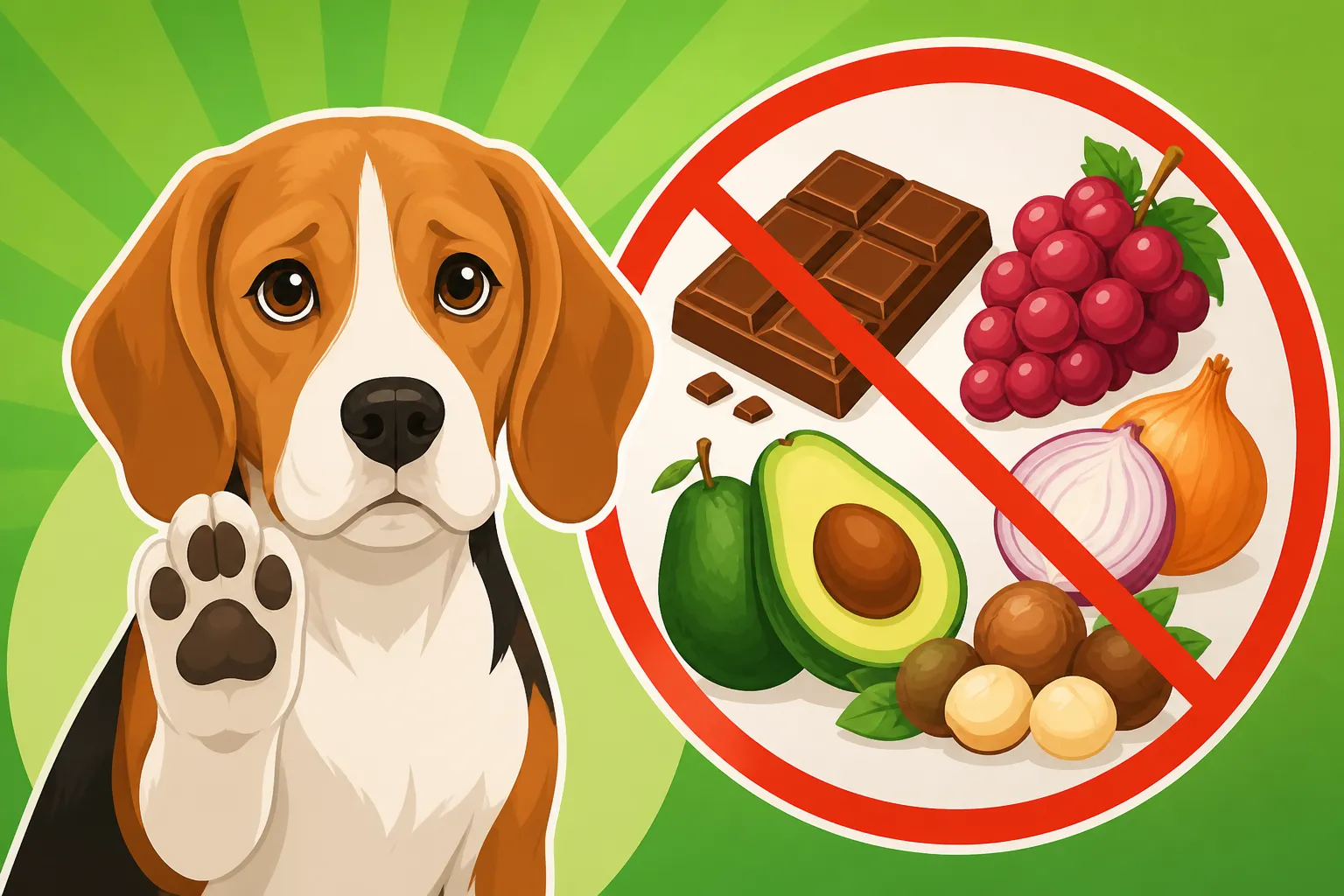
It's a truth universally acknowledged among Beagle owners that if it exists, their Beagle will try to eat it. That incredible nose, those pleading eyes, and the seemingly bottomless pit that is their stomach make them masters of finding and consuming things they absolutely shouldn't. This guide is here to shed light on the most common and dangerous foods lurking in our homes and gardens that are toxic to Beagles, helping you keep your curious companion safe from accidental poisoning.
The Beagle's Incredible Nose and Insatiable Appetite: A Dangerous Combination
Anyone who lives with a Beagle knows their nose isn't just for show – it's a finely tuned instrument, often more powerful than any food alarm you could set. This isn't just a cute quirk; it's a deeply ingrained instinct that can, unfortunately, lead them straight into trouble with toxic foods. You might think you've secured everything, but that keen sense of smell can detect the tiniest crumb or the faintest whiff of something enticing, making them relentless in their pursuit.
Why Your Beagle is Always Sniffing for Scraps
Let's be real, Beagles were quite literally bred for their noses. Their entire purpose for centuries was to follow a scent trail, often for miles, with unwavering focus. That same genetic programming that made them exceptional hunters of small game now translates into an unparalleled ability to locate that dropped raisin under the couch, or the forgotten piece of chocolate on a low table. Their 220 million scent receptors aren't just for fun and games; they're an essential part of who they are. You can read more about how their sense of smell works in Why a Beagle Nose Beats Ours Ten Thousand Times Over.
This isn't about being disobedient; it's about being a Beagle. When their nose gets going, the rest of the world often fades into the background. Your commands, the fence line, even the concept of "this isn't food" can become secondary to the compelling story that scent trail is telling them. It's a profound challenge for owners because you're working against millennia of selective breeding. We're asking them to ignore their most powerful instinct, which is a big ask for any dog, let alone a Beagle. This means being extra vigilant about what's accessible in your home.
The Urge to Scavenge: From the Wild to Your Kitchen Floor
That intense drive to follow a scent often leads directly to scavenging. In their ancestral past, and even in many working Beagle lines today, finding and consuming whatever edible items they come across was a survival skill. It's an opportunistic behavior that means if it smells remotely like food, and it's within reach, it's fair game. This instinct doesn't magically disappear when they come indoors to live with us; it simply adapts to our human environments.
This is why Beagles are notorious for things like Beagle Counter Surfing and Trash Raiding. A closed pantry door is merely a suggestion if it smells like a bag of open treats. A countertop isn't a barrier if they can jump or stand on their hind legs and stretch. And a trash can? That's just a treasure trove waiting to be explored, especially if it doesn't have a secure lid. Think about those times you've come home to find the kitchen looking like a war zone because a bag of groceries was left unattended for five minutes. That's the scavenging drive in full effect, and it's the very reason we need to be so careful about what's in their environment.
Common Household Foods That Are Strictly Off-Limits for Beagles
Navigating the world of human food can feel like a minefield when you have a perpetually hungry Beagle. Many common ingredients that we enjoy daily can be incredibly harmful, even deadly, to our canine companions. It's crucial to know these major offenders inside and out.
Chocolate, Coffee, and Caffeine: The Sweet Poison
This is probably the most well-known toxic food for dogs, and for good reason. Chocolate contains theobromine and caffeine, both of which are stimulants that Beagles (and all dogs) metabolize much slower than humans. This means these substances build up to toxic levels in their system, affecting their heart, nervous system, and kidneys.
- Dark Chocolate and Baking Chocolate: These are the most dangerous types because they contain the highest concentration of theobromine. Even a small amount can cause severe problems.
- Milk Chocolate: While less concentrated, a Beagle's relatively small size means even a moderate amount of milk chocolate can be problematic. A standard-sized bar might not seem like much to us, but it could be enough to cause serious distress for a 25-pound Beagle.
- White Chocolate: Contains very little theobromine, so it's less toxic, but it's still high in fat, which can lead to other issues like pancreatitis.
- Symptoms: These can range from vomiting, diarrhea, increased thirst, and restlessness in milder cases, to hyperactivity, tremors, seizures, and even cardiac arrest in more severe instances. The onset of symptoms can be anywhere from a few hours to half a day after ingestion. If your Beagle has stolen any amount of chocolate, it's a definite call to the vet.
Xylitol: The Hidden Danger in Sugar-Free Products
Xylitol is a sugar substitute that's become incredibly popular in human foods, but it's devastatingly toxic to dogs. It causes a rapid and profound release of insulin from the pancreas, leading to a sudden and dangerous drop in blood sugar (hypoglycemia). In higher doses, it can also cause severe liver failure.
- Where it Hides: You'll find xylitol in many "sugar-free" products, including chewing gum, mints, some candies, breath sprays, toothpastes, mouthwashes, certain baked goods, and even some brands of peanut butter. Always check the label if you're offering your Beagle a spoonful of peanut butter as a treat or to hide medication – many "natural" or "reduced sugar" versions might contain it. Chewy and Amazon both offer a wide selection of dog-specific peanut butter and treats that are guaranteed xylitol-free, which is always the safest bet.
- Urgency: The effects can be rapid, sometimes within 15-30 minutes, or delayed for up to 12 hours. Symptoms include vomiting, lethargy, weakness, difficulty walking, and seizures. If you suspect your Beagle has ingested anything with xylitol, this is an absolute emergency that requires immediate veterinary attention.
Grapes and Raisins: A Mysterious Threat to Kidneys
The exact toxic agent in grapes and raisins remains unknown, but their consumption in dogs can lead to acute kidney failure. What makes this particularly concerning is that there doesn't seem to be a consistent dose-response; some dogs can eat a few without issue (though we never recommend testing this!), while others become gravely ill after just one or two.
- Forms: This includes fresh grapes, dried raisins, sultanas, and currants, as well as products containing them like grape juice, trail mix, and baked goods such as fruitcake or raisin bread.
- Symptoms: Initial signs often include vomiting, diarrhea, lethargy, and decreased appetite within a few hours. As kidney damage progresses, dogs may show increased thirst and urination, followed by a lack of urine production. Without prompt treatment, kidney failure can be fatal. If your Beagle has gotten into a bag of raisins or a bowl of grapes, call your vet right away for advice.
Onions, Garlic, Leeks, and Chives: Red Blood Cell Destroyers
These common culinary ingredients, all members of the Allium family, contain compounds called thiosulphates. Dogs lack the enzyme to digest these compounds, which leads to oxidative damage to their red blood cells, causing them to rupture. This condition is known as hemolytic anemia.
- Culinary Forms: It doesn't matter if they're raw, cooked, dried, or powdered; the toxic compounds are still present. This means onion powder in sauces, garlic bread, or even concentrated garlic supplements can be dangerous.
- Delayed Symptoms: The symptoms can be delayed for several days after ingestion, which can make diagnosis tricky if you don't recall an incident. Look for lethargy, weakness, pale gums, rapid breathing, an elevated heart rate, and reddish-brown urine. Some dogs may also develop vomiting and diarrhea.
Avocados: More Than Just a Healthy Snack
Avocados contain a fungicidal toxin called persin. While it's generally considered less toxic to dogs than to some other animals (like birds and horses), it can still cause problems, especially if consumed in large quantities. The persin is primarily found in the leaves, bark, fruit skin, and pit of the avocado plant, but it's also present in the fleshy fruit itself.
- Risks: For Beagles, the biggest concern with the fruit flesh is often gastrointestinal upset – vomiting and diarrhea – due to its high fat content. The large pit also presents a significant choking hazard or can cause an obstruction if swallowed. While some sources say small amounts of the fleshy fruit are okay, it's generally best to avoid feeding avocado to your Beagle due to the varying levels of persin and the fat content.
Alcohol: Even a Small Sip Can Be Deadly
This might seem obvious, but alcohol is incredibly dangerous for dogs. Their bodies are much smaller and less efficient at processing alcohol than ours, meaning even small amounts can lead to severe poisoning. Common sources aren't just alcoholic drinks; it can also be found in raw bread dough (which ferments and produces alcohol in the stomach) and even rotten fruit.
- Rapid Absorption: Alcohol is rapidly absorbed into a dog's bloodstream. Symptoms can include vomiting, diarrhea, disorientation, tremors, difficulty breathing, a dangerous drop in body temperature, and coma. Severe cases can lead to respiratory failure and death. Always keep alcoholic beverages and any fermenting dough well out of your Beagle's reach.
Less Obvious Toxins and Unexpected Dangers
Beyond the well-known no-gos, there are several other items commonly found in or around our homes that pose a significant threat to a curious Beagle. These might not be as widely publicized, but their effects can be just as serious.
Macadamia Nuts: Beyond a Tummy Ache
Macadamia nuts are another food where the exact toxic compound isn't fully understood, but their effects on dogs are clear. While not typically fatal, ingestion can lead to a range of uncomfortable and distressing symptoms.
- Symptoms: Within 12 hours of eating macadamia nuts, affected Beagles may develop weakness, especially in the hind legs, leading to an unsteady gait or inability to stand. Other signs include tremors, joint pain, abdominal pain, vomiting, and hyperthermia (elevated body temperature). While most dogs recover completely within 24-48 hours with supportive care, it's still a distressing experience for them and a scary one for owners. Keep these nuts, and any baked goods containing them, safely stored away.
Moldy Foods: The Tremorgenic Mycotoxin Risk
That old bread, cheese, or fruit in the compost bin or forgotten at the back of the fridge isn't just gross; it can be incredibly toxic. Moldy foods often contain tremorgenic mycotoxins, which are substances produced by certain fungi that can cause severe neurological problems in dogs.
- Sources: Common culprits include moldy dairy products, old bread, rotten nuts, and anything else decomposing in a compost pile. Beagles, with their scavenging nature, are particularly prone to getting into these. A Beagle Vomiting After Eating Something Outside can sometimes be a sign of moldy food ingestion.
- Symptoms: Ingestion of these mycotoxins can cause muscle tremors, incoordination, restlessness, and even seizures. These symptoms can appear rapidly and be quite severe. If your Beagle has had access to a compost bin or discarded moldy food, and starts showing neurological signs, it's a veterinary emergency. You can learn more about managing seizures in What to Do While a Beagle Is Seizing.
Yeast Dough: Rising Problems in the Stomach
Raw yeast dough, like that used for bread, pizza, or pastries, poses a double threat to Beagles. Firstly, the warm, moist environment of a dog's stomach acts as an incubator, causing the yeast to ferment and the dough to expand. This can lead to a painful and potentially life-threatening condition known as bloat or gastric dilatation, which can progress to gastric dilatation-volvulus (GDV) if the stomach twists.
- Alcohol Production: The second danger is that as the yeast ferments, it produces alcohol. This can lead to alcohol poisoning, with symptoms similar to those described earlier: disorientation, vomiting, weakness, and central nervous system depression. Never leave raw dough unattended around your Beagle.
Bones (Cooked): Shattering Dangers
While dogs love bones, cooked bones are a major hazard. When bones are cooked, they become brittle and can easily splinter into sharp fragments. These fragments can then cause a host of serious problems:
- Internal Damage: They can cause cuts and abrasions in the mouth and esophagus, or get lodged in the throat, leading to choking. Once swallowed, splinters can perforate the stomach or intestinal lining, leading to severe infections (peritonitis) or blockages requiring emergency surgery.
- Constipation: Even if they don't splinter, large pieces of bone can cause severe constipation, leading to strain and discomfort. While raw bones are generally safer, they still carry risks like bacterial contamination or tooth fractures, so supervision is always key. It's often best to stick to dog-specific dental chews or robust, non-splintering toys.
Fat Trimmings and Greasy Foods: Pancreatitis Waiting to Happen
We often think of fat as just extra calories, but for Beagles, particularly those not accustomed to rich foods, high-fat meals can trigger a painful and dangerous condition called pancreatitis. The pancreas becomes inflamed, leading to severe abdominal pain, vomiting, diarrhea, and lethargy.
- Common Culprits: This includes bacon grease, fatty meat trimmings, drippings from roasts, fried foods, and even rich holiday meals or excessive human "treats." Beagles are known for their ability to beg, but giving in to those pleading eyes with fatty scraps is simply not worth the risk. Beagle Obesity and the Diseases It Brings On often highlights the dangers of overfeeding and unsuitable human foods.
| Toxic Food Group | Primary Toxin / Danger | Common Sources | Key Symptoms | Urgency |
|---|---|---|---|---|
| Chocolate/Caffeine | Theobromine, Caffeine | Dark chocolate, coffee beans, energy drinks, cocoa powder, milk chocolate | Vomiting, diarrhea, hyperactivity, tremors, seizures, heart issues | High – immediate vet call |
| Xylitol | Xylitol | Sugar-free gum, mints, some peanut butter, toothpaste, baked goods | Rapid blood sugar drop (hypoglycemia), liver damage, vomiting, lethargy, seizures | Critical – immediate vet call |
| Grapes & Raisins | Unknown | Grapes, raisins, currants, sultanas, products containing them | Vomiting, lethargy, decreased appetite, kidney failure (increased thirst/urination, then lack of urine) | High – immediate vet call |
| Alliums (Onion, Garlic) | Thiosulphates | Onions, garlic, leeks, chives (raw, cooked, powdered) | Lethargy, weakness, pale gums, rapid breathing, reddish-brown urine (signs of anemia) | Moderate to High – vet call |
| Alcohol | Ethanol | Alcoholic beverages, raw bread dough, rotten fruit | Vomiting, disorientation, tremors, difficulty breathing, hypothermia, coma | Critical – immediate vet call |
| Macadamia Nuts | Unknown | Macadamia nuts (raw or in baked goods) | Weakness (especially hind legs), tremors, joint pain, vomiting, hyperthermia | Moderate – vet call |
| Moldy Foods | Tremorgenic Mycotoxins | Moldy bread, cheese, compost, spoiled nuts | Muscle tremors, incoordination, restlessness, seizures | High – immediate vet call |
| Yeast Dough | Expanding dough, Alcohol production | Raw bread dough, pizza dough | Bloating, abdominal pain, vomiting, disorientation, weakness (due to alcohol poisoning) | High – immediate vet call |
| Cooked Bones | Splintering, Obstruction | Cooked chicken, steak, pork bones | Choking, internal cuts, perforations, constipation, intestinal blockage | High – vet call |
| Fat Trimmings | High-fat content | Bacon grease, meat trimmings, fried foods | Severe abdominal pain, vomiting, diarrhea, lethargy (pancreatitis) | Moderate to High – vet call |
What to Do If Your Beagle Eats Something Toxic
Despite our best efforts, accidents happen. A moment of distraction, an unexpected jump, or a truly determined Beagle can lead to them ingesting something harmful. Knowing what to do in those first few minutes can make all the difference.
Immediate Action: Time is of the Essence
The absolute most important thing is not to panic, but to act swiftly. Time is literally of the essence when it comes to poisoning.
- Contact Your Veterinarian Immediately: This is your first and most crucial step. Don't wait for symptoms to appear. Have their number readily available, and ideally, the number for a local emergency veterinary clinic. There are also animal poison control hotlines (like ASPCA Animal Poison Control or Pet Poison Helpline) that can offer expert advice, though they often charge a fee for their services.
- Gather Information: When you call the vet, be prepared to provide as much detail as possible:
- What did your Beagle eat? Try to identify the substance precisely (e.g., "three squares of dark chocolate" vs. "some chocolate").
- How much did they eat? Estimate the quantity as accurately as possible.
- When did they eat it? Give a time frame.
- Your Beagle's weight and age.
- Any symptoms you're already observing.
- Do NOT Induce Vomiting Without Instruction: While inducing vomiting might seem like a good idea, it can actually be harmful in some situations (e.g., if the substance is corrosive, or if your Beagle is already showing neurological signs and might inhale vomit). Always follow your vet's specific instructions.
Inducing Vomiting: When and How (and When NOT To)
Inducing vomiting at home is a procedure that should only be performed under the direct guidance of a veterinarian or poison control expert. They will weigh the risks and benefits based on what your Beagle ingested, how long ago, and your dog's current condition.
- When it Might Be Recommended: If a toxic substance was ingested very recently (usually within an hour or two), and the substance isn't corrosive or likely to cause aspiration pneumonia, your vet might instruct you to induce vomiting using hydrogen peroxide.
- How it's Done (Under Guidance): Your vet will provide a precise dosage of 3% hydrogen peroxide (the kind found in most medicine cabinets) based on your Beagle's weight. It's usually given orally with a syringe or turkey baster. You might be asked to encourage your Beagle to walk around afterward to help it work.
- When NOT to Induce Vomiting:
- If your Beagle is already vomiting.
- If they are lethargic, weak, or having seizures.
- If they've ingested something corrosive (like cleaning products) or a sharp object (like a cooked bone splinter), as it can cause further damage coming back up.
- If it's been more than a couple of hours, as the toxin may have already been absorbed.
- If you're unsure what they ate.
Remember, inducing vomiting is not a benign procedure and carries its own risks. Always prioritize getting professional advice. Prompt veterinary care is crucial for Beagle Emergency Signs That Cannot Wait Until Morning.
Prevention: The Best Medicine for a Curious Canine
Given a Beagle's powerful nose and relentless food drive, prevention truly is the key to keeping them safe. It means adjusting our habits and setting up our homes to be Beagle-proof.
- Secure All Food:
- Keep all human food, especially known toxins, in cupboards, the refrigerator, or high shelves out of reach. Don't just push it to the back of the counter; a determined Beagle can jump or even climb.
- Use trash cans with secure, Beagle-proof lids. Many Beagles are masters at figuring out foot pedals or flimsy covers.
- Be mindful of guests, especially children, who might accidentally drop food or leave plates unattended.
- Train "Leave It" and "Drop It": These commands are invaluable life skills for a Beagle. Practicing Beagle Leave It Training With Real Food Down can give you critical moments to intervene if they find something dangerous. Regularly practice with high-value treats (dog-safe ones!) to reinforce these commands.
- Crate Training and Supervision: When you can't actively supervise your Beagle, especially during meal times or when cooking, a crate can be a safe haven for them. They're pack animals, and a comfortable crate can become their den.
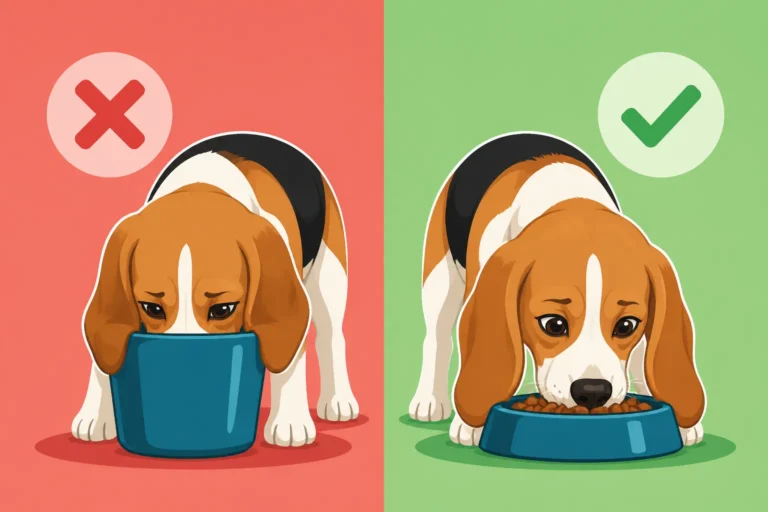
- Enrichment and Appropriate Chews: A bored Beagle is a mischievous Beagle. Provide plenty of appropriate mental and physical stimulation to reduce their urge to seek out forbidden snacks. Puzzle Feeders That Genuinely Slow a Beagle are fantastic for meal times, engaging their brains and slowing their eating. Long-lasting, dog-safe chews can also occupy them. You can find a wide variety of engaging toys and treats that are safe and stimulating for your Beagle on sites like Chewy and Amazon.
- Mindful Walking: Beagles are notorious for Beagle Scavenging on Every Walk. Keep them on a leash and actively monitor what they're sniffing, especially in parks, on trails, or near discarded trash. Teach them that finding things on the ground is not always a reward, and be quick with a "leave it" if you spot something questionable.
- Careful with Medications: Just like human food, human medications can be extremely toxic to Beagles. Keep all medications (human and pet) in securely closed containers and out of reach. Never leave pill bottles on counters or nightstands.
By being consistently vigilant and proactive, you can create a much safer environment for your beloved, food-motivated Beagle, allowing them to focus on what they do best: being the most charming, nose-driven companions around.
Disclaimer
This article is for general informational purposes only and does not constitute professional advice. Laws, prices and regulations vary by location and change over time. Consult a qualified professional for guidance on your specific situation.