Foods and Plants a Beagle Must Never Reach
There’s a common frustration many Beagle owners share: how on earth do you keep such a scent-driven, food-motivated little hound from sniffing out and scarfing down something it shouldn't? Their powerful noses, often described as ten thousand times more sensitive than our own, coupled with an insatiable appetite, mean that foods and plants we might consider harmless are actually significant threats. This guide is here to walk you through the most dangerous items lurking in your home and garden, helping you understand the risks and how to protect your beloved, curious companion.
Common Kitchen Culprits Your Beagle Can't Have
Our kitchens, the heart of our homes, are often brimming with delicious aromas and tempting morsels. But for a Beagle, whose nose works overtime, it's also a minefield of potential dangers. It's not just about guarding your dinner plate; it's about understanding the hidden toxins in everyday ingredients that your clever hound might sniff out from even the most secure-looking spot.
Chocolate, Coffee, and Caffeine: More Than Just a Buzz
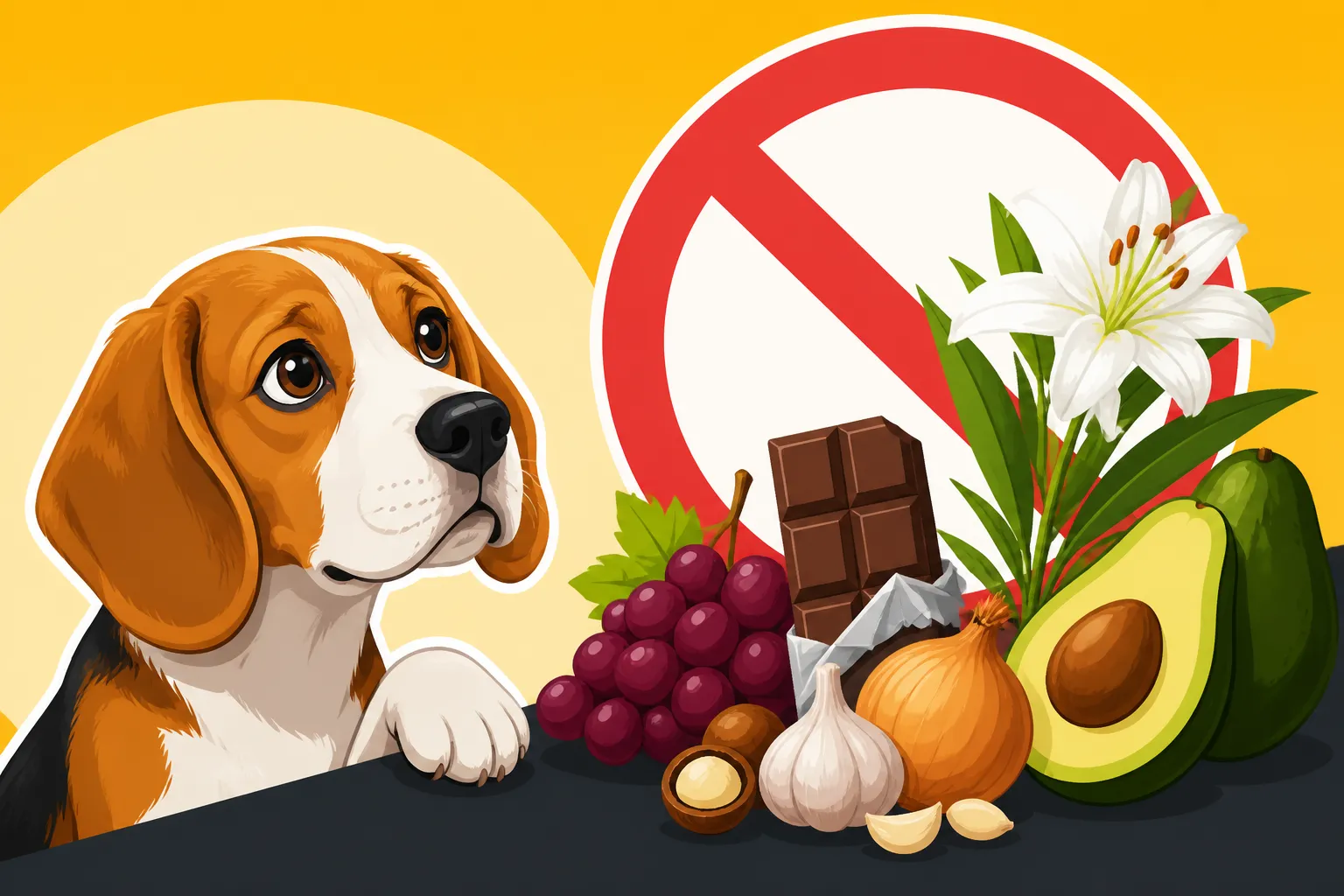
Most dog owners know chocolate is bad, but do you know why? The real culprit here is a compound called theobromine, and to a lesser extent, caffeine. These aren't just stimulants for dogs; they are toxic. Beagles, with their relatively small size and high metabolism, are particularly susceptible to even small amounts. The darker the chocolate, the higher the concentration of theobromine, meaning baker's chocolate and dark chocolate are far more dangerous than milk chocolate, though all should be avoided completely.
Imagine a scenario: you've just come home from the grocery store, and that rich scent of a chocolate bar wrapper, even if empty, is enough to capture your Beagle's full attention. Or perhaps a piece of dark chocolate fell from the counter unnoticed while you were baking. Symptoms of chocolate poisoning can range from vomiting and diarrhea to increased thirst, restlessness, and an elevated heart rate. In more severe cases, especially with larger ingestions or very dark chocolate, muscle tremors, seizures, and even death can occur. It’s a very real and frightening possibility, which is why absolute vigilance is required.
Grapes, Raisins, and the Mysterious Kidney Link
Here's one that perplexes veterinarians and researchers alike: grapes and raisins. We don't fully understand why they are toxic to dogs, but the evidence is undeniable. Even a few grapes or raisins can cause acute kidney failure in some dogs, while others might consume a larger amount with no apparent ill effects. The problem is, you have no way of knowing if your Beagle is one of the sensitive ones until it's too late. This unpredictable, severe reaction makes them incredibly dangerous.
Picture this common scene: you're enjoying a bowl of grapes as a snack, and one rolls off the table, bounces across the floor, and before you can even react, your Beagle has vacuumed it up. Or perhaps your children dropped a few raisins from their snack box. Because there's no known toxic dose – some dogs react to just one, others to many – and no clear understanding of the mechanism, the only safe approach is total avoidance. If you suspect your Beagle has ingested even a single grape or raisin, it's considered an emergency because of the risk of rapid kidney damage.
Onions, Garlic, and Chives: A Dangerous Flavor Base
Many human foods use members of the Allium family – onions, garlic, leeks, and chives – as a base for flavor. What tastes delicious to us, however, is highly toxic to dogs, including our Beagles. These ingredients contain compounds that can damage a dog's red blood cells, leading to a condition called hemolytic anemia. This means their body starts destroying its own oxygen-carrying cells, which can be life-threatening.
Think about how often these ingredients are in our meals. Leftover pizza with onion? Garlic bread scraps? Even baby food purees sometimes contain onion powder. Your Beagle's powerful nose can detect these savory scents from a mile away, making them particularly attractive. The toxicity isn't just about fresh, raw forms; powdered, cooked, or dried forms are equally dangerous. A few onion rings, a bite of garlicky steak, or even just a nibble of a chive plant in the garden could trigger a dangerous reaction, which might not show up for a few days, complicating diagnosis.
Xylitol: A Sweetener's Deadly Secret
Xylitol is a natural sugar substitute found in an increasing number of human products. While perfectly safe for people, it is profoundly toxic to dogs. Even a small amount can cause a rapid and severe drop in blood sugar (hypoglycemia) and, in larger doses, liver failure. For a small dog like a Beagle, the amount needed to cause a fatal reaction is terrifyingly tiny.
Xylitol lurks in so many places now: sugar-free gum, mints, some peanut butters, certain toothpastes, baked goods labeled "sugar-free," and even some medications or chewable vitamins. Imagine a packet of sugar-free gum falling out of your purse or a tube of human toothpaste left uncapped. Your curious Beagle, ever the scavenger, could easily get into these. The onset of symptoms can be incredibly fast, sometimes within 15-30 minutes, leading to weakness, staggering, collapse, and seizures. It's one of those hidden dangers that requires constant vigilance and careful reading of ingredient labels, particularly for products bought from places like Chewy if they're human-grade supplements you happen to share with your family.
Beyond the Kitchen: Other Household Dangers
Protecting your Beagle isn't just about what's in the pantry or on the counter. Our homes contain a surprising number of items that, while essential for human living, pose severe risks to an inquisitive hound. From the medicine cabinet to the cleaning supplies under the sink, a Beagle's curiosity can lead them straight into trouble.
Medications and Supplements: Not for Paws
Human medications and supplements are formulated for human bodies, with different metabolisms and sensitivities. Even seemingly harmless over-the-counter pain relievers, cold medicines, antidepressants, or prescribed heart medications can be extremely dangerous, even fatal, for a Beagle. The same goes for many vitamins and herbal supplements, which might contain ingredients toxic to dogs in concentrated forms.
Consider the scenario: a dropped pill from your nightly routine, a bottle of children's chewable vitamins left on a low bedside table, or even a bag of essential oils spilled. Your Beagle, with its keen nose, might be drawn to the novel scent or the small, chewable form of a tablet. Non-steroidal anti-inflammatory drugs (NSAIDs) like ibuprofen can cause stomach ulcers and kidney failure. Acetaminophen (Tylenol) is highly toxic to dogs, leading to liver damage and red blood cell issues. Even a seemingly benign multivitamin can contain high levels of iron, which is toxic. Always keep all medications, human or pet-specific, secured completely out of reach. Companies like Amazon offer a wide range of secure, child-proof, and pet-proof cabinets and containers that can make a huge difference in your home's safety.
Cleaning Products and Chemicals: Hidden Hazards
Our desire for a clean and sparkling home can inadvertently introduce serious hazards for our Beagles. Many common household cleaning products, from drain cleaners and toilet bowl tablets to laundry detergents and furniture polish, contain harsh chemicals that are corrosive or toxic upon ingestion or even skin contact. Antifreeze, often found in garages or driveways, is particularly lethal due to its sweet taste, which attracts dogs.
Imagine your Beagle investigating a puddle of spilled cleaner on the garage floor, or licking a surface recently treated with polish. Even something as simple as a laundry detergent pod, with its bright colors and squishy texture, can be incredibly tempting to a curious dog. Ingesting these can cause severe chemical burns to the mouth, esophagus, and stomach, leading to vomiting, drooling, difficulty breathing, and internal damage. Always store all cleaning supplies, paints, solvents, and automotive fluids in locked cabinets or on high shelves.
Common Houseplants: Pretty but Potentially Poisonous
Bringing nature indoors can enhance our living spaces, but many popular houseplants are surprisingly toxic to dogs. A Beagle's natural inclination to chew or explore new textures means that a potted plant can become an irresistible snack. Common offenders include lilies (extremely toxic to cats, but can cause digestive upset and kidney issues in dogs), sago palms (highly toxic, causing liver failure), oleander, azaleas, rhododendrons, and even common philodendrons.
Think about a new plant you've just brought home from the nursery, still in its plastic pot, sitting on the floor before you find a permanent spot. Or perhaps a low-hanging leaf on a larger plant is within easy reach. Your Beagle might decide to investigate with its mouth. The symptoms vary widely depending on the plant, but can include oral irritation, vomiting, diarrhea, lethargy, organ damage, or even sudden death. It's crucial to research every plant before bringing it into your home. If you're unsure about a particular plant, it's always safer to remove it or place it completely out of your Beagle's reach.
The Outdoor World: Guarding Your Beagle's Explorations
A Beagle in the great outdoors is a joyous sight, nose to the ground, exploring every scent. However, this natural curiosity, combined with their strong prey drive and tendency to scavenge, makes them vulnerable to a myriad of outdoor hazards. Your yard and local parks, while appearing safe, can harbor dangers that range from toxic plants to hazardous chemicals and wild edibles. When it comes to outdoor adventures, Beagle Scavenging on Every Walk is a major concern.
Garden Plants and Flowers: Beautiful but Toxic
Many of the plants we cultivate for their beauty in our gardens are, unfortunately, toxic to dogs. Just like houseplants, a curious Beagle might decide to sample a leaf, a flower, or a bulb. Common garden dangers include daffodils, tulips, and hyacinth bulbs (which can cause severe gastrointestinal upset, convulsions, and cardiac abnormalities), foxglove (which affects the heart), lilies of the valley, bleeding hearts, and even rhubarb leaves.
Imagine your Beagle digging enthusiastically in a flower bed, unearthing and chewing on a daffodil bulb. Or perhaps it's nibbling at the ornamental shrubs along your fence line. The sheer variety of garden plants means constant vigilance is required. Even a harmless-looking flower can contain compounds that cause anything from mild gastrointestinal upset to serious organ damage or even neurological issues. When planning your garden, or even just letting your Beagle out for a sniff, it's vital to be aware of Garden Plants a Beagle Should Never Reach.
Fertilizers, Pesticides, and Lawn Care Products
Maintaining a lush, green lawn and a pest-free garden often involves the use of chemicals that are highly toxic to Beagles. Fertilizers, herbicides (weed killers), insecticides, slug bait, and rodenticides are all common threats. These products are often designed to be attractive to pests, but their scents and sometimes sweet tastes can also appeal to a curious dog.
Consider the aftermath of a fresh lawn treatment: your Beagle, perhaps let out too soon, walks across the treated grass and then licks its paws, ingesting the chemicals. Or maybe a bag of fertilizer was left unsecured in the shed, and your Beagle tore into it. Symptoms of ingestion can include vomiting, diarrhea, tremors, seizures, and neurological damage, depending on the specific chemical. Slug bait, often containing metaldehyde, is particularly dangerous and can cause severe neurological signs quickly. Always store these products securely and follow application instructions meticulously, keeping pets away from treated areas for the recommended duration.
Wild Mushrooms and Other Foraging Risks
While your Beagle enjoys its sniffing expeditions, it's constantly encountering potential dangers from nature itself. Wild mushrooms are a significant concern, as many species are highly toxic and can cause severe illness or death. The difficulty lies in distinguishing between harmless and deadly varieties, even for experienced foragers. A Beagle, with its nose to the ground, won't make that distinction.
Think about a walk through the woods or even just a damp patch in your backyard after a rain. A variety of mushrooms can pop up overnight. Your Beagle's incredible sense of smell will lead it directly to these interesting new growths. Ingestion of toxic mushrooms can lead to a wide range of severe symptoms, including vomiting, diarrhea, liver failure, kidney failure, neurological issues, and seizures. Some mushrooms can be lethal within hours. Beyond mushrooms, Beagles might also ingest berries from poisonous plants, rotting food, or even animal feces that could carry parasites or bacteria. Teaching a strong "Beagle Leave It Training With Real Food Down" cue is essential for outdoor safety, and a reliable recall is equally critical for keeping your dog away from tempting, but dangerous, finds.
Recognizing the Signs of Poisoning and Acting Fast
Even with the best Beagle-proofing, accidents can happen. Perhaps your cunning canine found a way into something you thought was secure, or snatched a rogue morsel on a walk. Knowing the signs of poisoning and how to react immediately can be the difference between a swift recovery and a devastating outcome. Remember, when it comes to potential poisoning, time is often of the essence.
Early Warning Signs to Watch For
The signs of poisoning can vary dramatically depending on the substance ingested, the amount, and your individual Beagle's sensitivity. However, there are some common red flags that should immediately alert you to a potential problem. These often involve changes in your Beagle's normal behavior or bodily functions. One of the most common early indicators is gastrointestinal upset, such as sudden vomiting or diarrhea, especially if it's severe or persistent.
Beyond digestive issues, keep an eye out for lethargy or weakness, where your normally energetic Beagle seems unusually tired, disoriented, or struggles to stand. Tremors, muscle twitching, or seizures are also very serious signs that require immediate attention. Changes in breathing (rapid, shallow, or labored), excessive drooling, increased thirst or urination, and changes in gum color (pale, yellow, or bluish) can all signal a toxic reaction. If you notice any of these Beagle Emergency Signs That Cannot Wait Until Morning, it's time to act without delay.
Immediate Steps to Take at Home
If you suspect your Beagle has ingested something toxic, the very first step is to remain calm, as difficult as that may be. Panicking won't help your dog. Next, try to identify what your Beagle ate, how much, and when. If you can, collect a sample of the substance, its packaging, or even any vomit. This information is invaluable for your veterinarian. Then, immediately call your vet or a pet poison control hotline. Do not wait for symptoms to worsen.
Do NOT try to induce vomiting unless specifically instructed to do so by a veterinary professional. Some substances can cause more harm coming back up than going down, such as corrosives, which can burn the esophagus. They might also pose a choking hazard. Follow the professional advice precisely. They may instruct you to give activated charcoal, hydrogen peroxide (as an emetic if appropriate), or simply tell you to head straight to the clinic. Having a well-stocked pet first aid kit, perhaps from a brand like Chewy, that includes items like a syringe (without a needle) to administer liquids can be helpful, but only use anything under vet guidance.
When to Rush to the Emergency Vet
In most cases of suspected poisoning, especially with potentially lethal substances like xylitol, antifreeze, sago palm, or certain medications, the advice will be to get to an emergency veterinary clinic as quickly as possible. Time is critical, and prompt professional intervention can make a huge difference in the outcome. Don't delay because your Beagle isn't showing severe symptoms yet; some toxins have a delayed effect, and early treatment can prevent serious organ damage.
When you call ahead, describe your Beagle's breed, estimated weight, what you suspect it ate, how much, and when. This allows the veterinary team to prepare for your arrival and potentially begin treatment protocols immediately. They may need to induce vomiting, administer activated charcoal to absorb toxins, start intravenous fluids to support organ function, or provide specific antidotes. Be prepared for a potentially extensive and costly treatment process, as managing poisoning cases often requires intensive care, blood tests, and monitoring.
Beagle-Proofing Your Home and Habits for Safety
Knowing what's dangerous is only half the battle; the other half is actively preventing your clever, food-obsessed Beagle from ever reaching these hazards. Beagle-proofing is an ongoing process that involves a combination of secure storage, careful landscaping, and consistent training. It's about creating an environment where your Beagle can be a Beagle – exploring with its nose – without constantly putting itself in harm's way.
Secure Storage Solutions for Food and Meds
Given a Beagle's incredible sense of smell and persistent nature, anything that smells remotely edible, or even just interesting, is a target. This means that food items, medications, and supplements need to be secured far beyond a casual cupboard or a low shelf. A standard pantry door might not be enough if your Beagle learns how to nudge it open, or if it can reach items on a low shelf from standing.
Think vertically: utilize high shelves, locked cabinets, or secure containers that cannot be chewed through or opened by a paw. Consider investing in a heavy-duty, locking trash can that your Beagle can't tip over or root through. For medicines, use child-proof containers and store them in a medicine cabinet that latches securely. Even small items like sugar-free gum or mints should be kept in zippered bags or containers out of reach, not just left on a coffee table. Companies like Amazon offer a wide range of ingenious storage solutions designed for homes with curious pets and children, from magnetic cabinet locks to heavy-duty storage bins. When bringing groceries home, put away all tempting items immediately, without leaving bags unattended. This active management is a critical part of Beagle-Proofing the Kitchen and the Pantry.
Managing Your Yard and Garden Safely
Your outdoor space, whether a sprawling garden or a small patio, needs to be considered through the eyes (or rather, the nose) of a Beagle. This means being mindful of what plants you grow, how you maintain your lawn, and what might be brought into the yard by wildlife or neighbors. Fencing is a primary concern, not just for containment, but also for keeping potential outdoor hazards out, or your Beagle from escaping to them.
When planting, opt for dog-friendly alternatives to toxic species. If you must have certain toxic plants, ensure they are in areas your Beagle cannot access, perhaps behind secure fencing or in raised beds that are truly out of reach. Be extremely cautious with lawn and garden chemicals. Consider organic, pet-safe alternatives, or at least keep your Beagle off treated areas for the recommended time. Regularly check your yard for wild mushrooms, fallen fruit from trees, or any dropped litter from passersby. If you have fruit trees, consider netting them or regularly picking up fallen fruit before your Beagle gets to it. Forging a strong "Beagle Leave It Training With Real Food Down" command can be immensely helpful during walks, preventing your Beagle from investigating potentially harmful items.
Training for "Leave It" and "Drop It"
While physical barriers and secure storage are vital, training is your Beagle's ultimate safety net. The "Leave It" and "Drop It" commands are not just polite manners; they are life-saving skills for a breed notorious for its opportunistic foraging. "Leave It" teaches your Beagle to ignore an item on the ground or within reach, while "Drop It" teaches them to release something they already have in their mouth.
Start practicing these commands in a low-distraction environment with low-value items, gradually increasing the difficulty to include high-value treats and real-world distractions. For a Beagle, whose food drive is so strong, this can be challenging but incredibly rewarding. Always use positive reinforcement with high-value treats – perhaps some delicious freeze-dried salmon treats from Ollie that they rarely get. The goal is for your Beagle to associate listening to you with something even better than the tempting item. Consistent, daily practice is key. Imagine the peace of mind knowing that if your Beagle sniffs out a dropped pill or a wild mushroom on a walk, you have a reliable command to prevent ingestion. These skills are fundamental to keeping your sniffing, scavenging Beagle safe in a world full of tantalizing, but dangerous, smells.
Dangerous Foods Your Beagle Should Avoid
Here's a quick overview of some of the most common toxic foods for Beagles and what symptoms to watch for. Remember, this is not an exhaustive list, and any suspected poisoning warrants an immediate call to your veterinarian.
| Food Item | Toxic Compound/Reason | Common Symptoms | Severity |
|---|---|---|---|
| Chocolate/Caffeine | Theobromine, Caffeine | Vomiting, diarrhea, restlessness, increased thirst, tremors, seizures | Moderate to Severe, potentially fatal |
| Grapes/Raisins | Unknown | Vomiting, diarrhea, lethargy, decreased appetite, acute kidney failure | Severe, potentially fatal |
| Onions/Garlic/Chives | Thiosulphates | Vomiting, diarrhea, lethargy, pale gums, red blood cell damage (anemia) | Moderate to Severe, can be delayed |
| Xylitol | Rapid insulin release | Vomiting, weakness, staggering, collapse, seizures, liver failure | Severe, potentially fatal |
| Avocado | Persin (in large amounts/certain parts) | Vomiting, diarrhea (mostly in pits, skin, leaves) | Mild to Moderate, primarily gastrointestinal |
| Alcohol | Ethanol | Vomiting, diarrhea, disorientation, tremors, difficulty breathing, coma | Severe, potentially fatal |
| Macadamia Nuts | Unknown | Weakness, tremors, vomiting, fever, lameness | Mild to Moderate |
| Bones (cooked) | Splintering risk | Choking, gastrointestinal obstruction, perforation of intestines | Moderate to Severe |
| Yeast Dough | Ethanol production, stomach expansion | Bloating, pain, disorientation, vomiting, stomach rupture | Severe, emergency |
| Fat Trimmings/Grease | High fat content | Vomiting, diarrhea, pancreatitis | Moderate to Severe |
| Rhubarb Leaves | Oxalates | Vomiting, diarrhea, tremors, kidney damage | Moderate to Severe |
Disclaimer
This article is for general informational purposes only and does not constitute professional advice. Laws, prices and regulations vary by location and change over time. Consult a qualified professional for guidance on your specific situation.